


| Product Name | Tamper-Resistant Rat Bait Station | ||||||||||||||||||||||||
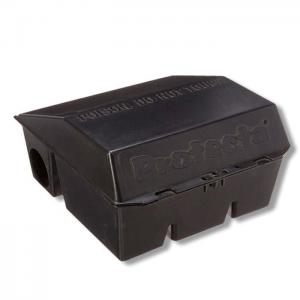
| Product Image |  |
||||||||||||||||||||||||
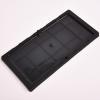
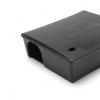
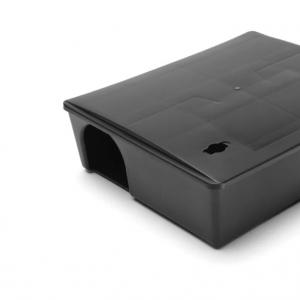
| Product Overview | The Tamper-Resistant Rat Bait Station is a heavy-duty rodent control enclosure designed for commercial pig farms, poultry farms, cattle facilities, feed storage areas, livestock buildings and agricultural service zones. The enclosed station protects rodent bait or compatible traps from dust, dirt, moisture and accidental contact by livestock, pets and other non-target animals. A secure locking system restricts access to authorized farm or pest-control personnel. The station can be positioned along walls, building perimeters, feed rooms, equipment corridors and other established rat travel routes. It is suitable for indoor and outdoor rodent-management programs and can also be used as a monitoring point to identify areas with increased rodent activity. Heavy-duty molded construction and secure anchoring options make the station suitable for long-term use in demanding livestock farm environments. |
||||||||||||||||||||||||
| Key Features |
|
||||||||||||||||||||||||
| Structural Components |
|
||||||||||||||||||||||||
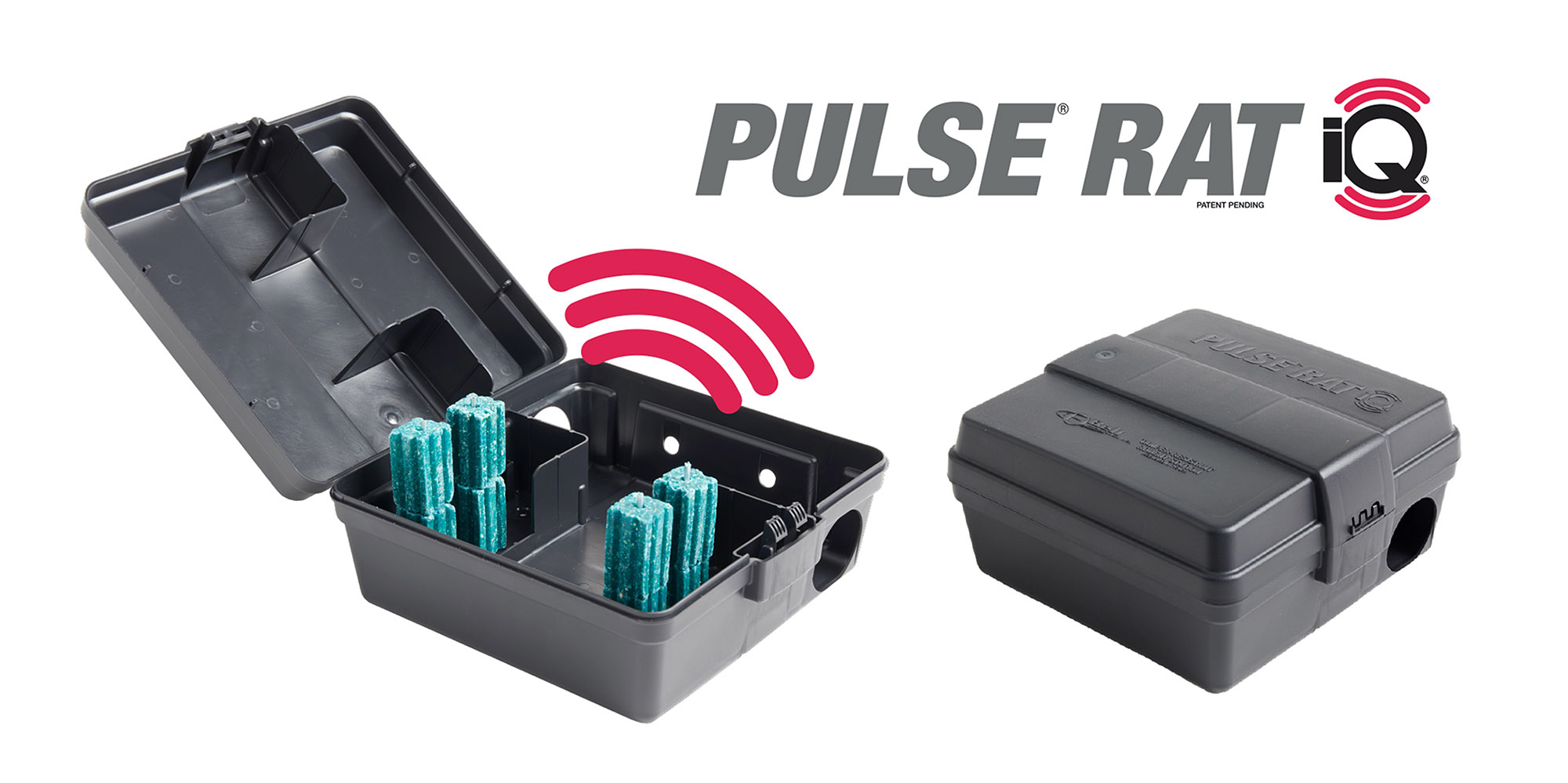
| Working Principle | The bait station is installed along known rat travel routes such as walls, fences, feed rooms, livestock-building perimeters and service corridors. Rats enter through the side openings and reach bait or a compatible trapping device positioned inside the protected enclosure. Internal bait rods keep block bait securely in place and reduce movement or removal from the station. The locked housing helps prevent unauthorized access while shielding bait from moisture and contamination. Farm personnel or pest-control technicians periodically unlock the station to inspect rodent activity, replenish bait, service traps and clean the interior. Bait stations should be used as part of an integrated rodent-management program that also includes sanitation, feed-spillage control, building exclusion and regular monitoring. |
||||||||||||||||||||||||
| Technical Specifications |
|
||||||||||||||||||||||||
| Applications |
|
||||||||||||||||||||||||
| Customization Options |
|
||||||||||||||||||||||||
| Installation & Maintenance | Before installation, inspect the livestock facility for droppings, gnawing damage, tracks, burrows and other signs of rat activity. Stations should normally be positioned along rodent travel routes and close to walls or other structural edges. Outdoor stations should be securely anchored where movement by livestock, machinery, weather or unauthorized persons is possible. Station entrances should remain unobstructed. Inspect the station at intervals appropriate to rodent pressure and the farm pest-management program. Remove debris, replace contaminated or consumed bait, service traps and record evidence of rodent activity. When rodenticide bait is used, only products registered for the intended location should be installed. Always follow the rodenticide label, bait-station requirements and applicable local regulations. |
||||||||||||||||||||||||
| Project Cases | Tamper-resistant rat bait stations can be incorporated into complete livestock-farm rodent-control programs with fixed monitoring points around production buildings. In commercial pig farms, stations can be positioned around feed silos, feed rooms, exterior walls, equipment passages and building perimeters. Each station can be numbered and included on a farm pest-control map for routine inspection. In poultry and livestock group projects, larger networks of bait stations can be installed around multiple production buildings and service areas to provide consistent rodent monitoring and control across the site. |
||||||||||||||||||||||||
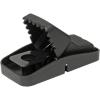
| Product FAQ | Q: Is the bait station suitable for outdoor use? A: Yes. Heavy-duty tamper-resistant stations can be used indoors and outdoors when properly installed and anchored. Q: Does the station include rodenticide? A: The station is a reusable bait-delivery and monitoring enclosure. Rodenticide or trapping equipment can be supplied separately according to project and regulatory requirements. Q: Can livestock access the bait? A: The locked and baffled design is intended to restrict access by livestock and other non-target animals when the station is correctly installed and serviced. Q: Can the station hold a rat trap instead of bait? A: Compatible configurations can accommodate mechanical rat traps for non-bait trapping programs. Q: Can the station be fixed to the ground? A: Yes. Ground stakes, anchors, weighted bases or attachment to permanent structures can be used according to the installation site. Q: Is it suitable for commercial pig farms? A: Yes. It can be positioned around pig-house perimeters, feed areas and other rodent-risk zones as part of an integrated farm pest-management program. Q: Can stations be numbered for inspection records? A: Yes. Individual station numbering, service labels and digital identification options are available. Q: How often should bait stations be inspected? A: Inspection frequency should be determined by rodent pressure, bait consumption, local requirements and the farm pest-management plan. |
||||||||||||||||||||||||
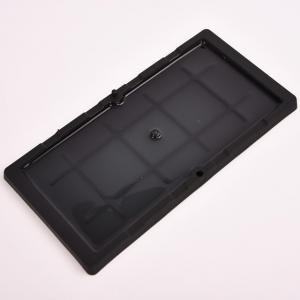
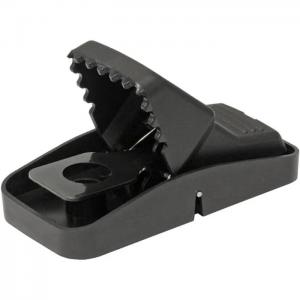
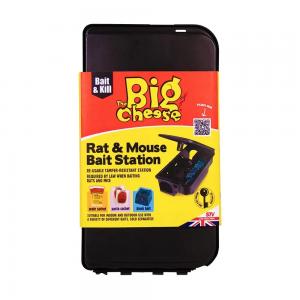
| Product Gallery | 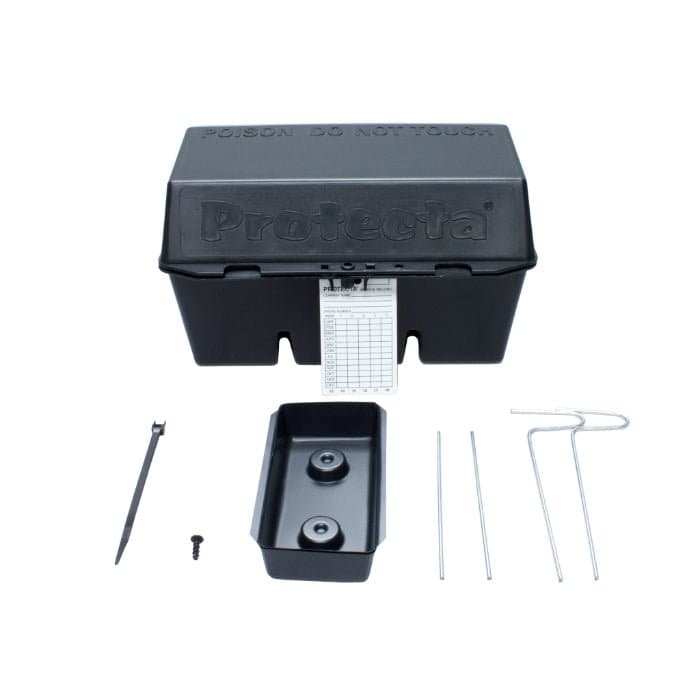 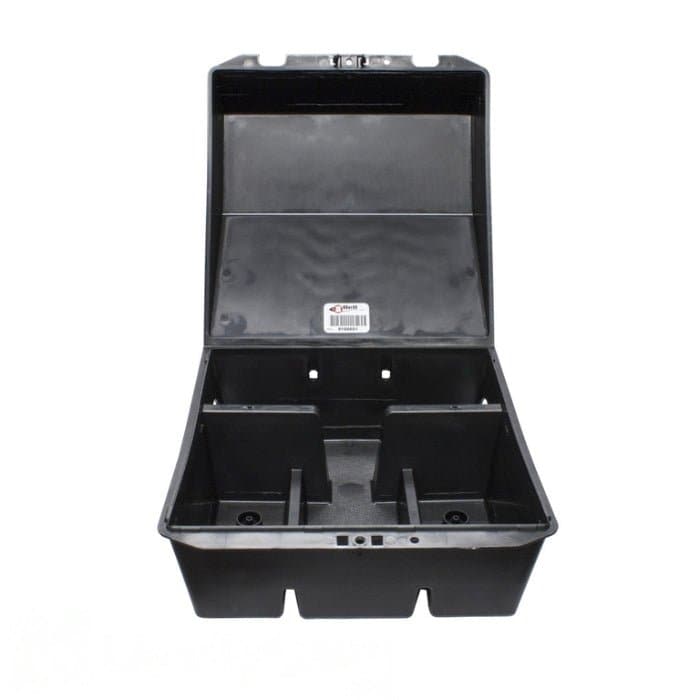 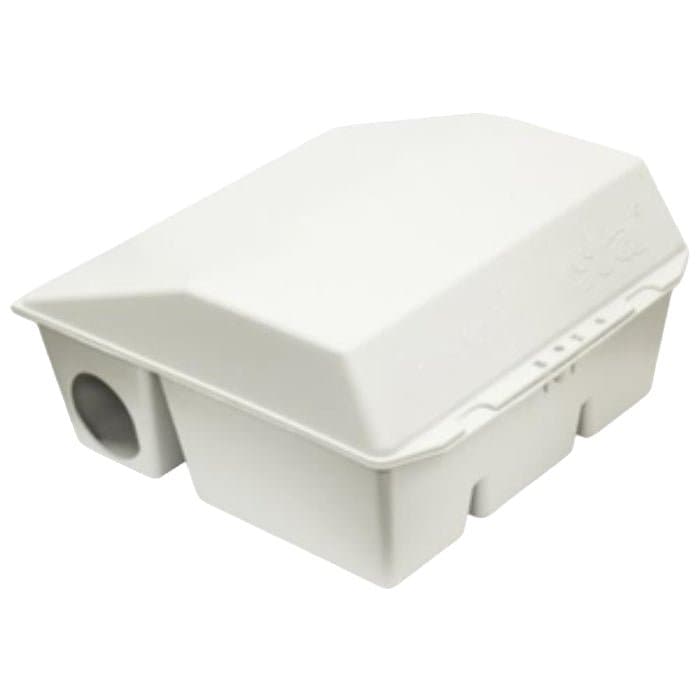 |
- Home
-
Products
- Pig Farming Equipment
- Cattle Farming Equipment
- Sheep & Goat Farming Equipment
- Poultry Farming Equipment
- Feeding & Drinking Systems
- Veterinary & Breeding Equipment
- Testing & Diagnostic Equipment
- Cleaning & Biosecurity Equipment
- Climate Control Equipment
- Livestock Weighing Equipment
- Manure & Waste Management
- Farm Transport & Handling
-
Solutions
- Pig Farm Solutions
- Dairy Farm Solutions
- Beef Cattle Farm Solutions
- Sheep & Goat Farm Solutions
- Layer Farm Solutions
- Broiler Farm Solutions
- Feeding & Drinking System Solutions
- Climate Control Solutions
- Biosecurity & Disinfection Solutions
- Manure & Waste Management
- Smart Farming Solutions
- Farm Renovation and Upgrade Solutions
- Partners
- Projects
- Resources
- News
- About Us
- Contact
Comments & Inquiries
Leave your questions or requirements below. We will reply as soon as possible.