


| Product Name | Livestock Farm Rat Glue Trap | ||||||||||||||||||
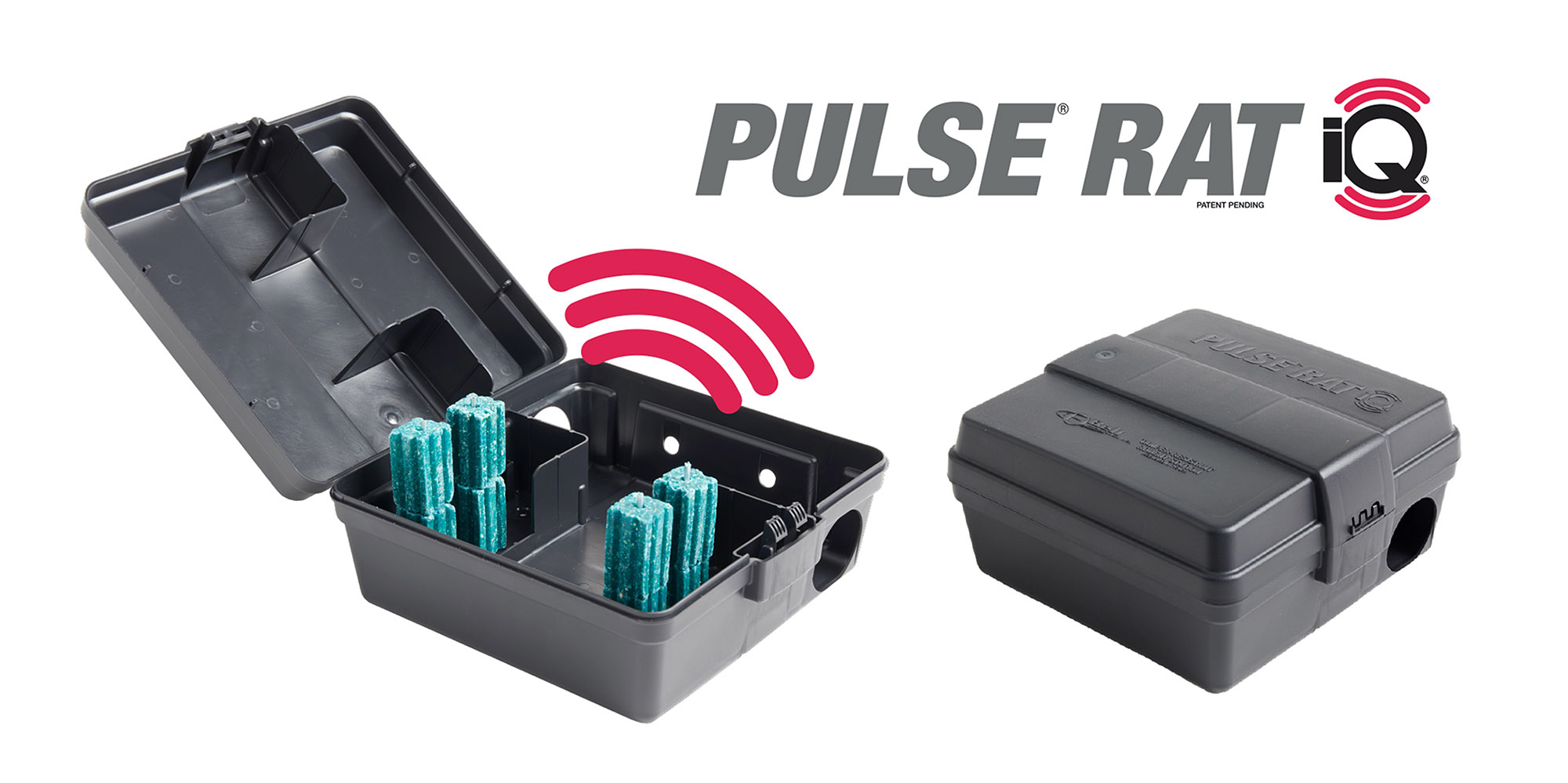
| Product Image |  |
||||||||||||||||||
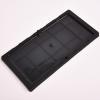
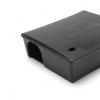
| Product Overview | The Livestock Farm Rat Glue Trap is a passive rodent monitoring and capture device designed for livestock buildings, feed storage rooms, farm warehouses, equipment rooms and other agricultural facilities where rats and mice may travel along walls or structural edges. Its adhesive capture surface operates without springs or mechanical trigger parts, providing a simple solution for routine rodent-control programs. The trap can be incorporated into pest-management plans for commercial pig farms, poultry houses, cattle facilities, feed mills and steel structure livestock buildings. Low-profile construction allows placement in confined areas, along wall lines, near doors and around locations showing signs of rodent activity. Configuration, board material, adhesive formulation, dimensions and packaging can be supplied according to project requirements. |
||||||||||||||||||
| Key Features |
|
||||||||||||||||||
| Structural Components |
|
||||||||||||||||||
| Working Principle | The trap is positioned glue-side upward in areas where rodent movement has been observed. Rats or mice moving across the trap contact the high-adhesion surface and are retained by the adhesive layer. Because the unit does not rely on a mechanical trigger, it can provide continuous passive monitoring while properly deployed. Professional placement normally focuses on wall edges, corners, entry points and established rodent travel paths. | ||||||||||||||||||
| Technical Specifications |
|
||||||||||||||||||
| Applications |
|
||||||||||||||||||
| Customization Options | OEM and project-based configurations are available for distributors, livestock equipment companies and agricultural project contractors. Options may include trap dimensions, base material, adhesive formulation, adhesive coverage, color, packaging quantity and private-label packaging. Final configuration can be designed according to local climate, farm conditions and project requirements. | ||||||||||||||||||
| Installation & Maintenance | Remove the protective release sheet before installation and position the trap glue-side upward along identified rodent travel routes. Typical locations include wall edges, corners, doorways, feed-room perimeters and areas behind fixed equipment. Kness instructions for comparable rat glue traps recommend placement against walls in locations showing pest activity. :contentReference[oaicite:1]{index=1} Inspect monitoring points regularly and replace traps when contaminated, heavily covered with dust or after capture. Keep traps away from livestock, pets, birds and unintended contact areas. Placement and disposal procedures should follow farm biosecurity protocols and applicable local pest-control and animal-welfare regulations. |
||||||||||||||||||
| Project Cases | For commercial livestock projects, glue traps can be arranged as part of a structured rodent monitoring network around feed rooms, storage zones, service corridors, equipment rooms and building perimeters. The quantity and spacing of monitoring points should be determined according to farm layout, rodent pressure, hygiene zoning and the site's pest-management program. | ||||||||||||||||||
| Product FAQ | Q: Where should rat glue traps be placed in a livestock farm? A: Common monitoring positions include wall edges, corners, doorways, feed rooms, storage rooms and locations showing droppings, tracks or other signs of rodent movement. Q: Does the trap require electricity or a mechanical trigger? A: No. The adhesive capture principle does not require electricity, springs or mechanical triggering components. Q: Can the size and adhesive strength be customized? A: Yes. Dimensions, base structure, adhesive formulation and packaging can be customized according to project requirements. Q: Is it suitable for commercial pig farms? A: Yes. It can be incorporated into rodent-monitoring programs for pig farms, poultry farms, cattle facilities, feed storage buildings and other agricultural facilities. Q: Can OEM packaging be supplied for distributors? A: OEM packaging, bulk packing and other commercial configurations are available upon request. Q: How often should traps be checked? A: Inspection frequency should follow the farm's pest-management and biosecurity plan, with more frequent checks in areas showing active rodent pressure. |
||||||||||||||||||
| Product Gallery | 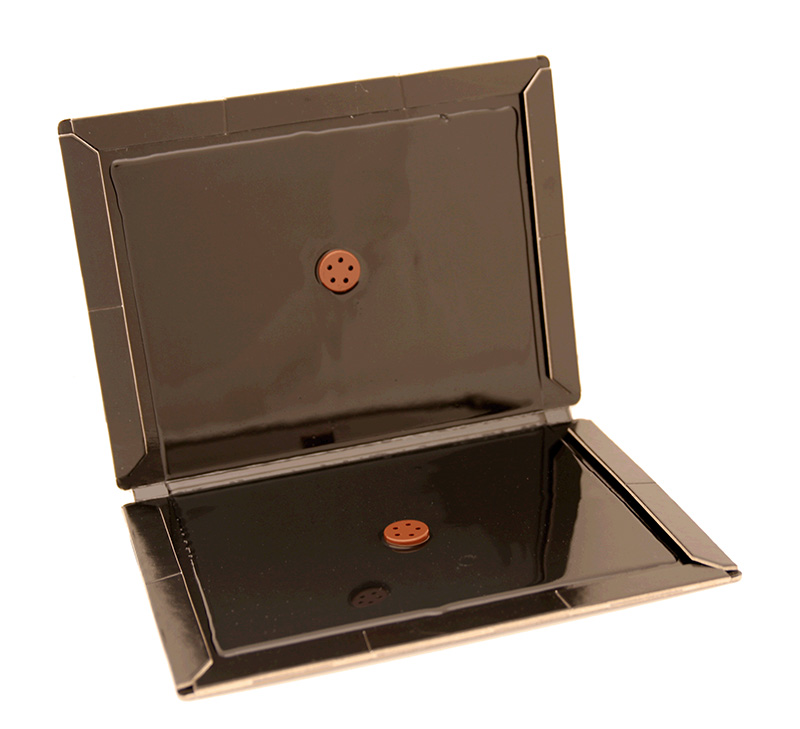 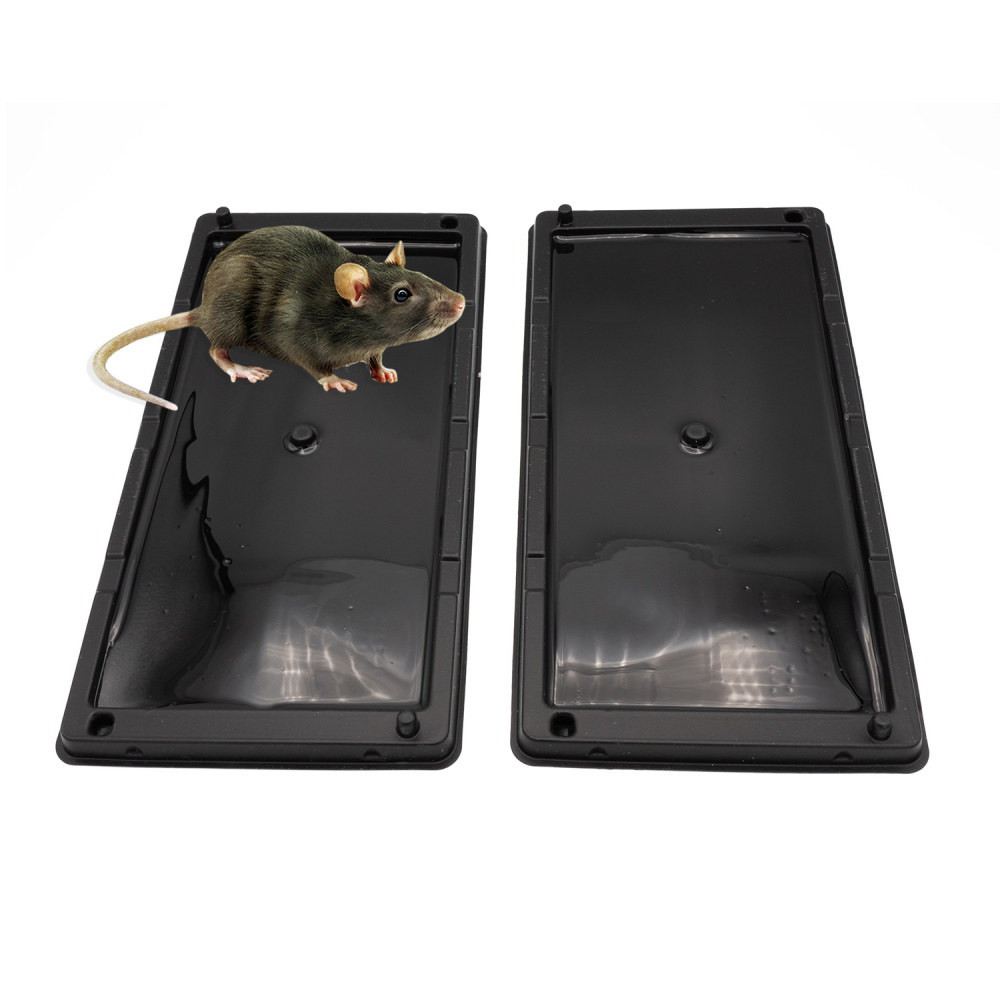 |
- Home
-
Products
- Pig Farming Equipment
- Cattle Farming Equipment
- Sheep & Goat Farming Equipment
- Poultry Farming Equipment
- Feeding & Drinking Systems
- Veterinary & Breeding Equipment
- Testing & Diagnostic Equipment
- Cleaning & Biosecurity Equipment
- Climate Control Equipment
- Livestock Weighing Equipment
- Manure & Waste Management
- Farm Transport & Handling
-
Solutions
- Pig Farm Solutions
- Dairy Farm Solutions
- Beef Cattle Farm Solutions
- Sheep & Goat Farm Solutions
- Layer Farm Solutions
- Broiler Farm Solutions
- Feeding & Drinking System Solutions
- Climate Control Solutions
- Biosecurity & Disinfection Solutions
- Manure & Waste Management
- Smart Farming Solutions
- Farm Renovation and Upgrade Solutions
- Partners
- Projects
- Resources
- News
- About Us
- Contact

Comments & Inquiries
Leave your questions or requirements below. We will reply as soon as possible.