


| Product Name | Bluetooth Rodent Monitoring System | ||||||||||||||||||||||||||
| Product Image |  |
||||||||||||||||||||||||||
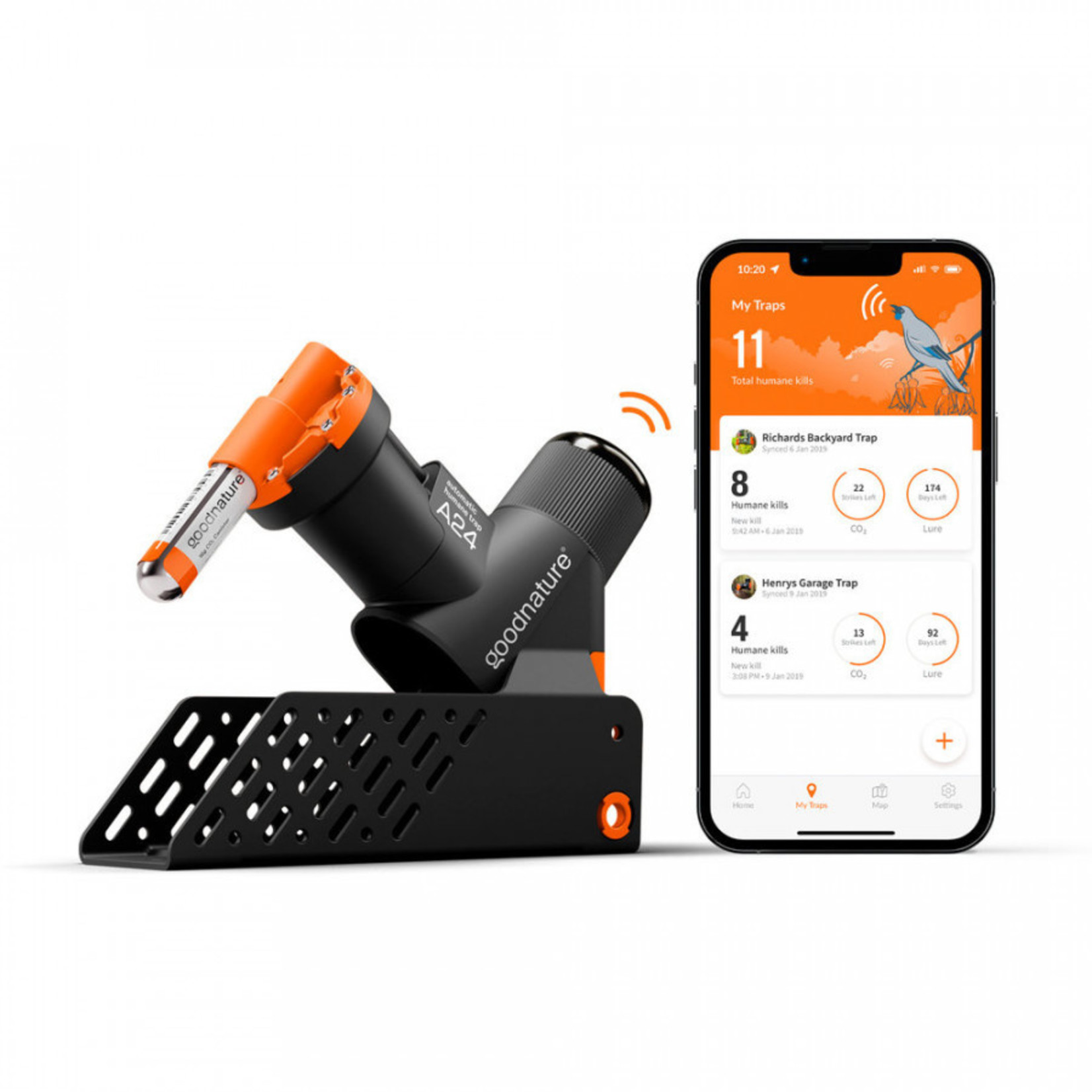
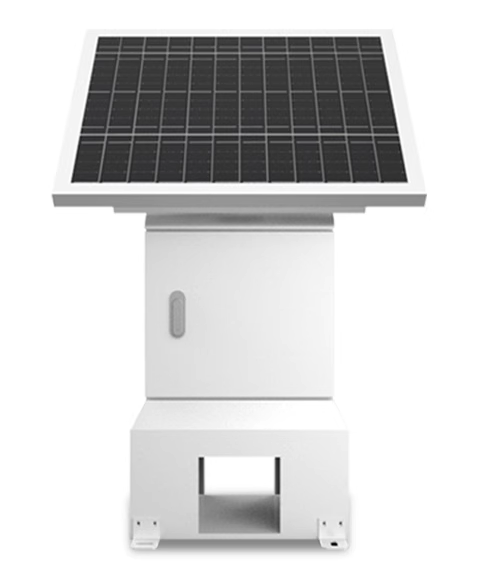
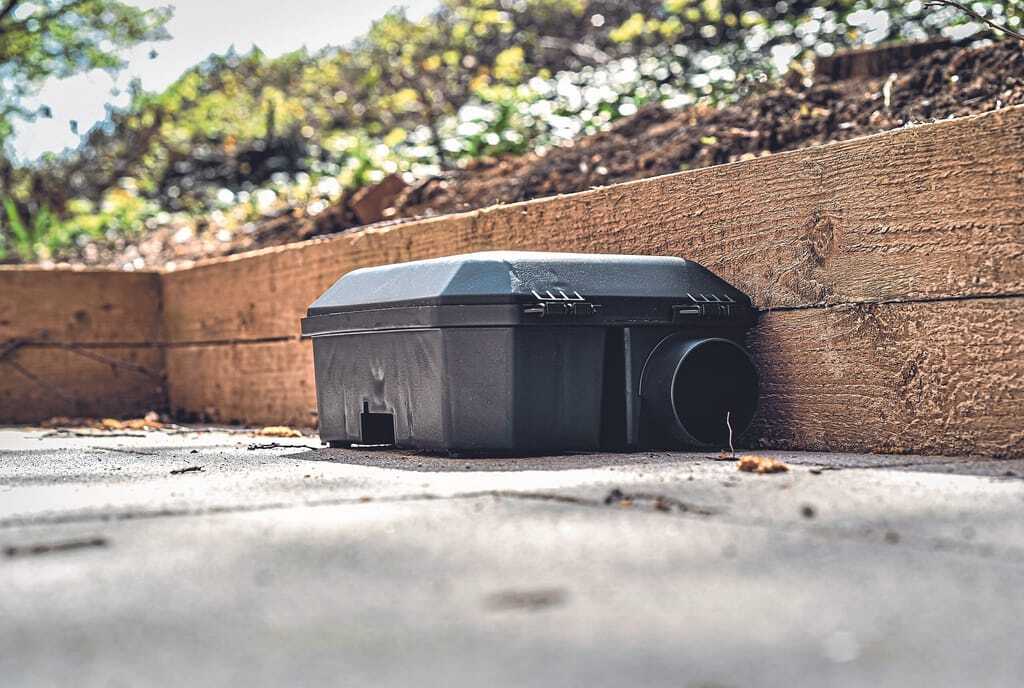
| Product Overview | The Bluetooth Rodent Monitoring System is a digital pest-monitoring solution designed for livestock farms, feed mills, grain storage facilities, breeding centers, poultry houses and other agricultural environments where rodent activity must be monitored systematically. Smart monitoring stations integrate a battery-powered sensor, antenna and Bluetooth communication module to detect rodent activity and record time-stamped events. During routine inspection, technicians can collect stored data directly with a compatible smartphone or tablet and transfer the information to a monitoring application or management platform. Unlike monitoring systems that require permanently installed gateways throughout the facility, Bluetooth-based configurations can collect data locally during technician visits. This can simplify installation and make the system suitable for both existing livestock farms and new biosecurity projects. The recorded activity history helps farm managers identify high-activity locations, compare activity between monitoring points and determine where additional inspection or rodent-control measures may be required. |
||||||||||||||||||||||||||
| Key Features |
|
||||||||||||||||||||||||||
| Structural Components |
|
||||||||||||||||||||||||||
| Working Principle | Monitoring devices are positioned at selected rodent activity points such as livestock-house walls, feed rooms, warehouses, service corridors and exterior building perimeters. When rodent activity is detected, the integrated sensor records the event together with a timestamp. The activity information remains stored within the monitoring system until a technician approaches the device with a compatible mobile phone or tablet. Bluetooth communication transfers the collected information to the mobile application during the service visit. Data can then be synchronized with a management portal for reviewing activity by monitoring location and time. This approach allows technicians to distinguish inactive monitoring points from locations with repeated activity and concentrate inspection, trapping, exclusion or baiting efforts where they are most needed. |
||||||||||||||||||||||||||
| Technical Specifications |
|
||||||||||||||||||||||||||
| Applications |
|
||||||||||||||||||||||||||
| Customization Options |
|
||||||||||||||||||||||||||
| Installation & Maintenance | Monitoring stations should be positioned where rodents are likely to travel, including along walls, beside doors, near feed storage areas, behind equipment, around building perimeters and at other identified activity points. Each station should be assigned a clear monitoring location so recorded activity can be linked to a specific area of the farm. During setup, connect the smart device to the monitoring application according to the selected system instructions. Routine servicing includes checking battery condition, removing debris, inspecting the station housing, confirming sensor operation and servicing any trap or bait component installed inside the enclosure. Monitoring data should be reviewed together with physical evidence such as droppings, gnawing, tracks, structural entry points and feed contamination. Digital monitoring supports inspection but does not replace farm sanitation and rodent-proofing measures. |
||||||||||||||||||||||||||
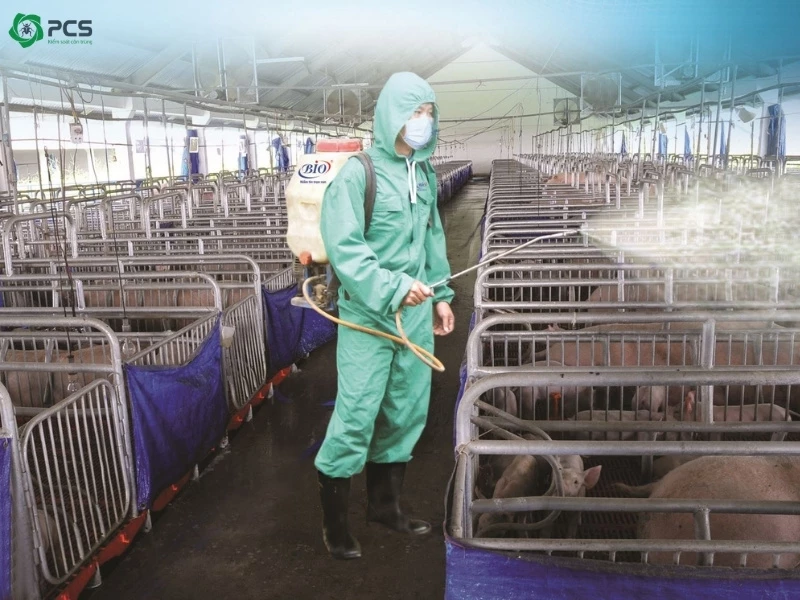
| Project Cases | Bluetooth rodent monitoring is suitable for commercial farms with many distributed bait stations or traps where conventional manual checking requires significant service time. In a commercial pig farm, monitoring stations can be positioned around feed-storage rooms, production-building entrances, service corridors and external walls. Activity timestamps help maintenance personnel determine which areas show repeated rodent movement. In poultry and feed-storage projects, compact mouse sensors can be installed around internal walls and equipment, while larger rat monitoring stations can be positioned around exterior building perimeters and waste-management areas. Historical monitoring data can also support pest-control documentation and help evaluate changes in rodent activity after sanitation, exclusion or control measures are introduced. |
||||||||||||||||||||||||||
| Product FAQ | Q: How does the Bluetooth rodent monitoring system work? A: Integrated sensors record rodent activity and timestamps. During an inspection, a compatible smartphone or tablet collects the stored information through Bluetooth. Q: Does the system require a gateway? A: The reference Bluetooth architecture does not require dedicated gateway equipment for normal on-site data collection. Q: Does the monitoring station operate continuously? A: Yes. Battery-powered sensors can collect rodent activity information between routine service visits. Q: Can it monitor both rats and mice? A: Yes. Different station and trap configurations are available for rat and mouse monitoring. Q: Is the equipment suitable for livestock farms? A: Yes. It can be used in pig farms, poultry farms, cattle facilities, feed storage areas and other agricultural environments. Q: Can technicians see when rodent activity occurred? A: Yes. Compatible sensor systems record timestamps that help identify when activity occurred at individual monitoring locations. Q: Can data be stored for later analysis? A: Compatible management platforms can archive activity information for trend analysis and service reporting. Q: Does digital monitoring replace rodent-control measures? A: No. Monitoring identifies activity and supports decision-making. Effective control still requires appropriate sanitation, exclusion, trapping or other locally approved rodent-management measures. |
||||||||||||||||||||||||||
| Product Gallery | 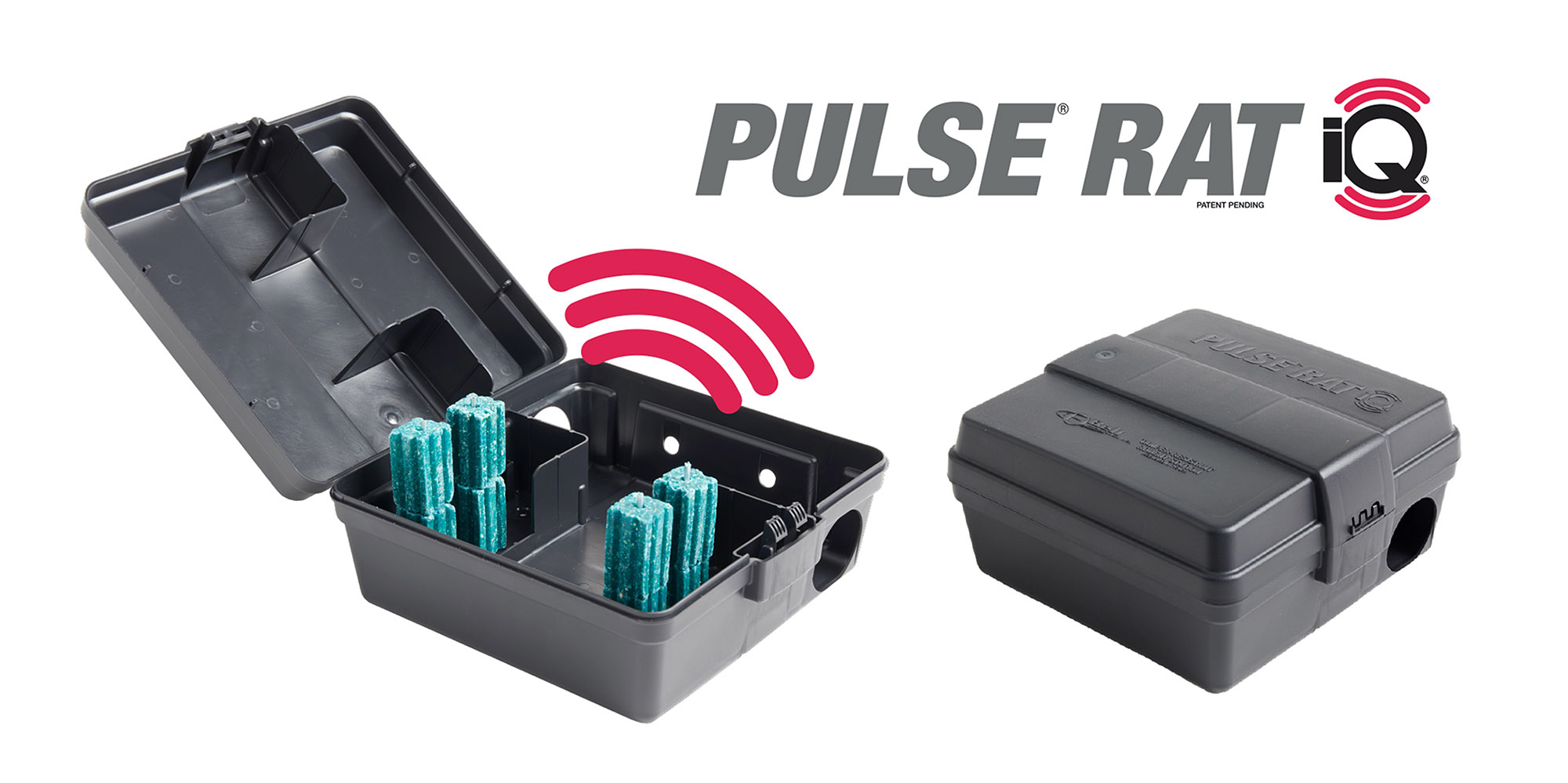 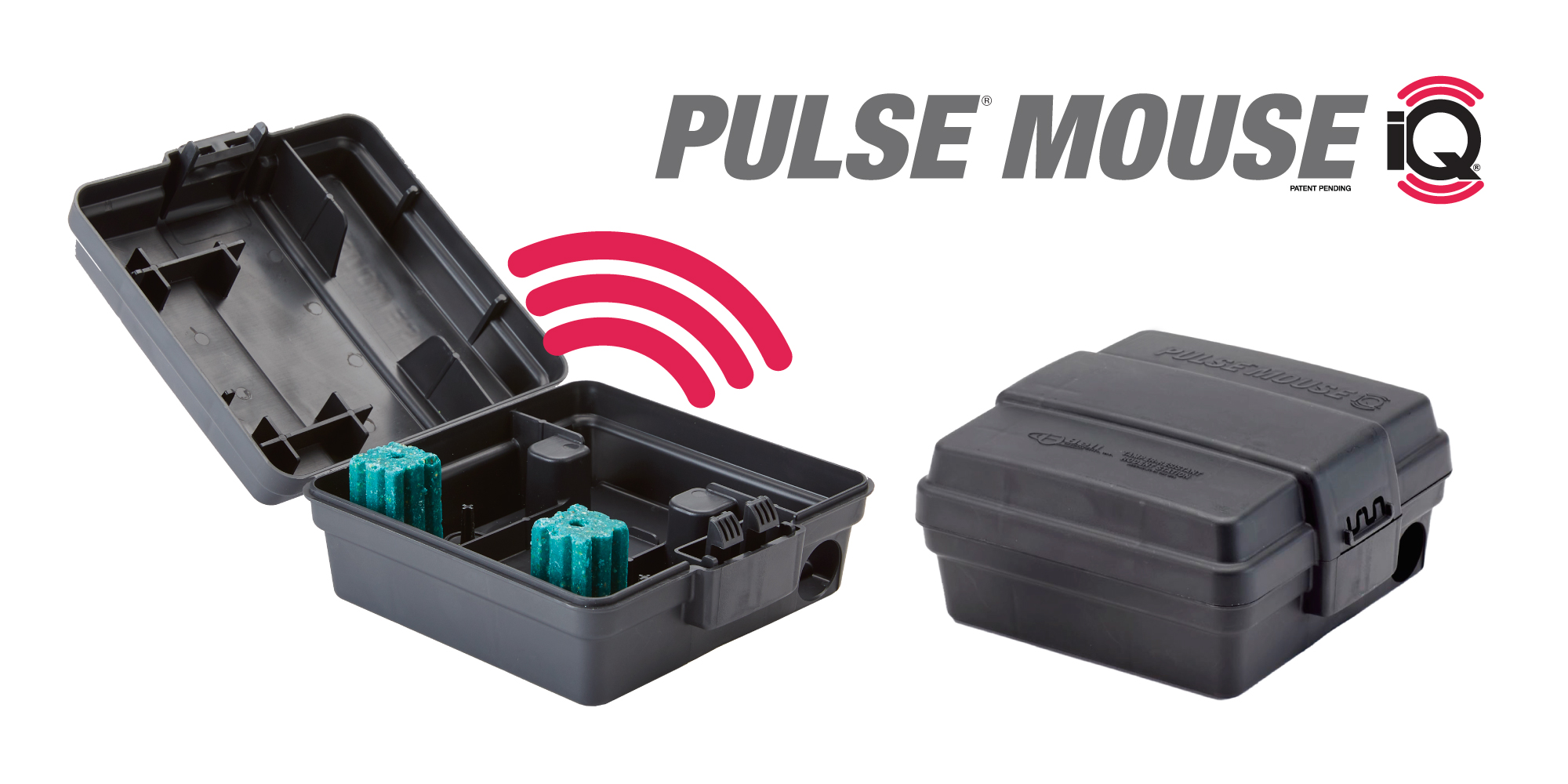 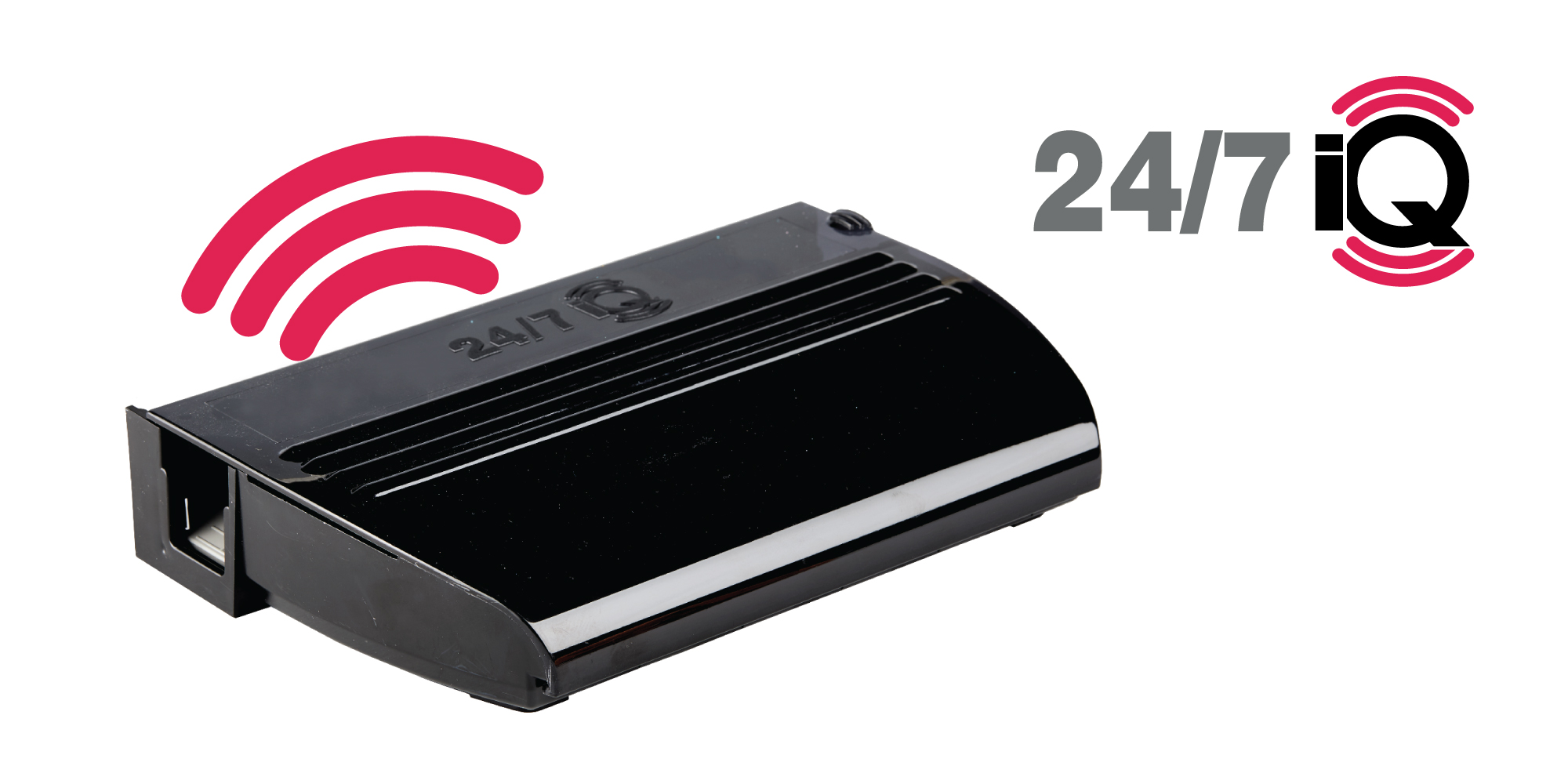 |
- Home
-
Products
- Pig Farming Equipment
- Cattle Farming Equipment
- Sheep & Goat Farming Equipment
- Poultry Farming Equipment
- Feeding & Drinking Systems
- Veterinary & Breeding Equipment
- Testing & Diagnostic Equipment
- Cleaning & Biosecurity Equipment
- Climate Control Equipment
- Livestock Weighing Equipment
- Manure & Waste Management
- Farm Transport & Handling
-
Solutions
- Pig Farm Solutions
- Dairy Farm Solutions
- Beef Cattle Farm Solutions
- Sheep & Goat Farm Solutions
- Layer Farm Solutions
- Broiler Farm Solutions
- Feeding & Drinking System Solutions
- Climate Control Solutions
- Biosecurity & Disinfection Solutions
- Manure & Waste Management
- Smart Farming Solutions
- Farm Renovation and Upgrade Solutions
- Partners
- Projects
- Resources
- News
- About Us
- Contact

Comments & Inquiries
Leave your questions or requirements below. We will reply as soon as possible.