
| Product Name | Livestock Fly Larvae Control Agent | ||||||||||||||||||||||||
| Product Image | 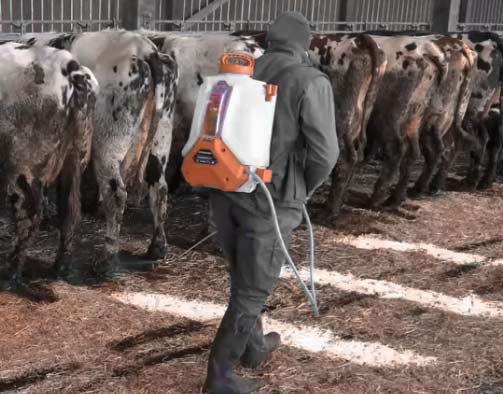 |
||||||||||||||||||||||||
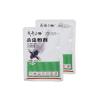
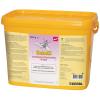
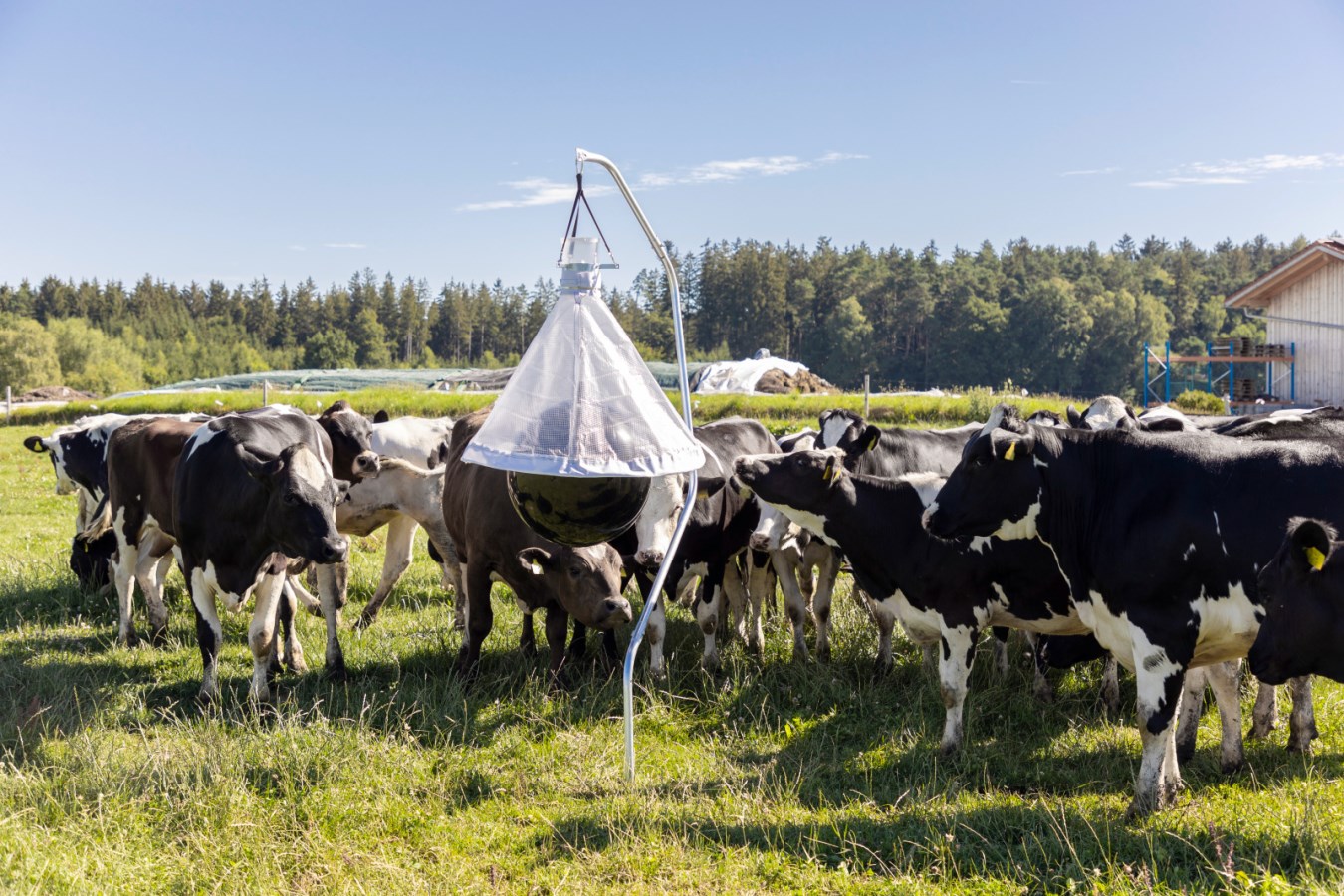
| Product Overview | The Livestock Fly Larvae Control Agent is a concentrated larvicide designed for controlling developing fly populations at their breeding sites in cattle barns, pig houses, poultry facilities and other livestock production areas. The reference formulation is a water-soluble powder containing cyromazine, an insect growth regulator that acts during the larval development stage. By interrupting normal larval development, the treatment helps reduce the number of larvae that develop into adult flies. The product is intended for application to fly-breeding areas such as manure accumulation, moist bedding, slurry crusts, areas beneath feeders and other organic material where fly larvae develop. It can form part of an integrated livestock fly-control program together with manure management, barn sanitation, physical fly traps and approved adult-fly control methods. |
||||||||||||||||||||||||
| Key Features |
|
||||||||||||||||||||||||
| Working Principle | Fly populations develop through egg, larval, pupal and adult stages. Larvicidal growth regulators are applied to breeding areas where larvae are actively developing. The active ingredient interferes with normal insect development during the larval stages, helping prevent successful progression toward the adult fly stage. Because the treatment acts primarily on developing larvae, it should not be considered a direct knock-down treatment for adult flies. For farms with significant adult-fly pressure, a complete fly-management program may also require sanitation, trapping and approved adult-fly control measures. Treatment should focus on active breeding areas rather than clean, dry surfaces where larvae are unlikely to develop. |
||||||||||||||||||||||||
| Technical Specifications |
|
||||||||||||||||||||||||
| Applications |
|
||||||||||||||||||||||||
| Application Guidelines | Identify active fly-breeding areas before treatment. Priority areas typically include moist manure, wet bedding, feed residues, slurry crusts and protected corners where organic material remains damp. Prepare the treatment solution according to the registered product label and apply evenly to the breeding area using suitable spraying or watering equipment. Avoid unnecessary application to clean, dry surfaces. Routine manure removal and good barn hygiene should continue during the treatment program. Treatment frequency should be adjusted according to fly pressure, environmental conditions and the instructions on the legally approved product label in the destination market. |
||||||||||||||||||||||||
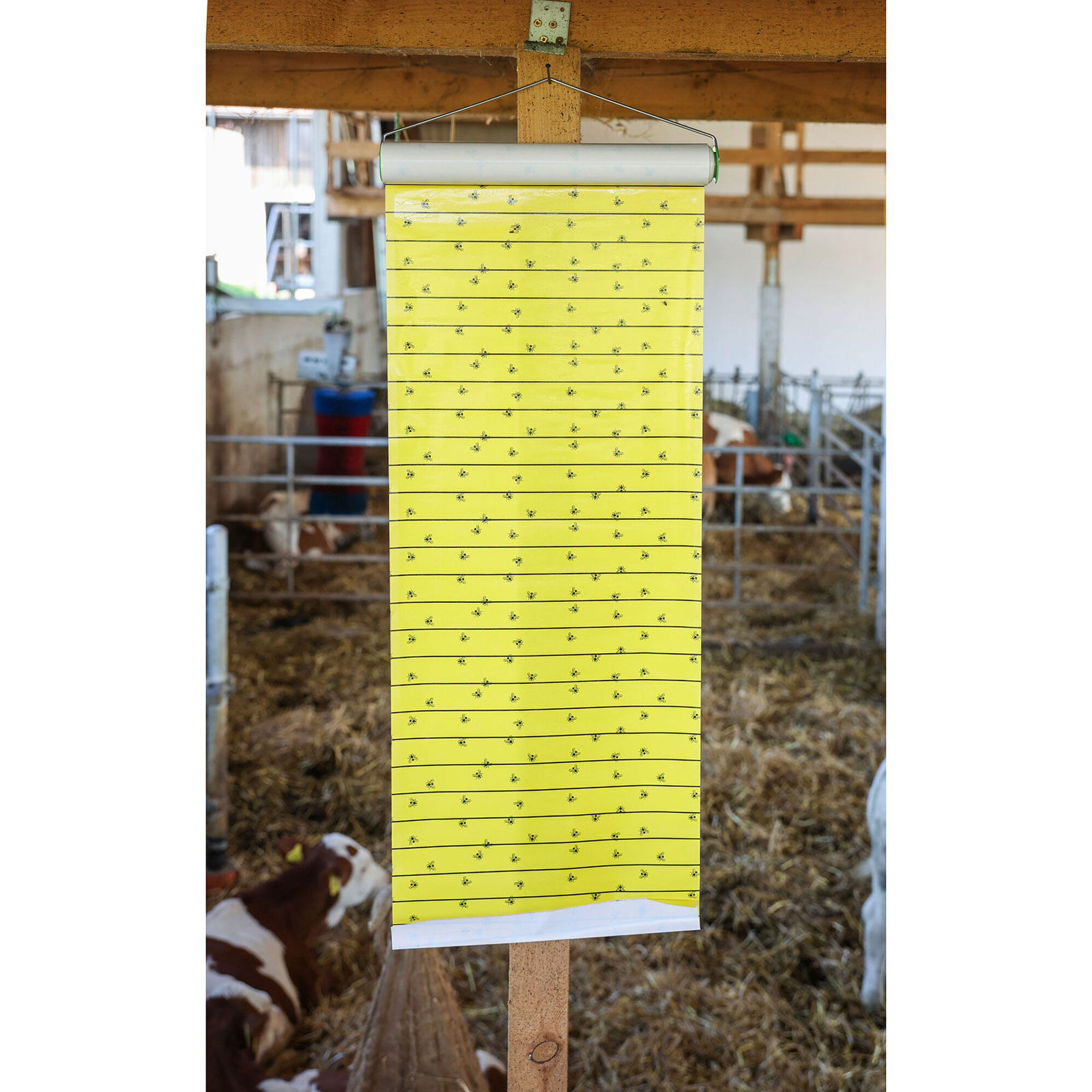
| Integrated Fly Control | Effective livestock fly management normally requires control at several stages of the fly life cycle. Larval Control: Treat active breeding sites to interrupt development before flies emerge. Sanitation: Remove manure, spilled feed and wet organic material regularly to reduce breeding opportunities. Adult Fly Control: Where permitted, combine larval treatment with appropriate traps, physical control or registered adult-fly products. Monitoring: Regularly inspect livestock buildings and manure areas to identify increasing fly pressure before populations become difficult to manage. |
||||||||||||||||||||||||
| Storage & Safety | Store the product in its original, tightly closed container in a suitable dry storage area and protect it from unauthorized access. Biocidal products must be used carefully. Always read and follow the legally approved label, safety data sheet and product information before application. Avoid contamination of feed, drinking water and watercourses. Wear the personal protective equipment specified on the product label during preparation and application. The reference cyromazine formulation is classified as very toxic to aquatic life with long-lasting effects. Prevent release to the environment and dispose of unused product and packaging according to applicable local regulations. Registration, approved uses, application rates and livestock-area restrictions vary between countries. The locally registered product label always takes precedence over general product-page information. |
||||||||||||||||||||||||
| Product FAQ | Q: Does this product kill adult flies? A: The reference cyromazine formulation is designed primarily to control fly larvae and interrupt development. Adult-fly control should be handled separately where required. Q: Where should the larvicide be applied? A: It should be targeted at active breeding areas such as moist manure, wet bedding and other organic material where larvae are developing, subject to the registered label. Q: Is it suitable for pig farms? A: Yes. The reference formulation is specified for pig, cattle and poultry housing. Q: Can it be applied with a backpack sprayer? A: Yes. The reference water-soluble powder can be diluted and applied with a backpack sprayer according to its label directions. Q: Can a watering can be used? A: Yes. A watering-can application method is also specified for the reference formulation. Q: How often should breeding areas be treated? A: The reference product specifies intervals of approximately 2–6 weeks depending on fly pressure, but the locally approved label must be followed. Q: Can larvicide replace manure management? A: No. Regular manure removal, dry bedding management and general barn sanitation remain essential parts of livestock fly control. Q: Can the formulation and packaging be customized? A: Product concentration, packaging and commercial configuration are available according to project requirements and applicable regulatory requirements. |
||||||||||||||||||||||||
| Product Gallery | 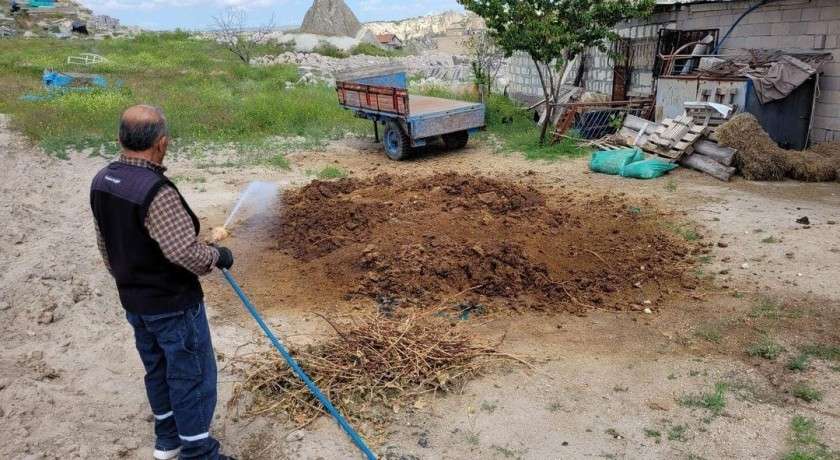 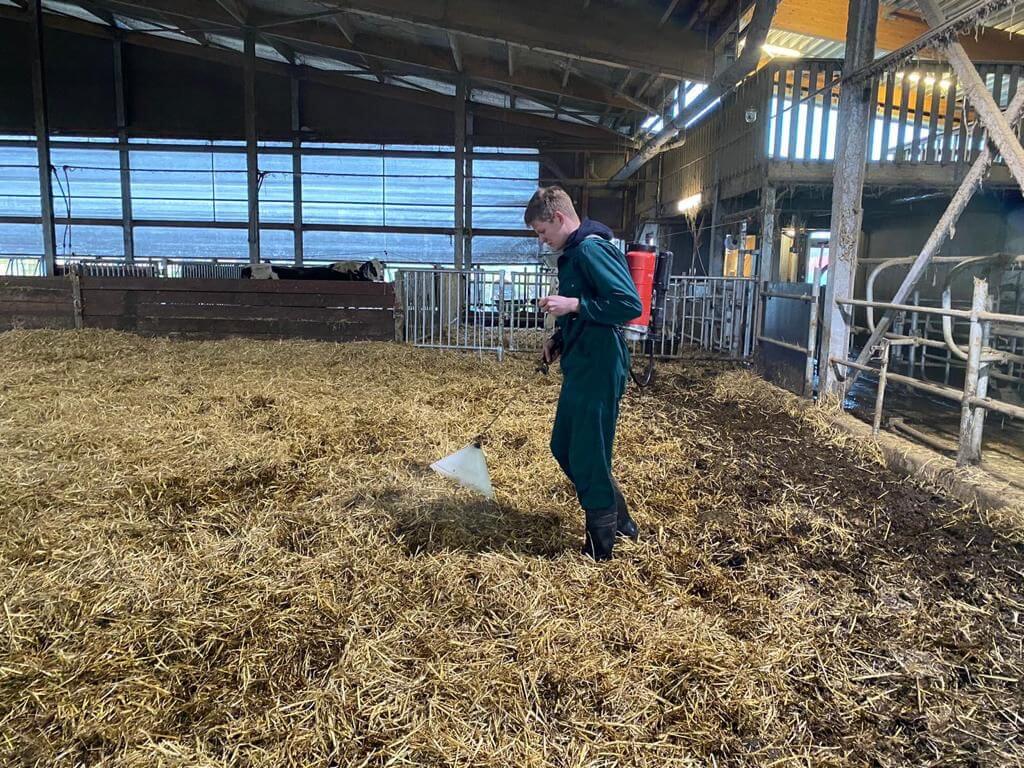 |
- Home
-
Products
- Pig Farming Equipment
- Cattle Farming Equipment
- Sheep & Goat Farming Equipment
- Poultry Farming Equipment
- Feeding & Drinking Systems
- Veterinary & Breeding Equipment
- Testing & Diagnostic Equipment
- Cleaning & Biosecurity Equipment
- Climate Control Equipment
- Livestock Weighing Equipment
- Manure & Waste Management
- Farm Transport & Handling
-
Solutions
- Pig Farm Solutions
- Dairy Farm Solutions
- Beef Cattle Farm Solutions
- Sheep & Goat Farm Solutions
- Layer Farm Solutions
- Broiler Farm Solutions
- Feeding & Drinking System Solutions
- Climate Control Solutions
- Biosecurity & Disinfection Solutions
- Manure & Waste Management
- Smart Farming Solutions
- Farm Renovation and Upgrade Solutions
- Partners
- Projects
- Resources
- News
- About Us
- Contact







Comments & Inquiries
Leave your questions or requirements below. We will reply as soon as possible.