
| Product Name | Wireless Rodent Activity Sensor | ||||||||||||||||||||||||
| Product Image | 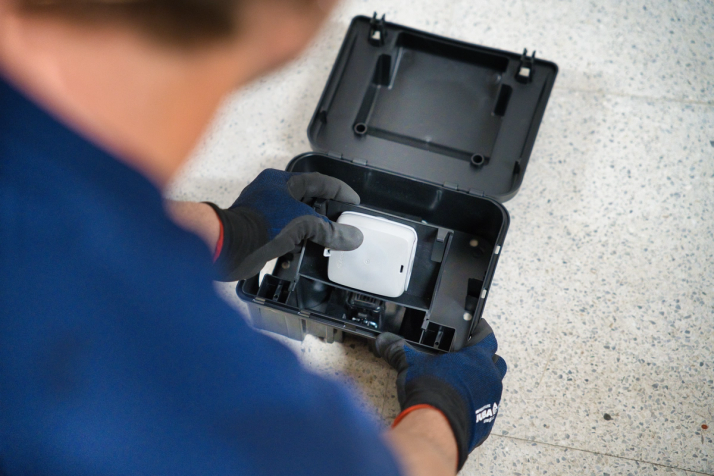 |
||||||||||||||||||||||||
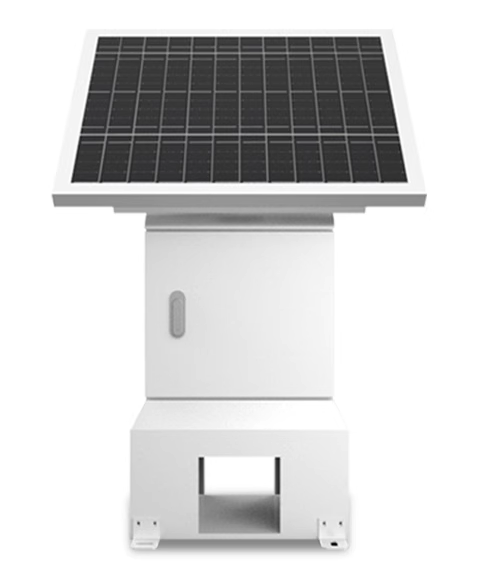
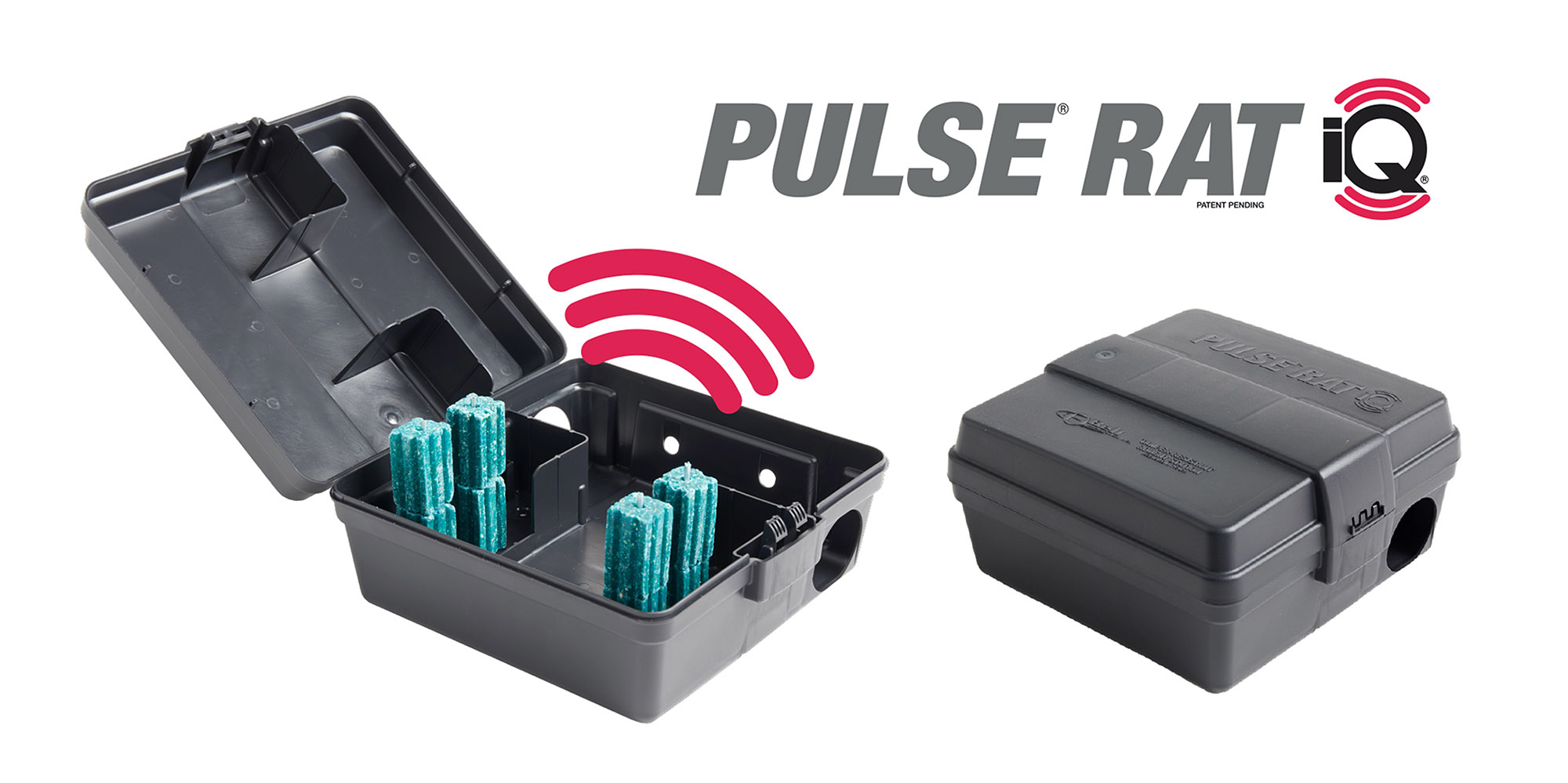
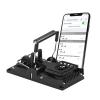
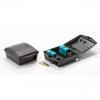
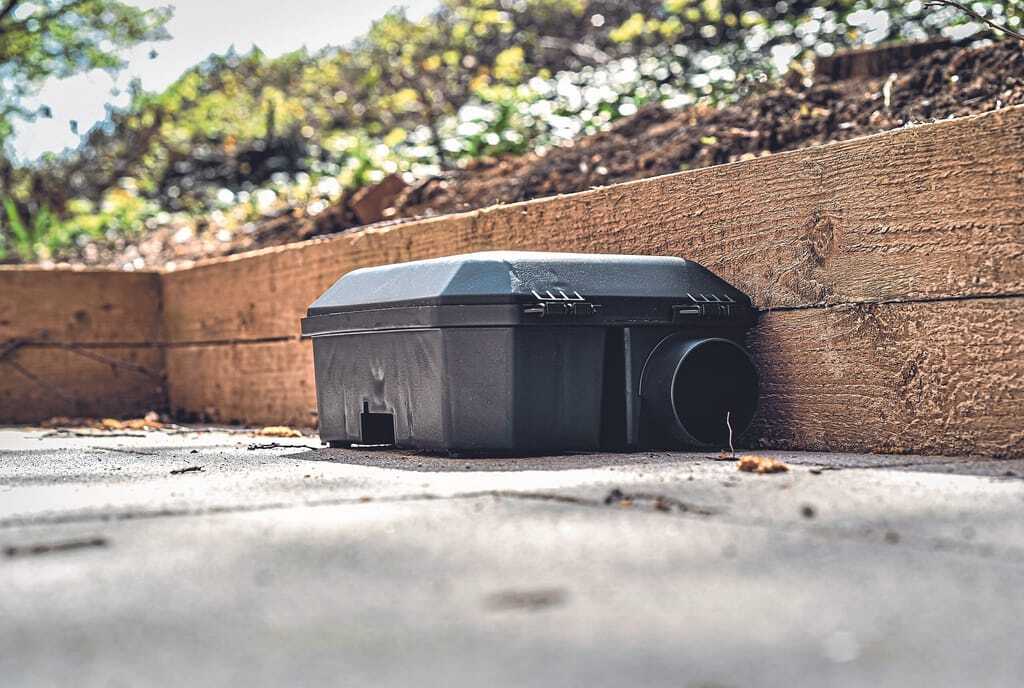
| Product Overview | The Wireless Rodent Activity Sensor is a compact digital monitoring device designed to detect rodent movement in livestock farms, feed storage areas, equipment rooms, warehouses and other locations where early pest detection is important. The sensor can be positioned in narrow spaces, wall voids, ceiling areas, cable routes, electrical cabinets, behind equipment and other locations that are difficult to inspect manually. When rodent movement is detected, activity data can be transmitted through a wireless monitoring network to a central gateway or remote reporting platform. Continuous digital monitoring helps farm operators identify rodent pressure earlier than periodic visual inspections alone. Recorded activity data can also support more targeted placement of traps and other pest-management measures. Comparable professional systems use compact movement sensors together with a network gateway to provide continuous remote monitoring and time-stamped rodent activity reporting. :contentReference[oaicite:0]{index=0} |
||||||||||||||||||||||||
| Key Features |
|
||||||||||||||||||||||||
| Structural Components |
|
||||||||||||||||||||||||
| Working Principle | The sensor is installed along suspected rodent travel routes or in locations where rodents may enter, hide or move between areas. When movement is detected within the monitored zone, the sensor records the event and sends the information through the wireless network to a gateway or reporting platform. The system can then display activity location, time and event history according to the selected monitoring configuration. Farm operators or pest-control technicians can use the accumulated activity data to identify hotspots, adjust trap locations and focus inspections on areas where rodent pressure is increasing. In comparable systems, sensors communicate through a wireless mesh network while a central gateway forwards information to the monitoring platform. :contentReference[oaicite:2]{index=2} |
||||||||||||||||||||||||
| Technical Specifications |
Comparable Anticimex Smart Eye Mini specifications include movement detection up to approximately 6.5 ft, selectable monitoring ranges and a sealed battery-powered design; final SHEWUYOU specifications should be confirmed according to the selected wireless platform. :contentReference[oaicite:3]{index=3} |
||||||||||||||||||||||||
| Applications |
|
||||||||||||||||||||||||
| Customization Options |
|
||||||||||||||||||||||||
| Installation & Maintenance | Sensors should be installed after inspecting the site for rodent entry points, travel routes, droppings, gnaw marks and other evidence of activity. Recommended monitoring locations include wall edges, utility penetrations, ceiling voids, feed-storage areas, electrical cabinets and spaces behind equipment. Sensors should be positioned so that livestock, machinery and routine cleaning operations do not cause unnecessary interference. After installation, each sensor should be connected to the monitoring network and tested for communication and detection performance. Activity records should be reviewed regularly to identify recurring hotspots. Routine maintenance includes checking battery status, cleaning the sensor housing, confirming wireless communication and repositioning devices when farm layout or rodent activity patterns change. |
||||||||||||||||||||||||
| Project Cases | Wireless rodent sensors are suitable for large livestock facilities where manual inspection alone may leave long intervals between rodent-activity checks. In commercial pig farms, sensors can be installed around feed rooms, electrical control areas, service corridors and wall penetrations. Activity data can then be used to identify high-pressure zones and improve trap placement. In feed mills and farm warehouses, sensor networks can provide continuous monitoring of storage areas and other locations where rodent contamination or cable damage would create operational risk. Digital pest-management systems are designed to combine sensors, traps, gateways and data reporting for continuous remote monitoring. :contentReference[oaicite:4]{index=4} |
||||||||||||||||||||||||
| Product FAQ | Q: Does the sensor kill rodents? A: No. This product is designed primarily to detect and report rodent activity. Traps or other approved control methods are used separately where required. Q: Can it monitor continuously? A: Yes. Wireless rodent-monitoring systems are designed for continuous activity detection and remote reporting. Q: Can the sensor be installed in narrow spaces? A: Yes. Compact sensors are particularly suitable for ceiling voids, wall cavities, cable routes and other difficult-access locations. Q: Is it suitable for livestock farms? A: Yes. The system can be used in feed rooms, warehouses, equipment rooms, service corridors and other rodent-prone areas within pig, poultry and cattle facilities. Q: Does the sensor require farm Wi-Fi? A: Not necessarily. Comparable professional systems use their own wireless mesh network and a separate gateway rather than relying directly on local Wi-Fi. :contentReference[oaicite:5]{index=5} Q: Can several sensors be connected to one system? A: Yes. Multiple sensors can be connected through a common monitoring network according to the selected system architecture. Q: Can activity data be recorded? A: Yes. Professional monitoring systems can record detection events, including event timing, for later analysis. :contentReference[oaicite:6]{index=6} Q: Can the sensor be used in humid or dusty areas? A: Sealed, IP-rated configurations are available for damp, dusty and humid environments. :contentReference[oaicite:7]{index=7} |
||||||||||||||||||||||||
| Product Gallery | |
- Home
-
Products
- Pig Farming Equipment
- Cattle Farming Equipment
- Sheep & Goat Farming Equipment
- Poultry Farming Equipment
- Feeding & Drinking Systems
- Veterinary & Breeding Equipment
- Testing & Diagnostic Equipment
- Cleaning & Biosecurity Equipment
- Climate Control Equipment
- Livestock Weighing Equipment
- Manure & Waste Management
- Farm Transport & Handling
-
Solutions
- Pig Farm Solutions
- Dairy Farm Solutions
- Beef Cattle Farm Solutions
- Sheep & Goat Farm Solutions
- Layer Farm Solutions
- Broiler Farm Solutions
- Feeding & Drinking System Solutions
- Climate Control Solutions
- Biosecurity & Disinfection Solutions
- Manure & Waste Management
- Smart Farming Solutions
- Farm Renovation and Upgrade Solutions
- Partners
- Projects
- Resources
- News
- About Us
- Contact


Comments & Inquiries
Leave your questions or requirements below. We will reply as soon as possible.