
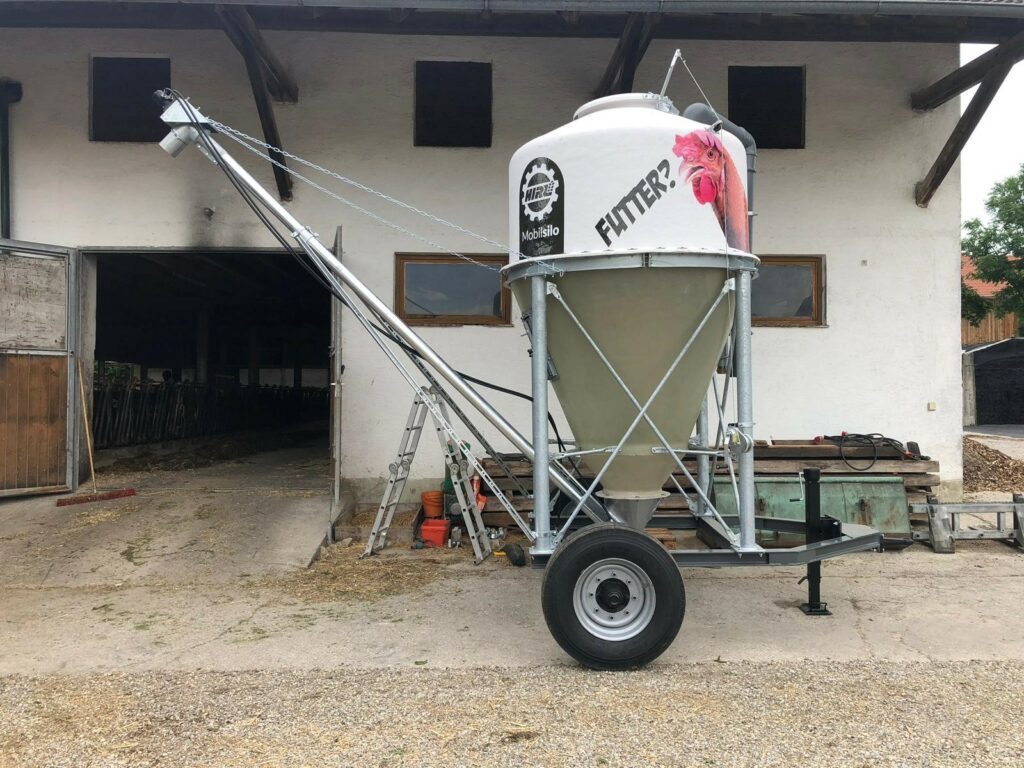
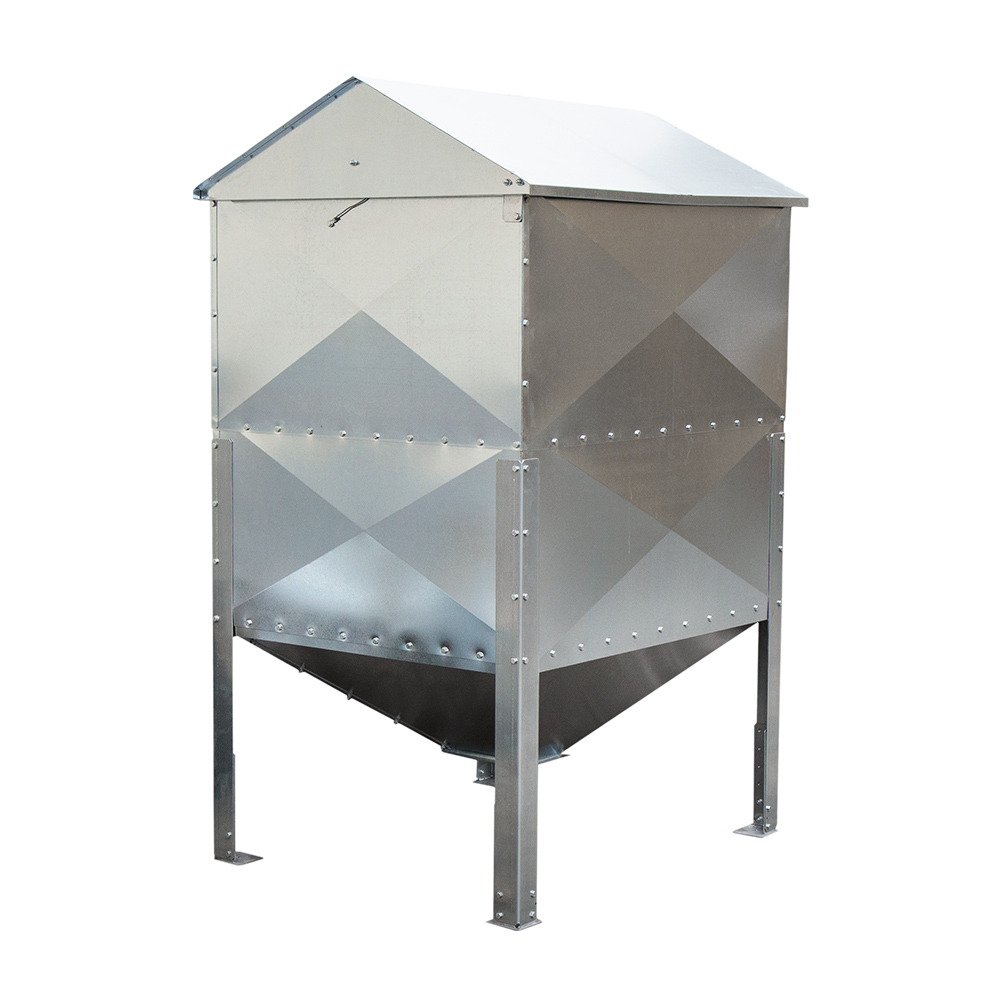
| Product Name | Feed Silo Anti-Bridging Discharge Aid | ||||||||||||||||||||||||
| Product Image | 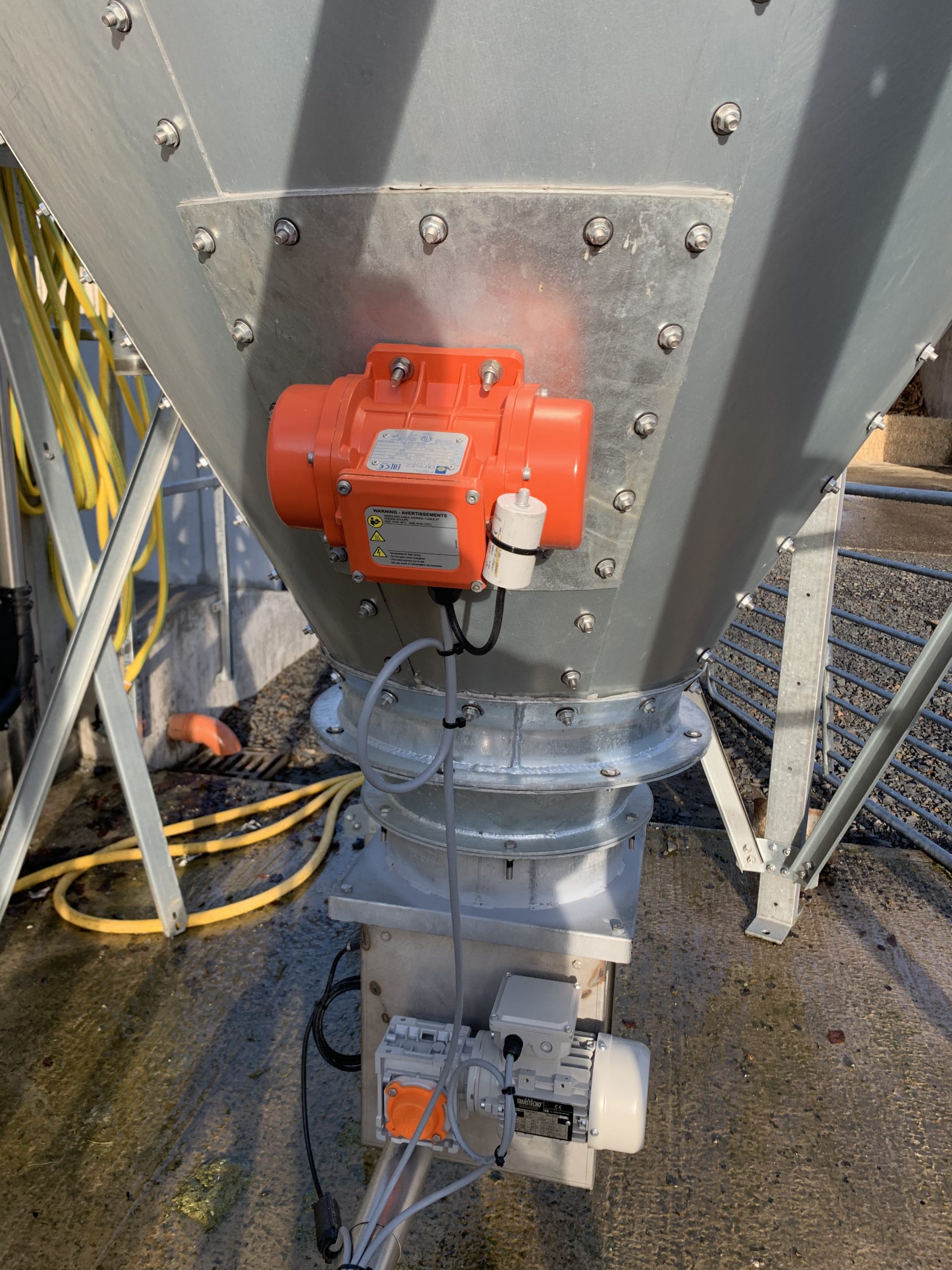 |
||||||||||||||||||||||||
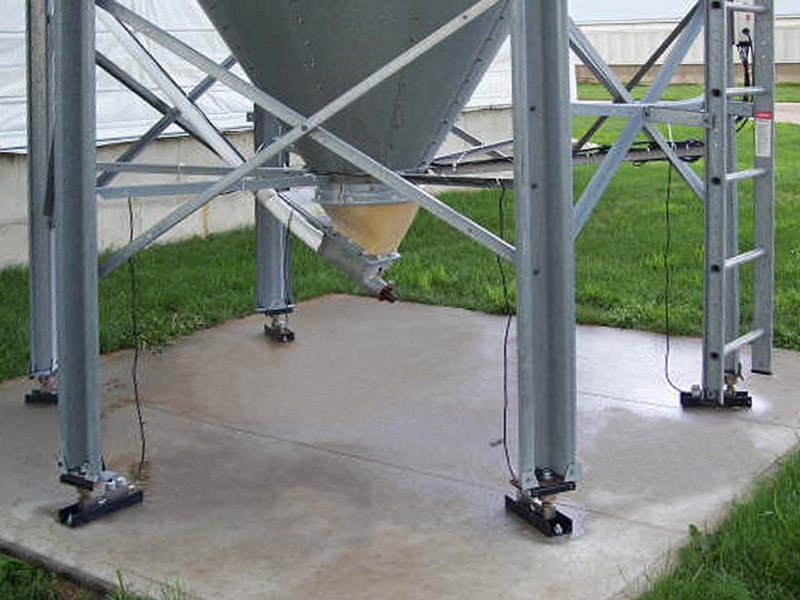
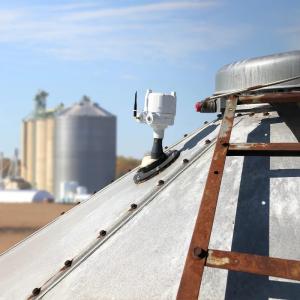
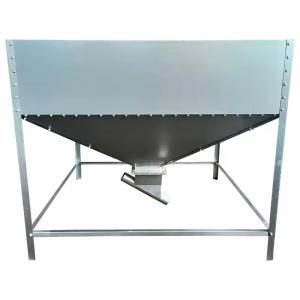
| Product Overview | The Feed Silo Anti-Bridging Discharge Aid is designed to improve the reliable discharge of meal, pellets, crumbs and other livestock feed materials from bulk storage silos. It helps reduce common flow problems such as bridging, rat-holing and material accumulation around the silo cone and discharge outlet. Depending on the project configuration, the system can use controlled vibration, mechanical agitation or an internal flow-assisting component to encourage stored feed to move toward the outlet. The discharge aid can operate together with augers, flexible spirals, conveyor chains and other automatic feed transport systems. It is suitable for poultry farms, pig farms, livestock breeding facilities, feed storage installations and integrated farm construction projects where consistent feed supply is important for automatic feeding operation. |
||||||||||||||||||||||||
| Key Features |
|
||||||||||||||||||||||||
| Structural Components |
|
||||||||||||||||||||||||
| Working Principle | During silo discharge, feed naturally moves downward toward the outlet. Certain feed formulations, moisture conditions or fine particle structures can cause material to form a stable bridge above the outlet or create a narrow flow channel through the center of the stored feed. The anti-bridging discharge aid introduces controlled mechanical movement at or near the lower silo cone. Depending on the selected design, this movement can disturb compacted feed, redirect material toward the outlet or keep the feed mass moving while the downstream conveyor operates. For automatic feeding installations, the discharge aid can be electrically interlocked with the auger or conveyor so that it operates only when feed transport is required. This helps maintain a more consistent supply to the livestock house while avoiding unnecessary continuous operation. |
||||||||||||||||||||||||
| Technical Specifications |
|
||||||||||||||||||||||||
| Feed Flow Management | Feed bridging can occur when particles lock together above the discharge opening and prevent material from moving into the conveying system. Rat-holing occurs when only a narrow central channel empties while feed remains around the silo walls. An appropriately selected discharge aid helps keep material moving across a larger portion of the silo outlet area. This can support more consistent first-in, first-out feed movement and reduce interruptions caused by empty feed lines while usable feed remains inside the silo. The correct anti-bridging method should be selected according to feed formulation, particle size, moisture content, silo geometry, outlet design and downstream conveying equipment. |
||||||||||||||||||||||||
| Applications |
|
||||||||||||||||||||||||
| Customization Options | The Feed Silo Anti-Bridging Discharge Aid can be configured according to silo capacity, cone geometry, feed type, outlet size and downstream conveying system. Available options may include vibration type, mechanical agitator configuration, mounting bracket, control box, operating sequence, motor specification and connection with flexible augers or other feed transport equipment. For complete livestock equipment projects, the discharge system can be designed according to local climate and farm conditions, daily feed consumption, required storage time and poultry or pig house layout. |
||||||||||||||||||||||||
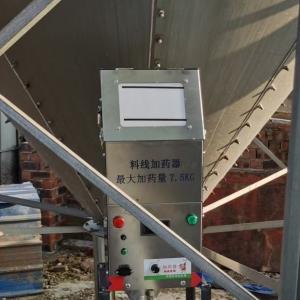
| Installation & Maintenance | Before installation, confirm the silo construction, cone angle, outlet dimensions, boot configuration and downstream auger or conveyor arrangement. The selected mounting position should transfer the required mechanical action without interfering with structural supports or discharge equipment. Electric discharge aids should be wired according to local electrical standards and, where required, interlocked with the feed transport motor so that the unit operates only during feed demand. Routine maintenance includes inspection of mounting bolts, electrical cables, brackets, motor condition, bearings and moving parts. Fasteners should be checked periodically because repetitive mechanical movement can loosen improperly secured components. The silo outlet and transition should also be inspected for accumulated feed, corrosion, moisture ingress and foreign material that may restrict normal discharge. |
||||||||||||||||||||||||
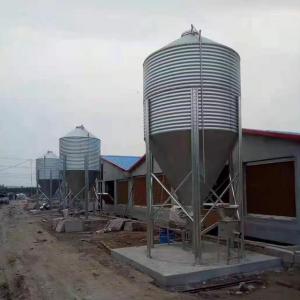
| Project Cases | In commercial poultry and pig farms, anti-bridging devices can be installed between the bulk feed storage silo and the automatic feed transport line to reduce interruptions caused by poor material flow. For farms using multiple outdoor silos, each discharge aid can be coordinated with the corresponding auger or spiral conveyor. When that feed line starts, the discharge aid operates according to the selected control logic to support continuous movement from storage into the livestock building. For retrofit projects, mounting and control components can be adapted to compatible existing galvanized or GRP silos without replacing the complete feed storage system. |
||||||||||||||||||||||||
| Product FAQ | Q: What problem does a feed silo anti-bridging aid solve? A: It helps reduce bridging, rat-holing and uneven feed discharge that can interrupt automatic feed delivery even when feed remains inside the silo. Q: Can it be used with poultry feed silos? A: Yes. It is suitable for commercial poultry, pig and other livestock feed storage systems when the silo and outlet configuration are compatible. Q: Can it operate automatically with the feed auger? A: Yes. Electric or mechanically driven configurations can be coordinated with the downstream feed transport system so agitation occurs during feed delivery. Q: Is a vibrator the only anti-bridging solution? A: No. Depending on feed characteristics and silo design, anti-bridging systems can use vibration, rotating agitators, movable internal cones or other flow-assisting mechanisms. Q: Can it be installed on an existing silo? A: Retrofit installation is available for compatible silo cones, hopper collars and discharge boots after the existing dimensions and structure have been confirmed. Q: Can the system handle meal and pelleted feed? A: Suitable configurations can be selected for meal, pellets, crumbs and other livestock feeds. Final selection should consider particle characteristics and flow behavior. Q: What information is required for quotation? A: Recommended information includes silo type, capacity, cone dimensions, outlet size, feed type, downstream conveyor type, local electrical supply and photos or drawings of the existing discharge assembly. |
||||||||||||||||||||||||
| Product Gallery | 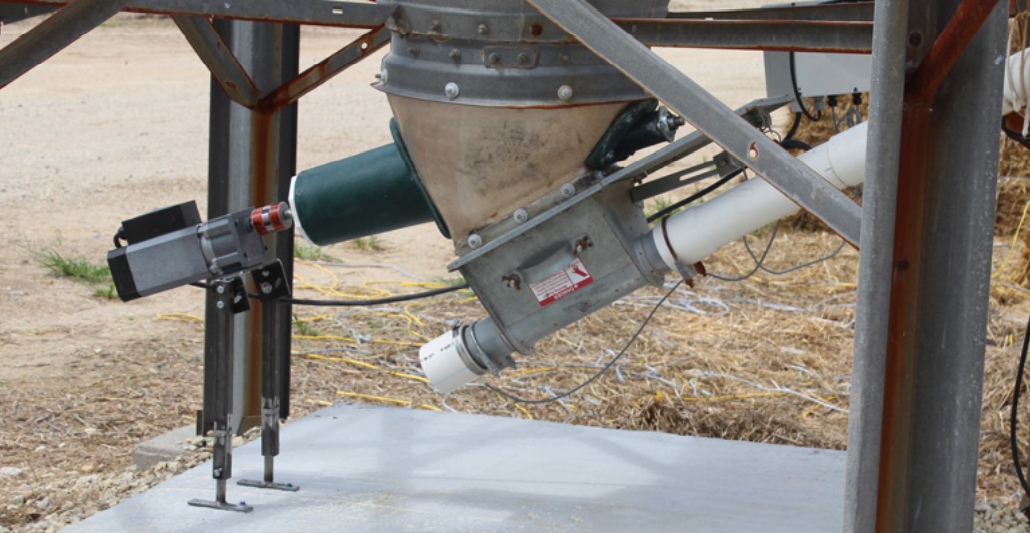  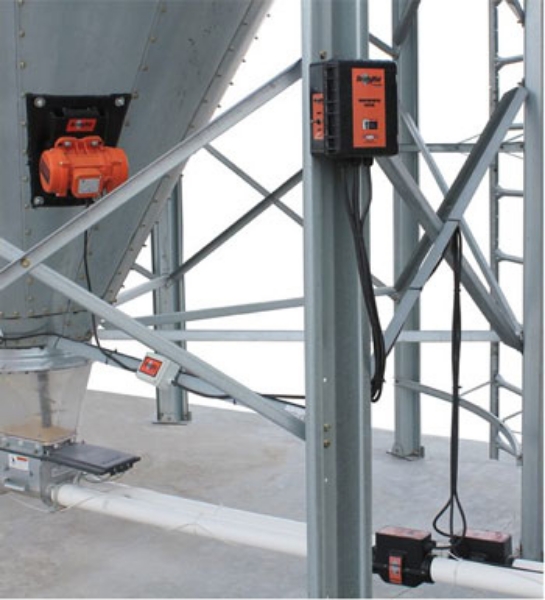 |
- Home
-
Products
- Pig Farming Equipment
- Cattle Farming Equipment
- Sheep & Goat Farming Equipment
- Poultry Farming Equipment
- Feeding & Drinking Systems
- Veterinary & Breeding Equipment
- Testing & Diagnostic Equipment
- Cleaning & Biosecurity Equipment
- Climate Control Equipment
- Livestock Weighing Equipment
- Manure & Waste Management
- Farm Transport & Handling
-
Solutions
- Pig Farm Solutions
- Dairy Farm Solutions
- Beef Cattle Farm Solutions
- Sheep & Goat Farm Solutions
- Layer Farm Solutions
- Broiler Farm Solutions
- Feeding & Drinking System Solutions
- Climate Control Solutions
- Biosecurity & Disinfection Solutions
- Manure & Waste Management
- Smart Farming Solutions
- Farm Renovation and Upgrade Solutions
- Partners
- Projects
- Resources
- News
- About Us
- Contact
Comments & Inquiries
Leave your questions or requirements below. We will reply as soon as possible.