
| Product Name | Feed Silo Discharge Boot | ||||||||||||||||||||||
| Product Image |  |
||||||||||||||||||||||
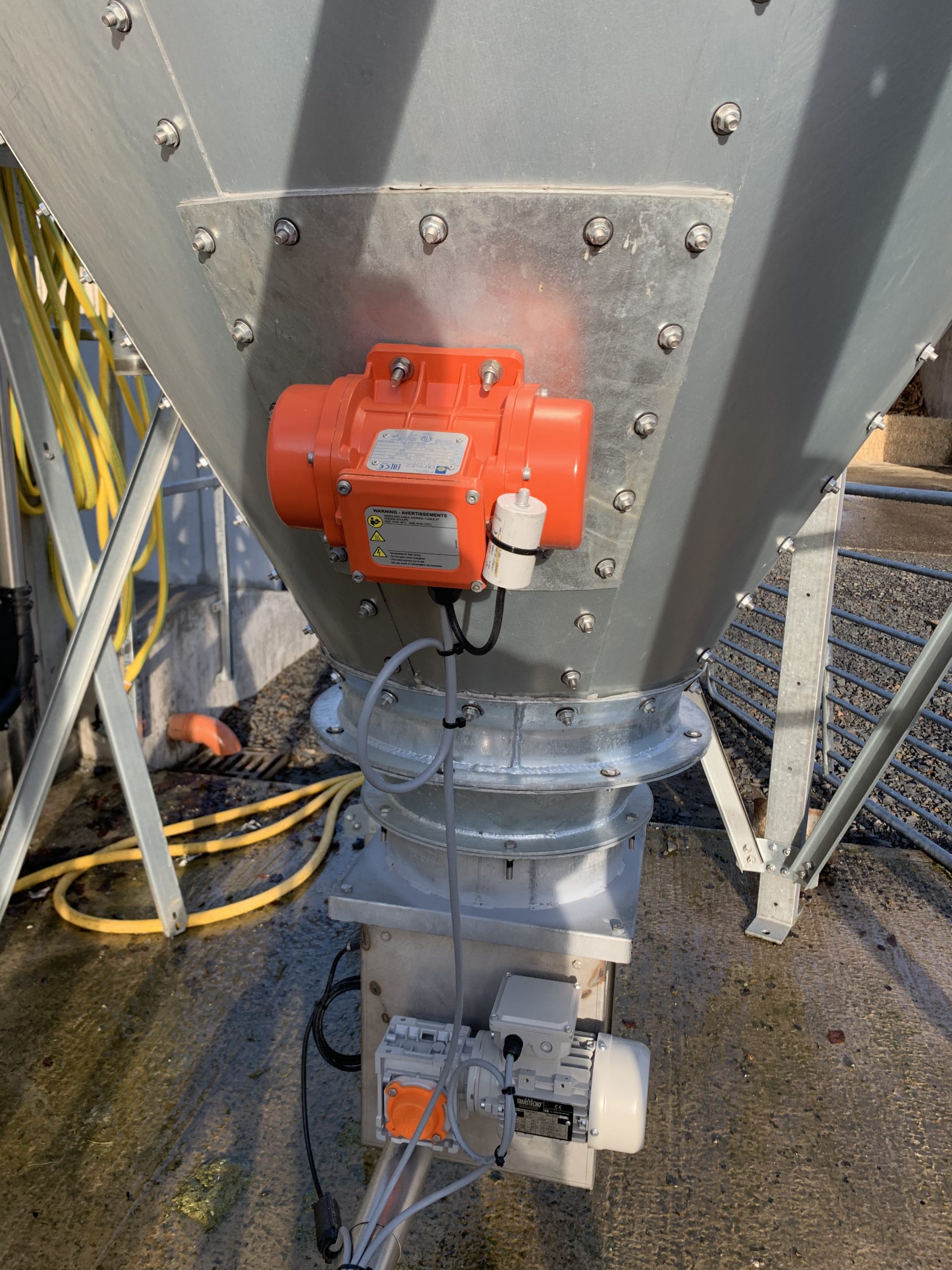
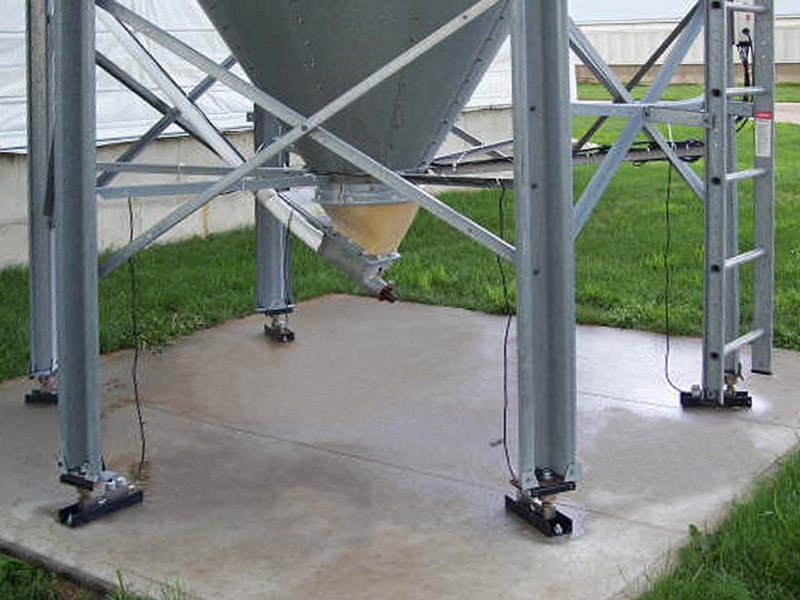
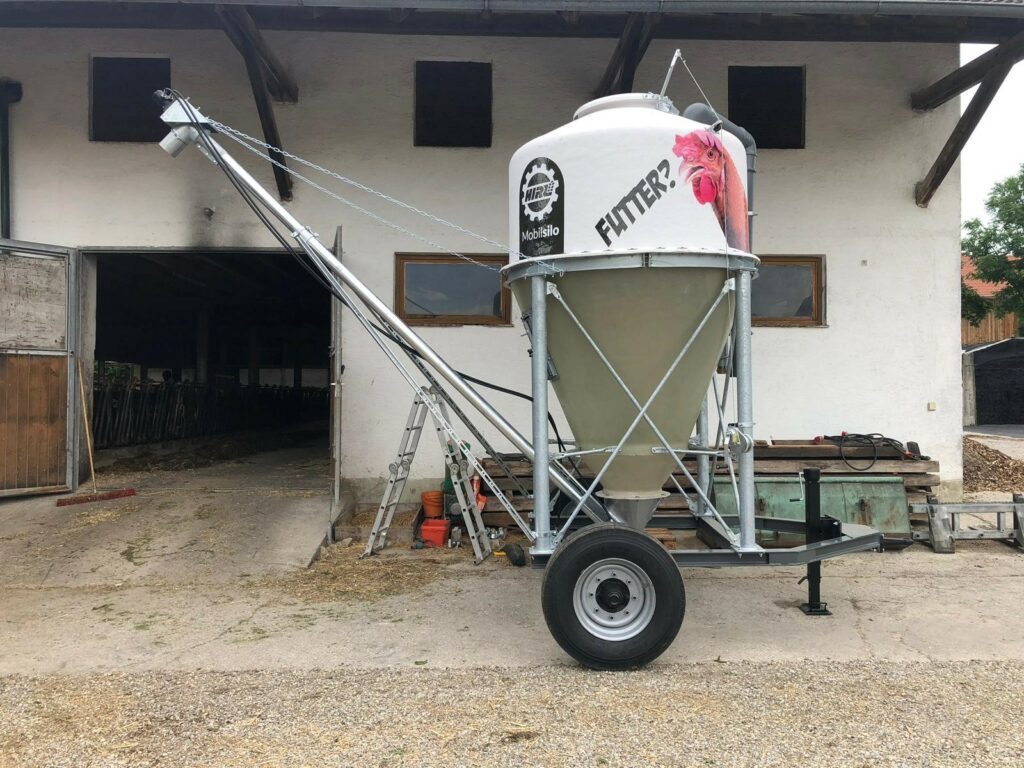
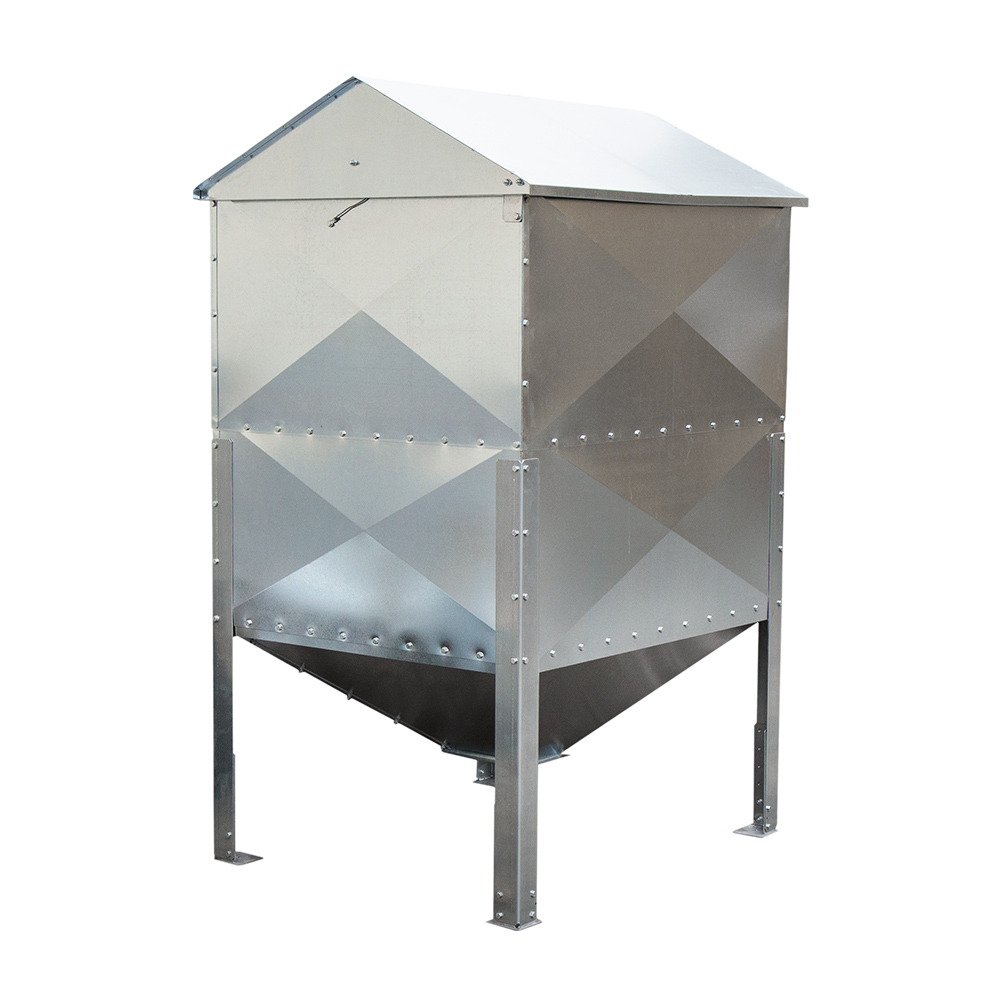
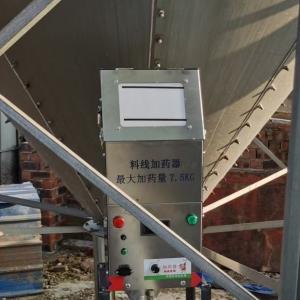
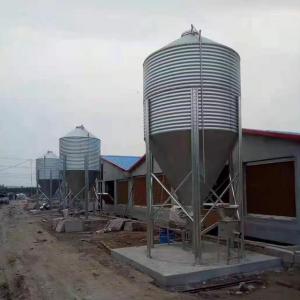
| Product Overview | The Feed Silo Discharge Boot is a key transition component installed beneath a hopper-bottom feed silo or bulk feed bin. It connects the silo outlet to an auger, flexible feed line, rigid conveying system or other feed delivery equipment while guiding material smoothly from storage into the conveying line. A properly designed discharge boot helps reduce feed accumulation, improves clean-out and provides a stable mechanical connection between the silo and downstream feeding equipment. Angled, straight-out, single-outlet and twin-outlet configurations can be selected according to the feed system layout. The component is suitable for poultry farms, pig farms, livestock buildings, feed storage projects and integrated steel structure farm facilities using automatic feed conveying systems. |
||||||||||||||||||||||
| Key Features |
|
||||||||||||||||||||||
| Structural Components |
|
||||||||||||||||||||||
| Working Principle | Feed stored in the silo moves downward through the hopper by gravity and enters the discharge boot at the bottom outlet. The boot changes the flow direction and guides the feed toward the auger or feed conveying line. When the conveying system operates, the auger removes feed from the boot and transfers it toward poultry feeders, pig feeding lines, intermediate bins or other downstream equipment. A slide valve can be closed when the feed line needs servicing, allowing the silo outlet to be isolated without emptying the complete storage bin. Proper alignment between the boot and auger is important for reliable flow and reduced mechanical stress. |
||||||||||||||||||||||
| Technical Specifications |
|
||||||||||||||||||||||
| Applications |
|
||||||||||||||||||||||
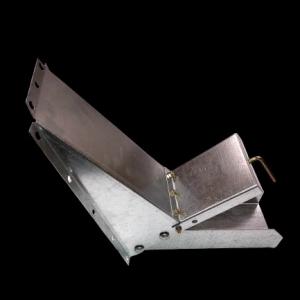
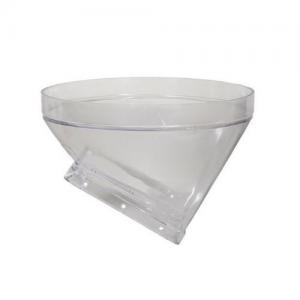
| Customization Options | The Feed Silo Discharge Boot can be selected or customized according to silo outlet diameter, hopper angle, auger diameter, conveying direction and the number of feed lines supplied from one silo. Available configurations may include straight-out boots, angled boots, translucent polymer transitions, galvanized steel transitions, single outlets, twin outlets, slide valves and adjustable auger couplings. Final dimensions and connection details should be confirmed according to project requirements and coordinated with the complete livestock feed storage and delivery system. |
||||||||||||||||||||||
| Installation & Maintenance | Before installation, confirm the silo outlet diameter, boot orientation, auger size and required conveying angle. The boot should be aligned carefully with the feed bin collar and auger inlet to prevent unnecessary stress, leakage or restricted feed flow. All mounting bolts and clamps should be tightened evenly. Where a slide shut-off valve is included, verify that it moves freely and can completely isolate feed flow before commissioning. Routine maintenance includes checking mounting hardware, seals, polymer surfaces, galvanized components, slide valves, bearings and auger connections. Feed accumulation should be removed regularly to maintain hygiene and reduce the risk of bridging, contamination or deterioration. |
||||||||||||||||||||||
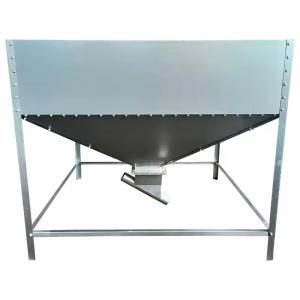
| Project Cases | In commercial poultry and pig farm projects, the discharge boot is normally installed beneath an outdoor bulk feed silo and connected directly to a flexible or rigid auger feeding line. Single-outlet configurations are suitable where one silo serves one main feed line, while twin-outlet boots can support two conveying systems from the same storage bin. Straight-out or angled configurations can be selected according to available space, feed house layout and steel structure building arrangement. |
||||||||||||||||||||||
| Product FAQ | Q: What is a feed silo discharge boot used for? A: It forms the transition between the bottom outlet of a feed silo and the auger or conveying system that delivers feed to the livestock house. Q: Can the boot connect to an automatic feed auger? A: Yes. Feed bin boots are commonly designed to connect directly with flexible or rigid auger delivery systems. Q: What is the advantage of a translucent boot? A: A translucent transition allows operators to visually inspect whether feed is present and moving through the discharge area. Q: Are different outlet angles available? A: Yes. Straight-out and angled configurations are available, with 30° being a common reference design. Q: Can one silo feed two auger lines? A: Yes. Twin-outlet boot systems can be configured when one feed silo must supply two downstream conveying lines. Q: Is a shut-off valve available? A: Yes. Slide shut-off valves can be integrated to isolate the silo during maintenance or system servicing. Q: What information is required for quotation? A: Recommended information includes silo outlet diameter, auger diameter, required outlet angle, number of feed lines, preferred material and installation layout. |
||||||||||||||||||||||
| Product Gallery |   |
- Home
-
Products
- Pig Farming Equipment
- Cattle Farming Equipment
- Sheep & Goat Farming Equipment
- Poultry Farming Equipment
- Feeding & Drinking Systems
- Veterinary & Breeding Equipment
- Testing & Diagnostic Equipment
- Cleaning & Biosecurity Equipment
- Climate Control Equipment
- Livestock Weighing Equipment
- Manure & Waste Management
- Farm Transport & Handling
-
Solutions
- Pig Farm Solutions
- Dairy Farm Solutions
- Beef Cattle Farm Solutions
- Sheep & Goat Farm Solutions
- Layer Farm Solutions
- Broiler Farm Solutions
- Feeding & Drinking System Solutions
- Climate Control Solutions
- Biosecurity & Disinfection Solutions
- Manure & Waste Management
- Smart Farming Solutions
- Farm Renovation and Upgrade Solutions
- Partners
- Projects
- Resources
- News
- About Us
- Contact
Comments & Inquiries
Leave your questions or requirements below. We will reply as soon as possible.