Global Livestock Equipment Manufacturer & Supplier
SHEWUYOU · Livestock Equipment
Integrated Equipment Solutions for Pig, Cattle & Poultry Farms

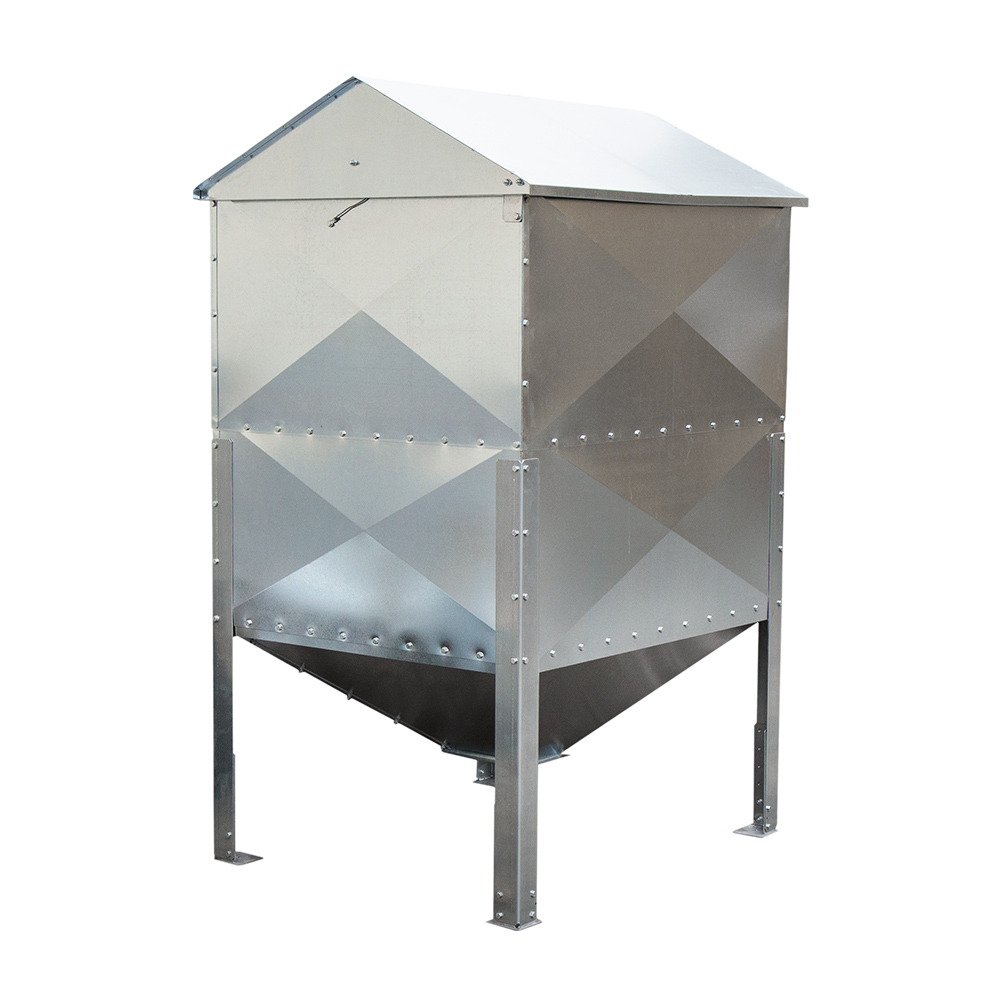
Hot-Dip Galvanized Feed Silo | Bulk Feed Storage Bin

Product Showcase Content
Product Name Hot-Dip Galvanized Bulk Feed Silo
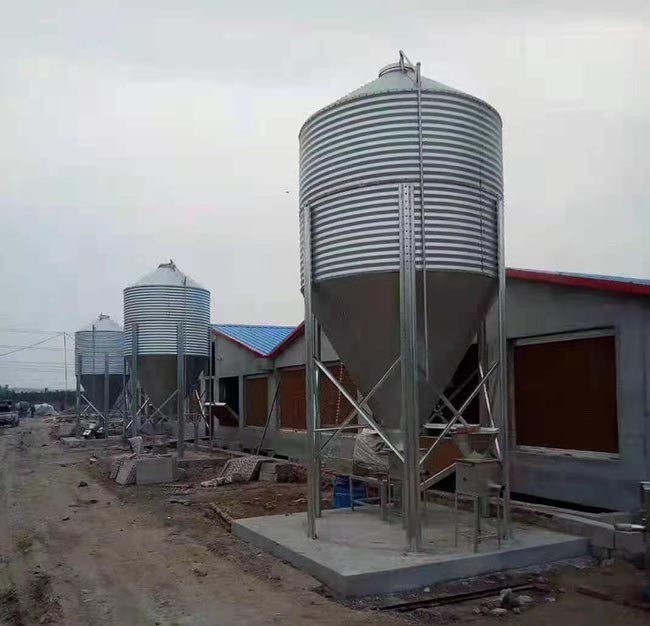
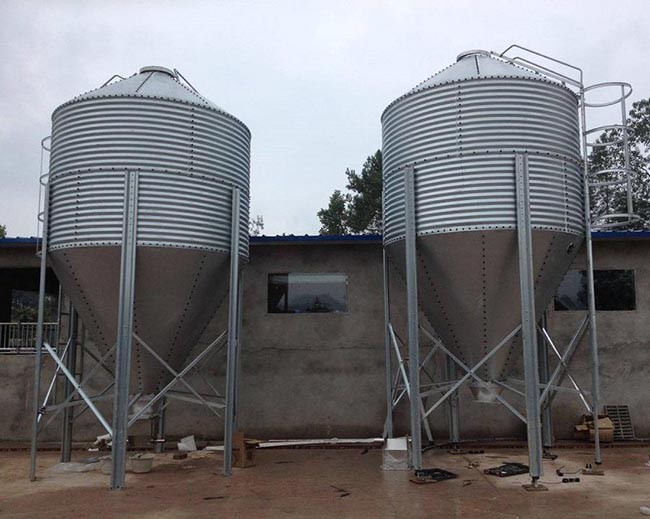
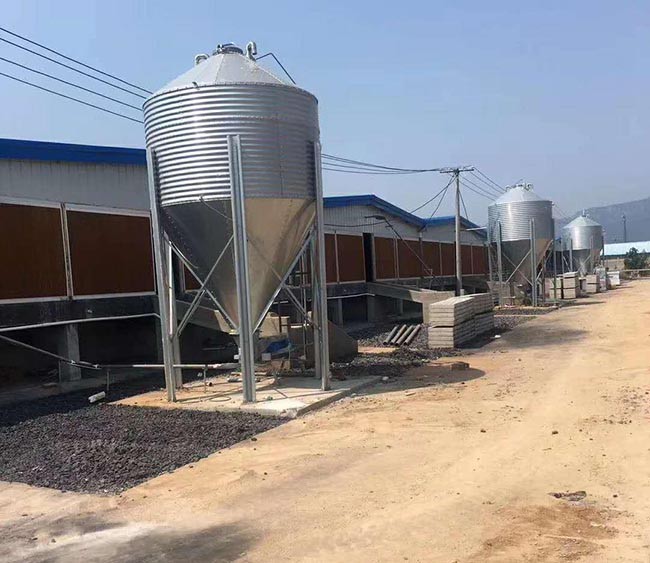
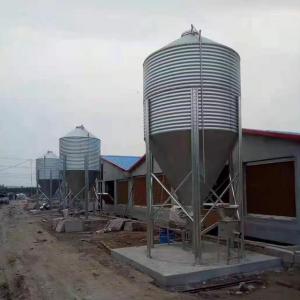
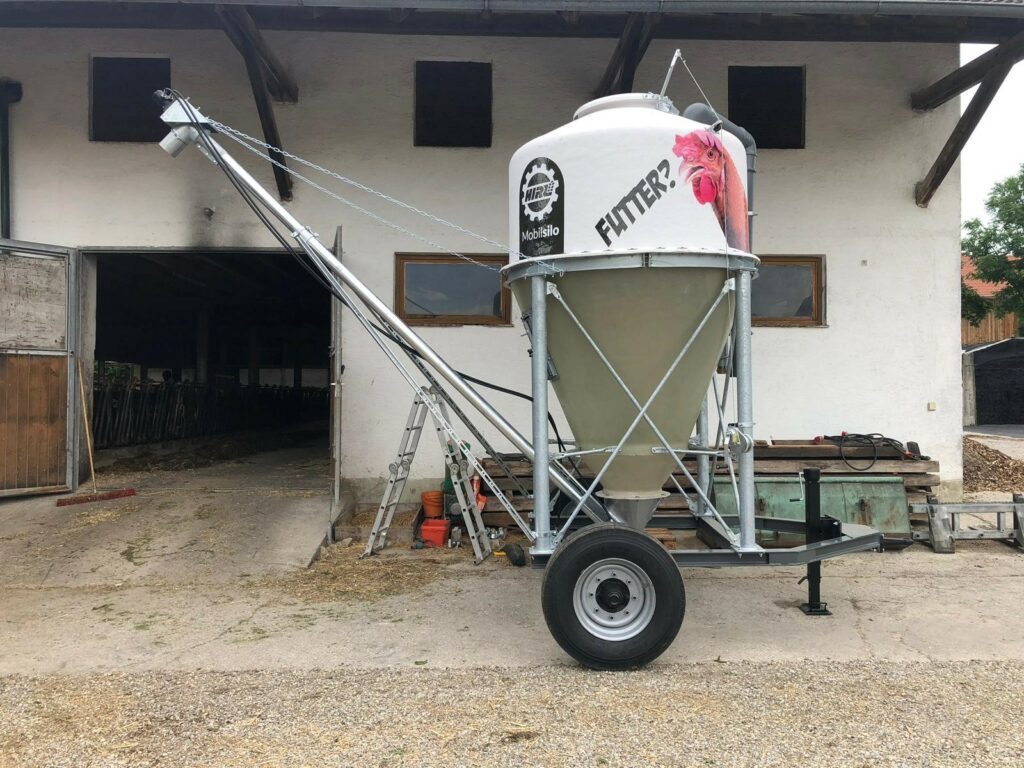
Product Image Hot-Dip Galvanized Bulk Feed Silo for Livestock Farms
Product Overview The Hot-Dip Galvanized Bulk Feed Silo is designed for safe and efficient storage of dry livestock and poultry feed in commercial farms. The silo body is manufactured from corrosion-resistant galvanized steel or aluminum-zinc coated steel sheets and assembled into a strong weather-resistant structure suitable for outdoor installation.

Precision CNC manufacturing helps maintain accurate component dimensions and reliable on-site assembly. The cylindrical silo body, weather-protected roof and optimized conical hopper work together to protect feed from rain and environmental contamination while promoting smooth discharge. The silo can be connected directly to auger, spiral or other automatic feed conveying systems for centralized feeding.
Product Gallery
  • Galvanized corrugated silo body
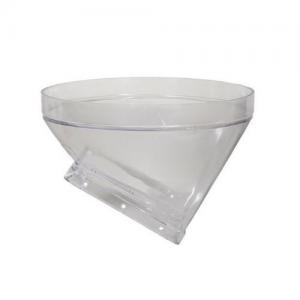
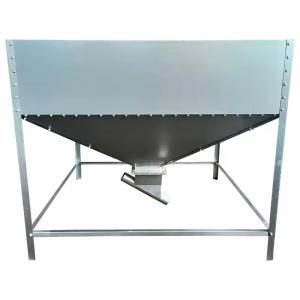
  • Conical feed discharge hopper
  • Weather-resistant silo roof
  • Galvanized supporting legs and braces
  • External access ladder
  • Pneumatic or mechanical filling pipe
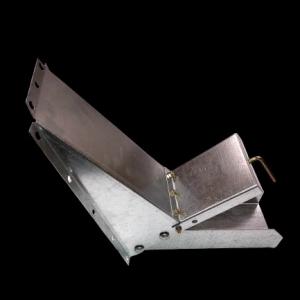
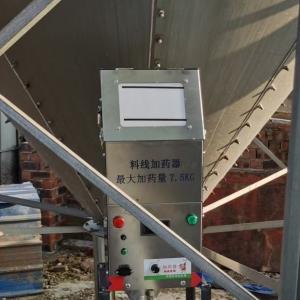
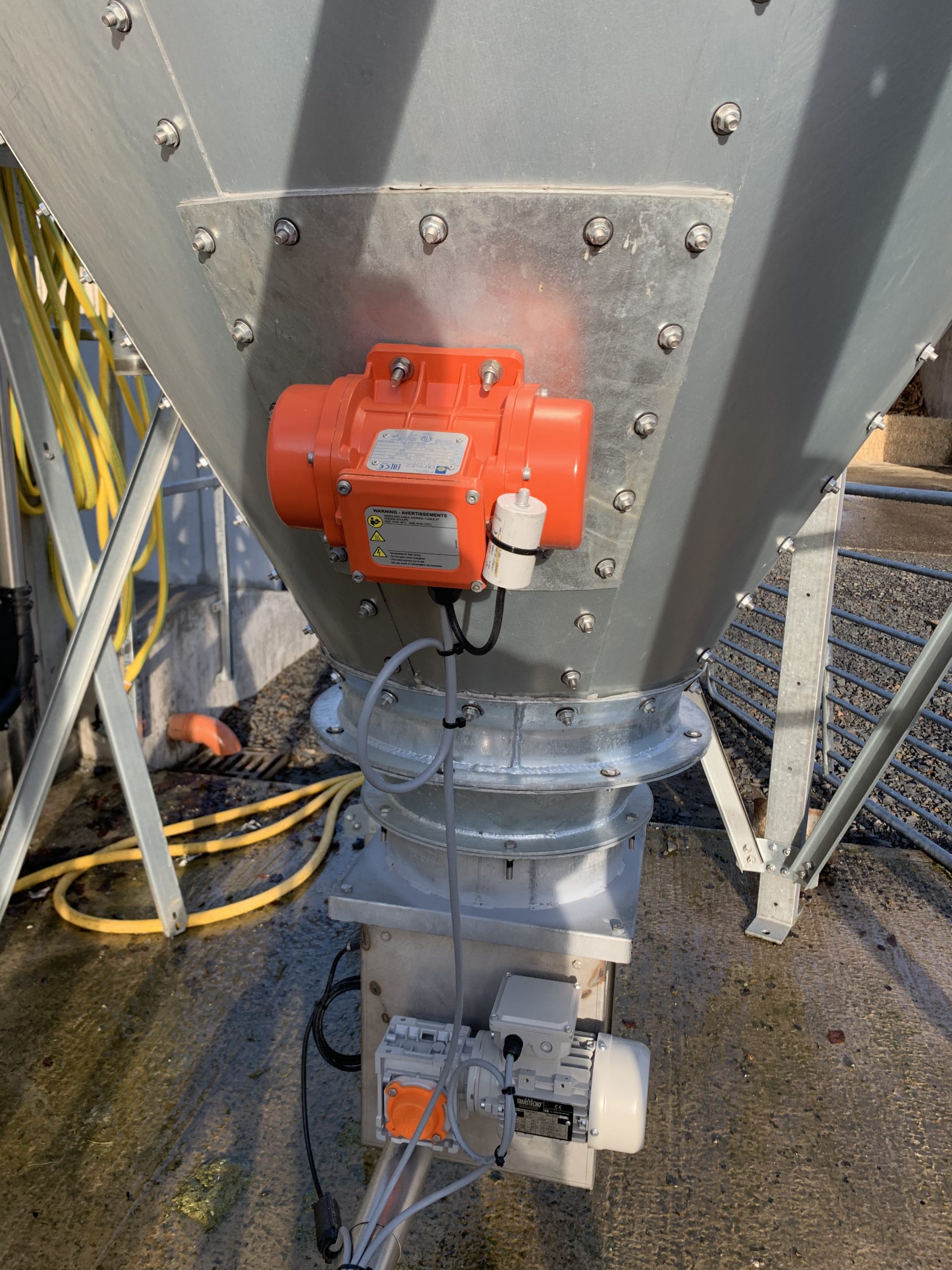
  • Feed discharge boot and auger connection
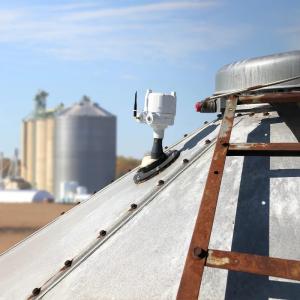
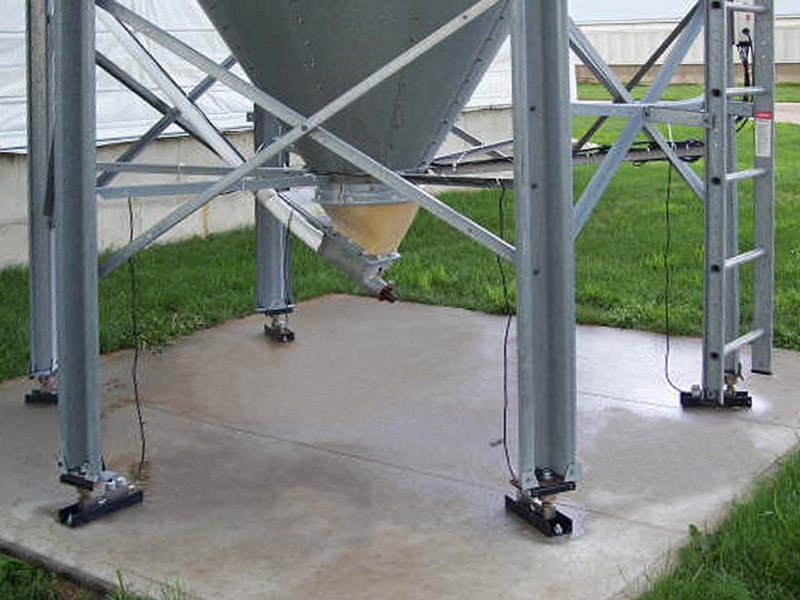
  • Optional feed level sensor and weighing system
Key Features
  • Corrosion-Resistant Steel: Galvanized or aluminum-zinc coated steel panels provide strong resistance to outdoor moisture and farm environments.
  • Precision Manufacturing: CNC-produced components help improve dimensional accuracy and simplify field assembly.
  • Corrugated Silo Body: Reinforced corrugated panels improve structural rigidity while providing reliable bulk feed storage.
  • Weather Protection: A covered roof, sealed joints and protected filling system help keep stored feed dry.
  • Smooth Feed Discharge: The conical hopper is designed with an appropriate discharge angle to promote consistent feed flow and reduce material accumulation.
  • Automatic Feeding Integration: The bottom outlet can connect with flexible augers, spiral conveyors, chain conveyors or other livestock feeding systems.
  • Flexible Filling Methods: Pneumatic and mechanical filling configurations can be supplied according to feed truck and farm requirements.
  • Optional Feed Monitoring: Level sensors, weighing modules and inventory monitoring equipment can be added for improved feed management.
  • Modular Construction: Bolted panel design facilitates transportation, installation and replacement of individual components.
  • Project Customization: Silo capacity, diameter, height, hopper configuration, outlet direction and accessories can be customized.
Working Principle Bulk feed is delivered into the silo through a pneumatic filling pipe or mechanical conveying system. During filling, displaced air is released through the ventilation or breather arrangement while the enclosed silo body protects the stored material from rain and external contamination.

Feed is stored in the cylindrical body and moves downward by gravity toward the conical hopper. The hopper geometry directs feed toward the bottom discharge outlet and helps maintain stable material flow.

When the automatic feeding system starts, feed leaves the silo through the discharge boot and enters an auger, spiral or conveyor system. The conveying equipment then transports feed from the outdoor silo to feeding lines inside the livestock or poultry house. Optional load cells or level sensors can provide information about remaining feed inventory.
Technical Specifications
Product Type Outdoor Bulk Feed Storage Silo
Main Material Galvanized steel or aluminum-zinc coated steel sheet
Body Structure Corrugated cylindrical bolted panels
Typical Capacity Range Approx. 4–50 m³ for common farm applications; customized capacities available
Stored Material Dry livestock and poultry feed, pellets, mash or suitable granular feed
Hopper Type Conical gravity-discharge hopper
Filling Method Pneumatic or mechanical filling
Feed Discharge Gravity discharge through silo boot
Feed Conveying Connection Flexible auger, spiral conveyor or other automatic conveying system
Support Structure Galvanized steel legs with structural bracing
Roof Weather-resistant conical roof with filling access
Access External ladder; safety cage and inspection access available according to configuration
Optional Monitoring Feed level sensor, load-cell weighing and inventory monitoring system
Installation Outdoor reinforced concrete foundation
Customization Capacity, diameter, height, outlet, support structure, filling pipe and conveying interface

Capacity values are typical references. Actual feed weight depends on feed bulk density. Final silo dimensions, structural design, foundation requirements and accessories should be confirmed according to storage demand, local wind and snow conditions, feed characteristics and project requirements.

Applications
  • Commercial pig farms
  • Layer and broiler poultry farms
  • Breeder poultry farms
  • Cattle and dairy farms
  • Sheep and goat farms
  • Automatic livestock feeding systems
  • Feed storage and distribution centers
  • New livestock farm construction projects
  • Existing farm feeding system upgrades
  • Turnkey livestock and poultry farm projects
Installation & Maintenance The feed silo should be installed on a reinforced concrete foundation designed according to silo capacity, site conditions and applicable structural requirements. Supporting legs must be accurately positioned, securely anchored and vertically aligned before the silo body is assembled.

  • Confirm the concrete foundation and anchor-bolt positions before installation.
  • Check all panel joints, bolts and sealing components during assembly.
  • Inspect the roof, filling pipe and weather seals regularly to prevent water entry.
  • Keep the hopper and discharge outlet free from hardened or accumulated feed.
  • Inspect supporting legs, braces and anchor bolts periodically.
  • Check auger or conveyor connections for correct alignment and smooth operation.
  • Inspect feed level sensors and weighing equipment when installed.
  • Clean the silo interior according to the farm feed hygiene program.
  • Remove residual feed before long periods of shutdown.
  • Repair damaged protective coatings or replace corroded components when necessary.
Project Cases Galvanized feed silos can be installed individually or in multiple-silo groups beside livestock and poultry houses. A typical project can connect each silo directly to an automatic feed conveying line, while larger farms may use multiple silos for different feed formulas, production stages or animal houses. Feed weighing, level monitoring and centralized control systems can also be incorporated according to project requirements.
Product FAQ

What is a galvanized feed silo used for?
It is used for bulk storage of dry livestock and poultry feed and can supply feed directly to an automatic conveying and feeding system.

What material is used for the silo?
Galvanized steel or aluminum-zinc coated steel panels can be used according to the required corrosion resistance and project specification.

How do I select the correct silo capacity?
Capacity should be selected according to the number of animals, daily feed consumption, feed delivery frequency and desired storage period.

Can the silo connect directly to an automatic feeding system?
Yes. The bottom discharge can be configured for flexible augers, spiral conveyors or other compatible feed transport systems.

Can the silo be filled pneumatically?
Yes. Pneumatic filling pipes and ventilation components can be configured for feed delivery from bulk feed trucks.

Can feed level sensors be installed?
Yes. High-level, low-level and continuous feed monitoring solutions can be selected according to the farm management requirements.

Can the amount of feed inside the silo be weighed?
Yes. Load-cell weighing systems can be installed beneath the silo supports to monitor feed inventory and consumption.

Does the silo require a concrete foundation?
Yes. Outdoor silos should be installed on a properly designed reinforced concrete foundation with suitable anchor bolts and load capacity.

Can the silo size be customized?
Yes. Capacity, diameter, height, hopper design, outlet position, filling pipe and conveying connections can be configured according to the project.

What information is required for a quotation?
Please provide the required storage capacity, feed type and bulk density, animal type and farm capacity, daily feed consumption, silo quantity, feeding system type, site location and required accessories such as level sensors or weighing equipment.


Comments & Inquiries

Leave your questions or requirements below. We will reply as soon as possible.