
| Product Name | Mobile Livestock Feed Silo | ||||||||||||||||||||||||||
| Product Image | 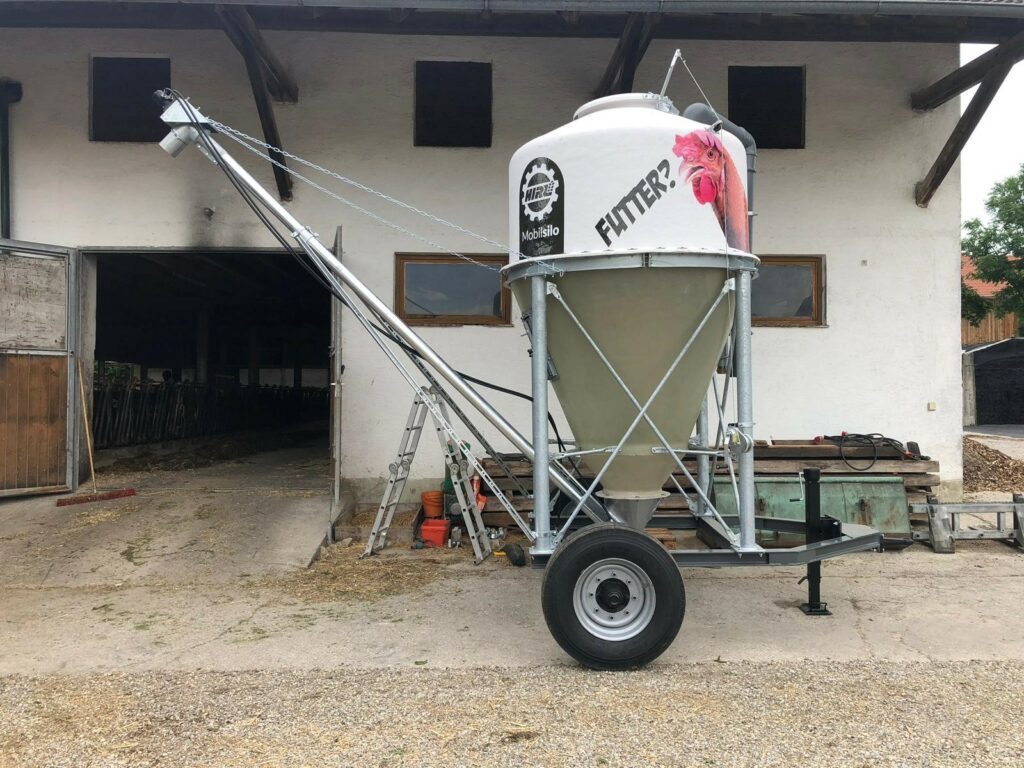 |
||||||||||||||||||||||||||
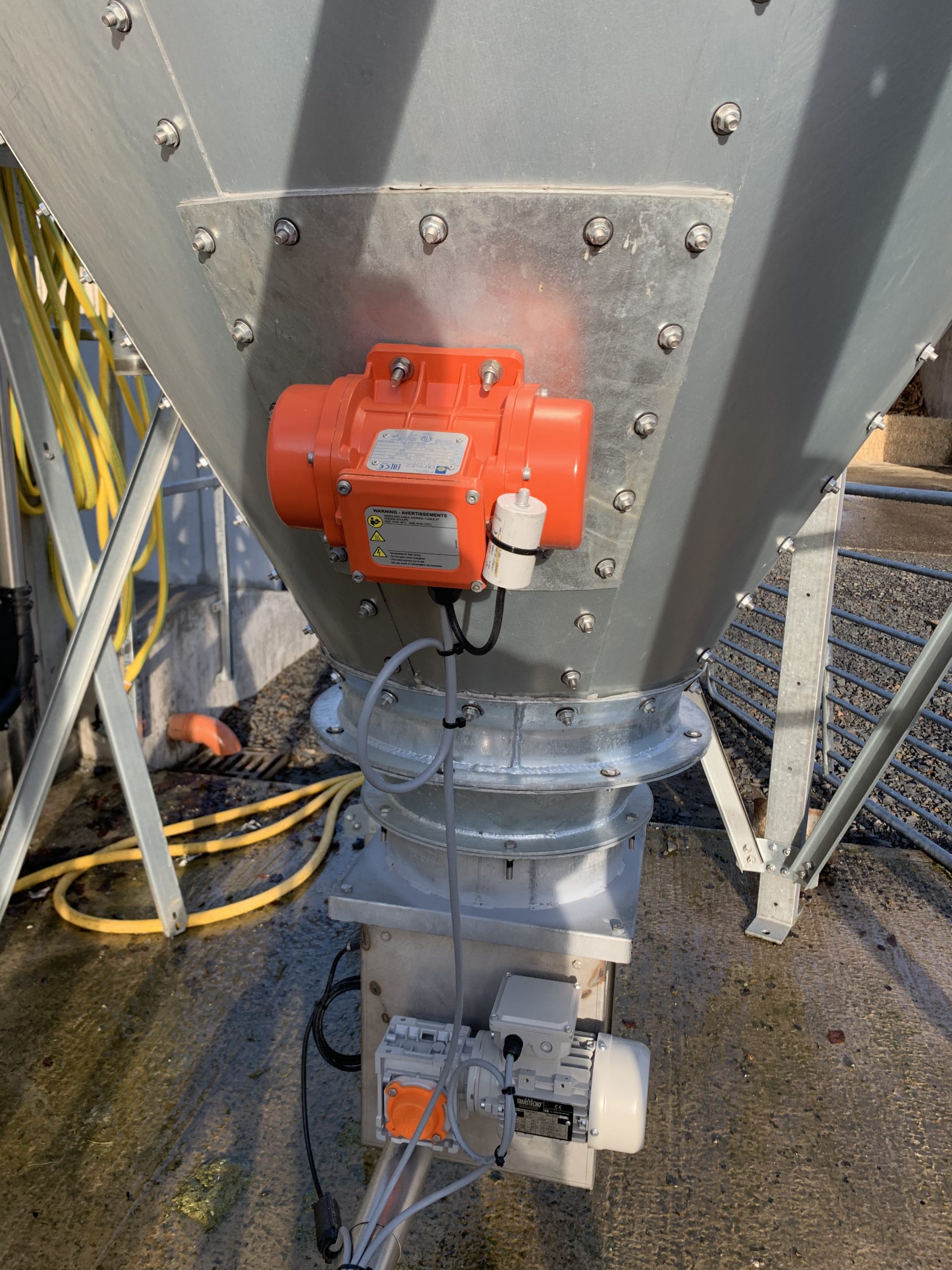
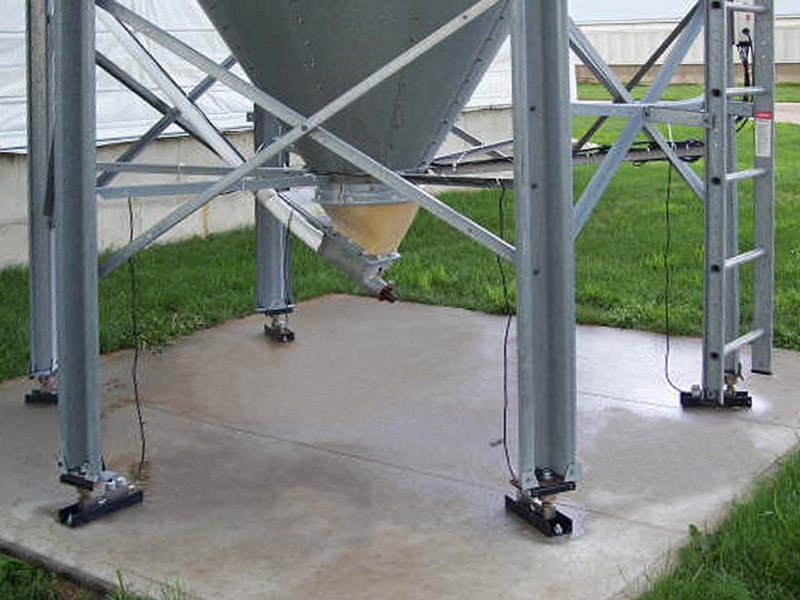
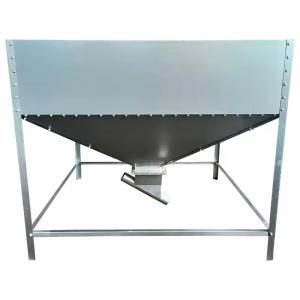
| Product Overview | The Mobile Livestock Feed Silo is a towable bulk feed storage solution designed for poultry, pig, cattle, goat-farming-equipment/" target="_blank" class="keylink">sheep, goat and other commercial livestock operations. Mounted on a robust wheeled chassis, the silo can be relocated between livestock buildings, pasture areas and feed distribution points as production requirements change. A cone-bottom storage body promotes gravity discharge and helps reduce residual feed inside the silo. Depending on project requirements, the unit can discharge directly through a slide gate or connect with a rigid or flexible auger for mechanized feed transfer. Mobile silo systems are particularly useful where feed delivery trucks cannot conveniently reach individual livestock houses. Locating feed storage at a controlled receiving point can also reduce unnecessary vehicle movement through animal production zones. :contentReference[oaicite:1]{index=1} |
||||||||||||||||||||||||||
| Key Features |
|
||||||||||||||||||||||||||
| Structural Components |
|
||||||||||||||||||||||||||
| Working Principle | Bulk feed or grain is loaded through the upper filling opening and stored inside the enclosed silo body. The sloped hopper directs material naturally toward the bottom outlet. When feed is required, the outlet gate is opened for gravity discharge or feed is transferred through an optional auger to the required feeding location. The smooth internal surface and inclined hopper geometry help reduce material retention and encourage consistent discharge. When production needs change, the outlet is secured, the filling lid is closed, the support stand is raised and the silo can be moved to another suitable location using agricultural towing equipment. The referenced CABI system specifically uses a welded chassis, tractor hitch, agricultural tires and removable support stand. :contentReference[oaicite:2]{index=2} |
||||||||||||||||||||||||||
| Technical Specifications |
Reference capacity, fiberglass construction, agricultural tires and approximately 700 mm outlet clearance are based on the CABI ARS mobile silo configuration. :contentReference[oaicite:3]{index=3} |
||||||||||||||||||||||||||
| Applications |
|
||||||||||||||||||||||||||
| Biosecurity & Farm Logistics | A mobile feed silo can support livestock biosecurity planning by allowing bulk feed to be delivered to a controlled location instead of requiring feed trucks to enter every production area. The silo can then be moved within the farm using suitable agricultural equipment. This arrangement can be especially useful for poultry and pig production sites where vehicle movement between livestock houses is carefully controlled. CABI specifically identifies reduced feed-truck intrusion into livestock sites as one advantage of its wheeled silo concept. :contentReference[oaicite:4]{index=4} |
||||||||||||||||||||||||||
| Customization Options | The Mobile Livestock Feed Silo can be configured according to animal type, feed consumption, farm road conditions, feeding equipment and available storage space. Customization options may include silo capacity, hopper geometry, chassis dimensions, wheel specification, towing interface, outlet height, discharge gate, flexible auger, rigid auger, filling arrangement, feed-level monitoring and surface treatment. Complete configurations can be designed according to local climate and farm conditions and coordinated with pig farm construction, poultry houses, cattle facilities and steel structure livestock buildings. |
||||||||||||||||||||||||||
| Installation & Maintenance | Position the silo on stable, reasonably level ground and lower the support stand before disconnecting the towing vehicle. Ensure adequate clearance around the outlet and auger connection for safe feed handling. Before moving the silo, close and secure the filling lid and discharge outlet, raise the support stand and check that the towing connection is correctly locked. The referenced CABI wheeled silo is intended for farm-path movement and is not specified by the manufacturer as road-approved equipment. :contentReference[oaicite:5]{index=5} Routine maintenance should include inspection of tires, wheel bearings, hitch components, chassis welds, support stands, outlet gates and auger connections. The inside of the silo should remain dry and clean, particularly before storing a new feed batch. |
||||||||||||||||||||||||||
| Project Cases | On multi-house livestock farms, one or more mobile silos can be positioned near individual production buildings during different stages of the feeding cycle. This provides flexible feed-storage capacity without permanently installing a fixed silo beside every building. For new pig farm, poultry farm or steel structure livestock projects, the mobile silo can be coordinated with feed receiving areas, flexible augers, rigid augers and automatic feeding lines according to the overall farm layout. |
||||||||||||||||||||||||||
| Product FAQ | Q: What can be stored in a mobile livestock feed silo? A: It is designed primarily for dry livestock feed, grain and pellets. The exact suitability should be confirmed according to material density, moisture content and flow characteristics. Q: Can the silo be moved around the farm? A: Yes. Wheeled models are designed for relocation using suitable agricultural towing equipment. Q: What capacities are available? A: The referenced wheeled silo is offered in 6 m³, 8 m³ and 10 m³ versions. Other capacities can be developed according to project requirements. :contentReference[oaicite:6]{index=6} Q: Can it be connected to an automatic feeding system? A: Yes. Bottom outlets can be configured for rigid or flexible augers and other feed-transfer equipment. Q: Why use a cone-bottom silo? A: The inclined bottom promotes gravity flow toward the outlet and helps improve emptying of dry feed and grain. :contentReference[oaicite:7]{index=7} Q: Can the feed level be monitored? A: Feed-level monitoring can be supplied according to project requirements. Translucent sections or electronic level sensors may also be considered depending on the silo configuration. Q: Can an auger be supplied with the silo? A: Yes. Flexible, rigid or project-specific auger discharge systems are available upon request. Q: What information is required for quotation? A: Recommended information includes livestock species, required storage capacity, feed type, desired discharge method, towing requirements, feeding-system interface and local farm conditions. |
||||||||||||||||||||||||||
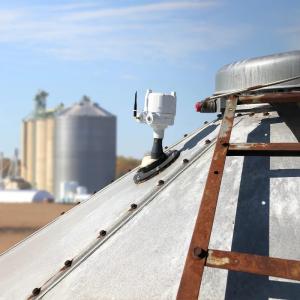
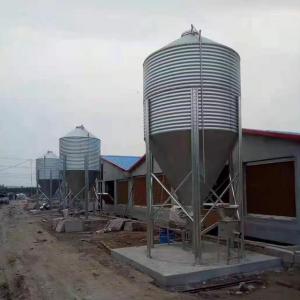
| Product Gallery | 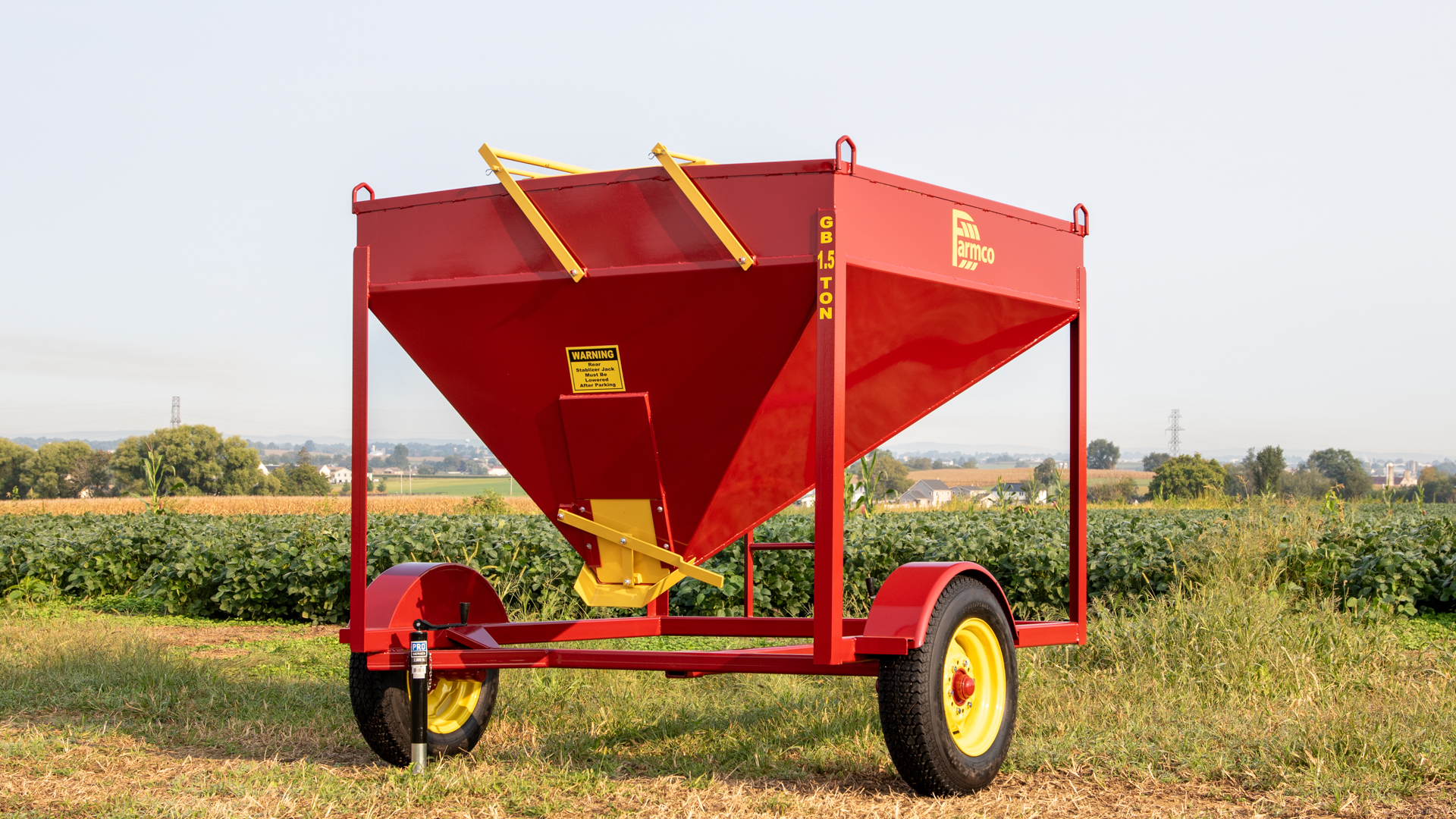 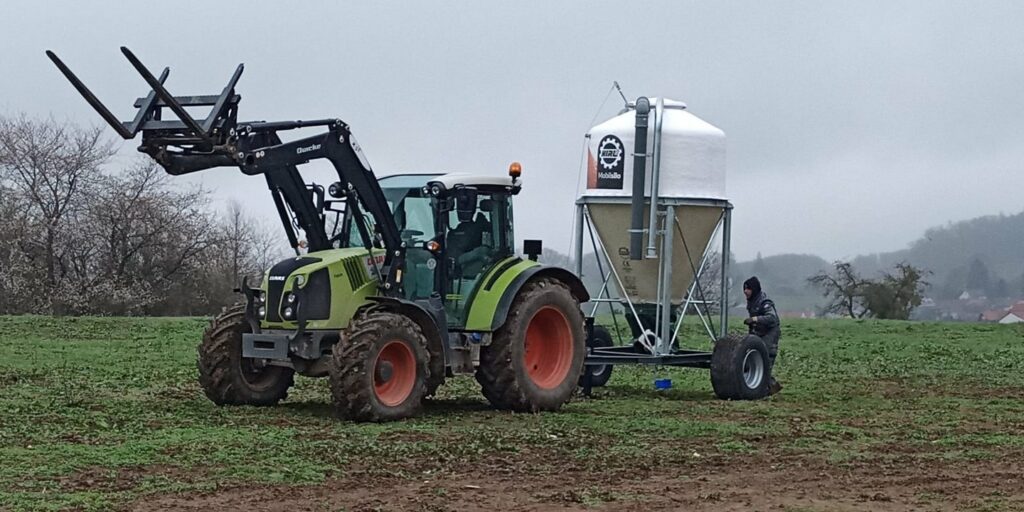 |
- Home
-
Products
- Pig Farming Equipment
- Cattle Farming Equipment
- Sheep & Goat Farming Equipment
- Poultry Farming Equipment
- Feeding & Drinking Systems
- Veterinary & Breeding Equipment
- Testing & Diagnostic Equipment
- Cleaning & Biosecurity Equipment
- Climate Control Equipment
- Livestock Weighing Equipment
- Manure & Waste Management
- Farm Transport & Handling
-
Solutions
- Pig Farm Solutions
- Dairy Farm Solutions
- Beef Cattle Farm Solutions
- Sheep & Goat Farm Solutions
- Layer Farm Solutions
- Broiler Farm Solutions
- Feeding & Drinking System Solutions
- Climate Control Solutions
- Biosecurity & Disinfection Solutions
- Manure & Waste Management
- Smart Farming Solutions
- Farm Renovation and Upgrade Solutions
- Partners
- Projects
- Resources
- News
- About Us
- Contact
Comments & Inquiries
Leave your questions or requirements below. We will reply as soon as possible.