
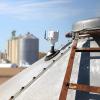
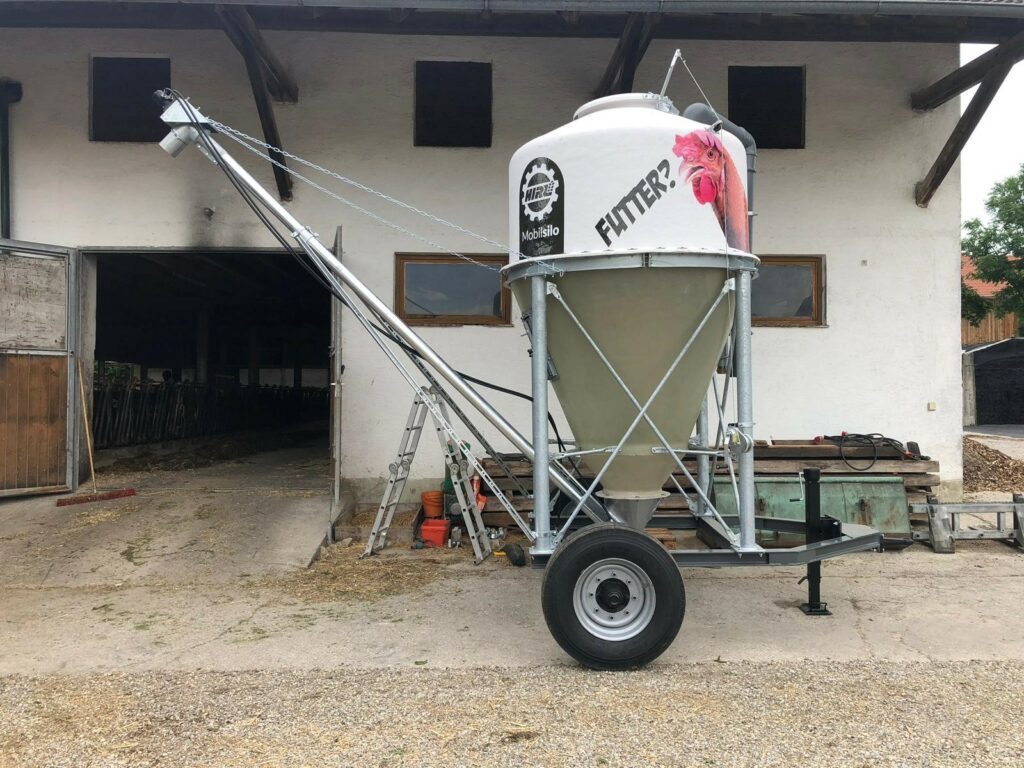
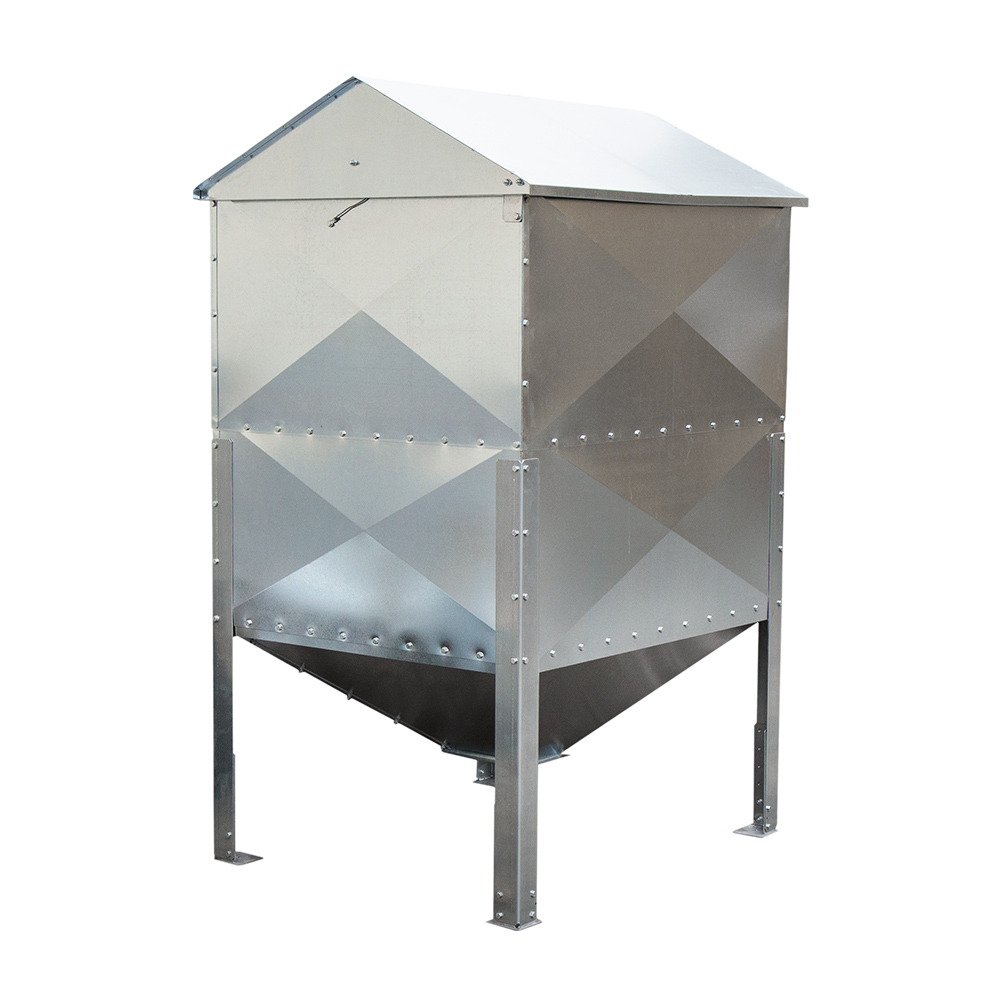
| Product Name | Feed Silo Level Sensor | ||||||||||||||||||||||||
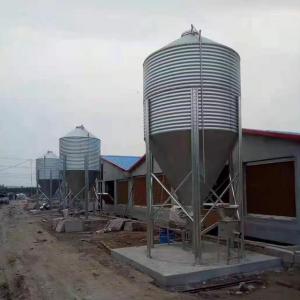
| Product Image | 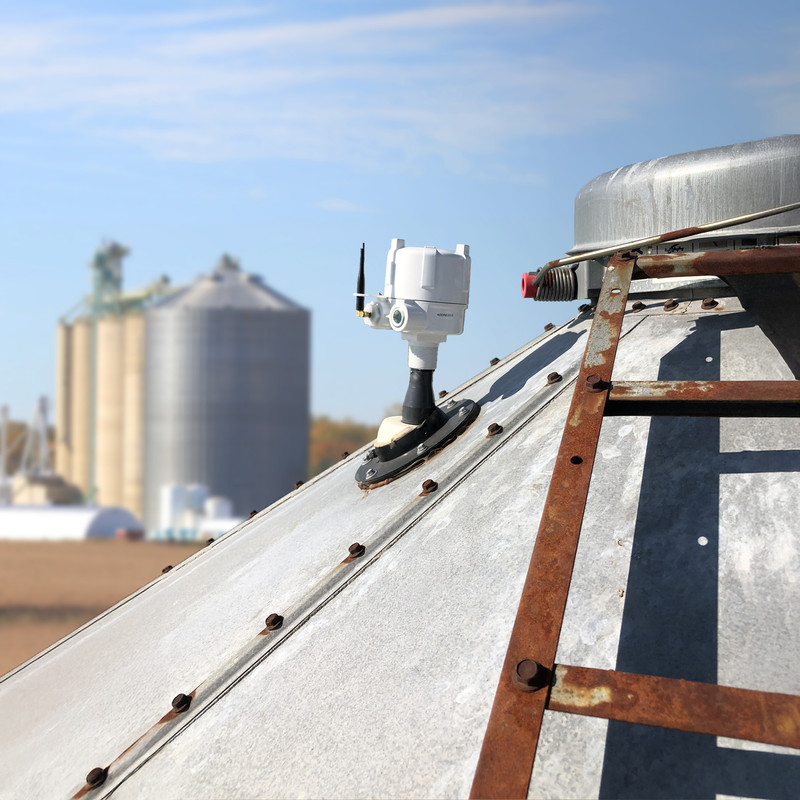 |
||||||||||||||||||||||||
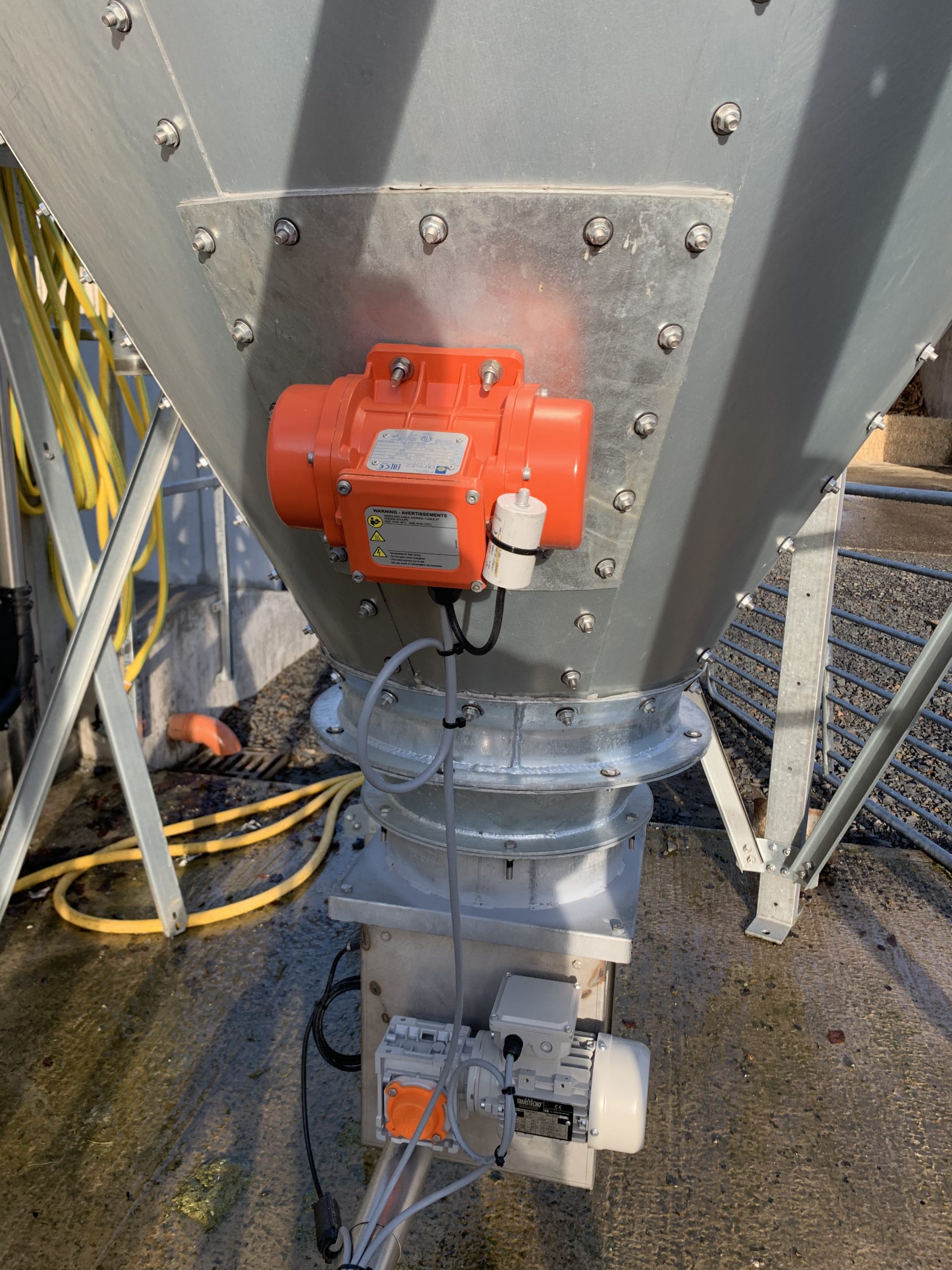
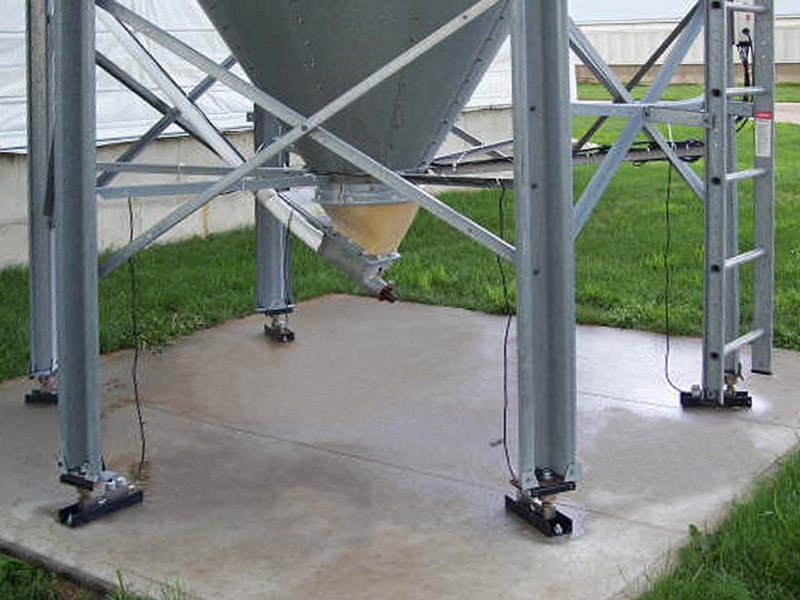
| Product Overview | The Feed Silo Level Sensor is designed for monitoring feed inventory and material level conditions in outdoor and indoor feed bins, silos, hoppers and bulk storage vessels used by poultry, pig, dairy and other livestock operations. Depending on the project requirement, the sensor can be configured for point-level detection or continuous level measurement. Point-level devices are commonly used for high-level overfill alarms or low-feed alerts, while continuous sensors monitor material level throughout the silo and can provide real-time inventory information. Automated feed level monitoring reduces the need for manual silo inspection and ladder climbing while helping farm managers prevent feed outages, avoid overfilling and improve bulk feed delivery planning. |
||||||||||||||||||||||||
| Key Features |
|
||||||||||||||||||||||||
| Structural Components |
|
||||||||||||||||||||||||
| Working Principle | The working principle depends on the selected level measurement technology. A point-level sensor detects whether feed has reached or moved away from a defined position in the silo. When the sensing element changes state, the sensor sends a signal to an indicator, alarm or control system. This type of sensor is commonly installed near the upper section for overfill protection or near the lower section for low-feed warnings. A continuous level sensor measures the distance between the sensor and the surface of the stored feed. The measured distance can be converted into level, percentage full, estimated volume or inventory information according to the silo geometry and system configuration. Remote monitoring systems can transmit measurements to farm personnel through a gateway or connected inventory platform, allowing feed status to be checked without physically accessing the silo. |
||||||||||||||||||||||||
| Technical Specifications |
|
||||||||||||||||||||||||
| Sensor Selection | Different feed storage conditions may require different sensing technologies. Rotary paddle, capacitance and vibrating probe sensors are commonly used where a fixed high or low feed level must be detected. For farms requiring continuous inventory information, non-contact radar, laser or other continuous measurement technologies can monitor feed level through a larger portion of the silo height. Sensor selection should consider feed bulk density, particle size, dust, buildup, silo height, filling pattern, installation access, required accuracy and the type of signal required by the farm control system. |
||||||||||||||||||||||||
| Applications |
|
||||||||||||||||||||||||
| Customization Options | The Feed Silo Level Sensor can be selected and configured according to silo dimensions, stored feed characteristics, installation position and required control function. Available options may include sensor technology, probe length, mounting connection, high-level or low-level position, continuous measurement range, signal output, alarm interface, wireless communication and remote monitoring. Complete feed inventory monitoring systems can be designed according to project requirements and integrated with feed silos, automatic feeding equipment and livestock farm control systems. |
||||||||||||||||||||||||
| Installation & Maintenance | The installation position should be selected according to silo geometry, feed inlet location, expected material flow pattern and the required measurement function. Continuous sensors are generally positioned where they have a clear view of the feed surface, while point-level switches are installed at the required alarm level. The sensor should not be installed directly in the main impact path of incoming feed unless the selected model and protective arrangement are designed for that condition. Electrical wiring and control connections should follow the approved project diagram. Where outdoor installation is required, cable entries and mounting connections should be protected against moisture and mechanical damage. Routine maintenance includes checking the sensor housing, mounting hardware, wiring and sensing surface. Material buildup should be removed where it could interfere with measurement. Calibration or functional checks should be carried out according to the selected sensor technology and farm maintenance program. |
||||||||||||||||||||||||
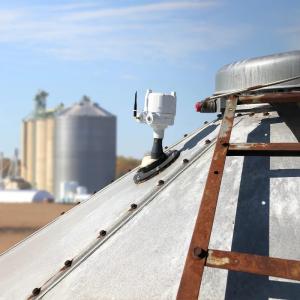
| Project Cases | In commercial poultry and pig farm projects, level sensors can be installed on individual feed silos to provide low-feed warnings before livestock feeding is interrupted. High-level switches can also be used during bulk delivery to reduce the risk of overfilling. For large livestock groups operating multiple barns or farms, continuous level sensors can be connected to remote inventory platforms so purchasing teams, farm managers and feed suppliers can view feed availability and coordinate deliveries across multiple storage locations. The monitoring system can be incorporated into new pig farm construction, poultry house projects and steel structure livestock buildings or added to existing feed silos as a retrofit upgrade. |
||||||||||||||||||||||||
| Product FAQ | Q: What does a feed silo level sensor measure? A: Depending on the selected technology, it can detect a fixed high or low feed level or continuously measure the amount of feed remaining in the silo. Q: What is the difference between point-level and continuous-level sensing? A: A point-level sensor detects whether material has reached one specific position. A continuous sensor measures feed level across the silo and can provide ongoing inventory information. Q: Can the sensor be used with pelleted feed? A: Yes. Suitable sensor technologies are available for pellets, grain, meal and other compatible bulk feed materials. Q: Can it provide a low-feed alarm? A: Yes. A point-level sensor can be installed at a selected low position to activate an alarm or control signal when feed falls below that level. Q: Can it help prevent silo overfilling? A: Yes. A high-level switch can provide an alarm or process signal when feed reaches the selected maximum level. Q: Can feed levels be monitored remotely? A: Yes. Compatible continuous sensors and wireless communication systems can provide remote feed inventory information according to project requirements. Q: Can the sensor be installed on an existing feed silo? A: Yes. Many sensor configurations are suitable for retrofit installation, subject to silo structure, mounting access and sensor technology. Q: What information is required for quotation? A: Recommended information includes silo height and diameter, feed type, required high or low alarm positions, continuous monitoring requirements, preferred signal output, power supply and control-system interface. |
||||||||||||||||||||||||
| Product Gallery | 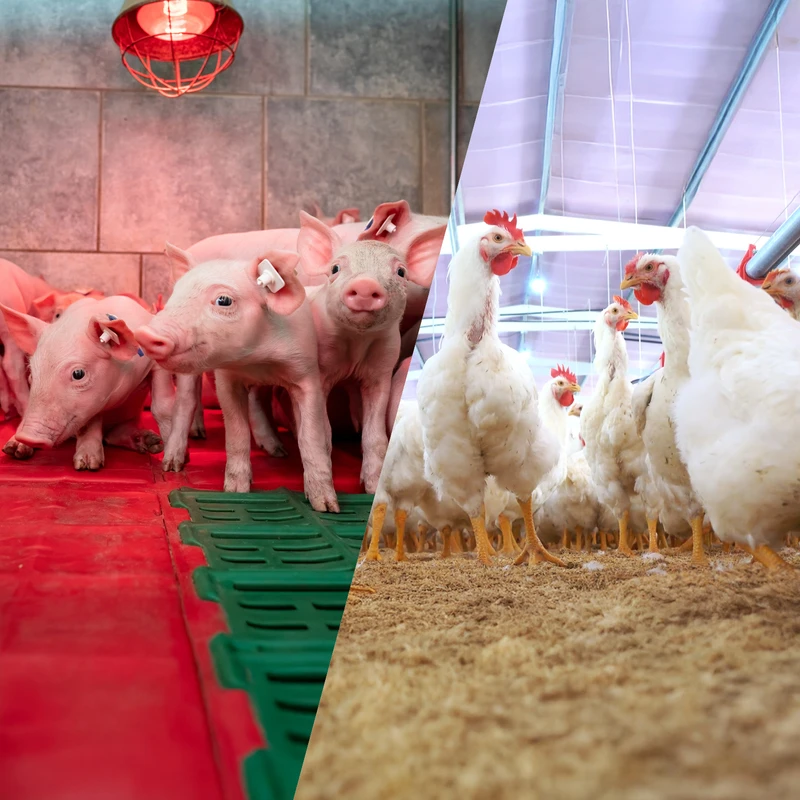 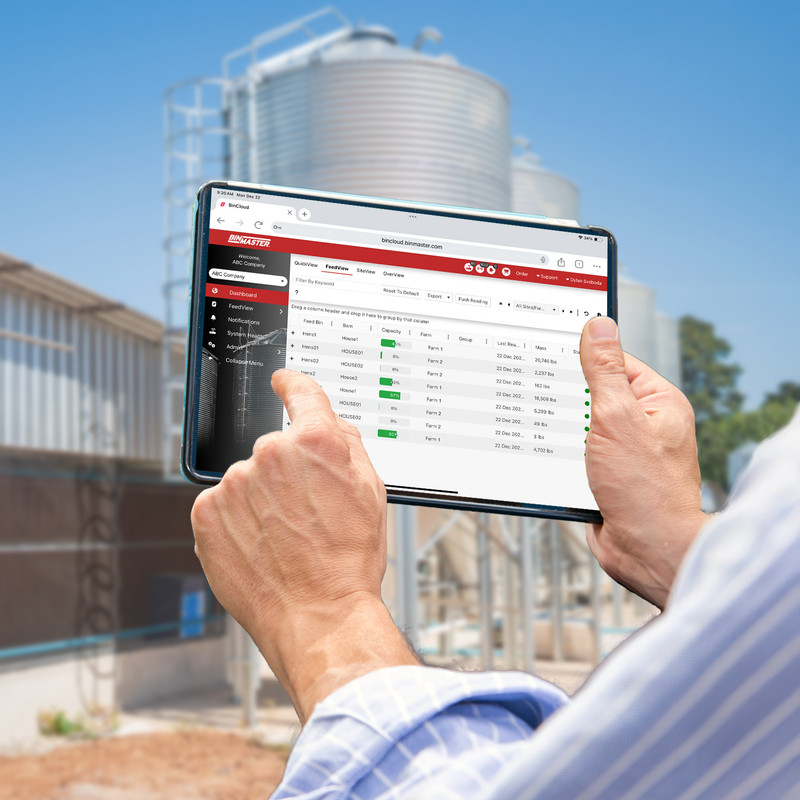 |
- Home
-
Products
- Pig Farming Equipment
- Cattle Farming Equipment
- Sheep & Goat Farming Equipment
- Poultry Farming Equipment
- Feeding & Drinking Systems
- Veterinary & Breeding Equipment
- Testing & Diagnostic Equipment
- Cleaning & Biosecurity Equipment
- Climate Control Equipment
- Livestock Weighing Equipment
- Manure & Waste Management
- Farm Transport & Handling
-
Solutions
- Pig Farm Solutions
- Dairy Farm Solutions
- Beef Cattle Farm Solutions
- Sheep & Goat Farm Solutions
- Layer Farm Solutions
- Broiler Farm Solutions
- Feeding & Drinking System Solutions
- Climate Control Solutions
- Biosecurity & Disinfection Solutions
- Manure & Waste Management
- Smart Farming Solutions
- Farm Renovation and Upgrade Solutions
- Partners
- Projects
- Resources
- News
- About Us
- Contact
Comments & Inquiries
Leave your questions or requirements below. We will reply as soon as possible.