
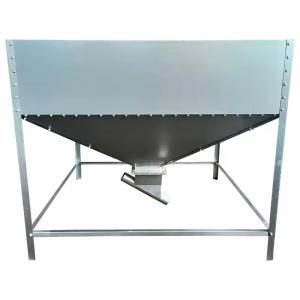
| Product Name | Feed Silo Weighing System | ||||||||||||||||||||||||||
| Product Image | 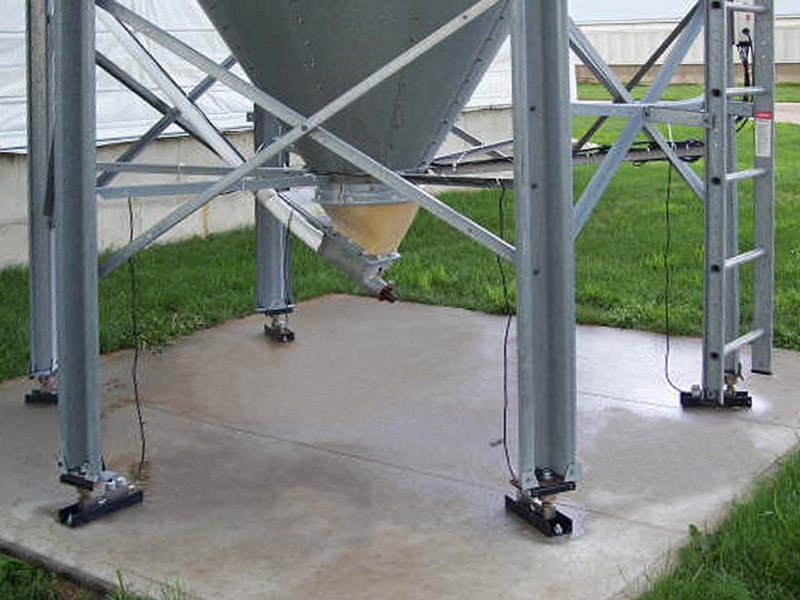 |
||||||||||||||||||||||||||
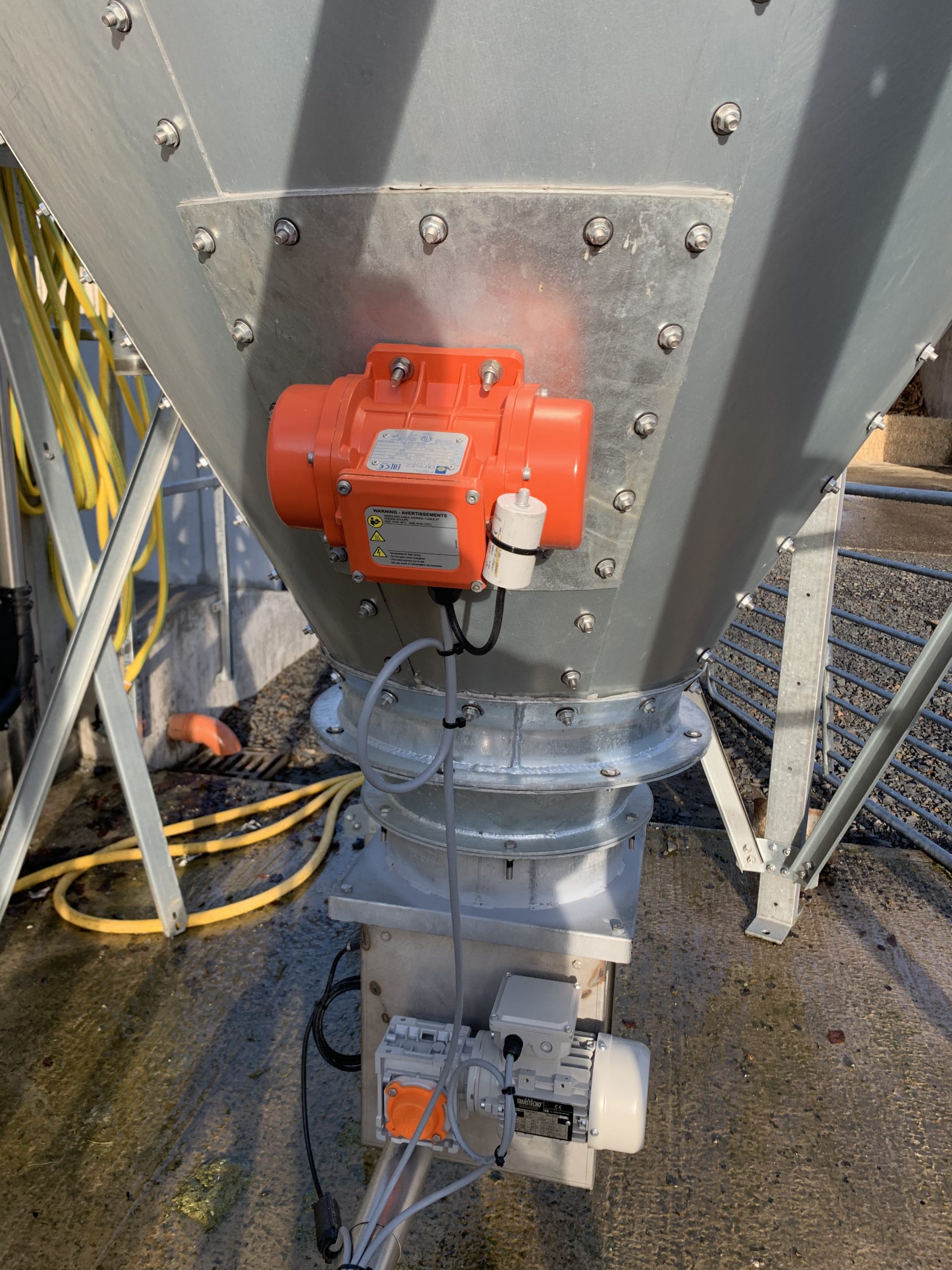
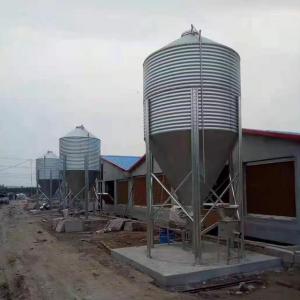
| Product Overview | The Feed Silo Weighing System is designed for continuous measurement of feed stored in external or internal livestock silos. Precision load cells installed beneath the silo support legs detect the total silo weight and transmit the measurement to a weighing controller or farm production computer. By continuously monitoring changes in silo weight, the system provides reliable information about remaining feed inventory, feed deliveries and daily feed consumption. This supports more accurate feed management, purchasing decisions and production analysis in commercial poultry farms, pig farms and other livestock operations. The weighing system can be integrated into new feed-storage projects or adapted to suitable existing silo installations according to structural and project requirements. |
||||||||||||||||||||||||||
| Key Features |
|
||||||||||||||||||||||||||
| Structural Components |
|
||||||||||||||||||||||||||
| Working Principle | The silo is supported by load cells positioned beneath its structural legs. As feed is delivered into or discharged from the silo, the force applied to the load cells changes accordingly. The load cells convert this mechanical load into electrical measurement signals. These signals are collected by the weighing electronics, converted into digital weight data and transmitted to the display or production controller. The farm-management system can then calculate current feed inventory and changes in silo content over time. When connected to feeding equipment, recorded weight changes can also be used to evaluate actual feed consumption and improve feed-allocation control. :contentReference[oaicite:1]{index=1} |
||||||||||||||||||||||||||
| Technical Specifications |
|
||||||||||||||||||||||||||
| Feed Management Functions | A silo weighing system provides more than a simple indication of remaining feed. Continuous weight information can support calculation of daily consumption, comparison between animal houses, verification of bulk feed deliveries and prediction of the next required refill. When integrated with a farm production controller, weighing information can become part of the overall livestock management system together with animal weight, water consumption, climate data and feeding schedules. Advanced systems can also help identify unusual reductions or increases in feed consumption, supporting earlier investigation of feed-system problems or production changes. :contentReference[oaicite:2]{index=2} |
||||||||||||||||||||||||||
| Applications |
|
||||||||||||||||||||||||||
| Customization Options | The Feed Silo Weighing System can be configured according to silo capacity, maximum loaded weight, number of support legs, farm layout and required level of automation. Customization options may include load-cell capacity, mounting modules, number of monitored silos, local display, controller type, signal interface, communication method and weather-protection configuration. System design is available according to project requirements and can be coordinated with new feed silos, automatic feeding equipment, steel structure livestock buildings and existing farm-management systems. |
||||||||||||||||||||||||||
| Installation & Maintenance | Before installation, confirm the maximum silo weight, number of support legs, structural dimensions, foundation condition and required weighing capacity. Each load cell should be installed with a compatible mounting assembly so that silo weight is transferred correctly through the sensor. The silo foundation should be stable, level and capable of supporting the complete loaded silo and weighing equipment. Mechanical obstructions, rigid pipe connections or improperly supported feed augers should not bypass the load-cell measurement path. After installation, the weighing system should be calibrated according to the controller instructions. Routine maintenance includes checking cables, mounting bolts, load-cell condition, junction boxes, grounding, corrosion protection and calibration status. Load cells exposed to moisture, dust and outdoor temperature changes should be inspected periodically as part of the farm preventive-maintenance program. |
||||||||||||||||||||||||||
| Project Cases | In a commercial poultry or pig farm, each external feed silo can be equipped with load cells and connected to a central production controller. Farm staff can then monitor remaining feed and daily consumption without manually climbing or inspecting the silo. For large livestock complexes with several animal houses, multi-silo monitoring can provide centralized feed inventory information and support purchasing and delivery planning. The system can also be incorporated during the engineering stage of new steel structure livestock houses to coordinate silo foundations, feed augers, electrical services and controller locations. |
||||||||||||||||||||||||||
| Product FAQ | Q: How does a feed silo weighing system measure feed quantity? A: Load cells positioned beneath the silo legs measure the total structural load. Changes in measured weight indicate feed entering or leaving the silo. Q: Can the system show remaining feed in real time? A: Yes. The weighing controller can continuously calculate and display current silo content according to the selected system configuration. Q: Can multiple silos be monitored? A: Yes. Multi-silo monitoring is available according to controller capacity and project requirements. Q: Can the system calculate feed consumption? A: Yes. Changes in silo weight over a defined period can be used to calculate feed usage and support production analysis. Q: Can it be integrated with a farm controller? A: Yes. Compatible digital weighing systems can transmit silo-weight information to poultry or pig production controllers. Q: Can an existing silo be upgraded with load cells? A: In many projects this is possible, but the silo support structure, foundation, pipe connections and maximum loaded weight must first be evaluated. Q: Why is calibration important? A: Correct calibration ensures that the controller converts load-cell signals into reliable silo-weight information. Q: What information is required for quotation? A: Recommended information includes silo capacity, silo empty weight if available, maximum feed load, number of support legs, silo dimensions, number of silos, controller requirements and site layout. |
||||||||||||||||||||||||||
| Product Gallery |  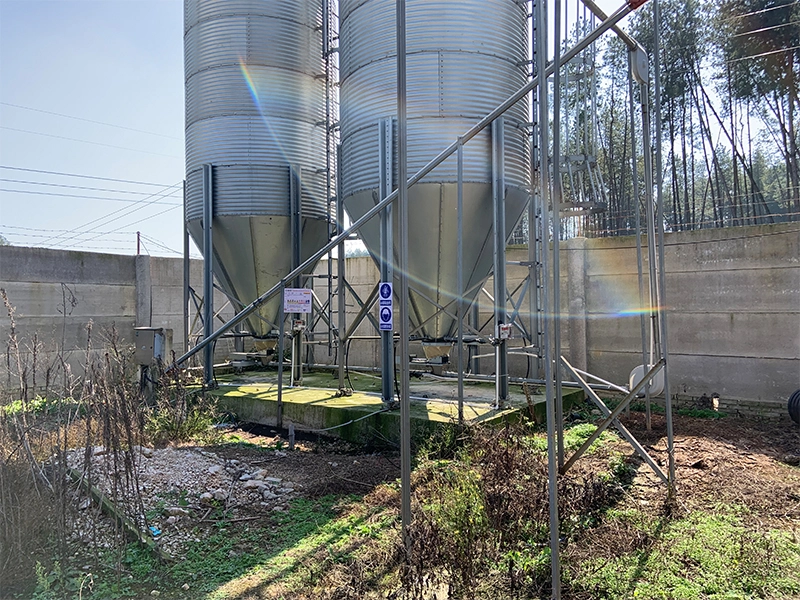 |
- Home
-
Products
- Pig Farming Equipment
- Cattle Farming Equipment
- Sheep & Goat Farming Equipment
- Poultry Farming Equipment
- Feeding & Drinking Systems
- Veterinary & Breeding Equipment
- Testing & Diagnostic Equipment
- Cleaning & Biosecurity Equipment
- Climate Control Equipment
- Livestock Weighing Equipment
- Manure & Waste Management
- Farm Transport & Handling
-
Solutions
- Pig Farm Solutions
- Dairy Farm Solutions
- Beef Cattle Farm Solutions
- Sheep & Goat Farm Solutions
- Layer Farm Solutions
- Broiler Farm Solutions
- Feeding & Drinking System Solutions
- Climate Control Solutions
- Biosecurity & Disinfection Solutions
- Manure & Waste Management
- Smart Farming Solutions
- Farm Renovation and Upgrade Solutions
- Partners
- Projects
- Resources
- News
- About Us
- Contact
Comments & Inquiries
Leave your questions or requirements below. We will reply as soon as possible.