
| Product Showcase | Content | ||||||||||||||||||||||||||||||||||
| Product Name | Feed Bin Inventory Monitoring System | ||||||||||||||||||||||||||||||||||
| Product Image | 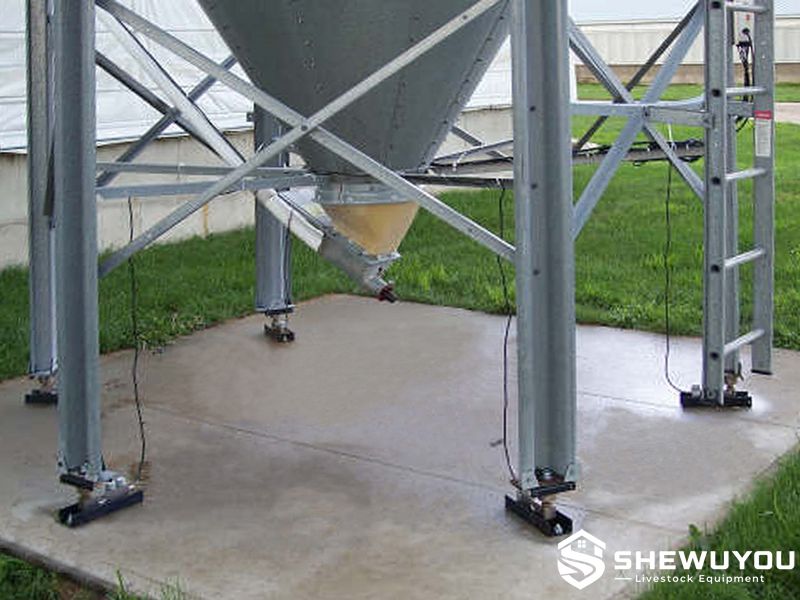 |
||||||||||||||||||||||||||||||||||
| Product Overview |
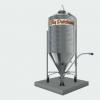
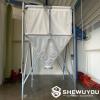
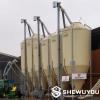
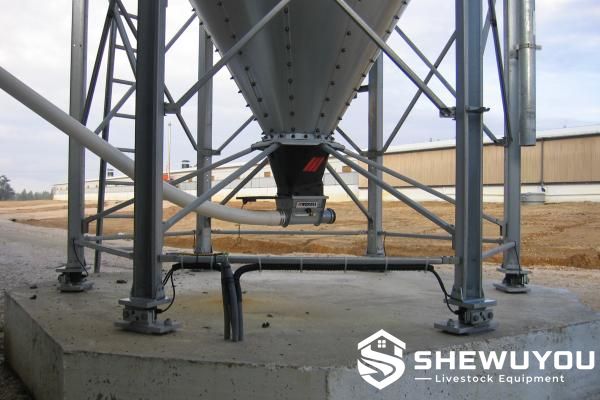
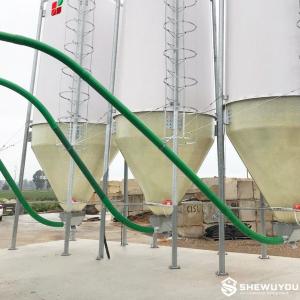
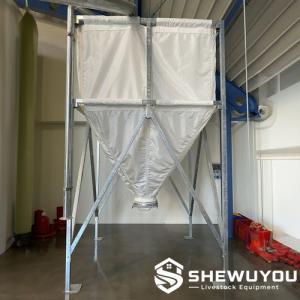
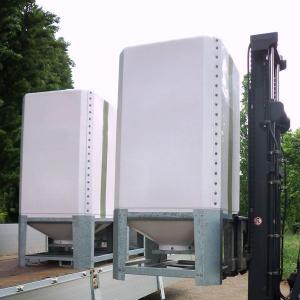
The Feed Bin Inventory Monitoring System is designed for automatic measurement and management of feed stored in outdoor silos and livestock feed bins. Load cells installed beneath the supporting legs measure the total bin weight and transmit data to a digital indicator, controller or optional farm management platform. The system provides operators with a practical way to monitor remaining feed without climbing the silo or estimating inventory visually. Accurate feed-weight information supports purchasing, delivery scheduling, consumption management and prevention of costly out-of-feed situations. The monitoring system can be applied to poultry farms, broiler breeder facilities, layer farms, pig production sites and other commercial livestock projects. Stand-alone local displays or networked multi-bin monitoring configurations can be supplied according to project requirements. |
||||||||||||||||||||||||||||||||||
| Key Features |
|
||||||||||||||||||||||||||||||||||
| Structural Components |
|
||||||||||||||||||||||||||||||||||
| Working Principle / Structural Principle |
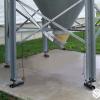
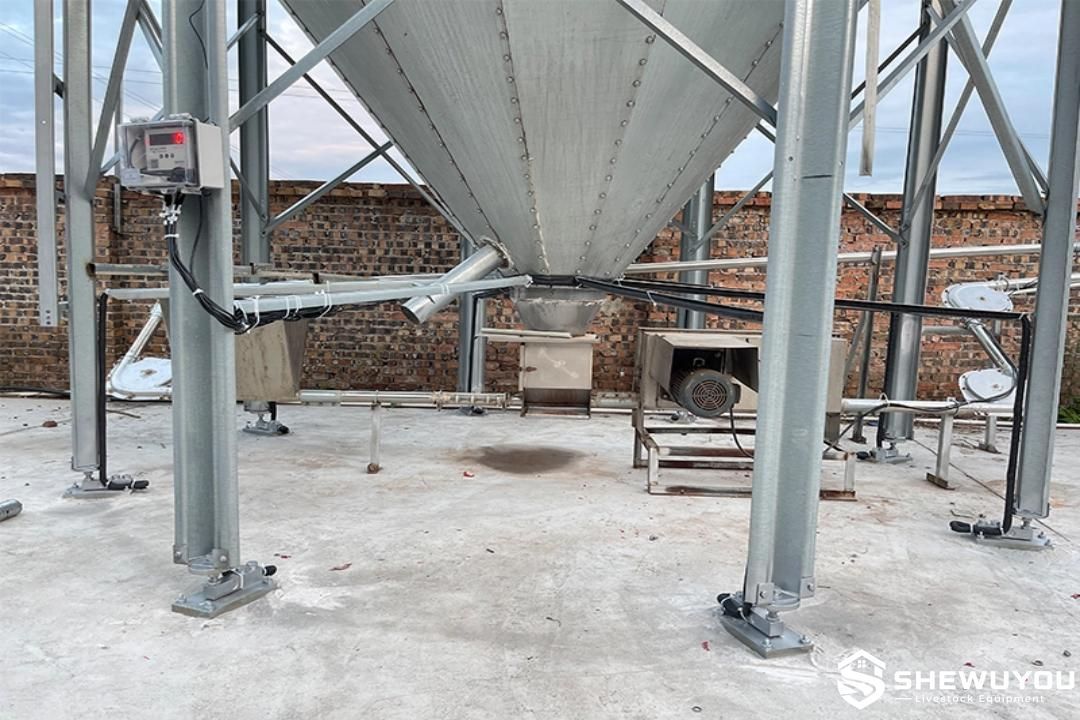
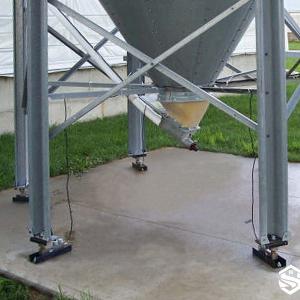
Each supporting leg of the feed bin is positioned on a load-cell assembly. The load cells continuously detect the force generated by the combined weight of the silo structure and the feed stored inside. The electrical signals from the individual sensors are combined through a junction box and transmitted to the weight indicator or controller. After proper calibration and tare setting, the system calculates and displays the remaining feed inventory. As feed enters or leaves the bin, the measured weight changes automatically. This allows farm managers to follow feed deliveries, inventory reduction and consumption trends without manually inspecting the silo. Where remote management is required, the indicator can be connected to compatible communication hardware or farm-management software for centralized monitoring of multiple silos or livestock houses. |
||||||||||||||||||||||||||||||||||
| Technical Specifications |
|
||||||||||||||||||||||||||||||||||
| Applications |
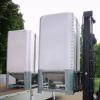
The monitoring system is particularly valuable on commercial farms where multiple outdoor silos supply separate livestock houses. Centralized inventory information allows feed deliveries to be planned according to actual storage conditions rather than visual estimates. For pig farm and poultry construction projects, the system can be integrated with feed silos, flexible auger conveyors, feed scales, automatic feeding lines and centralized farm controllers. |
||||||||||||||||||||||||||||||||||
| Customization Options |
System configuration can be designed according to silo capacity, support-leg arrangement, required measurement range, farm communication infrastructure and project requirements. |
||||||||||||||||||||||||||||||||||
| Installation & Maintenance |
Foundation Inspection: Confirm that the concrete foundation is level, structurally suitable and capable of supporting the loaded silo and weighing assemblies. Load Cell Installation: Install one correctly rated load-cell assembly beneath each required silo support leg according to the structural design. Mechanical Alignment: Ensure the silo legs transfer vertical load correctly to the sensors without binding or unwanted side loading. Cable Routing: Protect signal cables from livestock, machinery, moisture and mechanical damage. Indicator Installation: Position the display in an accessible location near the silo or inside a service building according to farm requirements. Calibration: Configure the empty-bin tare and calibrate the weighing system using the specified commissioning procedure. System Testing: Verify stable readings before and after feed delivery and confirm correct alarm and communication functions. Routine Inspection: Check load-cell mounts, bolts, cables, junction boxes and indicator enclosures periodically for corrosion, looseness or damage. Recalibration: Recheck calibration after structural modifications, sensor replacement or significant changes to the feed-bin installation. |
||||||||||||||||||||||||||||||||||
| Project Cases |
In a commercial poultry farm, load-cell monitoring can be installed beneath each feed-bin leg to provide operators with continuous inventory information before daily feeding cycles and scheduled feed deliveries. For pig production sites with several nursery, sow or finishing houses, individual silo data can be centralized so managers can compare feed inventory across multiple buildings without physically checking each bin. For new steel structure livestock projects, feed-bin weighing equipment can be included during foundation and silo planning so sensor mounting, cable conduits and control locations are coordinated before equipment installation. |
||||||||||||||||||||||||||||||||||
| Product FAQ |
Q1: How does a feed bin inventory monitoring system work? Q2: Does the system measure the actual weight of the feed? Q3: Can the system help prevent an empty feed bin? Q4: Does an operator need to climb the silo? Q5: Can it monitor more than one feed bin? Q6: Can the system be connected to farm management software? Q7: Can it be installed on an existing silo? Q8: Is the system suitable for pig farms? Q9: Can low-feed alarms be configured? Q10: Can the monitoring system be customized? |
||||||||||||||||||||||||||||||||||
| Product Gallery |
|
- Home
-
Products
- Pig Farming Equipment
- Cattle Farming Equipment
- Sheep & Goat Farming Equipment
- Poultry Farming Equipment
- Feeding & Drinking Systems
- Veterinary & Breeding Equipment
- Testing & Diagnostic Equipment
- Cleaning & Biosecurity Equipment
- Climate Control Equipment
- Livestock Weighing Equipment
- Manure & Waste Management
- Farm Transport & Handling
-
Solutions
- Pig Farm Solutions
- Dairy Farm Solutions
- Beef Cattle Farm Solutions
- Sheep & Goat Farm Solutions
- Layer Farm Solutions
- Broiler Farm Solutions
- Feeding & Drinking System Solutions
- Climate Control Solutions
- Biosecurity & Disinfection Solutions
- Manure & Waste Management
- Smart Farming Solutions
- Farm Renovation and Upgrade Solutions
- Partners
- Projects
- Resources
- News
- About Us
- Contact
Comments & Inquiries
Leave your questions or requirements below. We will reply as soon as possible.