
| Product Showcase | Content |
|---|---|
| Product Name | Indoor Fabric Feed Silo |
| Product Image | 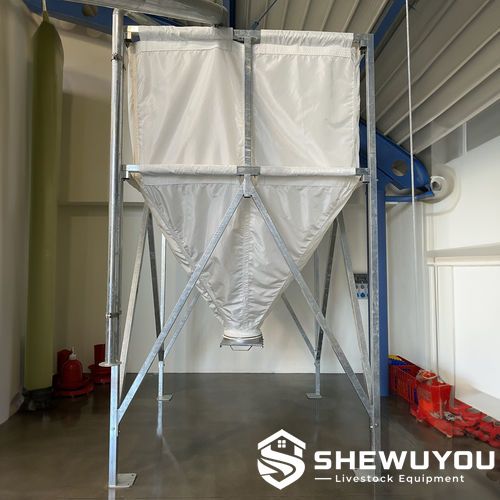 |
| Product Overview |
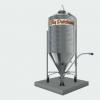
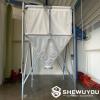
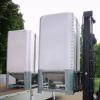
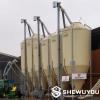
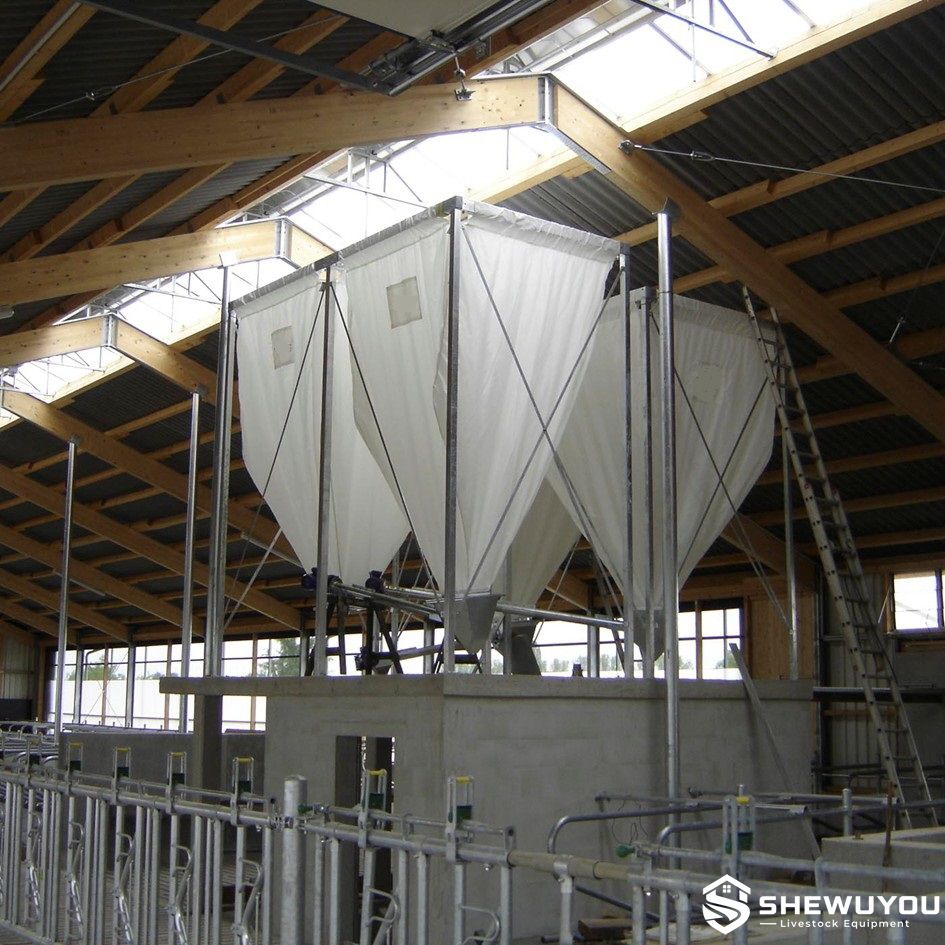
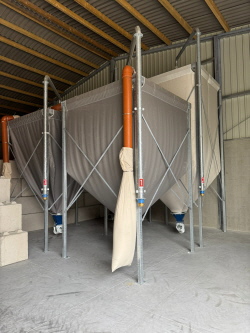
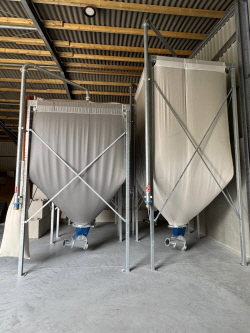
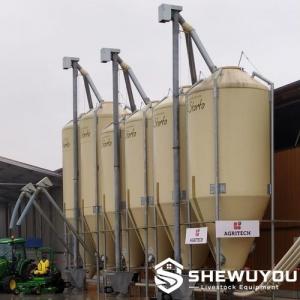
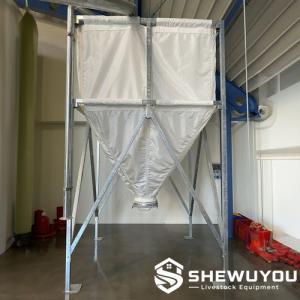
The Indoor Fabric Feed Silo is a flexible bulk-storage solution designed for dry livestock feed, grain and other free-flowing agricultural materials inside enclosed farm buildings. The silo combines a high-tenacity fabric storage bag with a rigid supporting frame to provide efficient use of indoor space while maintaining convenient access to filling and discharge equipment. Breathable fabric construction supports the storage of powdered, granular and pelleted materials while helping reduce condensation associated with temperature changes. The conical lower section promotes gravity discharge toward an auger, screw conveyor or other feed-transfer system. The silo is suitable for poultry farms, pig farms, livestock groups, feed preparation rooms and steel structure building projects where outdoor silo installation is impractical or where protected indoor bulk storage is preferred. |
| Key Features |
|
| Structural Components |
|
| Working Principle |
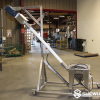
Dry feed or grain is transferred into the fabric silo from the top using pneumatic filling equipment, a screw conveyor or another suitable bulk-material handling system. The flexible fabric body expands as material enters and transfers the stored load to the supporting frame through reinforced suspension sections. The breathable fabric allows displaced air to escape while retaining the stored product. During feeding, material moves by gravity toward the conical bottom outlet. A flexible auger, rigid screw conveyor, slide gate or other discharge device can then transfer feed to mixers, day bins or automatic livestock feeding systems. |
| Technical Specifications |
|
| Applications |
|
| Customization Options |
|
| Installation & Maintenance |
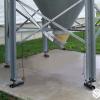
Site Preparation: Confirm indoor clear height, floor load capacity, access routes and the position of filling and discharge equipment before installation. Frame Assembly: Assemble and level the galvanized support frame according to the approved structural layout, ensuring all braces and fasteners are correctly installed. Fabric Installation: Suspend the fabric silo evenly from the supporting frame and check that the cone and discharge outlet hang centrally without excessive twisting or tension. Conveyor Connection: Connect the filling and discharge equipment according to the material-flow design and confirm that flexible connections do not place excessive loads on the silo fabric. Maintenance: Regularly inspect fabric seams, suspension pockets, steel-frame connections, filling pipes and discharge components. Keep the storage area dry and remove accumulated feed before extended shutdown periods. |
| Product FAQ |
Q: What materials can be stored in an indoor fabric feed silo? Q: What storage capacities are available? Q: Why use breathable fabric? Q: Can the silo connect to an automatic feeding system? Q: Can the silo be installed inside an existing livestock building? |
| Product Gallery |
   |
- Home
-
Products
- Pig Farming Equipment
- Cattle Farming Equipment
- Sheep & Goat Farming Equipment
- Poultry Farming Equipment
- Feeding & Drinking Systems
- Veterinary & Breeding Equipment
- Testing & Diagnostic Equipment
- Cleaning & Biosecurity Equipment
- Climate Control Equipment
- Livestock Weighing Equipment
- Manure & Waste Management
- Farm Transport & Handling
-
Solutions
- Pig Farm Solutions
- Dairy Farm Solutions
- Beef Cattle Farm Solutions
- Sheep & Goat Farm Solutions
- Layer Farm Solutions
- Broiler Farm Solutions
- Feeding & Drinking System Solutions
- Climate Control Solutions
- Biosecurity & Disinfection Solutions
- Manure & Waste Management
- Smart Farming Solutions
- Farm Renovation and Upgrade Solutions
- Partners
- Projects
- Resources
- News
- About Us
- Contact
Comments & Inquiries
Leave your questions or requirements below. We will reply as soon as possible.