
| Product Showcase | Content |
|---|---|
| Product Name | Hot-Dip Galvanized Poultry Feed Silo |
| Product Image | 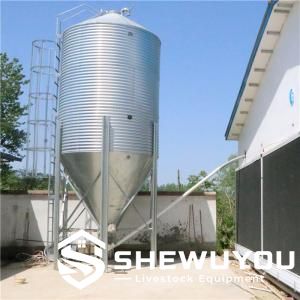 |
| Product Overview |
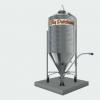
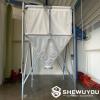
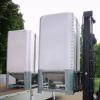
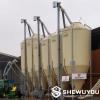
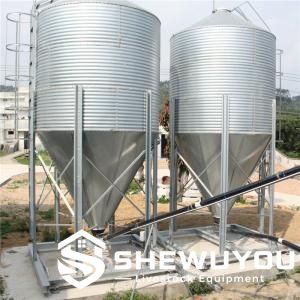
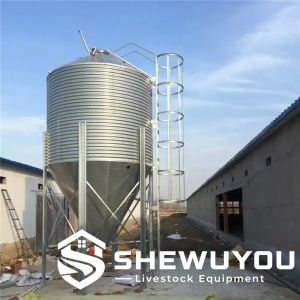
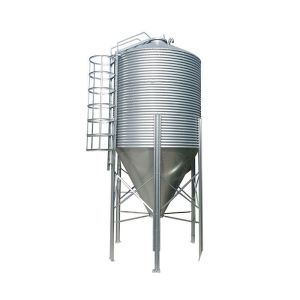
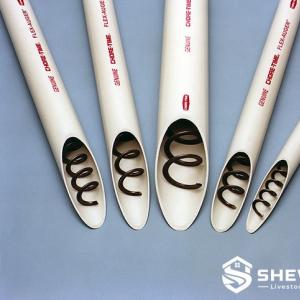
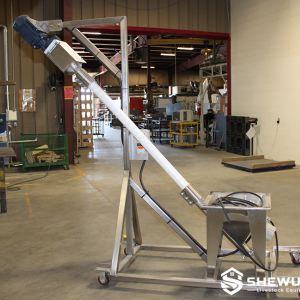
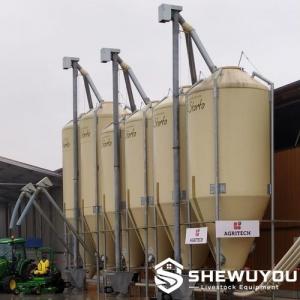
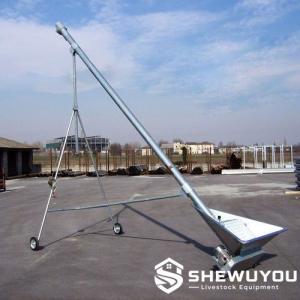
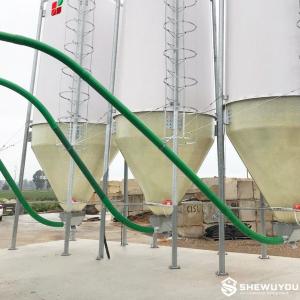
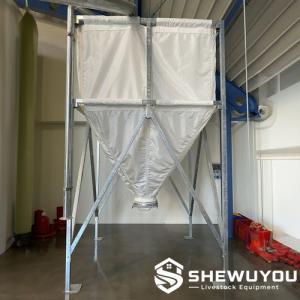
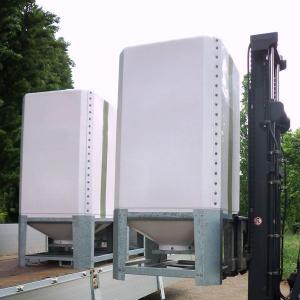
The Hot-Dip Galvanized Poultry Feed Silo is designed for bulk storage of dry poultry feed outside commercial chicken houses, breeder facilities and other livestock buildings. Its corrugated galvanized steel structure provides mechanical strength and weather resistance for long-term farm operation. A conical hopper directs feed toward the bottom discharge point, where the silo can be connected to an auger, spiral conveyor or other automatic feed transport system. This creates an efficient link between bulk feed delivery, storage and poultry-house feeding equipment. The modular silo structure allows storage capacity, diameter, height, hopper design and filling arrangement to be selected according to feed consumption, required storage period, poultry-house capacity and local project conditions. |
| Key Features |
|
| Structural Components |
|
| Working Principle |
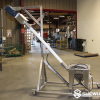
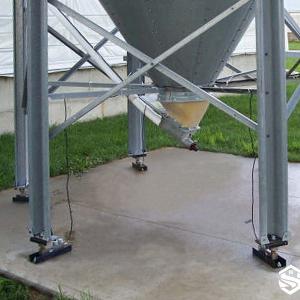
Bulk poultry feed is transferred into the silo through a pneumatic filling pipe or mechanical filling system. The enclosed silo stores the feed above the poultry-house feeding system until it is required. Gravity moves feed from the cylindrical storage section into the conical hopper. The hopper directs the material toward the bottom discharge boot, reducing residual feed and supporting consistent withdrawal. A connected auger or spiral conveyor transports feed from the silo to the poultry house, day bin or automatic feeding line. Feed sensors and inventory monitoring equipment can be added for automated feed management. |
| Technical Specifications |
|
| Applications |
|
| Customization Options |
|
| Installation & Maintenance |
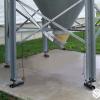
Foundation: Install the silo on a properly designed reinforced concrete foundation. Anchor locations and foundation dimensions should be determined according to silo capacity, structural loads, soil conditions and local wind requirements. Assembly: Body panels, roof sections, hopper panels, legs and braces are assembled according to the approved installation drawing. All panel joints and fasteners should be installed and sealed correctly. Conveyor Connection: Connect the discharge boot to the selected feed auger or spiral conveyor and verify alignment before commissioning. Maintenance: Regularly inspect bolts, seals, galvanized surfaces, ladder components, filling pipes, discharge outlets and conveyor connections. Keep the interior dry and remove accumulated feed before long shutdown periods. |
| Product FAQ |
Q: What capacity poultry feed silo can be supplied? Q: Can the silo connect directly to an automatic poultry feeding line? Q: Can the silo be filled pneumatically? Q: Can feed-level monitoring be added? Q: Can the silo be designed for high-wind regions? |
| Product Gallery |
   |
- Home
-
Products
- Pig Farming Equipment
- Cattle Farming Equipment
- Sheep & Goat Farming Equipment
- Poultry Farming Equipment
- Feeding & Drinking Systems
- Veterinary & Breeding Equipment
- Testing & Diagnostic Equipment
- Cleaning & Biosecurity Equipment
- Climate Control Equipment
- Livestock Weighing Equipment
- Manure & Waste Management
- Farm Transport & Handling
-
Solutions
- Pig Farm Solutions
- Dairy Farm Solutions
- Beef Cattle Farm Solutions
- Sheep & Goat Farm Solutions
- Layer Farm Solutions
- Broiler Farm Solutions
- Feeding & Drinking System Solutions
- Climate Control Solutions
- Biosecurity & Disinfection Solutions
- Manure & Waste Management
- Smart Farming Solutions
- Farm Renovation and Upgrade Solutions
- Partners
- Projects
- Resources
- News
- About Us
- Contact
Comments & Inquiries
Leave your questions or requirements below. We will reply as soon as possible.