
| Product Showcase | Content | ||||||||||||||||||||||||||||||||
|---|---|---|---|---|---|---|---|---|---|---|---|---|---|---|---|---|---|---|---|---|---|---|---|---|---|---|---|---|---|---|---|---|---|
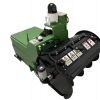
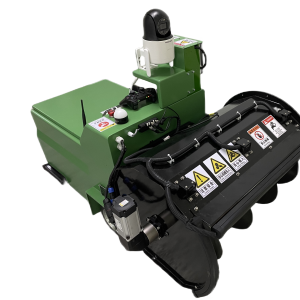
| Product Name | LiDAR & Vision Autonomous Feed Pusher Robot | ||||||||||||||||||||||||||||||||
| Product Image |  |
||||||||||||||||||||||||||||||||
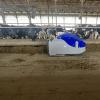
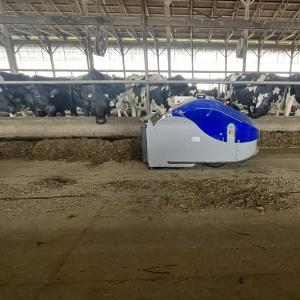
| Product Overview | The LiDAR & Vision Autonomous Feed Pusher Robot is designed for automatic and high-frequency feed pushing in modern dairy cattle, beef cattle and large ruminant facilities. The robot combines LiDAR, vision cameras and an inertial measurement unit to build a detailed understanding of the livestock-building environment, determine its position, follow programmed routes and identify obstacles in real time. By automatically returning TMR and forage toward the feed fence throughout the day and night, the system reduces repetitive manual work and helps maintain consistent feed accessibility for different animal groups. |
||||||||||||||||||||||||||||||||
| Key Features |
|
||||||||||||||||||||||||||||||||
| Structural Components |
|
||||||||||||||||||||||||||||||||
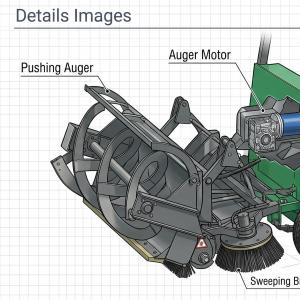
| Working Principle | During commissioning, the livestock-building environment and feed alleys are mapped and the required pushing routes are configured in the control system. At the scheduled starting time, the robot leaves its charging station and uses LiDAR, vision and IMU data to determine its position and follow the assigned route. As the robot moves along the feed fence, its pushing mechanism returns loose TMR and forage toward the cattle. Sensor data is continuously evaluated so that the machine can detect obstacles and adjust or stop its movement when necessary. After completing the programmed task, the robot automatically returns to the charging station and prepares for the next scheduled feed-pushing cycle. |
||||||||||||||||||||||||||||||||
| Technical Specifications |
|
||||||||||||||||||||||||||||||||
| Applications |
|
||||||||||||||||||||||||||||||||
| Customization Options | Robot configuration can be selected according to feed-alley dimensions, barn layout, number of livestock buildings and required daily pushing frequency. Available options may include custom route configuration, roller-shutter door coordination, Wi-Fi or overseas network connectivity, remote video monitoring, feed-level recognition, traffic-light coordination and farm-management system integration. Battery configuration, pushing mechanism, connectivity package and control interfaces are customizable and available upon request. |
||||||||||||||||||||||||||||||||
| Installation & Maintenance |
|
||||||||||||||||||||||||||||||||
| Product FAQ | Q: What is the advantage of LiDAR and vision navigation? A: Combining LiDAR, cameras and IMU data provides the robot with multiple sources of environmental information for positioning, obstacle detection and route control. Q: Does the robot require a driver? A: No. After route configuration, normal feed-pushing tasks can be completed automatically according to a programmed schedule. Q: Can the robot detect people and cattle? A: LiDAR and vision systems are used for real-time obstacle detection, while additional safety edges and emergency-stop devices provide physical protection. Q: Does it charge automatically? A: Yes. The robot can return to its charging station automatically after completing tasks or when battery power is low. Q: Can it operate at night? A: Yes. Scheduled autonomous operation allows feed pushing during daytime and nighttime feeding periods. Q: Can several barns be included in one route plan? A: Multi-barn operation can be configured where routes, surfaces, access points and charging arrangements meet the robot's operating requirements. Q: Can the robot be monitored remotely? A: Compatible configurations support smartphone or cloud-based monitoring of operating status, battery level, tasks, alerts and route information. Q: Can the system be adapted to an existing dairy barn? A: Yes. Route planning, charging-station location and operating parameters can be configured according to the existing livestock-building layout. |
||||||||||||||||||||||||||||||||
| Product Gallery | 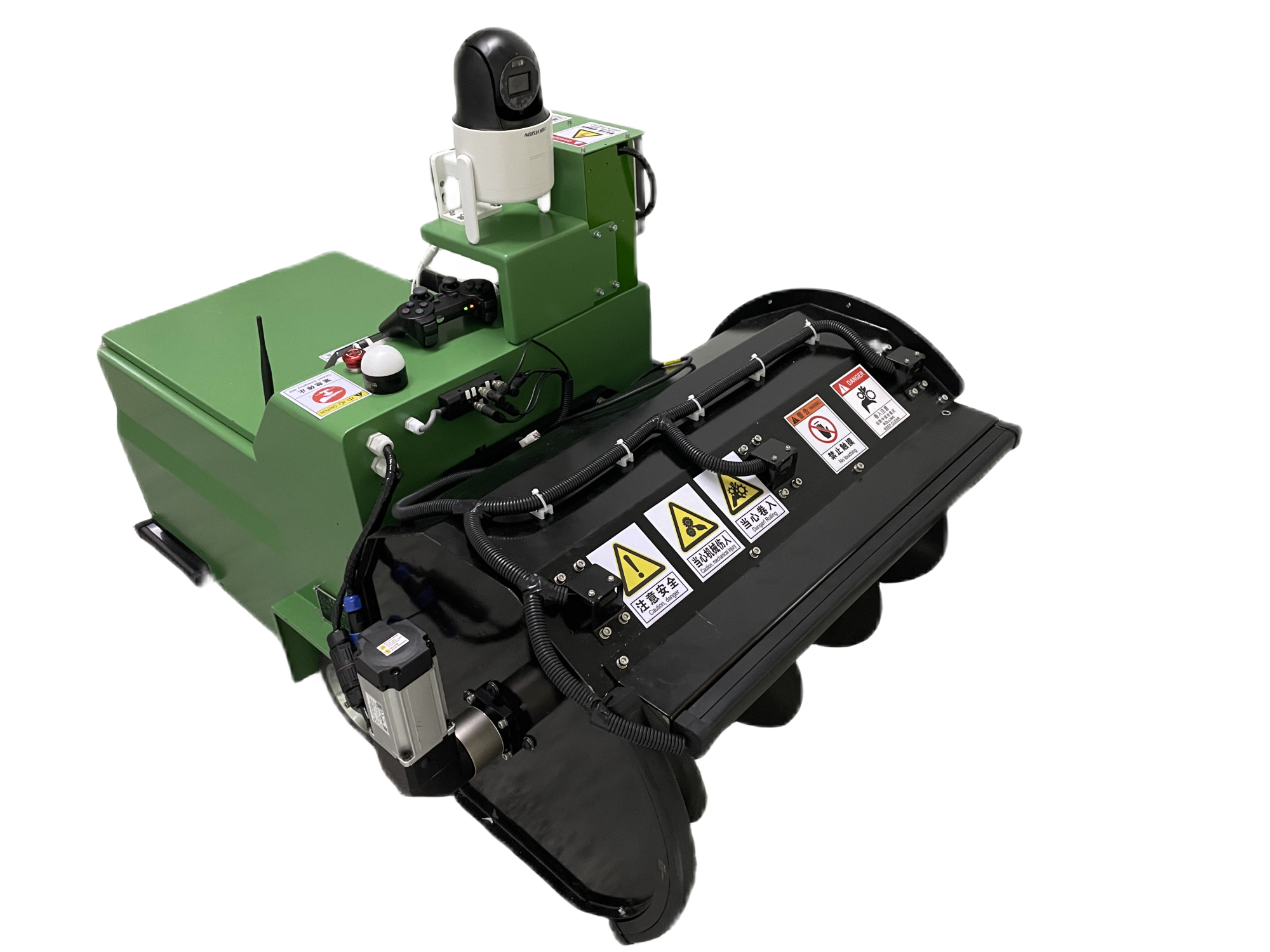 |
- Home
-
Products
- Pig Farming Equipment
- Cattle Farming Equipment
- Sheep & Goat Farming Equipment
- Poultry Farming Equipment
- Feeding & Drinking Systems
- Veterinary & Breeding Equipment
- Testing & Diagnostic Equipment
- Cleaning & Biosecurity Equipment
- Climate Control Equipment
- Livestock Weighing Equipment
- Manure & Waste Management
- Farm Transport & Handling
-
Solutions
- Pig Farm Solutions
- Dairy Farm Solutions
- Beef Cattle Farm Solutions
- Sheep & Goat Farm Solutions
- Layer Farm Solutions
- Broiler Farm Solutions
- Feeding & Drinking System Solutions
- Climate Control Solutions
- Biosecurity & Disinfection Solutions
- Manure & Waste Management
- Smart Farming Solutions
- Farm Renovation and Upgrade Solutions
- Partners
- Projects
- Resources
- News
- About Us
- Contact

Comments & Inquiries
Leave your questions or requirements below. We will reply as soon as possible.