

| Product Showcase | Content | ||||||||||||||||||||||||
| Product Name | Multi-Zone Electric Brooding System | ||||||||||||||||||||||||
| Product Image | 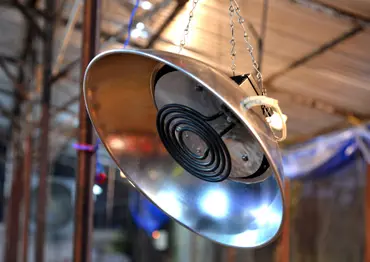 |
||||||||||||||||||||||||
| Product Overview |
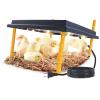
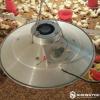
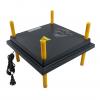
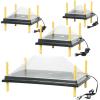
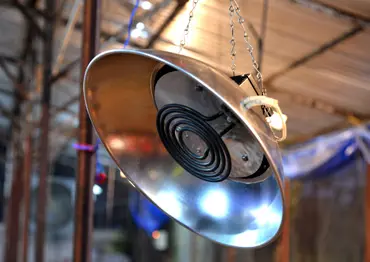
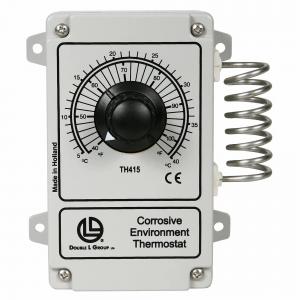
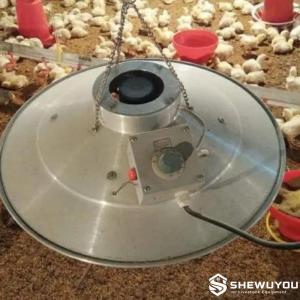
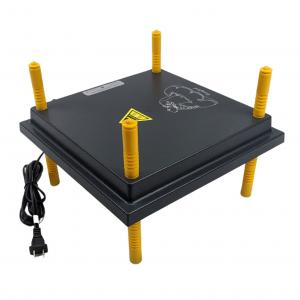
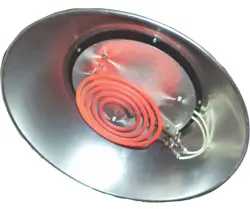
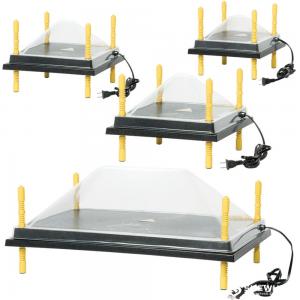
The Multi-Zone Electric Brooding System is designed for commercial poultry houses where different brooding areas require independent and accurate temperature management. Multiple electric radiant brooders can be divided into separate heating zones, each controlled by dedicated temperature sensors, thermostats, relays or a centralized poultry-house climate controller. The zoned configuration allows heat to be supplied according to the actual requirements of each section instead of operating every heater at the same output. This is particularly useful for partial-house brooding, staged chick placement, different stocking densities and poultry buildings where temperature conditions vary between sections. |
||||||||||||||||||||||||
| Key Features |
|
||||||||||||||||||||||||
| Structural Components |
|
||||||||||||||||||||||||
| Working Principle |
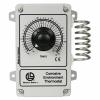
The poultry house is divided into designated heating zones. Each zone contains one or more electric brooders together with a temperature sensor positioned to represent conditions at bird level. When the measured temperature in a zone falls below its programmed set point, the controller energizes the corresponding heater circuit. As the required temperature is reached, heat output is reduced or switched off according to the selected control method. Because each zone responds independently, heating can be matched more closely to local conditions such as outside-wall heat loss, bird density, chick age and partial-house stocking. A centralized climate controller can coordinate the heating demand with ventilation so that required air exchange is maintained without unnecessary heat loss. Modern poultry climate controllers can manage separate barn zones, multiple temperature sensors and several heating zones, providing a practical control architecture for multi-zone brooding installations. |
||||||||||||||||||||||||
| Technical Specifications |
|
||||||||||||||||||||||||
| Applications |
|
||||||||||||||||||||||||
| Customization Options |
|
||||||||||||||||||||||||
| Installation & Maintenance |
Divide the poultry house into heating zones according to building dimensions, chick placement strategy, insulation, ventilation layout and expected heat loss. Install the electric brooders at evenly distributed positions within each zone and suspend them from structurally suitable roof trusses or steel-frame members. Place each temperature sensor at a representative chick-level location. Sensors should not be installed immediately beneath a radiant element, beside an air inlet or in another position that does not represent normal bird conditions. Electrical distribution should be designed for the maximum simultaneous heater load. Each zone should have suitable circuit protection, switching devices, grounding and emergency isolation according to local electrical standards. Installation and commissioning should be completed by qualified electrical personnel. Before chick placement, preheat the building and check every zone independently. Confirm sensor readings, controller set points, heater response and floor-level heat distribution. Observe chick behavior after placement and fine-tune individual zone settings when required. Disconnect electrical power before maintenance. Regularly inspect heating elements, reflectors, wiring, terminals, sensors, control panels and suspension hardware. Remove accumulated dust and litter to maintain effective heat transfer and safe operation. |
||||||||||||||||||||||||
| Product FAQ |
Q: What is a multi-zone electric brooding system? A: It divides a poultry house into independently controlled heating sections so each area can receive heat according to its actual temperature requirement. Q: Why use separate brooding zones? A: Separate zones help compensate for differences in heat loss, stocking density, chick placement and building conditions while avoiding unnecessary heating of unused areas. Q: Can each zone have a different temperature setting? A: Yes. A compatible controller can use separate sensors and set points to manage different zones independently. Q: Can the heating system operate with the poultry-house ventilation controller? A: Yes. Compatible climate controllers can coordinate heating with ventilation, cooling and other environmental functions. Q: Is the system suitable for partial-house brooding? A: Yes. Selected heating zones can be operated according to chick placement while other sections remain at reduced temperature. Q: How many zones can be installed? A: Zone quantity depends on house layout, controller capacity, electrical distribution and project requirements. Q: Can an existing poultry house be upgraded to zone heating? A: Yes. Existing electric heating systems can often be divided into independently controlled circuits after evaluating the electrical infrastructure and heater arrangement. Q: Can a complete system be customized? A: Yes. Brooder capacity, zone quantity, sensors, control cabinets, electrical voltage, suspension arrangement and controller integration can be configured according to project requirements. |
||||||||||||||||||||||||
| Product Gallery |   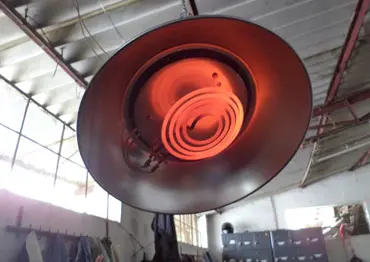 |
- Home
-
Products
- Pig Farming Equipment
- Cattle Farming Equipment
- Sheep & Goat Farming Equipment
- Poultry Farming Equipment
- Feeding & Drinking Systems
- Veterinary & Breeding Equipment
- Testing & Diagnostic Equipment
- Cleaning & Biosecurity Equipment
- Climate Control Equipment
- Livestock Weighing Equipment
- Manure & Waste Management
- Farm Transport & Handling
-
Solutions
- Pig Farm Solutions
- Dairy Farm Solutions
- Beef Cattle Farm Solutions
- Sheep & Goat Farm Solutions
- Layer Farm Solutions
- Broiler Farm Solutions
- Feeding & Drinking System Solutions
- Climate Control Solutions
- Biosecurity & Disinfection Solutions
- Manure & Waste Management
- Smart Farming Solutions
- Farm Renovation and Upgrade Solutions
- Partners
- Projects
- Resources
- News
- About Us
- Contact
Comments & Inquiries
Leave your questions or requirements below. We will reply as soon as possible.