

| Product Showcase | Content | ||||||||||||||||||||||||||||
| Product Name | Electric Brooder Temperature Controller | ||||||||||||||||||||||||||||
| Product Image | 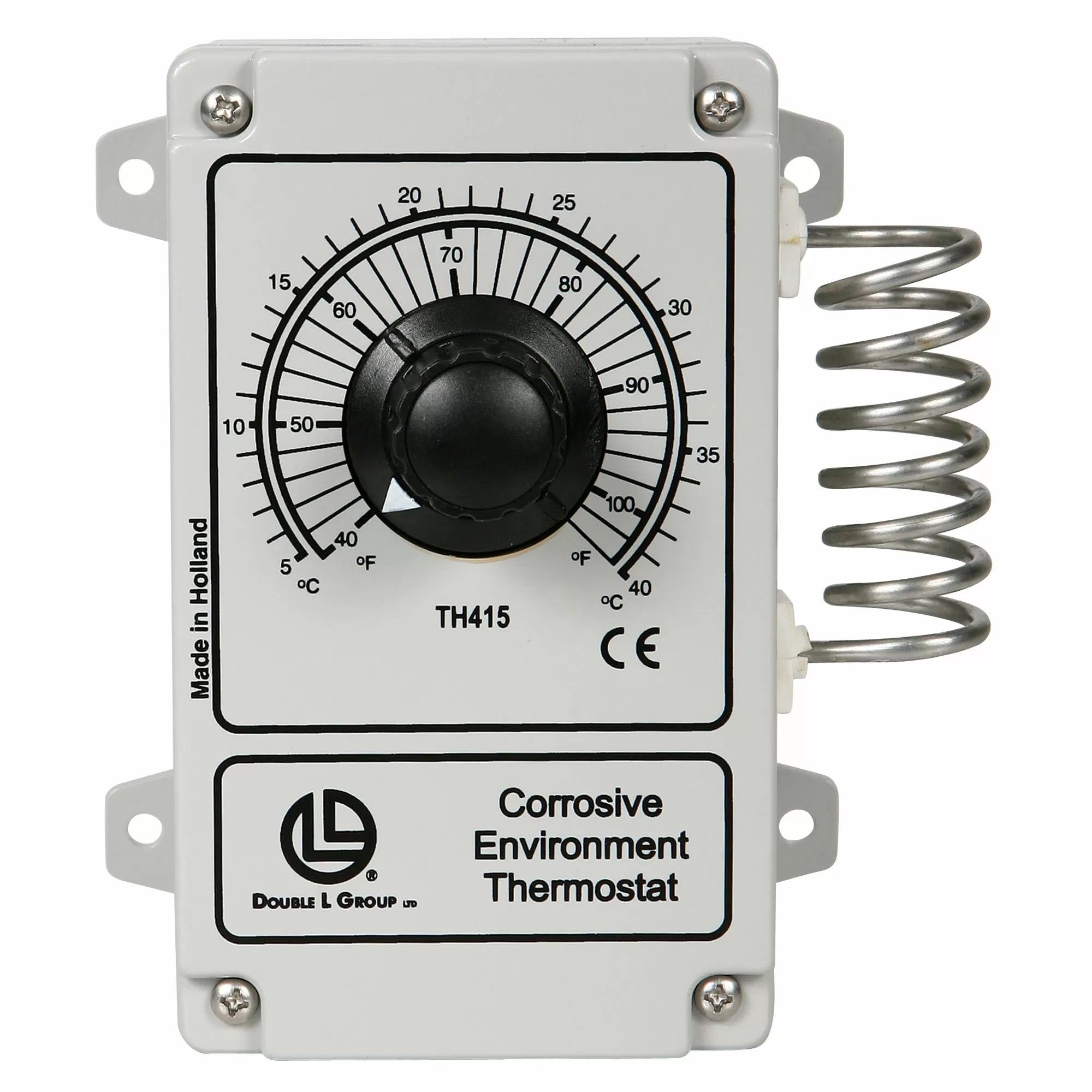 |
||||||||||||||||||||||||||||
| Product Overview |
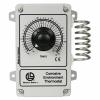
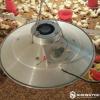
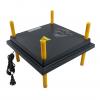
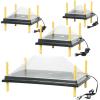
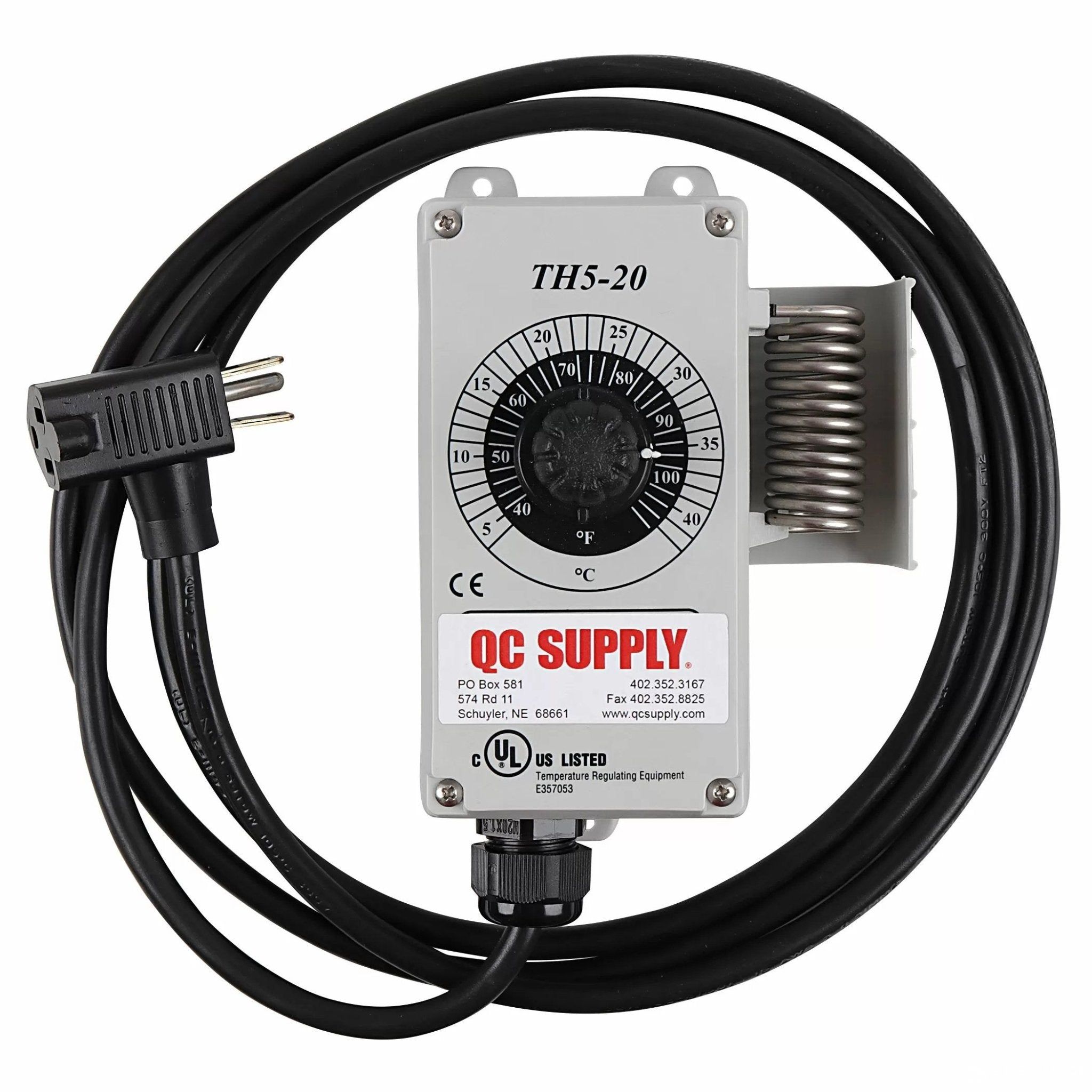
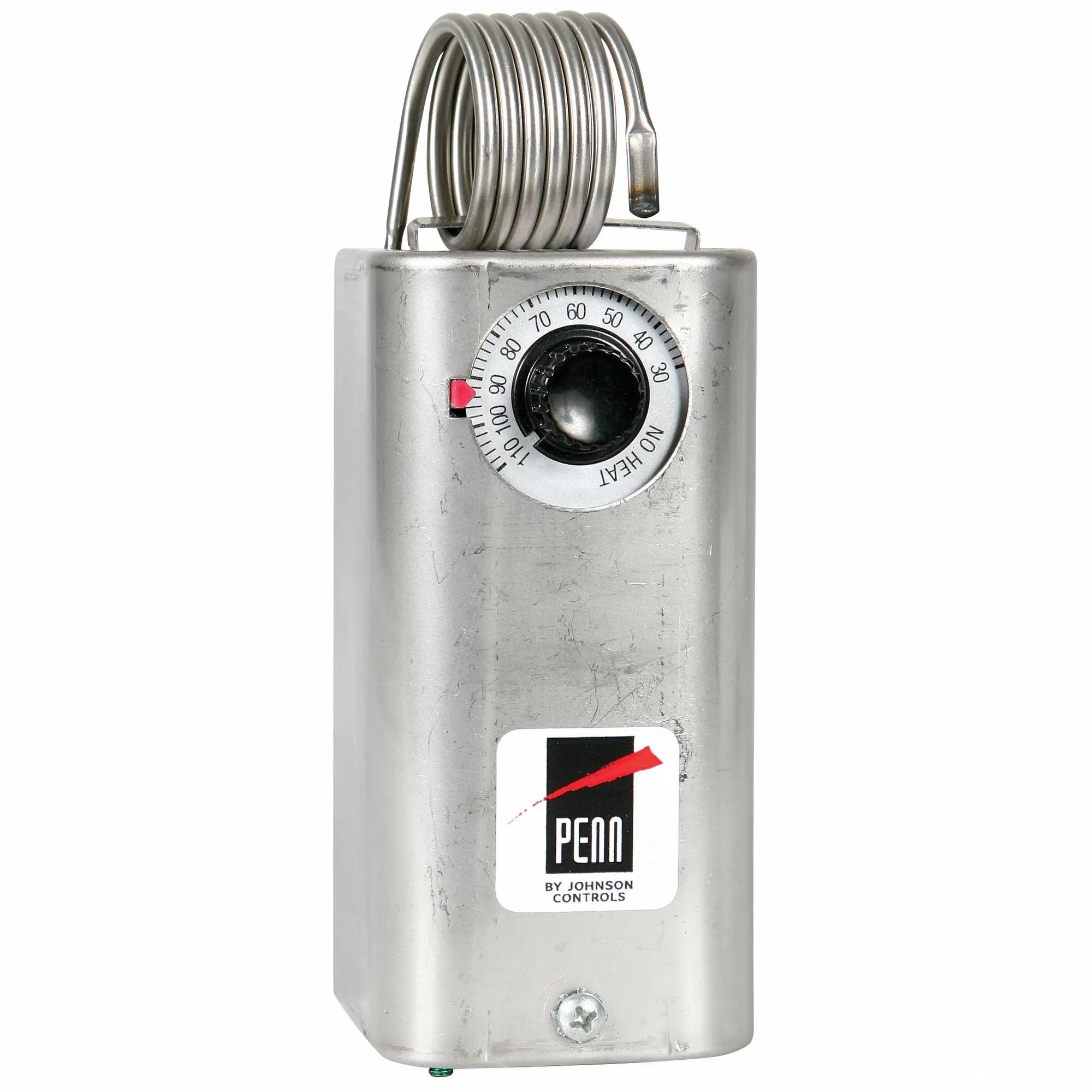
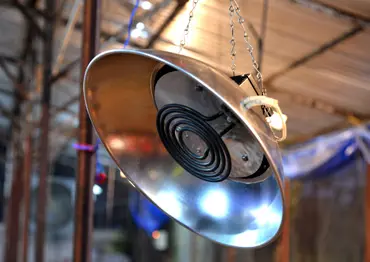
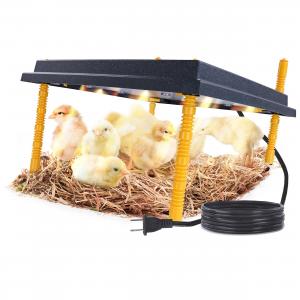
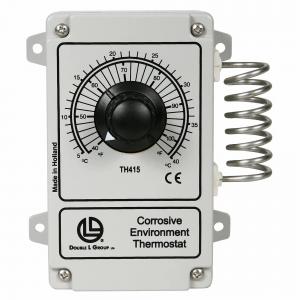
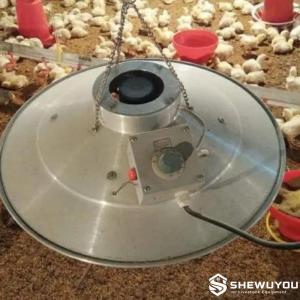
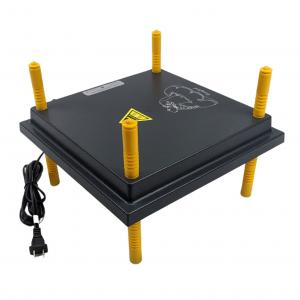
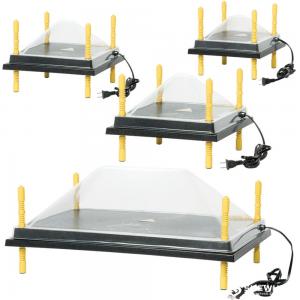
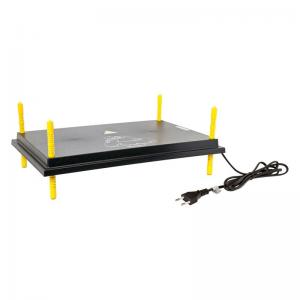
The Electric Brooder Temperature Controller is designed to automatically manage compatible electric brooders, infrared heaters, heating plates and other localized poultry heating equipment according to the required brooding temperature. A temperature sensor monitors the surrounding environment and switches or regulates the connected heater according to the selected setpoint. This helps maintain more consistent conditions for chicks, poults, ducklings and other young poultry while reducing unnecessary continuous heater operation. Suitable for commercial poultry houses, hatcheries, breeder farms and livestock buildings, the controller can be configured for different voltage, sensor, enclosure and control requirements. Selection should be based on heater electrical load, installation environment and required control method. |
||||||||||||||||||||||||||||
| Key Features |
|
||||||||||||||||||||||||||||
| Structural Components |
|
||||||||||||||||||||||||||||
| Working Principle |
The temperature sensor continuously monitors conditions in the selected brooding zone. The measured temperature is compared with the setpoint selected on the controller. When the temperature falls below the required level, the controller energizes the connected brooder or heater. When the temperature rises to the control threshold, the controller switches the heater off or changes the output stage according to the selected control configuration. This automatic heating cycle helps maintain a more stable microclimate while allowing the poultry-house ventilation and lighting systems to operate independently. |
||||||||||||||||||||||||||||
| Technical Specifications |
Final voltage, relay capacity, temperature range, sensor configuration and enclosure protection should be confirmed according to the connected electric brooder and project electrical requirements. |
||||||||||||||||||||||||||||
| Applications |
|
||||||||||||||||||||||||||||
| Customization Options |
|
||||||||||||||||||||||||||||
| Installation & Maintenance |
Installation
Maintenance
|
||||||||||||||||||||||||||||
| Project Cases |
Electric brooder temperature controllers are suitable for commercial poultry farms using multiple localized electric heaters. SHEWUYOU can configure controller quantity, sensor positions, electrical distribution and heater grouping according to poultry-house drawings, brooding-zone layout and electrical load requirements. |
||||||||||||||||||||||||||||
| Product FAQ |
Q1: What does an electric brooder temperature controller do? It monitors temperature and switches compatible electric heating equipment according to the selected setpoint. Q2: Can it control an infrared electric brooder? Yes, provided the controller voltage and electrical output rating are suitable for the heater load. Q3: Can it be used with a heating plate? Compatible heating plates can be controlled when their electrical design permits external thermostat switching. Q4: Where should the temperature sensor be installed? The sensor should be positioned in a representative bird-level or brooding-zone location and should not be directly exposed to concentrated heater radiation unless required by the system design. Q5: Are mechanical and digital versions available? Yes. Mechanical dial and digital control configurations are available according to project requirements. Q6: Can one controller operate several brooders? Yes, when the combined electrical load is within the controller capacity or when suitable contactors or relays are used in the control system. Q7: Is a moisture-resistant enclosure available? Yes. Farm-duty moisture-resistant and corrosion-resistant enclosure configurations are available upon request. Q8: Can SHEWUYOU supply the controller with electric brooders? Yes. Controllers, sensors, electric brooders, heating plates and related electrical accessories can be supplied as a coordinated poultry-heating package. |
||||||||||||||||||||||||||||
| Product Gallery |
|
- Home
-
Products
- Pig Farming Equipment
- Cattle Farming Equipment
- Sheep & Goat Farming Equipment
- Poultry Farming Equipment
- Feeding & Drinking Systems
- Veterinary & Breeding Equipment
- Testing & Diagnostic Equipment
- Cleaning & Biosecurity Equipment
- Climate Control Equipment
- Livestock Weighing Equipment
- Manure & Waste Management
- Farm Transport & Handling
-
Solutions
- Pig Farm Solutions
- Dairy Farm Solutions
- Beef Cattle Farm Solutions
- Sheep & Goat Farm Solutions
- Layer Farm Solutions
- Broiler Farm Solutions
- Feeding & Drinking System Solutions
- Climate Control Solutions
- Biosecurity & Disinfection Solutions
- Manure & Waste Management
- Smart Farming Solutions
- Farm Renovation and Upgrade Solutions
- Partners
- Projects
- Resources
- News
- About Us
- Contact
Comments & Inquiries
Leave your questions or requirements below. We will reply as soon as possible.