
| Product Showcase | Content | ||||||||||||||||||||||||||||||||
| Product Name | Portable Curved Cattle Handling Race System | ||||||||||||||||||||||||||||||||
| Product Image |  |
||||||||||||||||||||||||||||||||
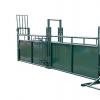
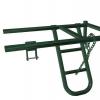
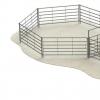
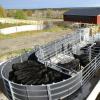
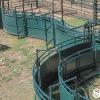
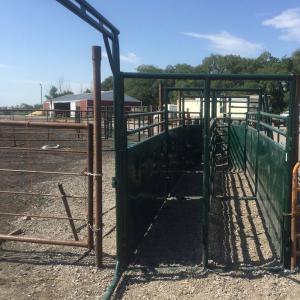
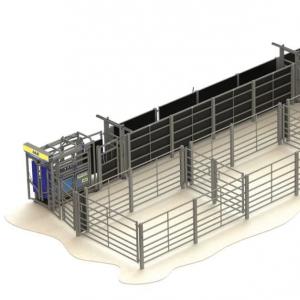
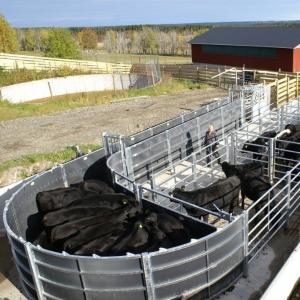
| Product Overview | The Portable Curved Cattle Handling Race System is a modular livestock handling solution designed for temporary or frequently relocated cattle-processing areas in fields, farmyards, grazing blocks and remote livestock facilities. Its semi-circular forcing area guides cattle from a wider holding zone into a controlled single-file race. Curved sheeted panels reduce external visual distractions, while strategically positioned viewing gaps maintain operator visibility and support more orderly cattle movement. The complete system can be dismantled and stored on a purpose-built transport frame, allowing it to be moved by tractor three-point linkage or pallet forks. Left-hand and right-hand configurations provide additional flexibility for different farm layouts. |
||||||||||||||||||||||||||||||||
| Key Features |
|
||||||||||||||||||||||||||||||||
| Structural Components |
|
||||||||||||||||||||||||||||||||
| Working Principle | Animal Entry: Cattle enter the wide semi-circular forcing area from a temporary holding pen or field enclosure. Progressive Forcing: The operator moves the curved forcing gate forward as required. The continuous ratchet system locks the gate progressively and helps prevent cattle from forcing it backwards. Curved Movement: Sheeted radius panels guide animals around the forcing area while limiting distracting external views. Single-File Transition: The curved holding area narrows toward the race so cattle enter the final handling section individually. Final Processing: A cattle crush, headgate, livestock scale or other handling equipment can be connected to the end of the race according to project requirements. |
||||||||||||||||||||||||||||||||
| Technical Specifications |
|
||||||||||||||||||||||||||||||||
| Applications |
|
||||||||||||||||||||||||||||||||
| Customization Options |
|
||||||||||||||||||||||||||||||||
| Installation & Maintenance | Position the transport frame on firm and even ground before assembly. At least two trained people should handle heavy sheeted panels during erection and dismantling. Select the required left-hand or right-hand cattle-flow configuration before connecting the support frames, radius panels, forcing gate and straight race components. All coupling rods should be fully engaged and positioned away from the animal-contact area. Before admitting cattle, test the forcing gate throughout its complete travel and confirm that the spring latch engages correctly at each ratchet position. A cattle crush, headgate, weighing system or other suitable restraint equipment should be securely connected to the end of the race where required. Regularly inspect gate pivots, ratchet plates, spring latches, coupling rods, transport-frame restraints and galvanized surfaces. Clean manure and soil from moving components, and repair damaged corrosion protection promptly. During transport, all components should be securely restrained on the transport frame using appropriate straps and safety chains. |
||||||||||||||||||||||||||||||||
| Product FAQ | Q: Is this system designed for permanent installation? A: It can be used repeatedly in one location, but its main advantage is portability between fields, grazing areas and farmyards. Q: What is the reference diameter of the forcing area? A: The reference semi-circular system uses a forcing ring with an approximately 5000mm nominal diameter. Q: Can the cattle-flow direction be reversed? A: Yes. The modular radiused components can be assembled for either left-hand or right-hand animal flow. Q: How does the forcing gate prevent cattle from pushing backwards? A: A progressive ratchet and spring-latch arrangement provides multiple locking points as the gate moves around the forcing area. Q: How is the system transported? A: Components pack onto a purpose-built frame that can be handled using tractor three-point linkage or pallet forks on the reference configuration. Q: Can a cattle crush be connected to the race? A: Yes. A cattle crush, headgate, weighing system or other suitable handling equipment can be connected to the end of the race. Q: Does the system require electricity or hydraulics? A: No. The standard forcing and gate functions are mechanically operated. Q: Can additional holding panels be supplied? A: Yes. Additional cattle hurdles, gates and temporary holding-pen components can be supplied according to project requirements. |
||||||||||||||||||||||||||||||||
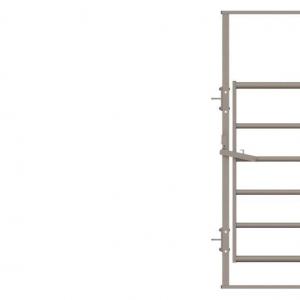
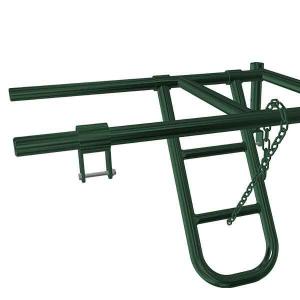
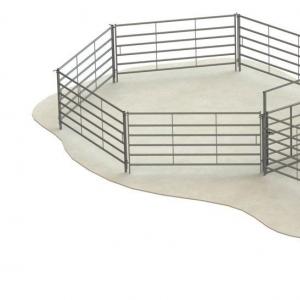
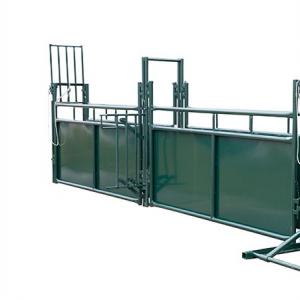
| Product Gallery | 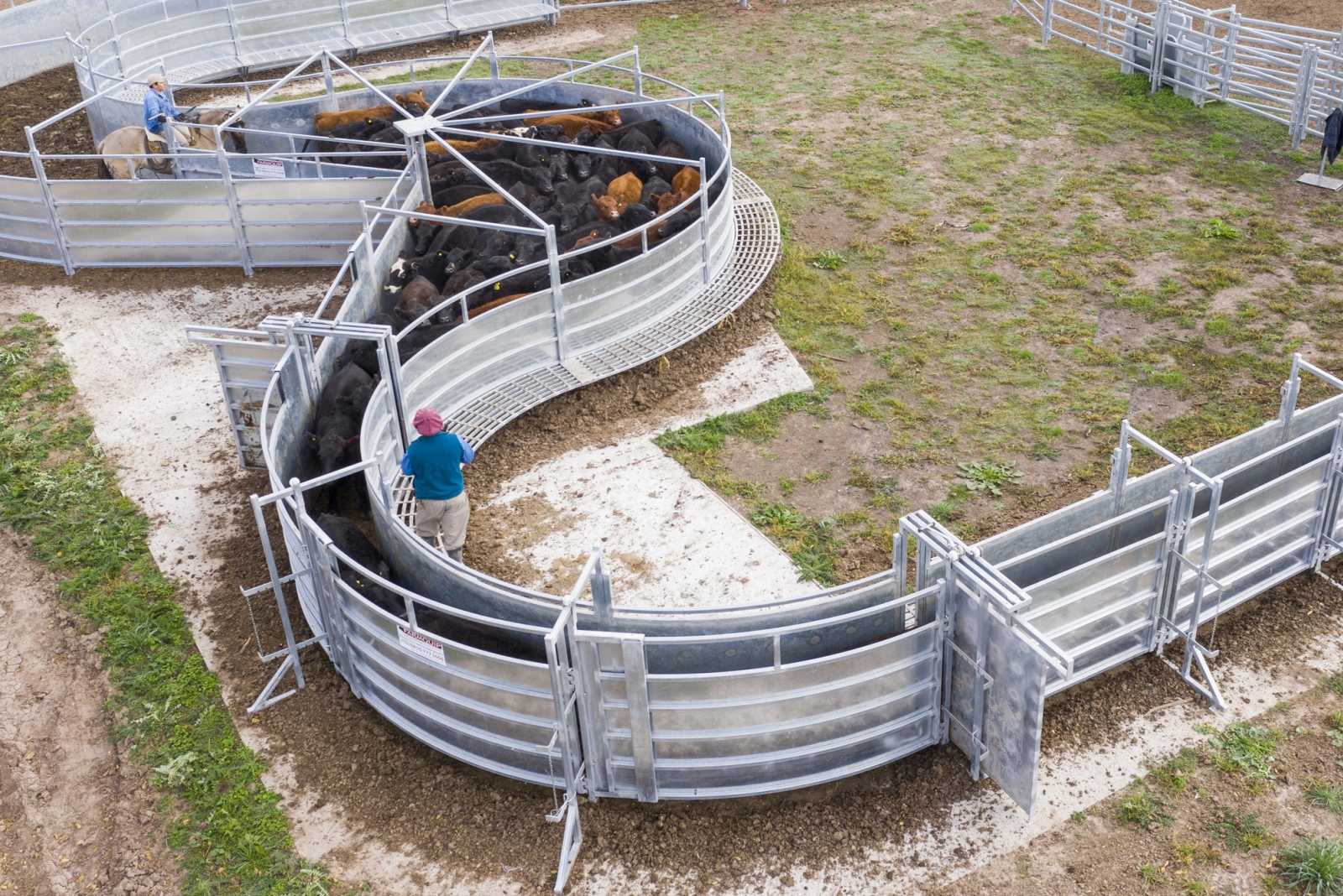   |
- Home
-
Products
- Pig Farming Equipment
- Cattle Farming Equipment
- Sheep & Goat Farming Equipment
- Poultry Farming Equipment
- Feeding & Drinking Systems
- Veterinary & Breeding Equipment
- Testing & Diagnostic Equipment
- Cleaning & Biosecurity Equipment
- Climate Control Equipment
- Livestock Weighing Equipment
- Manure & Waste Management
- Farm Transport & Handling
-
Solutions
- Pig Farm Solutions
- Dairy Farm Solutions
- Beef Cattle Farm Solutions
- Sheep & Goat Farm Solutions
- Layer Farm Solutions
- Broiler Farm Solutions
- Feeding & Drinking System Solutions
- Climate Control Solutions
- Biosecurity & Disinfection Solutions
- Manure & Waste Management
- Smart Farming Solutions
- Farm Renovation and Upgrade Solutions
- Partners
- Projects
- Resources
- News
- About Us
- Contact
Comments & Inquiries
Leave your questions or requirements below. We will reply as soon as possible.