

| Product Showcase | Content | ||||||||||||||||||||||||||||
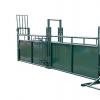
| Product Name | Double Cattle Handling Alley | ||||||||||||||||||||||||||||
| Product Image | 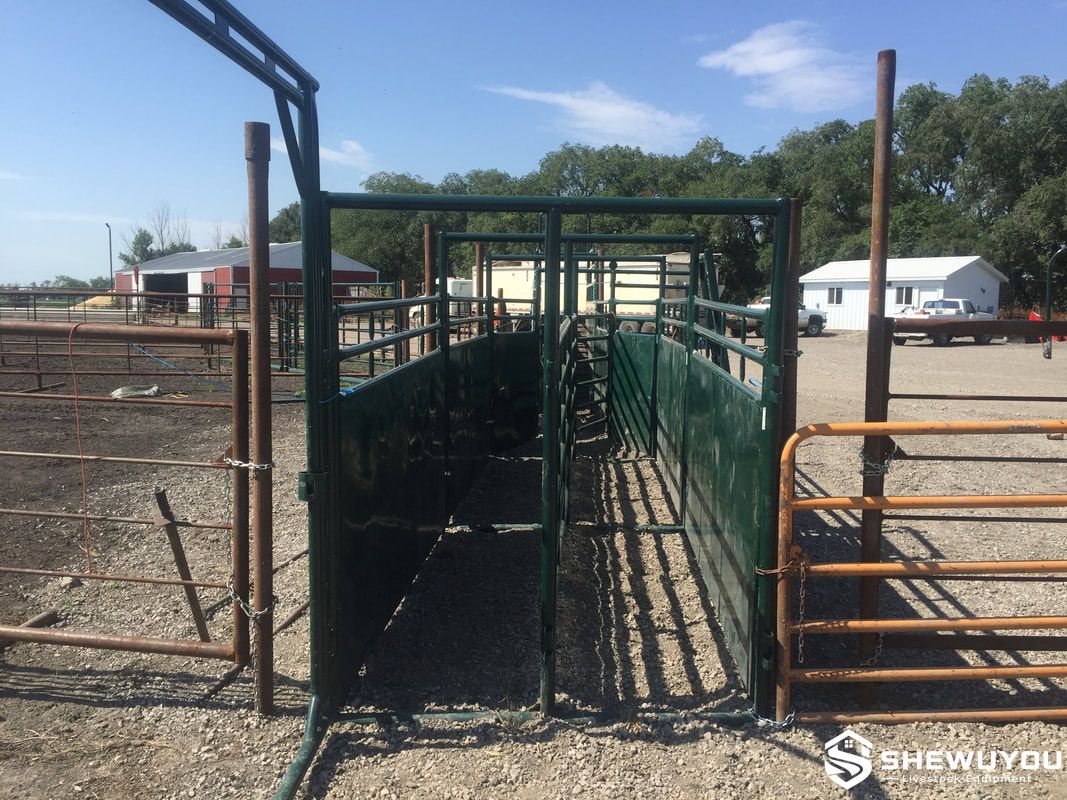 |
||||||||||||||||||||||||||||
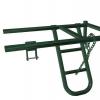
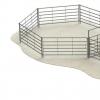
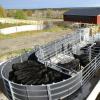
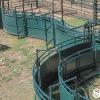
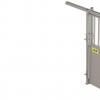
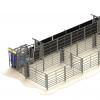
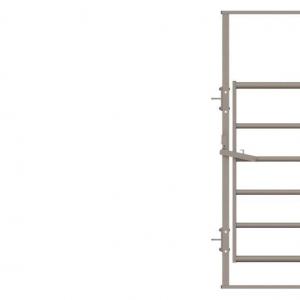
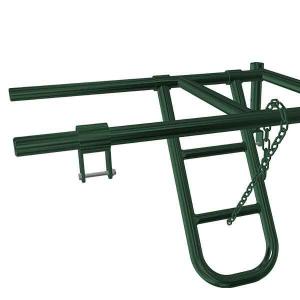
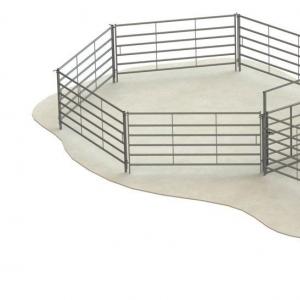
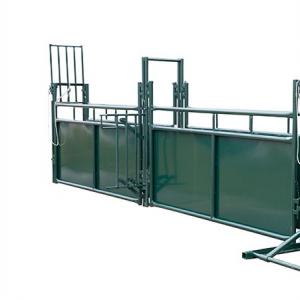
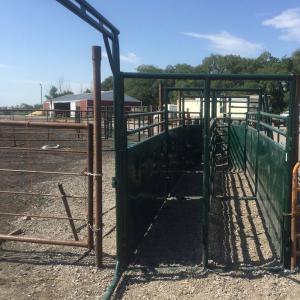
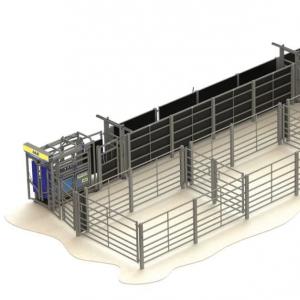
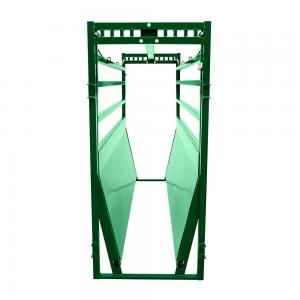
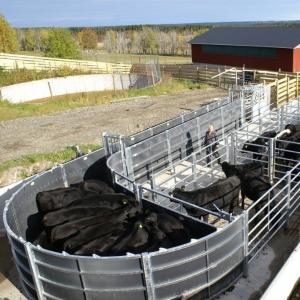
| Product Overview | The Double Cattle Handling Alley is a high-throughput livestock race designed to allow two cattle to enter and travel side by side before being smoothly funneled into a single-file working alley. The wide double entry is easier for cattle to locate and allows animals to remain beside herd mates during the first stage of processing. This helps reduce hesitation and improves cattle flow from a crowding tub, Bud Box or holding pen toward the cattle crush. The modular system combines fixed-width spreaders, sheeted outside panels and an open center divider. Optional rolling doors and sorting gates can be incorporated according to the cattle-yard layout. |
||||||||||||||||||||||||||||
| Key Features |
|
||||||||||||||||||||||||||||
| Structural Components |
|
||||||||||||||||||||||||||||
| Working Principle | Wide Entry: Cattle leave the crowding area and enter a wide two-lane opening that is easier to locate than a narrow single-file entrance. Side-by-Side Movement: Two cattle advance simultaneously with another animal beside them, supporting natural herd movement. Controlled Flow: Sheeted outer panels limit distractions while the center divider keeps animals separated into two parallel lanes. Alternating Funnel: At the downstream end, the lanes progressively merge so cattle transition from two-abreast movement into a single-file race. Final Processing: Animals proceed individually into a palpation section, sorting station, weighing system or cattle squeeze chute. |
||||||||||||||||||||||||||||
| Technical Specifications |
|
||||||||||||||||||||||||||||
| Applications |
|
||||||||||||||||||||||||||||
| Customization Options |
|
||||||||||||||||||||||||||||
| Installation & Maintenance | Install the double alley on a firm livestock-yard surface and align the entry directly with the crowding tub, Bud Box or holding area. Position the double-alley spreaders accurately so both lanes remain parallel and maintain the specified working width. Install the center divider securely along the full dual-lane section. The downstream transition should gradually funnel animals into a single-file alley without abrupt projections or unnecessary gaps. Align this section with the palpation cage, weighing station or cattle crush. Where rolling doors or sorting gates are installed, confirm unobstructed gate travel and secure latching before processing cattle. Regularly inspect panel pins, spreaders, center-divider connections, sheeted panels, gates and structural fasteners. Remove accumulated manure and mud from gate tracks and animal walking surfaces. |
||||||||||||||||||||||||||||
| Product FAQ | Q: Why use a double cattle alley instead of a single alley? A: The dual-lane entrance allows two animals to move together, increasing throughput and helping reduce hesitation caused by isolation. Q: What is the reference width of each fixed lane? A: The non-adjustable reference configuration uses approximately 32-inch-wide lanes. Q: Do cattle remain two abreast all the way to the crush? A: No. The double alley progressively funnels cattle into a single-file race before the palpation section or cattle crush. Q: Why is the center divider open rather than fully sheeted? A: The open divider keeps cattle in separate lanes while allowing them to remain visually connected with neighboring animals. Q: Can a sorting gate be incorporated? A: Yes. A fixed-width double-alley spreader with a sorting gate can be supplied according to the handling layout. Q: Can flow-control doors be installed? A: Yes. Rolling-door spreaders can be incorporated to stop or regulate cattle movement. Q: Can the system connect directly to a crowding tub or Bud Box? A: Yes. The modular alley can be configured behind a crowding tub, Bud Box or compatible curved handling alley. Q: Is an adjustable double-alley version also available? A: Yes. Adjustable dual-lane configurations can be supplied when one system must handle calves, yearlings, heifers and larger cattle. |
||||||||||||||||||||||||||||
| Product Gallery | 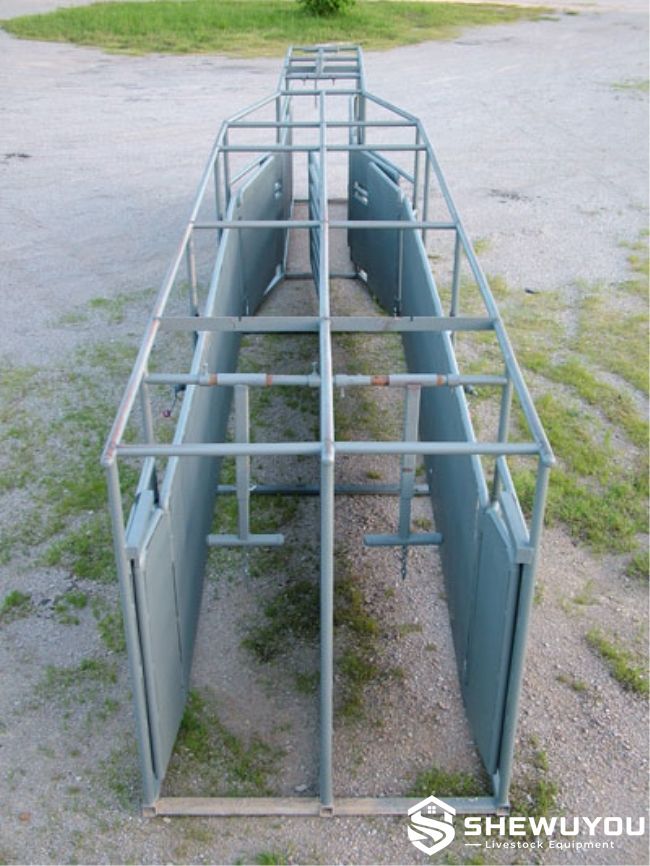 |
- Home
-
Products
- Pig Farming Equipment
- Cattle Farming Equipment
- Sheep & Goat Farming Equipment
- Poultry Farming Equipment
- Feeding & Drinking Systems
- Veterinary & Breeding Equipment
- Testing & Diagnostic Equipment
- Cleaning & Biosecurity Equipment
- Climate Control Equipment
- Livestock Weighing Equipment
- Manure & Waste Management
- Farm Transport & Handling
-
Solutions
- Pig Farm Solutions
- Dairy Farm Solutions
- Beef Cattle Farm Solutions
- Sheep & Goat Farm Solutions
- Layer Farm Solutions
- Broiler Farm Solutions
- Feeding & Drinking System Solutions
- Climate Control Solutions
- Biosecurity & Disinfection Solutions
- Manure & Waste Management
- Smart Farming Solutions
- Farm Renovation and Upgrade Solutions
- Partners
- Projects
- Resources
- News
- About Us
- Contact
Comments & Inquiries
Leave your questions or requirements below. We will reply as soon as possible.