
| Product Showcase | Content | ||||||||||||||||||||||||||||||||||||||||||
|---|---|---|---|---|---|---|---|---|---|---|---|---|---|---|---|---|---|---|---|---|---|---|---|---|---|---|---|---|---|---|---|---|---|---|---|---|---|---|---|---|---|---|---|
| Product Name | 170L Calf Milk Cart with Pump | ||||||||||||||||||||||||||||||||||||||||||
| Product Image | 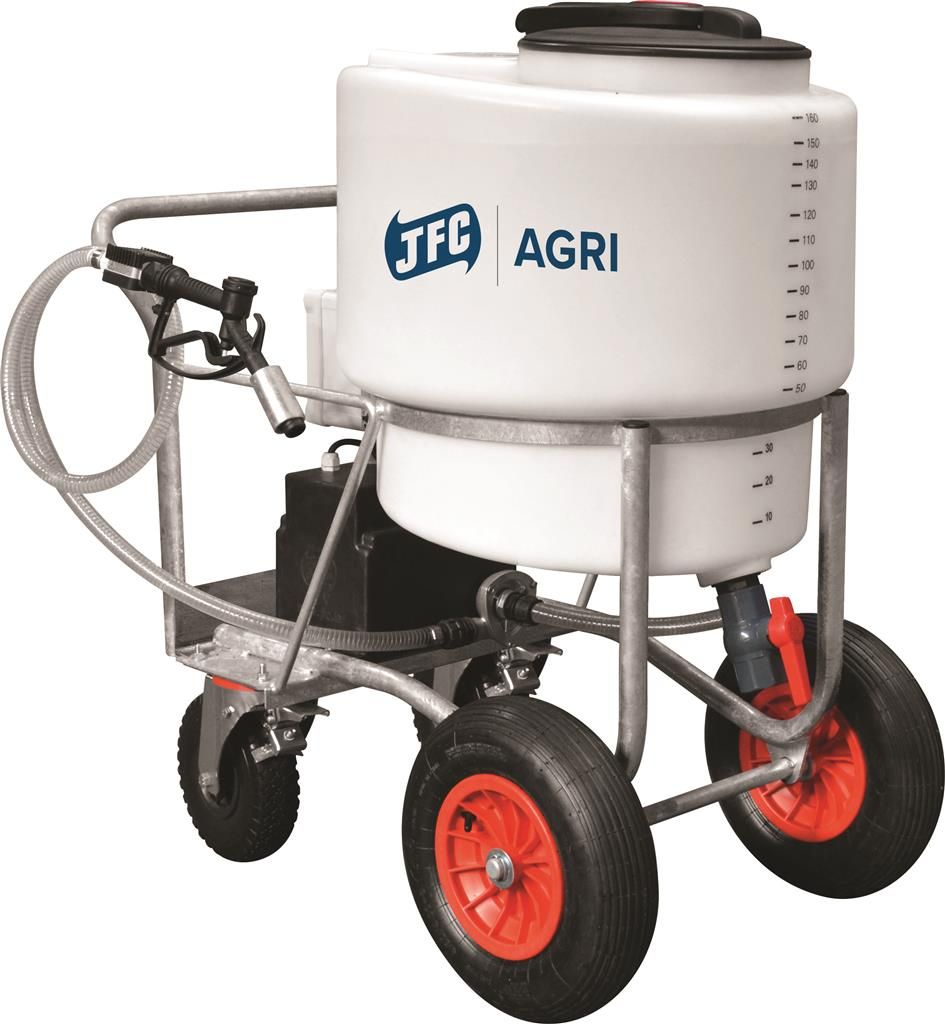 |
||||||||||||||||||||||||||||||||||||||||||
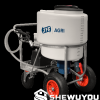
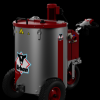
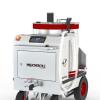
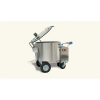
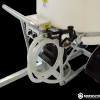
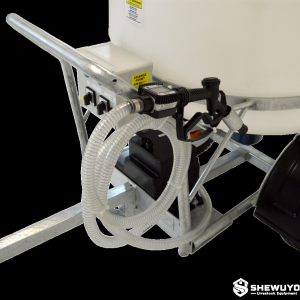
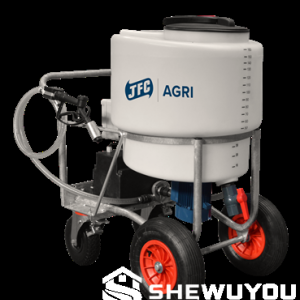
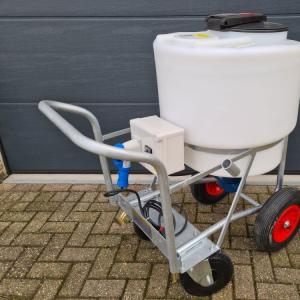
| Product Overview | The 170L Calf Milk Cart with Pump is a mobile calf-feeding trolley designed to transport and dispense bulk quantities of whole milk or pre-mixed liquid milk replacer around commercial dairy farms. A 170-liter polyethylene tank is mounted on a robust galvanized steel frame with two large front wheels and two braked swivel castors for maneuverability around calf barns, hutches and feeding passages. The integrated 12 V centrifugal pump transfers milk through a flexible hose to a dispensing nozzle, reducing repeated lifting and carrying of heavy milk buckets. This configuration is supplied as a pump-equipped milk cart without a motorized mixer. Milk replacer should therefore be prepared before loading unless a mixer-equipped alternative is selected. |
||||||||||||||||||||||||||||||||||||||||||
| Key Features |
|
||||||||||||||||||||||||||||||||||||||||||
| Structural Components |
|
||||||||||||||||||||||||||||||||||||||||||
| Working Principle | Prepared whole milk or pre-mixed liquid milk replacer is poured into the 170 L polyethylene tank through the large top opening and the lid is secured before transport. The operator manually moves the cart from the milk preparation area to the calf housing area. When feeding begins, the battery-powered centrifugal pump draws liquid from the tank and transfers it through the flexible hose. The operator uses the dispensing nozzle to deliver milk into individual calf buckets, teat feeders or other compatible feeding containers. The digital flow meter provides a convenient reference for monitoring the quantity dispensed. After the feeding round, the pump, hose, nozzle, outlet valve and tank should be rinsed and cleaned according to the farm's milk-feeding hygiene program, and the battery can be connected to its charger for the next feeding cycle. |
||||||||||||||||||||||||||||||||||||||||||
| Technical Specifications |
|
||||||||||||||||||||||||||||||||||||||||||
| Applications |
|
||||||||||||||||||||||||||||||||||||||||||
| Customization Options | The calf milk cart can be configured according to calf numbers, feeding route, barn layout and farm-management requirements. Available project options may include alternative hose lengths, dispensing nozzles, flow-meter configurations, charger specifications, wheel arrangements and milk-handling accessories. For farms requiring on-board milk-replacer preparation, a separate mixer-equipped or mixer-and-pump configuration can be selected. Electrical accessories and selected components are available upon request. |
||||||||||||||||||||||||||||||||||||||||||
| Installation & Maintenance |
|
||||||||||||||||||||||||||||||||||||||||||
| Product FAQ | Q: What is the capacity of the milk cart? A: The reference tank capacity is 170 liters. Q: Does this model include a milk-replacer mixer? A: No. This is the pump-only configuration. Milk replacer should be mixed before filling the tank, or a mixer-equipped alternative can be selected. Q: Can the cart dispense whole milk? A: Yes. It is suitable for transporting and dispensing whole milk as well as properly prepared liquid milk replacer. Q: What is the pump flow rate? A: The reference 12 V centrifugal pump can deliver up to approximately 36 liters per minute. Q: How is the pump powered? A: The reference configuration uses a rechargeable 12 V, 42 Ah battery. Q: How much milk can be dispensed on one battery charge? A: Under reference operating conditions, the system can dispense up to approximately 7,500 liters, equivalent to about 44 full 170-liter tank loads. Q: Can the amount of milk dispensed be monitored? A: Yes. A digital flow meter is incorporated into the dispensing system for convenient quantity monitoring. Q: Is it suitable for uneven farm surfaces? A: The large front wheels and rear swivel castors are designed for typical dairy-farm routes, although heavily uneven ground, steep slopes and unsuitable surfaces should be avoided when the cart is fully loaded. Q: How should the milk cart be cleaned? A: Milk-contact surfaces should be rinsed after use and cleaned regularly using approved dairy or calf-feeding equipment detergents, followed by thorough rinsing. Q: Can the hose and dispensing system be customized? A: Hose length, dispensing accessories and selected electrical components can be supplied according to project requirements. |
||||||||||||||||||||||||||||||||||||||||||
| Product Gallery |  |
- Home
-
Products
- Pig Farming Equipment
- Cattle Farming Equipment
- Sheep & Goat Farming Equipment
- Poultry Farming Equipment
- Feeding & Drinking Systems
- Veterinary & Breeding Equipment
- Testing & Diagnostic Equipment
- Cleaning & Biosecurity Equipment
- Climate Control Equipment
- Livestock Weighing Equipment
- Manure & Waste Management
- Farm Transport & Handling
-
Solutions
- Pig Farm Solutions
- Dairy Farm Solutions
- Beef Cattle Farm Solutions
- Sheep & Goat Farm Solutions
- Layer Farm Solutions
- Broiler Farm Solutions
- Feeding & Drinking System Solutions
- Climate Control Solutions
- Biosecurity & Disinfection Solutions
- Manure & Waste Management
- Smart Farming Solutions
- Farm Renovation and Upgrade Solutions
- Partners
- Projects
- Resources
- News
- About Us
- Contact
Comments & Inquiries
Leave your questions or requirements below. We will reply as soon as possible.