


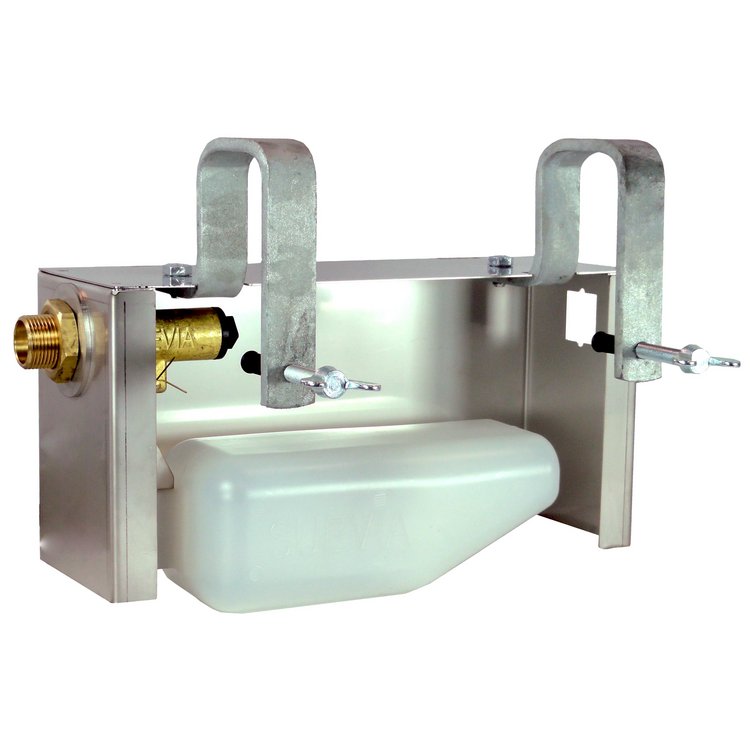

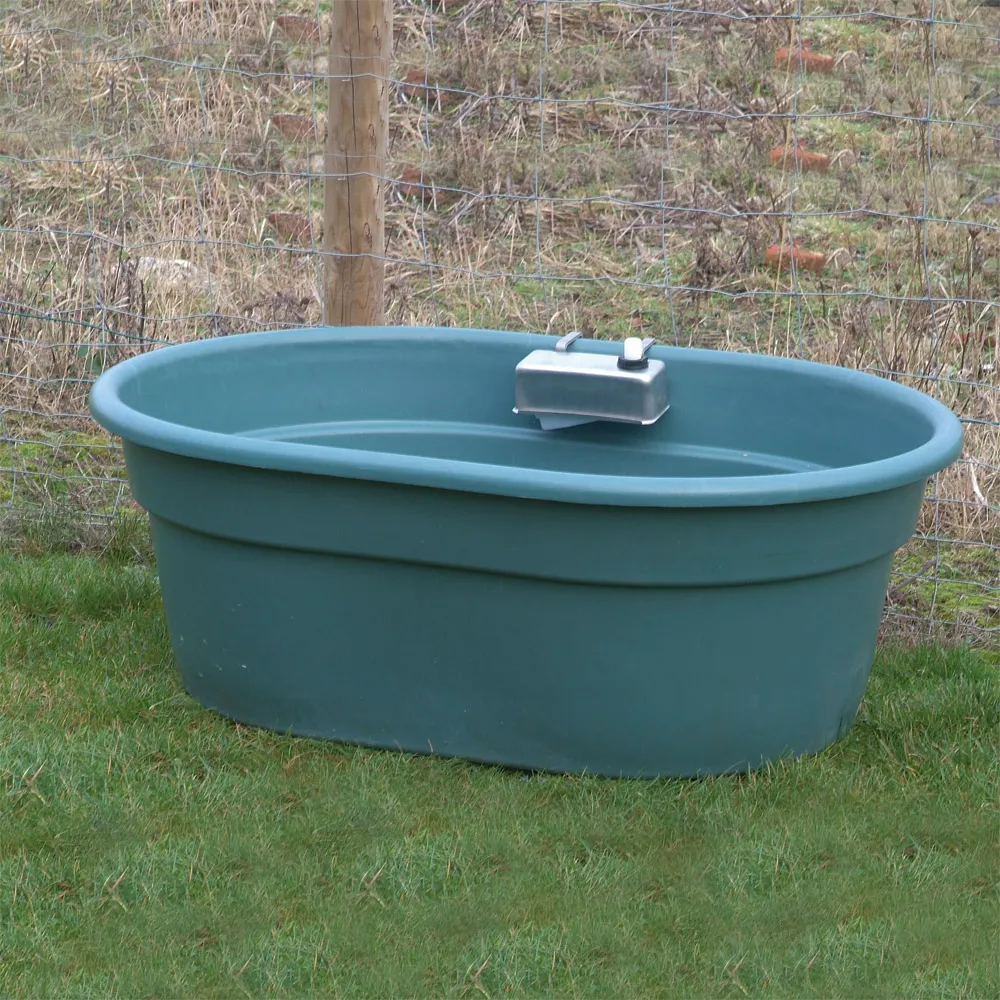

| Product Name | Low-Pressure Livestock Water Level Valve | ||||||||||||||||||
| Product Image |  |
||||||||||||||||||
| Product Overview | The Low-Pressure Livestock Water Level Valve is designed for automatic water-level control in livestock drinking bowls, troughs, pasture waterers and storage-fed drinking systems. The valve uses a mechanical float to open the water inlet when the water level drops and close it automatically when the required level is restored. This low-pressure configuration is particularly suitable for applications supplied from header tanks, pasture tanks, water barrels or other systems where available water pressure is lower than a conventional mains-water installation. The compact mechanical structure requires no electrical control and can be incorporated into livestock equipment projects for cattle, calves, goat-farming-equipment/" target="_blank" class="keylink">sheep, goats and other farm animals. Connection arrangements and installation accessories can be configured according to project requirements. |
||||||||||||||||||
| Key Features |
|
||||||||||||||||||
| Structural Components | A typical low-pressure livestock float valve consists of:
|
||||||||||||||||||
| Working Principle | The float rests on the water surface and moves according to changes in the trough water level. When animals drink and the water level falls, the float moves downward. The connected lever opens the valve nozzle and allows fresh water to enter the drinking container. As the container refills, the float rises with the water surface. When the preset level is reached, the lever closes the valve and stops the incoming water flow. This simple mechanical control principle maintains water availability while reducing the need for manual filling. Float valves are widely used in livestock troughs because they provide an open drinking surface with a relatively constant water level. |
||||||||||||||||||
| Technical Specifications |
|
||||||||||||||||||
| Applications |
|
||||||||||||||||||
| Customization Options |
|
||||||||||||||||||
| Installation & Maintenance | Install the valve at a suitable position on the drinking bowl, trough or water container. The float must have sufficient clearance to move freely through its complete operating range without touching the trough wall, pipework or protective structure. Connect the inlet to the appropriate low-pressure water supply and check that all threaded connections and seals are secure. After turning on the water, observe the opening and closing action and confirm that the desired water level is maintained. Routine maintenance should include checking float movement, inspecting the lever and valve seal, removing sediment from the inlet area and confirming that the water passage remains unobstructed. Water troughs and drinking bowls should be cleaned regularly to limit feed residues, dirt and organic contamination. The water supply should be isolated before the valve is removed or serviced. |
||||||||||||||||||
| Project Cases | Low-pressure water level valves can be used in livestock projects where drinking troughs are supplied from elevated storage tanks, pasture tanks or other low-pressure water sources. For cattle, sheep and goat farms, multiple valves can be installed at separate drinking points according to herd distribution and available water storage capacity. In complete livestock equipment projects, the valve can be supplied together with troughs, water pipes, filters, connectors and related installation accessories according to farm drawings and water supply conditions. |
||||||||||||||||||
| Product FAQ | Q: What is a low-pressure livestock water level valve? A: It is a mechanically operated float valve that automatically refills a livestock drinking container when the water level falls and closes when the selected level is restored. Q: What water connection does the reference low-pressure valve use? A: The Kerbl reference configuration uses a G 1/2-inch water connection. Q: What is the water flow rate of the reference valve? A: Kerbl specifies approximately 4 L/min at 0.5 bar and 6 L/min at 3 bar for the reference low-pressure version. Q: Does the valve require electricity? A: No. Water level regulation is performed mechanically by the float and lever mechanism. Q: Can it be used with a pasture water tank? A: Low-pressure float valves are suitable for many tank-fed and pasture watering applications when the available pressure and required flow rate match the valve configuration. Q: Can the valve be supplied with drinking troughs? A: Yes. Compatible troughs, bowls, pipe fittings and other livestock drinking equipment can be supplied according to project requirements. |
||||||||||||||||||
| Product Gallery |  |
- Home
-
Products
- Pig Farming Equipment
- Cattle Farming Equipment
- Sheep & Goat Farming Equipment
- Poultry Farming Equipment
- Feeding & Drinking Systems
- Veterinary & Breeding Equipment
- Testing & Diagnostic Equipment
- Cleaning & Biosecurity Equipment
- Climate Control Equipment
- Livestock Weighing Equipment
- Manure & Waste Management
- Farm Transport & Handling
-
Solutions
- Pig Farm Solutions
- Dairy Farm Solutions
- Beef Cattle Farm Solutions
- Sheep & Goat Farm Solutions
- Layer Farm Solutions
- Broiler Farm Solutions
- Feeding & Drinking System Solutions
- Climate Control Solutions
- Biosecurity & Disinfection Solutions
- Manure & Waste Management
- Smart Farming Solutions
- Farm Renovation and Upgrade Solutions
- Partners
- Projects
- Resources
- News
- About Us
- Contact




Comments & Inquiries
Leave your questions or requirements below. We will reply as soon as possible.