


| Product Name | Drinking Water Line Pipe Coupling | ||||||||||||||||||||
| Product Image | 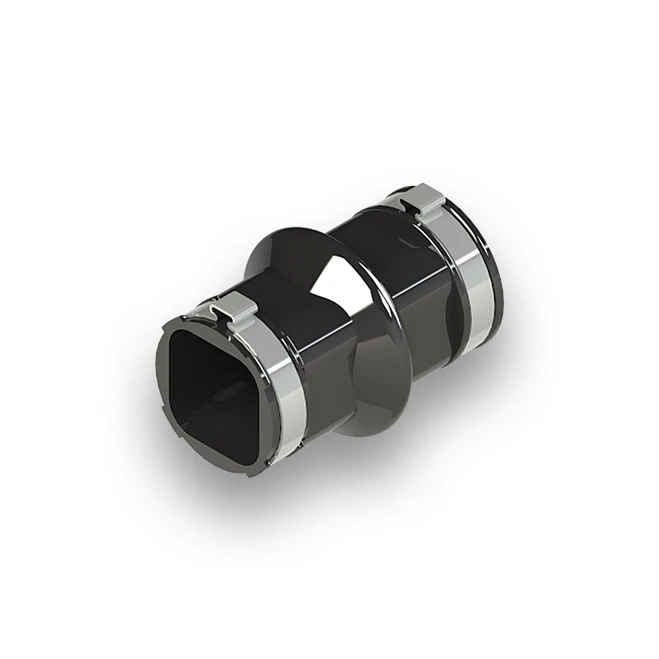 |
||||||||||||||||||||
| Product Overview | The Drinking Water Line Pipe Coupling is a connecting component designed for joining individual pipe sections in automatic nipple drinking systems. It provides a secure transition between adjacent drinking line elements while helping maintain a continuous and leak-resistant water passage. Expansion-style couplings are particularly suitable for modular poultry drinking lines, where multiple nipple pipe sections must be connected end-to-end across long livestock houses. The flexible connector body accommodates the pipe ends, while external clamps secure the joint during operation. The coupling can be supplied as part of complete livestock equipment packages for poultry houses, pig farm construction support facilities, steel structure building projects and drinking system renovation applications. |
||||||||||||||||||||
| Key Features |
|
||||||||||||||||||||
| Structural Components | A typical drinking water line pipe coupling may include:
|
||||||||||||||||||||
| Working Principle | During installation, the end of one drinking pipe section is inserted into the flexible expansion connector of the adjacent section. The pipe is pushed into position until the required engagement depth is reached. Clamps on both sides of the connector are then secured around the coupling. This compresses the flexible connector around the pipe ends and helps create a stable, water-resistant joint. When the complete drinking line is assembled, water can pass continuously through the connected pipe sections to the nipple drinkers along the line. |
||||||||||||||||||||
| Technical Specifications |
|
||||||||||||||||||||
| Applications |
|
||||||||||||||||||||
| Customization Options |
|
||||||||||||||||||||
| Installation & Maintenance | Lay the drinking pipe sections in alignment before connecting them. Insert the pipe end fully into the expansion coupling and ensure that both pipe sections remain straight before securing the clamps. The reference LUBING installation method uses an expansion connector between adjacent square drinking pipes, with clamps secured on both sides of the connector. The corresponding carrier profiles are then joined firmly to maintain correct longitudinal alignment. After completing installation, inspect all connections and test the complete water line for leakage before commissioning. During routine maintenance, inspect the coupling body and clamps for loosening, deformation, cracking or leakage. Damaged components should be replaced before the drinking line is returned to normal operation. |
||||||||||||||||||||
| Project Cases | Drinking water line pipe couplings are commonly used in long commercial poultry houses where multiple factory-prepared nipple pipe sections must be connected into continuous drinking lines. For new poultry farm construction and steel structure building projects, coupling quantities can be calculated according to drinking line length, individual pipe section length and house layout. The coupling can also be supplied as a replacement component for maintenance, renovation and extension of existing livestock drinking systems. |
||||||||||||||||||||
| Product FAQ | Q: What is the main purpose of the pipe coupling? A: It joins two adjacent nipple drinking pipe sections and helps create a continuous, sealed water passage. Q: How is the coupling secured? A: Expansion-style drinking line connectors are typically secured with clamps or crimp rings positioned around both ends of the connector. Q: Is a 28 mm version available? A: Yes. A 28 mm expansion connector configuration is used in comparable commercial poultry drinking systems. Other dimensions can be supplied according to project requirements. Q: Can the coupling be used for drinking line repairs? A: Yes. It is suitable for joining replacement pipe sections during drinking system maintenance or renovation when the dimensions are compatible. Q: Can the coupling size be customized? A: Yes. Connection dimensions can be selected according to the drinking pipe profile and project requirements. Q: Should the drinking line be tested after installation? A: Yes. The complete water system should be checked for secure joints and leakage before normal operation. |
||||||||||||||||||||
| Product Gallery | 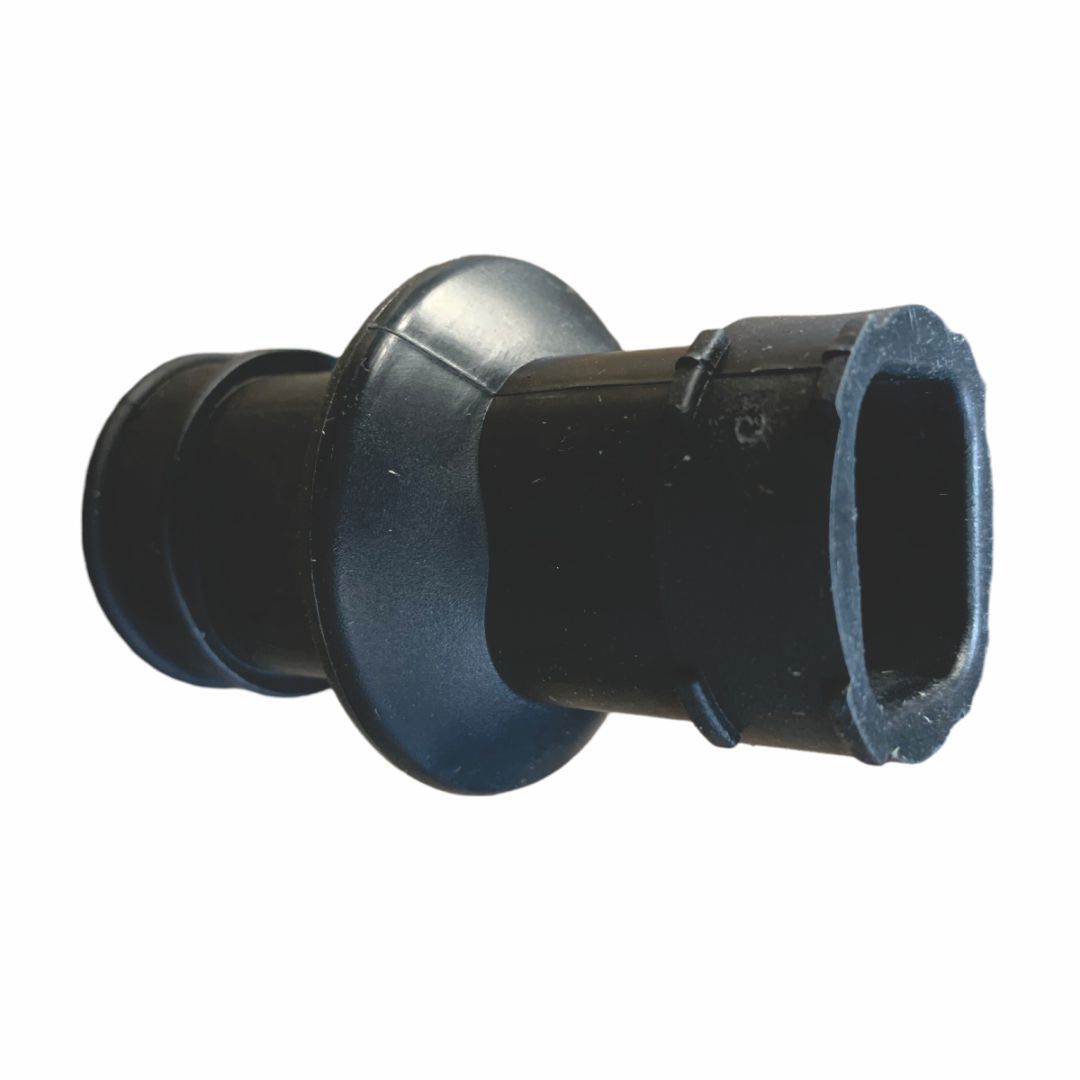  |
- Home
-
Products
- Pig Farming Equipment
- Cattle Farming Equipment
- Sheep & Goat Farming Equipment
- Poultry Farming Equipment
- Feeding & Drinking Systems
- Veterinary & Breeding Equipment
- Testing & Diagnostic Equipment
- Cleaning & Biosecurity Equipment
- Climate Control Equipment
- Livestock Weighing Equipment
- Manure & Waste Management
- Farm Transport & Handling
-
Solutions
- Pig Farm Solutions
- Dairy Farm Solutions
- Beef Cattle Farm Solutions
- Sheep & Goat Farm Solutions
- Layer Farm Solutions
- Broiler Farm Solutions
- Feeding & Drinking System Solutions
- Climate Control Solutions
- Biosecurity & Disinfection Solutions
- Manure & Waste Management
- Smart Farming Solutions
- Farm Renovation and Upgrade Solutions
- Partners
- Projects
- Resources
- News
- About Us
- Contact


Comments & Inquiries
Leave your questions or requirements below. We will reply as soon as possible.