


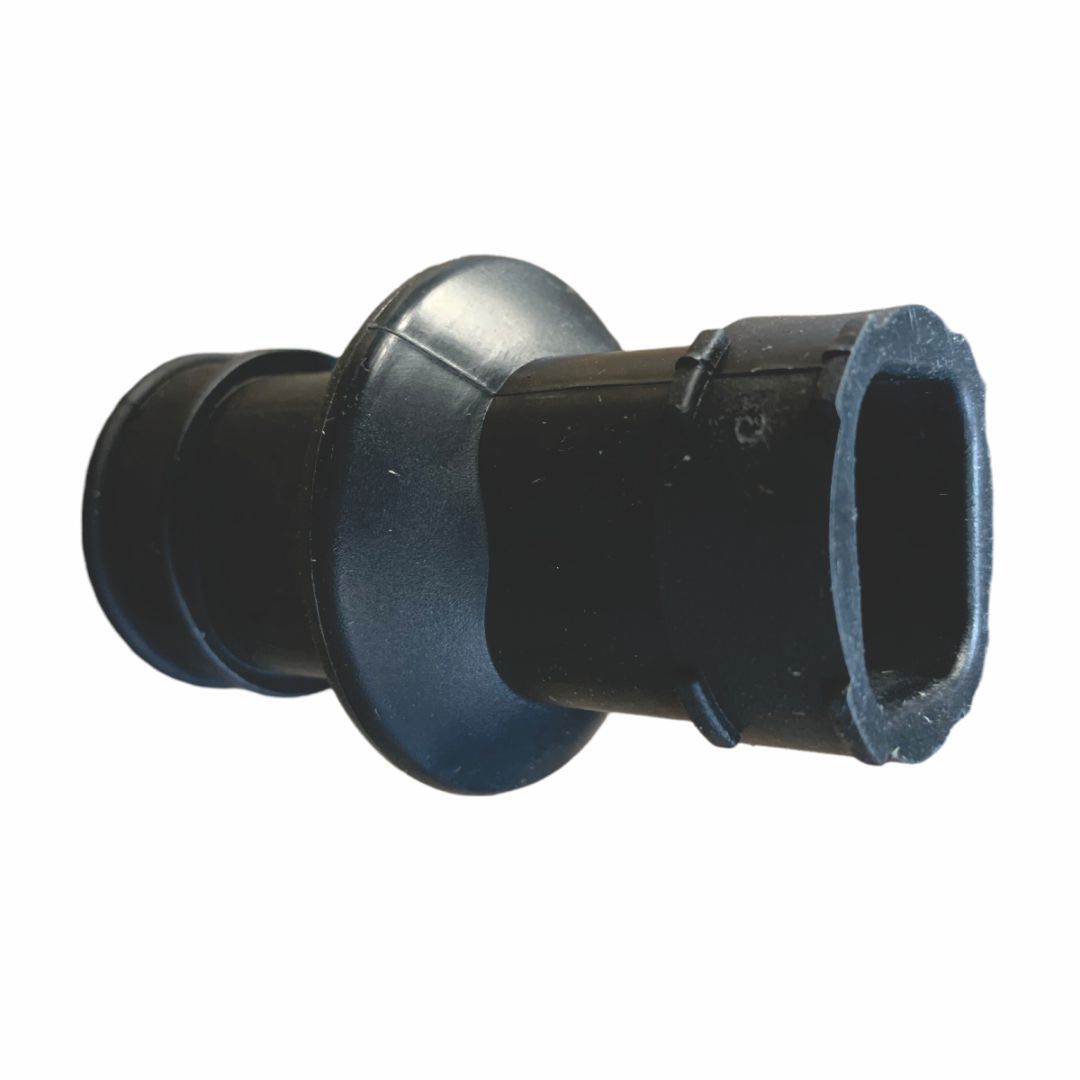

| Product Name | Livestock Drinking System Water Filter | ||||||||||||||||||||
| Product Image |  |
||||||||||||||||||||
| Product Overview | The Livestock Drinking System Water Filter is an important water treatment component installed upstream of poultry and livestock drinking lines. It is designed to capture sediment, suspended particles and other solid impurities before water reaches pressure regulators, nipple drinkers, valves and related drinking system components. By reducing particulate contamination entering the water distribution network, the filter helps maintain reliable operation of small water passages and drinking valves while supporting routine drinking-line hygiene management. The unit can be used as an individual in-line filter or integrated into a complete water control panel with pressure regulation, water metering, medication dosing and flushing components. It is suitable for commercial poultry houses, pig farms and other livestock equipment projects. |
||||||||||||||||||||
| Key Features |
|
||||||||||||||||||||
| Structural Components | A typical livestock drinking system water filter may include:
|
||||||||||||||||||||
| Working Principle | Water from the farm supply enters the filter housing before reaching the drinking system. As the water passes through the filter element, suspended solid particles are retained while filtered water continues toward the downstream pressure regulator, water meter, medicator or drinking line. Accumulated debris is removed during routine cleaning. In a flushable configuration, operators can open the drain or flushing valve to discharge trapped contamination without dismantling the entire drinking water installation. The filter element should be inspected and cleaned or replaced according to source water quality, livestock water consumption and the pressure condition across the filter. |
||||||||||||||||||||
| Technical Specifications |
|
||||||||||||||||||||
| Applications |
|
||||||||||||||||||||
| Customization Options |
|
||||||||||||||||||||
| Installation & Maintenance | Install the filter on the incoming water supply before sensitive downstream drinking system components. The flow direction marked on the filter or specified in the installation instructions should be followed. Adequate space should be reserved below and around the filter housing so that the bowl and filter element can be removed for inspection and maintenance. The assembly should be securely supported to prevent pipeline weight from placing excessive stress on the connections. Before commissioning, flush the upstream pipe and check all connections for leakage. After water begins flowing through the system, inspect the filter regularly for accumulated sediment. For transparent housings, contamination can be visually monitored. For other configurations, maintenance intervals should be determined according to water quality and operating conditions. Flushable filters should be periodically flushed, while replaceable elements should be cleaned or replaced when necessary to maintain sufficient water flow. |
||||||||||||||||||||
| Project Cases | Livestock water filters are commonly installed at the water inlet of commercial poultry houses and pig barns before the main drinking water distribution system. For complete livestock equipment projects, the filter can be combined with a water meter, pressure regulator, medicator, pressure gauge and drinking-line flushing system to form a centralized water management assembly. In new pig farm construction and steel structure building projects, filter quantity and capacity can be selected according to house layout, water source quality, drinking line quantity and expected livestock water demand. |
||||||||||||||||||||
| Product FAQ | Q: Why is a water filter needed in a livestock drinking system? A: It removes suspended particles before they enter pressure regulators, small valve passages and nipple drinkers, helping reduce blockage and maintain reliable water delivery. Q: Where should the filter be installed? A: It is normally installed on the incoming water supply before the pressure regulation and drinking line distribution equipment. Q: Is a transparent housing available? A: Yes. Transparent housing configurations can be supplied to make visual inspection of the filter element easier. Q: Can the filter be flushed without removing it? A: Flushable configurations are available. A drain or flushing valve allows accumulated particles to be discharged during routine maintenance. Q: Can it be integrated with a medicator? A: Yes. The filter can be incorporated into a water control panel with medicator connections and other drinking system components according to project requirements. Q: How often should the filter element be cleaned? A: The maintenance interval depends on source water quality, water consumption, sediment load and system operating conditions. Regular inspection is recommended. |
||||||||||||||||||||
| Product Gallery |   |
- Home
-
Products
- Pig Farming Equipment
- Cattle Farming Equipment
- Sheep & Goat Farming Equipment
- Poultry Farming Equipment
- Feeding & Drinking Systems
- Veterinary & Breeding Equipment
- Testing & Diagnostic Equipment
- Cleaning & Biosecurity Equipment
- Climate Control Equipment
- Livestock Weighing Equipment
- Manure & Waste Management
- Farm Transport & Handling
-
Solutions
- Pig Farm Solutions
- Dairy Farm Solutions
- Beef Cattle Farm Solutions
- Sheep & Goat Farm Solutions
- Layer Farm Solutions
- Broiler Farm Solutions
- Feeding & Drinking System Solutions
- Climate Control Solutions
- Biosecurity & Disinfection Solutions
- Manure & Waste Management
- Smart Farming Solutions
- Farm Renovation and Upgrade Solutions
- Partners
- Projects
- Resources
- News
- About Us
- Contact


Comments & Inquiries
Leave your questions or requirements below. We will reply as soon as possible.