


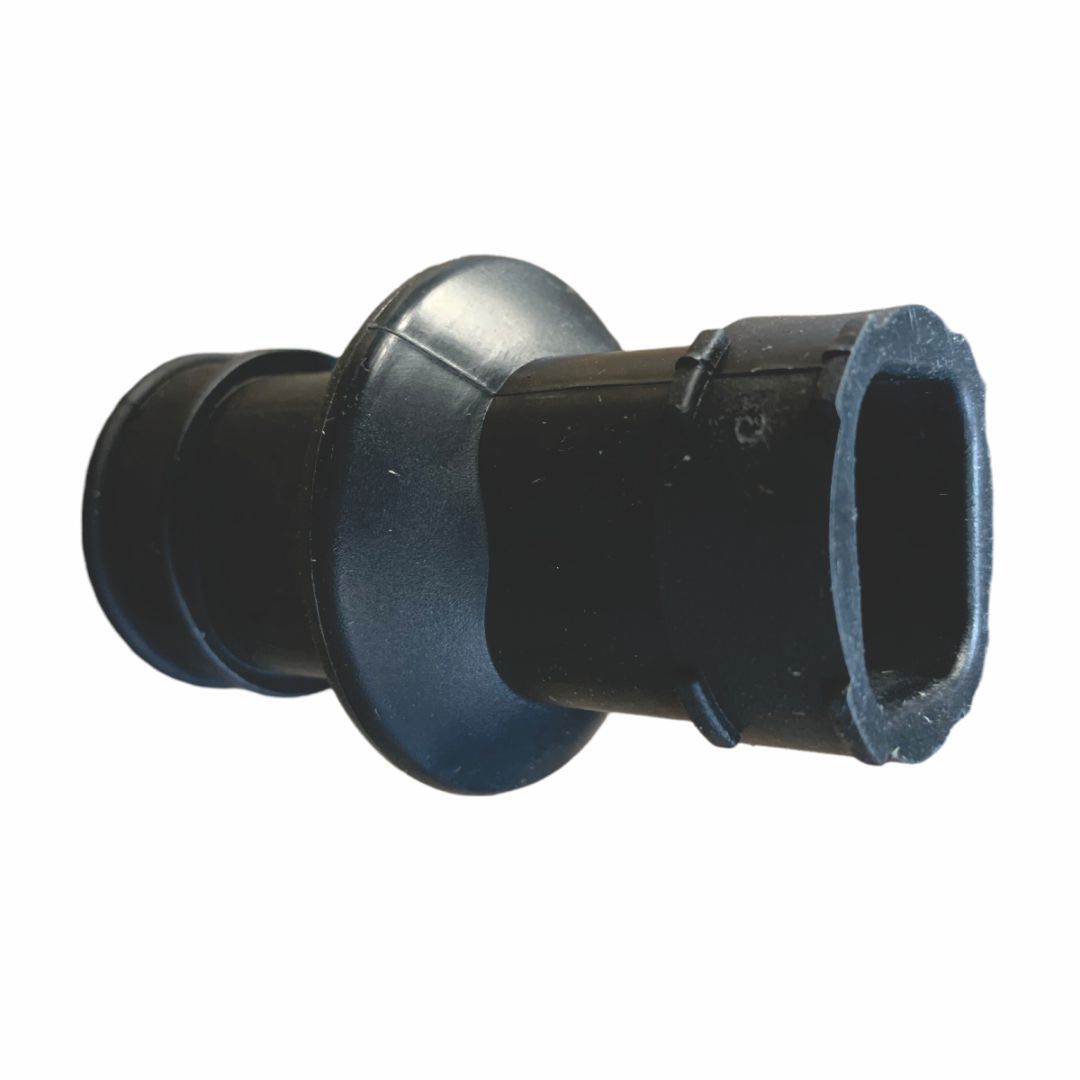

| Product Name | Drinking Line End Breather Assembly | ||||||||||||||||||
| Product Image |  |
||||||||||||||||||
| Product Overview | The Drinking Line End Breather Assembly is an end-of-line accessory used in poultry nipple drinking systems to help release trapped air, support flushing and provide a controlled termination point for the drinking pipeline. In commercial poultry houses, air trapped inside a drinking line can affect water movement during filling and flushing. A properly configured breather assembly allows air to escape more rapidly and helps the line return to normal operating conditions after cleaning or pressure changes. Chore-Time identifies a breather cap as an accessory that helps keep dust out of the water line while allowing air to be removed faster. The assembly can be used in broiler, pullet, breeder and other poultry drinking systems as part of a complete livestock equipment package. |
||||||||||||||||||
| Key Features |
|
||||||||||||||||||
| Structural Components | A typical line-end breather assembly may include:
|
||||||||||||||||||
| Working Principle | The breather assembly is installed at the downstream end of the drinking line. During filling, air inside the pipe moves toward the line end and is released through the breather section instead of remaining trapped inside the pipeline. During flushing, the end assembly provides a controlled outlet for water and accumulated residues. Depending on the selected design, the breather tube and valve mechanism may respond automatically to changes in line pressure. After flushing is completed and the line returns to drinking pressure, the assembly resumes its normal venting and line-end sealing function. |
||||||||||||||||||
| Technical Specifications |
|
||||||||||||||||||
| Applications |
|
||||||||||||||||||
| Customization Options |
|
||||||||||||||||||
| Installation & Maintenance | Install the breather assembly at the downstream end of the nipple drinking line according to the drinking system layout. The assembly should be kept upright where required and secured to the supporting profile or suspension structure. Confirm that the breather tube, vent opening and flush outlet are unobstructed. The line-end connection should be sealed correctly to prevent unwanted leakage during normal operation. During routine maintenance, inspect the breather cap, tube, seals and flush outlet for dust, mineral deposits or other blockages. The line should be flushed regularly according to farm water quality and flock management requirements. Chore-Time recommends keeping nipple water lines level and maintaining appropriate flushing and cleaning practices, especially on longer drinking lines. |
||||||||||||||||||
| Project Cases | Drinking line end breather assemblies are commonly installed together with nipple pipes, pressure regulators, suspension systems and flushing controls in complete poultry drinking projects. In large commercial poultry houses, each drinking line can be equipped with its own end breather and flushing arrangement to simplify line management, inspection and cleaning. For new poultry farm construction and steel structure building projects, the line-end assembly can be supplied as part of a complete livestock drinking system according to house length, pipe type and project requirements. |
||||||||||||||||||
| Product FAQ | Q: What does a drinking line end breather do? A: It helps release trapped air from the drinking line and can also provide an end point for flushing and drainage. Q: Why is air removal important? A: Removing trapped air helps the line fill more evenly and supports stable water movement during operation and flushing. Q: Does the breather help keep dust out? A: Yes. The Chore-Time reference system specifically identifies its breather cap as helping keep dust out of the water line while allowing faster air removal. Q: Can it be used for automatic flushing? A: Yes. Suitable configurations can be integrated with automatic line flushing systems according to project requirements. Q: Can it fit different drinking pipes? A: Yes. Connection adapters and assembly dimensions can be selected according to the drinking pipe type and project requirements. Q: Is it suitable for existing poultry houses? A: Yes. It can be used for new installations, replacement parts or retrofit projects when the connection dimensions are compatible. |
||||||||||||||||||
| Product Gallery |   |
- Home
-
Products
- Pig Farming Equipment
- Cattle Farming Equipment
- Sheep & Goat Farming Equipment
- Poultry Farming Equipment
- Feeding & Drinking Systems
- Veterinary & Breeding Equipment
- Testing & Diagnostic Equipment
- Cleaning & Biosecurity Equipment
- Climate Control Equipment
- Livestock Weighing Equipment
- Manure & Waste Management
- Farm Transport & Handling
-
Solutions
- Pig Farm Solutions
- Dairy Farm Solutions
- Beef Cattle Farm Solutions
- Sheep & Goat Farm Solutions
- Layer Farm Solutions
- Broiler Farm Solutions
- Feeding & Drinking System Solutions
- Climate Control Solutions
- Biosecurity & Disinfection Solutions
- Manure & Waste Management
- Smart Farming Solutions
- Farm Renovation and Upgrade Solutions
- Partners
- Projects
- Resources
- News
- About Us
- Contact


Comments & Inquiries
Leave your questions or requirements below. We will reply as soon as possible.