


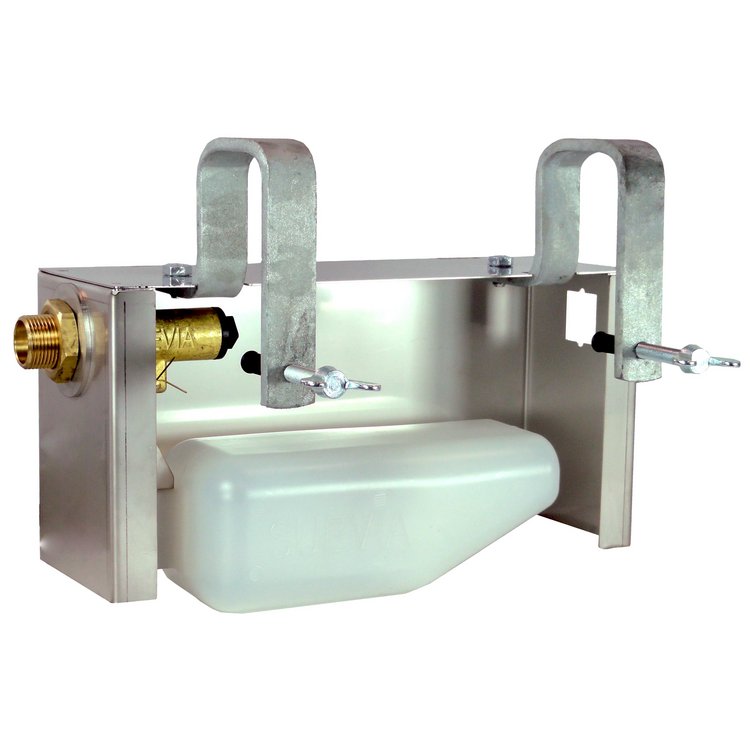

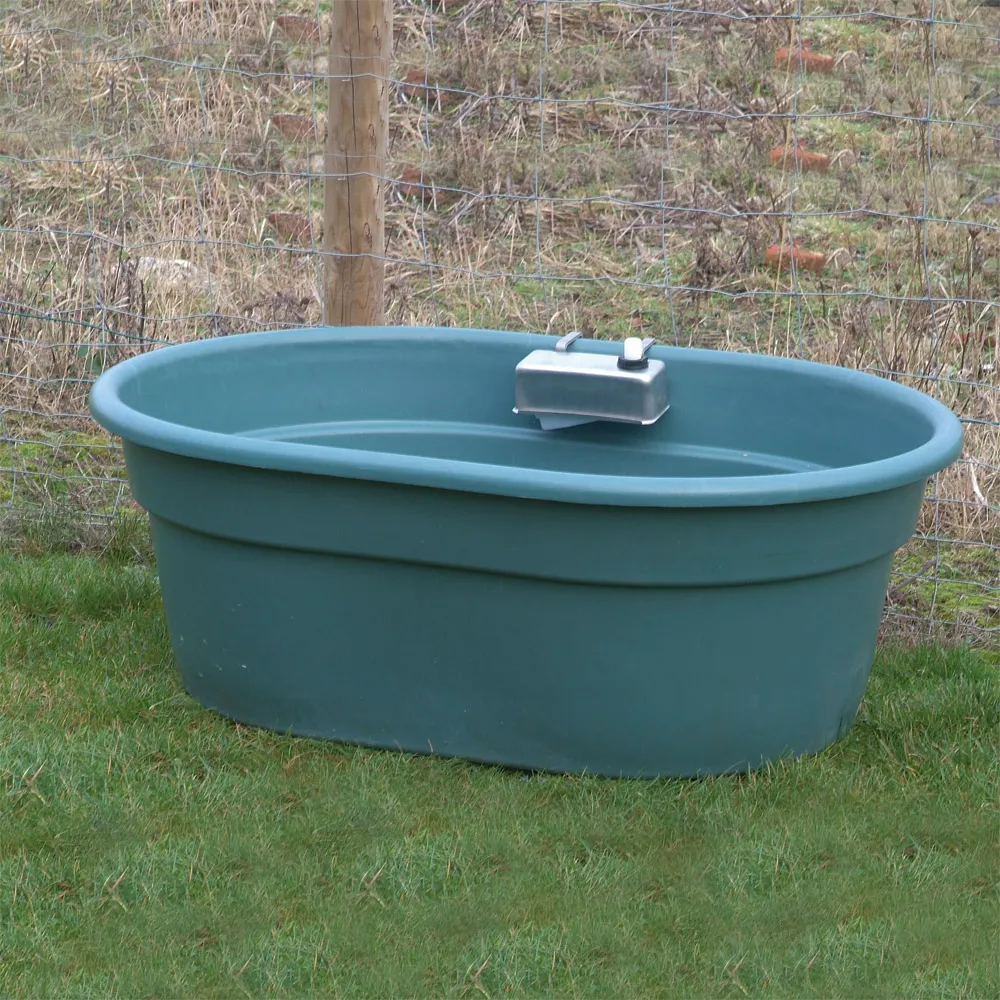

| Product Name | High-Flow Livestock Water Level Valve | ||||||||||||||||||||||
| Product Image |  |
||||||||||||||||||||||
| Product Overview | The High-Flow Livestock Water Level Valve is an automatic float-operated water control component designed for livestock drinking troughs, stock tanks, water containers and pasture watering systems. It automatically opens the incoming water supply when the trough level falls and closes the supply when the preset water level is restored. High-flow configurations are especially suitable for commercial cattle farms, dairy operations, beef farms, goat-farming-equipment/" target="_blank" class="keylink">sheep and goat facilities, feedlots and pasture systems where livestock may consume large quantities of water within short periods. The compact valve design can be integrated into new livestock equipment installations as well as existing drinking-water system upgrades. Valve capacity, connection arrangement and mounting configuration can be selected according to herd size, trough capacity, available water pressure and project requirements. |
||||||||||||||||||||||
| Key Features |
|
||||||||||||||||||||||
| Structural Components | A typical high-flow livestock water level valve may include:
|
||||||||||||||||||||||
| Working Principle | The valve operates according to the water level inside the livestock trough or storage tank. As animals drink and the water level falls, the float moves downward and activates the valve mechanism. The inlet opens and allows fresh water to enter the trough. As the trough refills, the float rises together with the water level. When the preset level is reached, the float mechanism closes the valve and stops the incoming water supply. On high-flow diaphragm or pilot-operated configurations, a relatively small float movement can control the main valve opening, allowing a larger volume of water to enter the trough while maintaining automatic shut-off. |
||||||||||||||||||||||
| Technical Specifications |
|
||||||||||||||||||||||
| Applications |
|
||||||||||||||||||||||
| Customization Options |
|
||||||||||||||||||||||
| Installation & Maintenance | Install the valve in a location where the float can move freely without interference from the trough wall, protective structure or animals. The water inlet connection should match the farm's plumbing system and available water pressure. The float position should be adjusted so that the valve closes at the required operating water level. Sufficient clearance should be maintained around the float and lever mechanism throughout the complete movement range. After installation, open the water supply gradually and verify that the valve opens as the water level falls and closes completely at the selected level. Check all threaded connections and seals for leakage. Routine maintenance should include checking the float movement, valve seals, nozzle, inlet connection and mounting hardware. Sediment should be removed periodically, especially where farm water contains mineral deposits or suspended particles. |
||||||||||||||||||||||
| Project Cases | High-flow water level valves can be used as part of complete livestock watering projects for large dairy farms, beef farms, feedlots, pasture systems and mixed-livestock operations. For commercial projects, valve flow capacity should be selected according to herd size, peak drinking demand, water supply pressure and trough capacity. Multiple troughs can be supplied from centralized farm water pipelines when the system is designed with appropriate pipe sizes and pressure control. For new livestock farm construction and steel structure building projects, water level valves can be planned together with troughs, pipelines, filters, pressure regulators and other livestock equipment. |
||||||||||||||||||||||
| Product FAQ | Q: What does a livestock water level valve do? A: It automatically controls the water supply to a livestock trough or tank. The valve opens when the water level falls and closes when the preset level is restored. Q: Why choose a high-flow valve? A: High-flow valves can refill livestock troughs more rapidly during periods of heavy water consumption, making them suitable for large herds and commercial farm applications. Q: Can the water level be adjusted? A: Yes. Adjustable float-arm configurations allow the closing level to be changed according to the trough and project requirements. Q: Can it be used for both cattle and sheep? A: Yes. It can be used in water troughs for cattle, calves, sheep, goats, horses and other livestock when the valve capacity is correctly selected. Q: Does the valve require electricity? A: Standard float-operated configurations work mechanically and do not require electrical power. Q: Can different inlet sizes be supplied? A: Yes. Water inlet sizes and adapters can be selected according to project requirements and farm plumbing conditions. |
||||||||||||||||||||||
| Product Gallery |   |
- Home
-
Products
- Pig Farming Equipment
- Cattle Farming Equipment
- Sheep & Goat Farming Equipment
- Poultry Farming Equipment
- Feeding & Drinking Systems
- Veterinary & Breeding Equipment
- Testing & Diagnostic Equipment
- Cleaning & Biosecurity Equipment
- Climate Control Equipment
- Livestock Weighing Equipment
- Manure & Waste Management
- Farm Transport & Handling
-
Solutions
- Pig Farm Solutions
- Dairy Farm Solutions
- Beef Cattle Farm Solutions
- Sheep & Goat Farm Solutions
- Layer Farm Solutions
- Broiler Farm Solutions
- Feeding & Drinking System Solutions
- Climate Control Solutions
- Biosecurity & Disinfection Solutions
- Manure & Waste Management
- Smart Farming Solutions
- Farm Renovation and Upgrade Solutions
- Partners
- Projects
- Resources
- News
- About Us
- Contact




Comments & Inquiries
Leave your questions or requirements below. We will reply as soon as possible.