


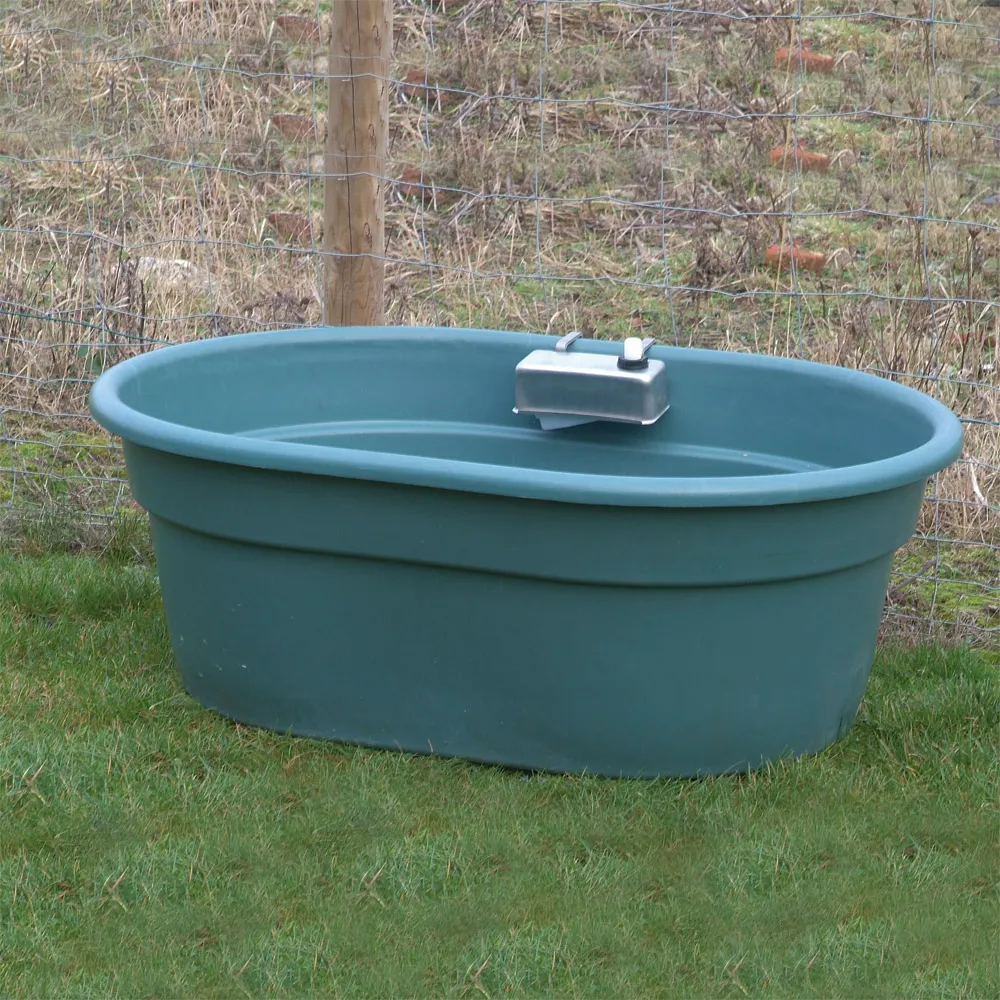

| Product Name | Automatic Livestock Trough Float Valve | ||||||||||||||||||||||
| Product Image |  |
||||||||||||||||||||||
| Product Overview | The Automatic Livestock Trough Float Valve is a mechanical water-level control component designed for livestock drinking troughs, water bowls, stock tanks and farm water containers. As animals consume water, the valve automatically opens to replenish the trough and closes again when the preset water level is restored. The system requires no electrical control for standard operation, making it a practical solution for cattle farms, calf housing, goat-farming-equipment/" target="_blank" class="keylink">sheep and goat facilities, pasture watering systems and other livestock applications. High-pressure and low-pressure configurations can be selected according to farm water supply conditions. Connection size, flow capacity, float configuration and installation arrangement can also be supplied according to project requirements. |
||||||||||||||||||||||
| Key Features |
|
||||||||||||||||||||||
| Structural Components | A typical automatic livestock trough float valve consists of:
|
||||||||||||||||||||||
| Working Principle | The float moves together with the water surface inside the drinking trough. When livestock consume water and the level drops, the float moves downward and causes the valve inlet to open. Fresh water then flows into the trough. As the water level rises, the float rises with it and gradually moves the valve toward the closed position. When the selected operating level is reached, the valve shuts off the incoming water. This repeated mechanical cycle maintains a relatively constant water level while reducing manual filling and unnecessary overflow. |
||||||||||||||||||||||
| Technical Specifications |
|
||||||||||||||||||||||
| Applications |
|
||||||||||||||||||||||
| Customization Options |
|
||||||||||||||||||||||
| Installation & Maintenance | The float valve should be installed at a suitable position inside the livestock trough or protected valve compartment. The inlet connection should be securely attached to the farm water supply, and the float must have sufficient free movement throughout its operating range. Before commissioning, adjust the float position to establish the required water level. Check that the valve opens freely when the level drops and closes completely when the preset level is restored. Water pressure should be matched to the selected valve configuration. A low-pressure valve should be used where the system is supplied from an appropriate low-pressure source, while a high-pressure version should be selected for compatible pressurized farm water lines. Routine maintenance should include checking the float arm, valve seal, nozzle, threaded connection and water inlet for contamination or wear. Sediment and mineral deposits should be removed periodically to maintain reliable valve operation. |
||||||||||||||||||||||
| Project Cases | Automatic float valves can be incorporated into livestock drinking projects ranging from individual drinking bowls to large pasture troughs and centralized farm water systems. For commercial farms, valve flow capacity should be selected according to animal species, group size, trough capacity, available supply pressure and peak water demand. Multiple troughs can be connected to the farm water distribution network where required. For new livestock farm construction and steel structure building projects, valve selection can be coordinated with water pipelines, drinking troughs, filters, pressure regulators and other livestock equipment according to the complete farm layout. |
||||||||||||||||||||||
| Product FAQ | Q: What does an automatic trough float valve do? A: It automatically opens the water inlet when the trough level falls and closes the inlet after the required water level is restored. Q: Does the valve require electricity? A: No. Standard float valves operate mechanically through the movement of the float and lever. Q: Are high-pressure and low-pressure models available? A: Yes. Different configurations can be selected according to the pressure of the farm water supply. Q: Can the water level be adjusted? A: Yes. The operating level can be adjusted through the float or float-arm position depending on the selected valve structure. Q: Can it be used for cattle, sheep and goats? A: Yes. Float-controlled trough watering is commonly used for cattle, calves, sheep, goats and other compatible livestock. Q: Can the valve be supplied for an existing livestock trough? A: Yes. The connection size, available installation space, water pressure and required flow should be confirmed before selecting a replacement valve. |
||||||||||||||||||||||
| Product Gallery | 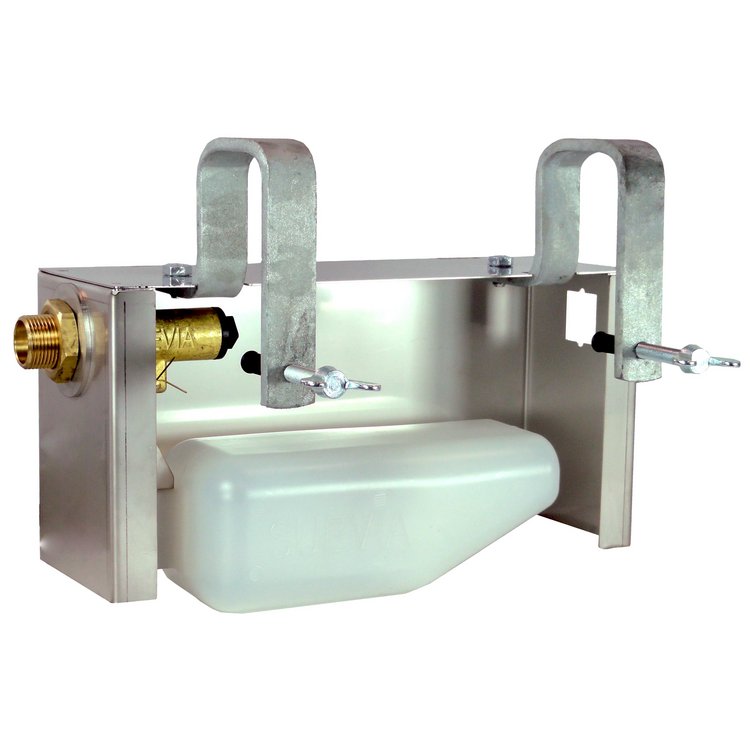  |
- Home
-
Products
- Pig Farming Equipment
- Cattle Farming Equipment
- Sheep & Goat Farming Equipment
- Poultry Farming Equipment
- Feeding & Drinking Systems
- Veterinary & Breeding Equipment
- Testing & Diagnostic Equipment
- Cleaning & Biosecurity Equipment
- Climate Control Equipment
- Livestock Weighing Equipment
- Manure & Waste Management
- Farm Transport & Handling
-
Solutions
- Pig Farm Solutions
- Dairy Farm Solutions
- Beef Cattle Farm Solutions
- Sheep & Goat Farm Solutions
- Layer Farm Solutions
- Broiler Farm Solutions
- Feeding & Drinking System Solutions
- Climate Control Solutions
- Biosecurity & Disinfection Solutions
- Manure & Waste Management
- Smart Farming Solutions
- Farm Renovation and Upgrade Solutions
- Partners
- Projects
- Resources
- News
- About Us
- Contact




Comments & Inquiries
Leave your questions or requirements below. We will reply as soon as possible.