| Product Name |
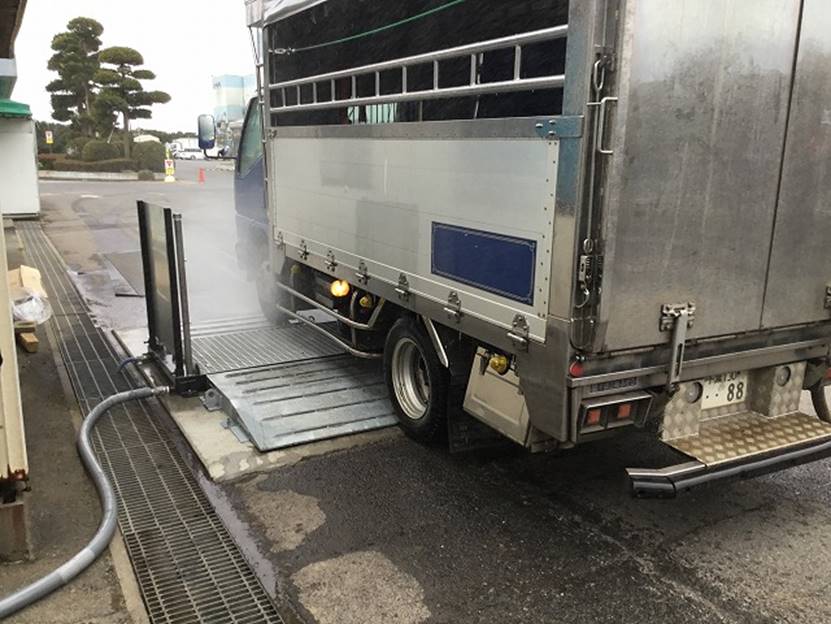
Smart Vehicle Cleaning and Drying System |
| Product Image |
 |
| Product Overview |
The Smart Vehicle Cleaning and Drying System is an integrated vehicle-processing solution designed for commercial livestock farms, agricultural fleets, feed operations and controlled-access farm facilities.
The system can combine vehicle washing, targeted wheel and undercarriage cleaning, optional disinfectant application and high-volume air drying within a coordinated workflow. The equipment layout can be engineered around vehicle dimensions, traffic volume, available space and the farm's operating procedures.
Its modular structure is suitable for new pig farm construction, poultry facilities, cattle farms, livestock transport sites and agricultural engineering projects where vehicle sanitation and moisture removal need to be incorporated into the overall site design.
|
| Key Features |
- Integrated Cleaning and Drying: Washing and air-drying stages can be arranged as one coordinated vehicle-processing system.
- Smart Process Control: Sensors, timers, automatic start/stop and PLC-based controls are available according to project requirements.
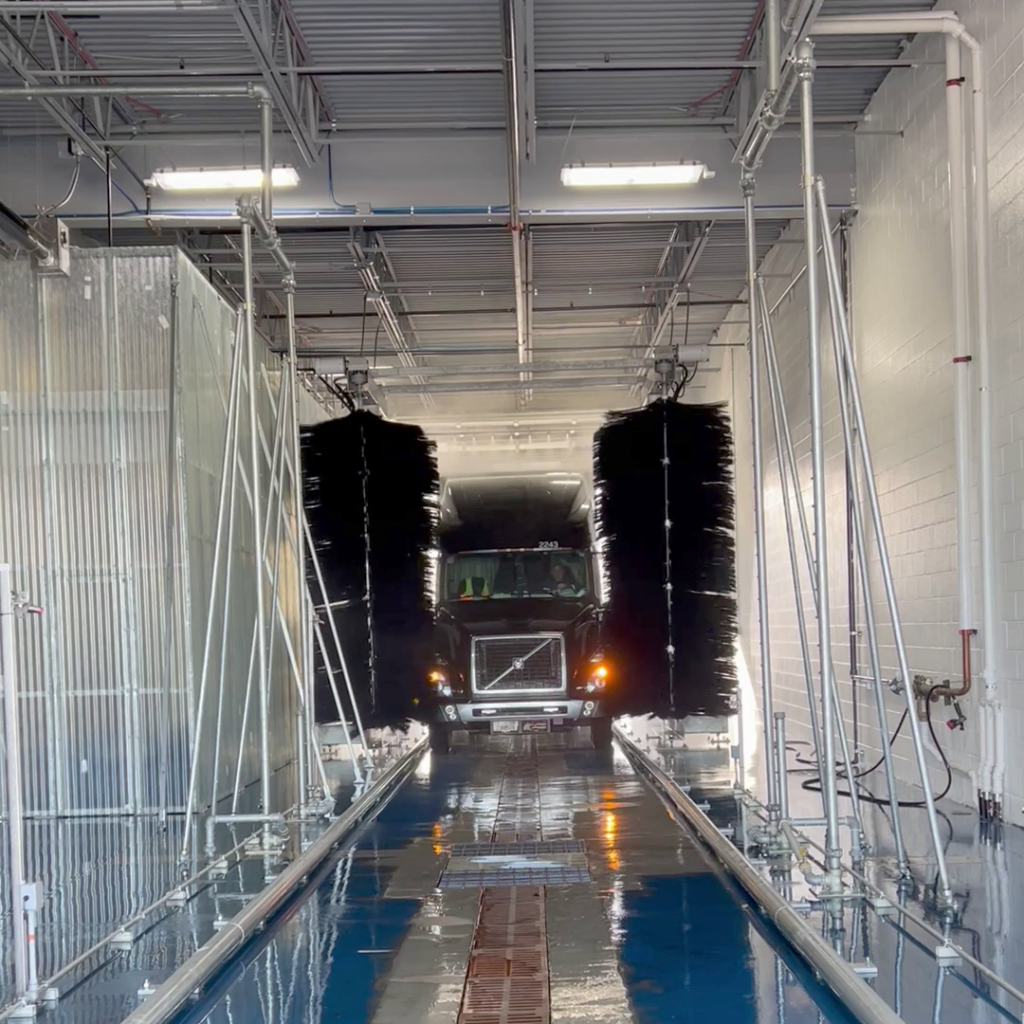
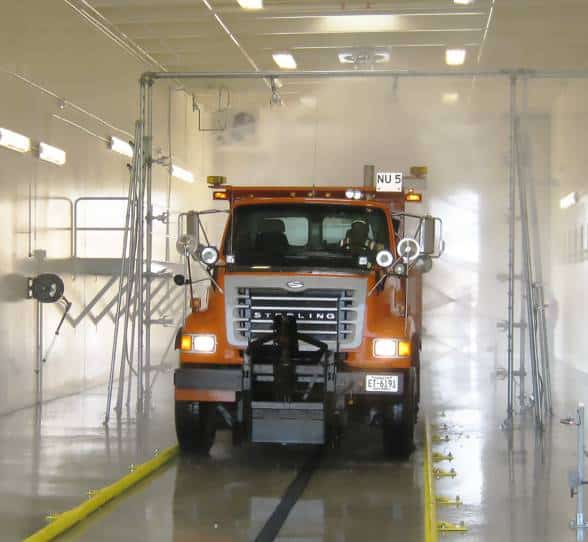
- Targeted Vehicle Cleaning: Spray components can be positioned for tyres, wheels, wheel arches, chassis, underbody and accessible exterior surfaces.
- Optional Disinfection: Chemical dosing and disinfectant spray modules can be incorporated when required by the farm biosecurity procedure.
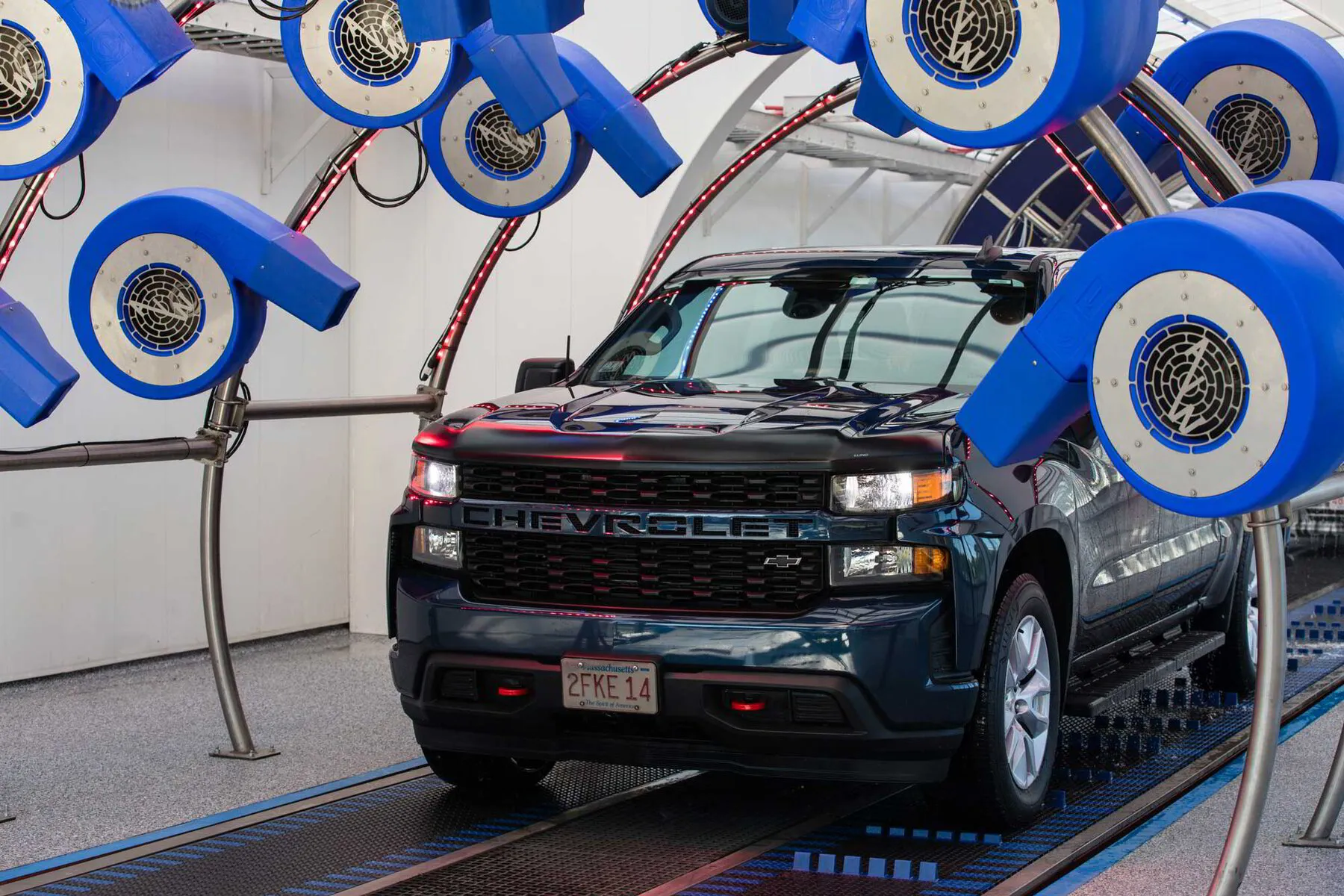
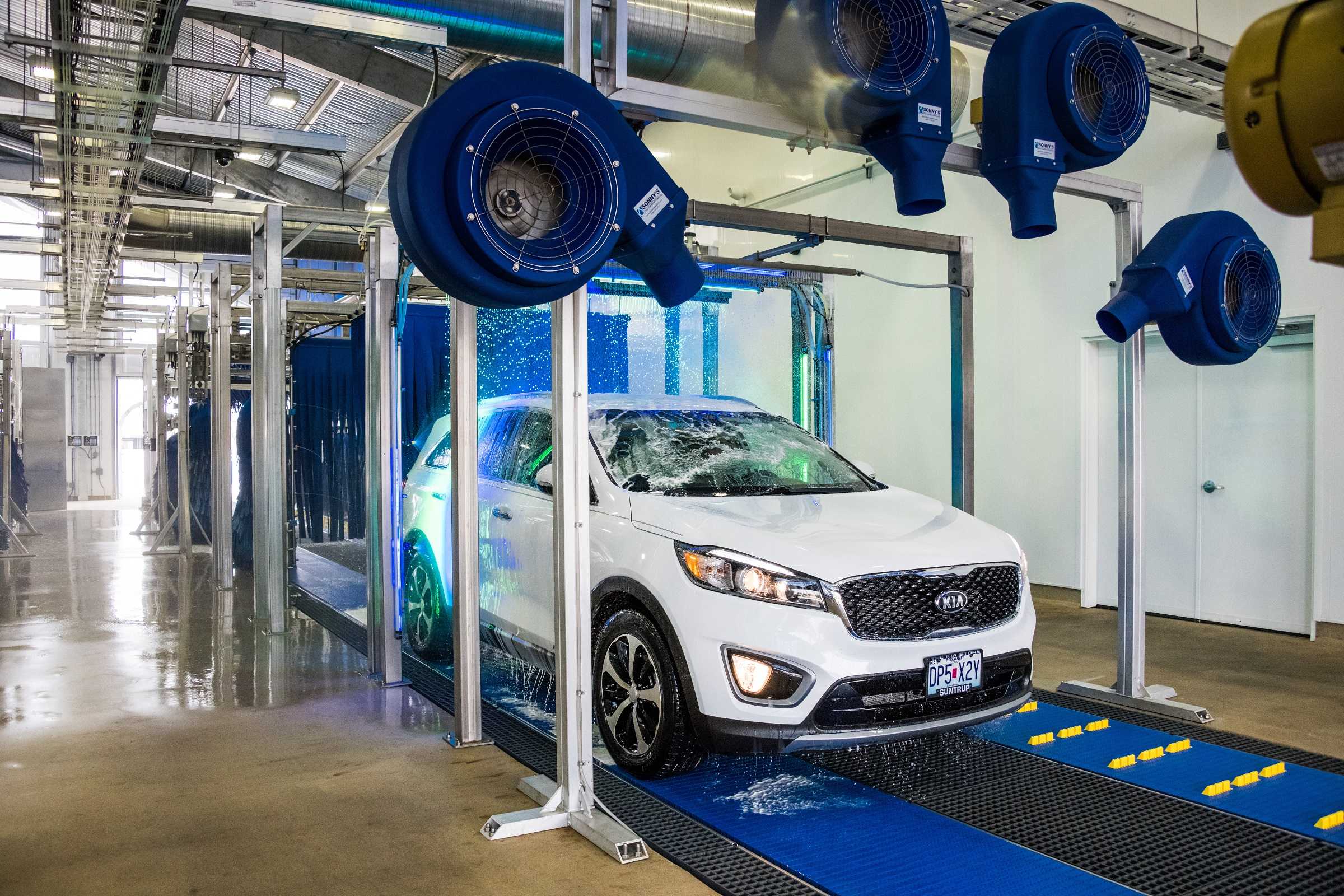
- High-Volume Air Drying: Dedicated blower modules can be configured to remove residual surface water after washing.
- Modular Construction: Washing, dosing, disinfection, drying, drainage and control sections can be configured independently.
- Heavy-Duty Structure: Galvanized steel, stainless steel or other project-specified materials can be selected for demanding agricultural environments.
- Commercial Farm Compatibility: Suitable for livestock transporters, feed trucks, trailers, tankers and agricultural service vehicles.
- Flexible Installation: Surface-mounted, fixed, enclosed or project-specific installation arrangements are available.
- Automation Ready: Vehicle detection and programmed operating sequences can reduce manual intervention and improve process consistency.
Commercial vehicle wash manufacturers commonly combine high-pressure cleaning, chassis treatment and blower modules within customized vehicle wash systems. :contentReference[oaicite:0]{index=0}
|
| Structural Components |
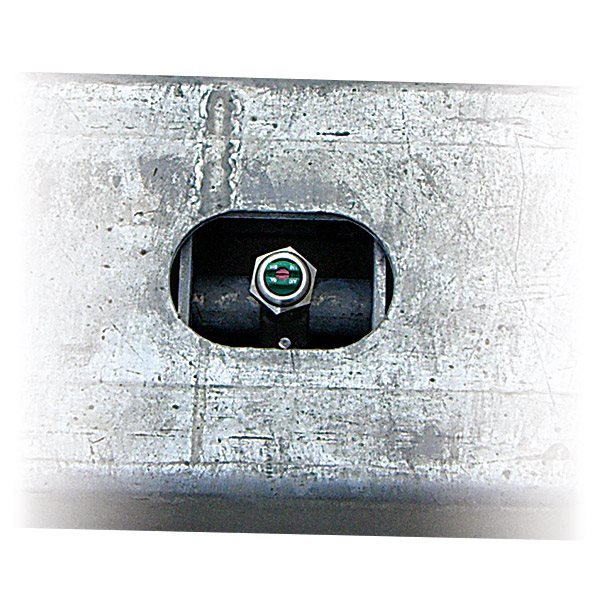
- Vehicle Wash Section: Spray bars, nozzles, pumps, filters and water supply components for vehicle cleaning.
- Wheel and Chassis Cleaning Assembly: Lower spray bars or targeted nozzles for tyres, wheels, chassis and undercarriage.
- Chemical Dosing Module: Optional dosing pump, chemical tank and distribution pipework for detergent or disinfectant application.
- Drying Module: High-volume blower assemblies and directional air outlets for residual moisture removal.
- Vehicle Detection Sensors: Suitable sensors can initiate programmed wash and drying cycles.
- Control Cabinet: Houses electrical controls, PLC interfaces, timers, protection devices and optional automation components.
- Drainage and Collection System: Collection channels, trays and drain connections can be integrated into the site layout.
- Support Structure: Galvanized steel or stainless-steel frames can be engineered for the selected equipment arrangement.
- Safety Components: Emergency stop, protective guards, access controls and warning devices can be incorporated according to project requirements.
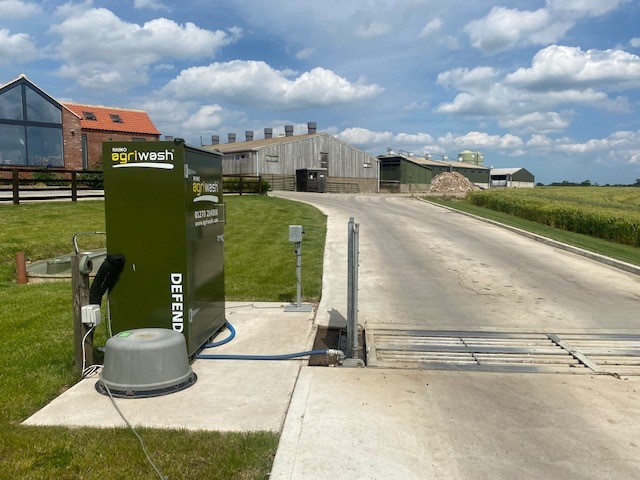
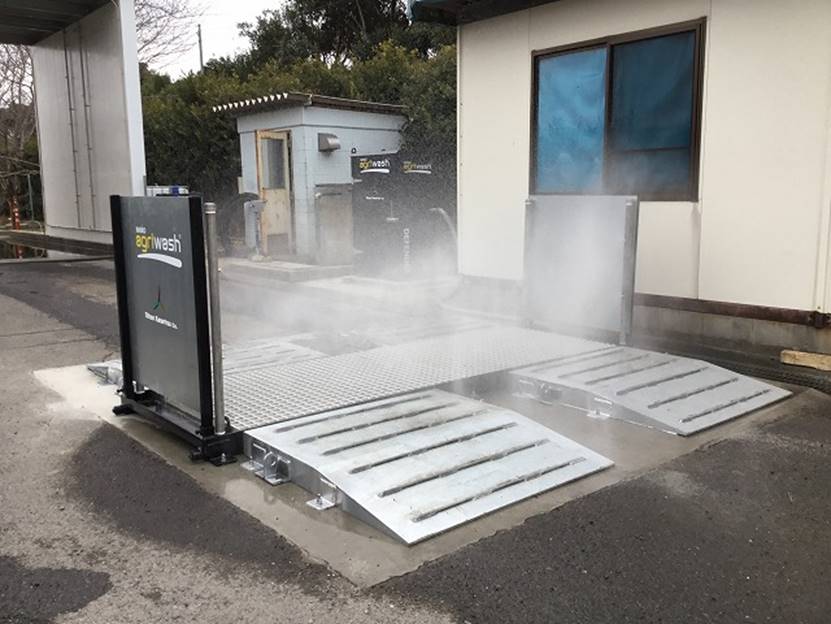
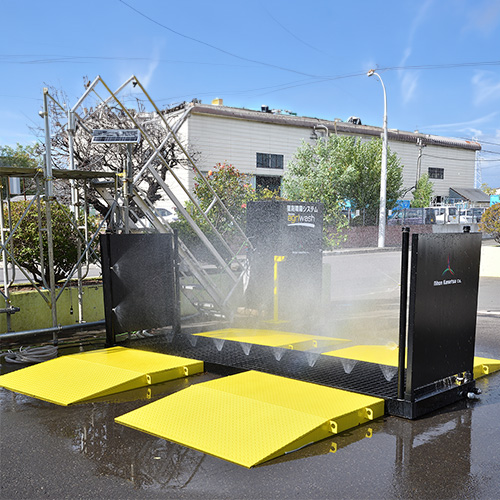
Comparable agricultural vehicle biosecurity systems use strategically positioned spray bars, steel support structures, vehicle sensors and wastewater collection beneath the processing platform. :contentReference[oaicite:1]{index=1}
|
| Working Principle / Structural Principle |
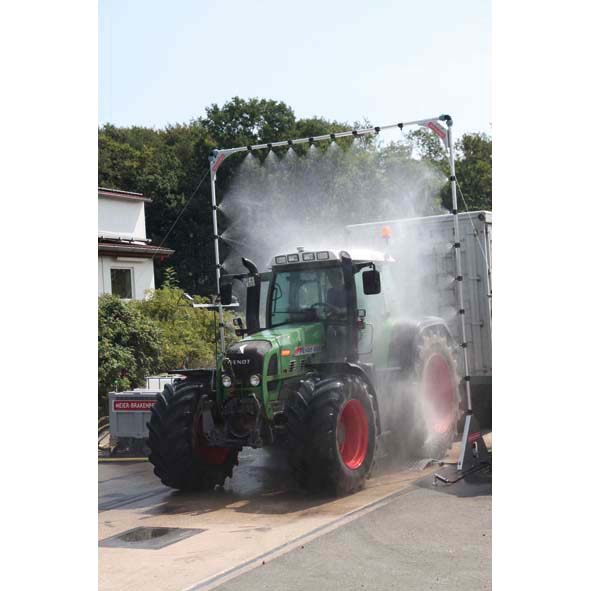
The vehicle enters the designated cleaning area and is detected by the automatic control system where applicable. The programmed washing cycle then activates the selected spray equipment to remove mud, soil, dust and other surface contamination.
Targeted lower spray assemblies can clean tyres, wheel areas, chassis and underbody surfaces. An optional chemical dosing stage can apply detergent or an approved disinfectant according to the site's operating procedure.
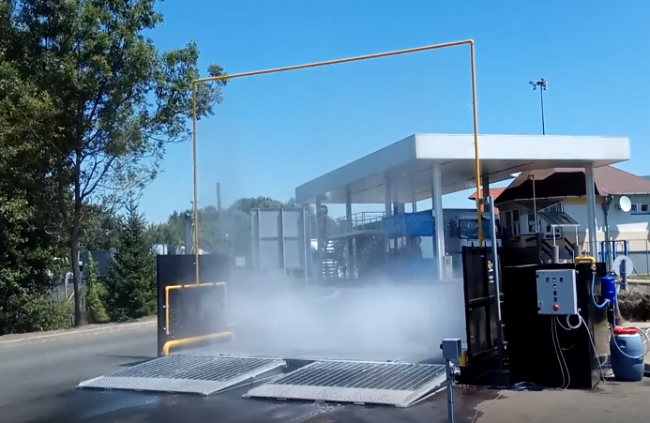
After washing or disinfection, the vehicle enters the drying stage. High-volume blowers direct air toward accessible vehicle surfaces to displace residual water and reduce surface moisture before the vehicle leaves the processing area.
The complete sequence can be controlled through sensors, timers, manual controls or PLC-based automation. Cleaning and disinfection parameters should be established according to the farm's approved SOP, vehicle type and selected chemical manufacturer's instructions.
|
| Technical Specifications |
| Product Type |
Integrated vehicle cleaning and drying system |
| Primary Application |
Agricultural and livestock vehicle sanitation |
| Suitable Vehicles |
Livestock transporters, feed trucks, trailers, tankers and agricultural service vehicles |
| Cleaning Method |
High-pressure, low-pressure or project-specific spray cleaning |
| Disinfection Module |
Optional; customizable according to farm biosecurity requirements |
| Drying Method |
Directed high-volume airflow |
| Vehicle Detection |
Automatic sensor detection available upon request |
| Pump Configuration |
Customizable |
| Blower Capacity |
According to vehicle dimensions and drying requirements |
| Control Mode |
Manual, sensor-controlled or PLC-based |
| Frame Material |
Galvanized steel, stainless steel or project-specified material |
| Vehicle Clearance |
According to largest vehicle dimensions |
| Drainage |
According to site drainage and wastewater management design |
| Power Supply |
According to local voltage, frequency and project requirements |
| Overall Dimensions |
Customizable |
Final pressure, flow rate, nozzle quantity, pump capacity, blower capacity, drying coverage, dimensions and electrical specifications should be confirmed according to the project design. Comparable vehicle wash systems are engineered around vehicle type, site layout and operating requirements rather than one universal configuration. :contentReference[oaicite:2]{index=2}
|
| Applications |
- Commercial Pig Farms: Cleaning and drying livestock transport vehicles and service trucks.
- Poultry Farms: Supporting controlled vehicle hygiene procedures for feed and service traffic.
- Dairy Farms: Processing tankers, feed vehicles and agricultural service vehicles.
- Cattle Operations: Cleaning livestock trailers, tractors and commercial farm vehicles.
- Feed Mills: Supporting fleet cleaning and drying before vehicle dispatch or site entry.
- Livestock Transport Facilities: Repeated processing of commercial animal transport vehicles.
- Farm Vehicle Wash Bays: Suitable for facilities requiring both cleaning and moisture removal.
- Biosecurity Entry Points: Can incorporate optional wheel, chassis and disinfection treatment stages.
- New Farm Engineering Projects: Suitable for integration with farm roads, drainage and steel structure building projects.
- Farm Modernization: Can be adapted to selected existing vehicle sanitation facilities.
Vehicle disinfection systems are used across pig and poultry farms, livestock facilities and other agricultural sites, with targeted treatment of tyres, wheels, underbody and chassis. :contentReference[oaicite:3]{index=3}
|
| Customization Options |
- System Layout: Designed according to vehicle traffic flow, available space and farm engineering requirements.
- Vehicle Clearance: Width and height can be designed according to the largest vehicle expected to pass through the system.
- Cleaning Module: Spray pressure, nozzle arrangement and wash stages are customizable.
- Wheel and Chassis Cleaning: Lower spray bars can be arranged according to wheelbase, axle configuration and undercarriage clearance.
- Disinfection Module: Optional dosing and spray equipment can be added according to the selected disinfectant and farm SOP.
- Drying Module: Blower quantity, airflow direction, outlet arrangement and drying zone can be customized.
- Control System: Sensors, timers, manual override, PLC control and status indication are available upon request.
- Structural Materials: Designed according to local climate, humidity, corrosion exposure and chemical compatibility.
- Drainage Integration: Collection channels, trays and wastewater connections can be coordinated with the farm's drainage infrastructure.
- Farm Integration: Can be coordinated with gates, access roads, clean and dirty zones, electrical systems and other biosecurity equipment.
- OEM/ODM: Available upon request.
Custom vehicle wash manufacturers emphasize engineering around vehicle dimensions, site constraints, climate and specific operating requirements rather than relying on a single standard layout. :contentReference[oaicite:4]{index=4}
|
| Installation & Maintenance |
Installation should be considered as part of the overall farm engineering plan. Vehicle lane geometry, foundation or base preparation, drainage, water supply, electrical supply, chemical storage, operator access and maintenance clearance should be confirmed before installation.
- Confirm the largest vehicle dimensions and expected traffic volume.
- Define vehicle entry, exit and clean/dirty traffic zones.
- Prepare the required base, drainage and utility connections according to the selected design.
- Install the structural frame, wash assemblies, optional dosing equipment and drying module.
- Connect water, chemical, electrical and wastewater systems.
- Test vehicle sensors, spray coverage, chemical dosing, blower operation and safety controls.
- Commission the system according to the approved operating procedure.
Maintenance:
- Inspect and clean spray nozzles regularly to maintain consistent coverage.
- Check water filters, pumps, valves, hoses and pipe connections.
- Inspect chemical dosing components and maintain them according to the chemical manufacturer's requirements.
- Keep blower inlets, outlets, guards and air ducts free from debris.
- Inspect sensors, control panels, cables and electrical connections.
- Check galvanized or stainless-steel structures for damage, corrosion or loose fasteners.
- Keep drainage channels, collection trays and wastewater outlets clear.
- Follow the selected equipment manufacturer's preventive maintenance schedule.
|
| Project Cases |
Commercial Pig Farm Entrance: A combined cleaning and drying lane can be positioned near a controlled vehicle entrance to process livestock transporters, feed trucks and service vehicles.
Poultry Farm Biosecurity Upgrade: A modular vehicle-processing system can be incorporated into an existing access area to create a defined cleaning, optional disinfection and drying zone.
Large Livestock Production Group: Multiple vehicle-processing stages can be coordinated with fleet traffic management to support repeat cleaning and drying operations.
New Farm Engineering Project: The system can be incorporated into the original road, drainage, utility and steel structure building design during construction of a new livestock facility.
These are representative engineering applications. Final system configuration should be developed according to the customer's site layout, vehicle fleet, operating procedure and local conditions.
|
| Product FAQ |
Q: What is a Smart Vehicle Cleaning and Drying System?
A: It is an integrated vehicle-processing solution combining configurable washing and air-drying stages, with optional wheel, chassis and disinfection modules.
Q: Is it suitable for commercial pig farms?
A: Yes. The system can be engineered for pig farms, poultry farms, cattle operations, breeding facilities and other commercial livestock sites.
Q: Can vehicle cleaning and drying be combined?
A: Yes. The wash and drying sections can be arranged in sequence so that residual water is removed after the vehicle cleaning stage.
Q: Can a disinfection module be added?
A: Yes. Chemical dosing and spray equipment are available as optional modules according to project requirements and the farm's approved biosecurity procedure.
Q: Which vehicle areas can be cleaned?
A: The system can be configured for tyres, wheels, wheel arches, chassis, underbody and accessible exterior surfaces.
Q: How does the smart control function work?
A: Vehicle detection sensors can initiate programmed washing and drying sequences. Timers, manual override and PLC-based control are available upon request.
Q: Can the system handle large livestock transporters?
A: Yes. Vehicle clearance, spray coverage, pump configuration and drying capacity can be designed according to the largest vehicle in the fleet.
Q: Can it be integrated into a new pig farm construction project?
A: Yes. The system can be coordinated with farm roads, drainage, utilities, clean and dirty zones and other livestock biosecurity infrastructure.
Q: Does drying replace vehicle cleaning or disinfection?
A: No. Drying is a moisture-removal stage. Cleaning and disinfection should be performed according to the farm's approved biosecurity procedure and the selected chemical manufacturer's instructions.
|
| Product Gallery |
 |




Comments & Inquiries
Leave your questions or requirements below. We will reply as soon as possible.