| Product Name |
High Speed Vehicle Drying System |
| Product Image |
 |
| Product Overview |
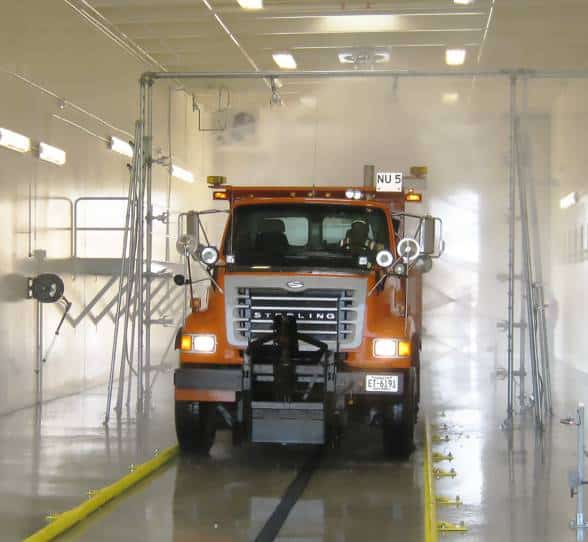
The High Speed Vehicle Drying System is an industrial air-drying solution designed to remove excess water from vehicle surfaces after washing, rinsing or sanitation.
The system uses high-powered blowers and strategically positioned air outlets to accelerate surface water removal without direct physical contact. It can be incorporated into a drive-through vehicle wash line as a dedicated drying stage.
For commercial livestock farms, agricultural fleets and farm engineering projects, the drying system can help improve vehicle turnaround and reduce the need for manual drying after cleaning. Blower configuration, air outlet arrangement and supporting structure can be designed according to vehicle dimensions and site conditions.
|
| Key Features |
- High-Speed Airflow: Delivers concentrated airflow to help remove residual water from vehicle surfaces.
- Non-Contact Drying: Uses directed air rather than brushes or wiping materials during the drying stage.
- Drive-Through Integration: Suitable for installation after vehicle washing and rinsing stages.
- Commercial Vehicle Compatibility: Suitable for trucks, trailers, livestock transporters and agricultural service vehicles.
- Modular Layout: Blowers and air outlets can be arranged according to vehicle dimensions and drying-zone requirements.
- Automatic Operation: Optional sensors and control systems can activate the drying cycle according to vehicle position.
- Heavy-Duty Construction: Supporting structures and components can be selected for demanding agricultural and industrial environments.
- Engineering Flexibility: The system can be integrated into new farm construction projects or existing vehicle wash facilities.
|
| Structural Components |
- High-Speed Blower Units: Generate the airflow required for vehicle surface drying.
- Air Outlet Assemblies: Direct airflow toward the vehicle body according to the engineered layout.
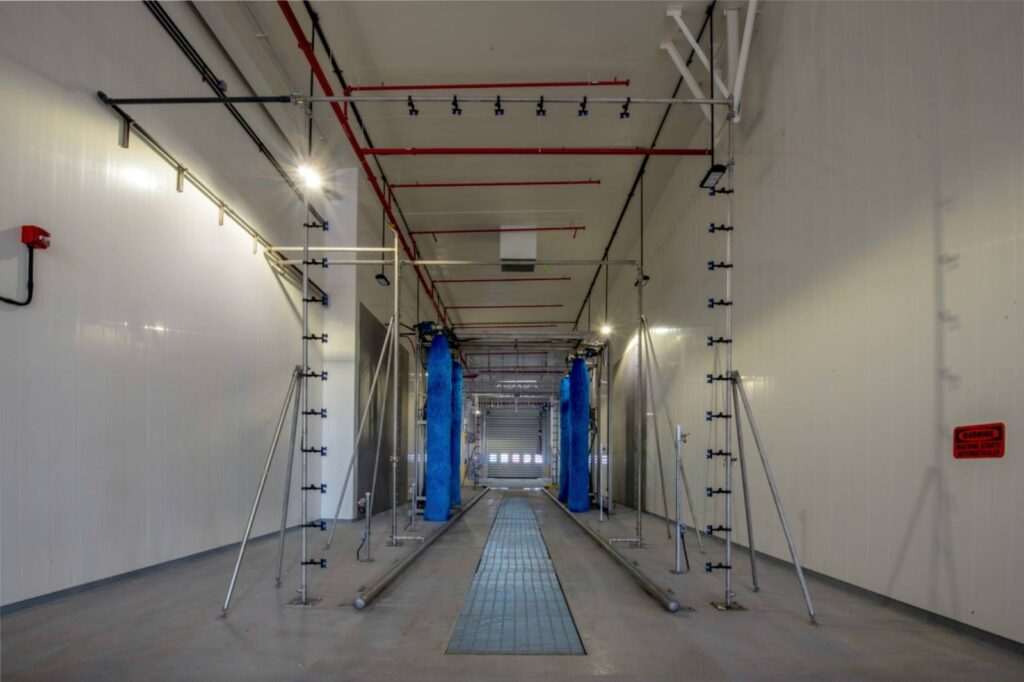
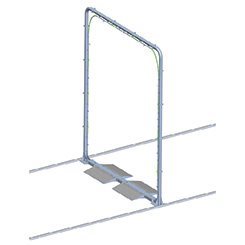
- Supporting Steel Frame: Supports blower and air-delivery components above or beside the vehicle passage.
- Air Ducting: Optional ductwork can distribute airflow to multiple drying positions.
- Protective Guards: Can be installed around blower and rotating components where required.
- Electrical Control Panel: Provides centralized operation of the drying equipment.
- Vehicle Detection Sensors: Available upon request for automatic start and stop functions.
- Service Access: Maintenance access can be incorporated into the steel structure according to project requirements.
|
| Working Principle / Structural Principle |
After completing the washing and rinsing stages, the vehicle enters the designated drying zone. High-speed blower units generate a strong air stream that is directed across the vehicle body.
The airflow pushes and disperses residual water from horizontal, vertical and other accessible exterior surfaces. The exact blower position and airflow direction are engineered according to the vehicle profile and required coverage.
For automated installations, vehicle sensors can detect the vehicle's position and activate the blowers for a programmed drying cycle. The drying module can operate as an independent unit or as part of a complete vehicle wash and biosecurity system.
|
| Technical Specifications |
| Product Type |
High-speed air vehicle drying system |
| Drying Method |
Directed high-speed airflow |
| Primary Application |
Post-wash and post-rinse vehicle drying |
| Suitable Vehicles |
Trucks, trailers, livestock transporters and agricultural vehicles |
| Blower Quantity |
Customizable |
| Airflow Capacity |
According to project requirements |
| Motor Power |
According to selected blower configuration and local power supply |
| Drying Bay Dimensions |
Designed according to vehicle dimensions and site conditions |
| Air Outlet Arrangement |
Customizable |
| Control Mode |
Manual or automatic, according to project requirements |
| Vehicle Detection |
Available upon request |
| Support Structure |
Galvanized steel, stainless steel or project-specified construction |
| Electrical Specification |
According to local power supply and project requirements |
| Customization |
Available upon request |
Final blower capacity, motor power, airflow performance and drying-zone dimensions should be confirmed through project engineering rather than assumed as standard specifications.
|
| Applications |
- Commercial Pig Farms: Drying livestock transporters, feed trucks and service vehicles after vehicle cleaning.
- Poultry Farms: Post-wash drying for vehicles entering or leaving controlled farm areas.
- Cattle and Dairy Farms: Drying livestock transport and agricultural service vehicles.
- Breeding Facilities: Integration into controlled vehicle sanitation areas.
- Feed Mills: Drying delivery vehicles after washing and rinsing.
- Livestock Transport Facilities: Dedicated drying stage for frequent vehicle processing.
- Farm Engineering Projects: Integration into vehicle wash buildings, steel structures and biosecurity infrastructure.
- Commercial Vehicle Wash Facilities: Installation after automatic, touchless or manual washing systems.
|
| Customization Options |
- Blower Configuration: Customizable according to vehicle size and required drying coverage.
- Air Outlet Position: Designed according to vehicle profile and drying-zone layout.
- Drying Structure: Configurable for different bay widths, heights and vehicle clearances.
- Automation: Optional vehicle sensors, timers, control panels and automatic start/stop functions.
- Electrical System: According to local voltage, frequency and project requirements.
- Material Selection: Designed according to local climate, humidity, corrosion exposure and farm conditions.
- Wash System Integration: Can be coordinated with vehicle washing, rinsing, disinfection and water-management systems.
- Steel Structure: Galvanized steel or other project-specified structures available according to engineering requirements.
- Climate Adaptation: Designed according to local climate and farm conditions.
- OEM/ODM: Available upon request.
|
| Installation & Maintenance |
The drying system should be installed on a properly engineered foundation or supporting steel structure with sufficient clearance for the intended vehicle fleet. Electrical equipment should be installed according to applicable local requirements.
- Confirm vehicle dimensions, wash-bay layout and required drying coverage.
- Determine blower positions and airflow directions.
- Prepare the foundation and supporting steel structure.
- Install blowers, air outlets, ducts and protective guards.
- Connect electrical power and control equipment.
- Install vehicle detection sensors where automatic operation is required.
- Test airflow direction, operating sequence and safety functions.
- Confirm drying performance under actual operating conditions.
Maintenance:
- Keep blower air inlets and outlets clean and unobstructed.
- Inspect blower housings, impellers and protective guards regularly.
- Check motor bearings and electrical connections according to the equipment manufacturer's maintenance schedule.
- Inspect mounting bolts, support structures and vibration points.
- Check sensors and automatic controls for reliable operation.
- Keep the drying zone and drainage system free from accumulated debris and standing water.
- Replace wear components according to actual operating conditions and manufacturer recommendations.
|
| Project Cases |
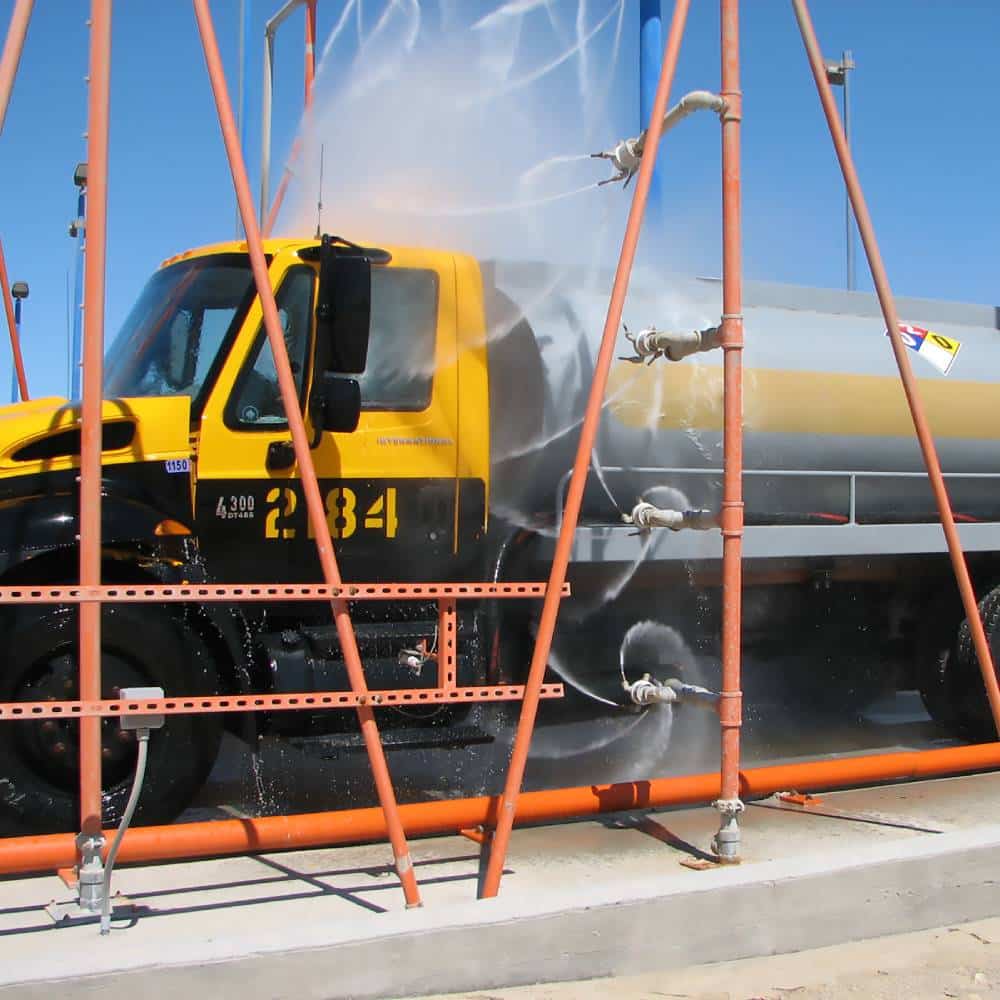
Commercial Pig Farm Vehicle Wash: A dedicated drying stage can be positioned after vehicle washing and rinsing to accelerate turnover of livestock transporters, feed trucks and farm service vehicles.
New Farm Construction: The drying system can be incorporated into the engineering design of a vehicle sanitation building together with galvanized steel structures, drainage and electrical infrastructure.
Livestock Transport Facility: A high-speed air drying section can be combined with automated washing and sanitation equipment for frequent vehicle processing.
Existing Facility Upgrade: A drying module can be added downstream of an existing wash system where reduced manual drying and improved vehicle turnaround are required.
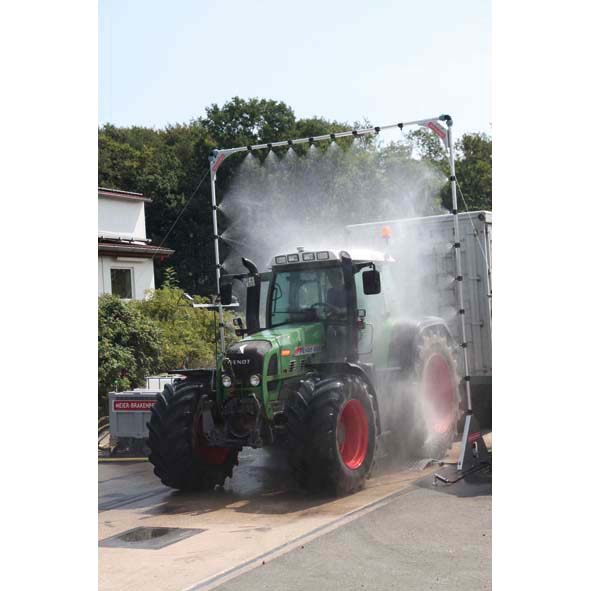
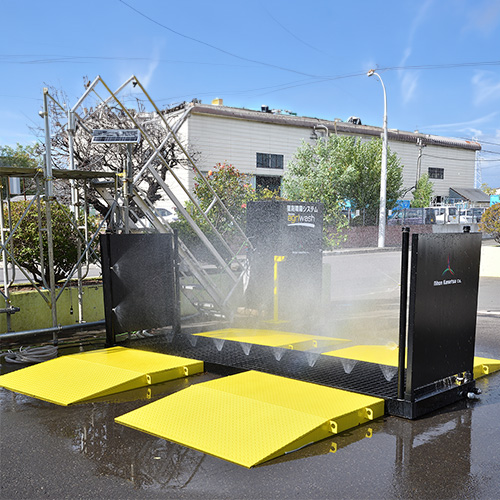
For large commercial vehicle wash projects, high-powered blowers are commonly offered as an optional drying stage after the wash cycle, providing a practical basis for integrating vehicle drying into a complete wash-line design.
|
| Product FAQ |
Q: What is a High Speed Vehicle Drying System?
A: It is a non-contact drying system that uses directed high-speed airflow to remove excess water from vehicle surfaces after washing or rinsing.
Q: Can it be used for livestock transport vehicles?
A: Yes. It can be designed for livestock trailers, feed trucks, agricultural service vehicles and other commercial farm vehicles.
Q: Can it be integrated with a vehicle wash line?
A: Yes. It can be installed as a downstream drying stage following washing, rinsing or vehicle sanitation.
Q: Is the system automatic?
A: Automatic operation is available upon request. Vehicle sensors, timers and control panels can be integrated according to project requirements.
Q: Can the blower layout be customized?
A: Yes. Blower quantity, mounting position and airflow direction can be customized according to vehicle dimensions and drying requirements.
Q: Can it be installed in a pig farm?
A: Yes. The system can be integrated into a commercial pig farm vehicle wash or biosecurity facility, subject to the overall site design and operating procedures.
Q: Does the drying system replace vehicle washing or disinfection?
A: No. It is a downstream drying stage intended to remove excess water. Washing and disinfection should be completed using appropriately designed equipment and approved operating procedures.
Q: Can the system be designed for different vehicle sizes?
A: Yes. The drying bay, blower arrangement and air outlet positions can be designed according to the dimensions of the local vehicle fleet.
Q: Can SHEWUYOU provide a complete vehicle wash project?
A: The drying system can be engineered as part of a broader vehicle washing, biosecurity and farm engineering project according to project requirements.
|
| Product Gallery |
|


Comments & Inquiries
Leave your questions or requirements below. We will reply as soon as possible.