
| Product Name | RFID Tissue Sampling Ear Tag | ||||||||||||||||||||||||
| Product Image |  |
||||||||||||||||||||||||
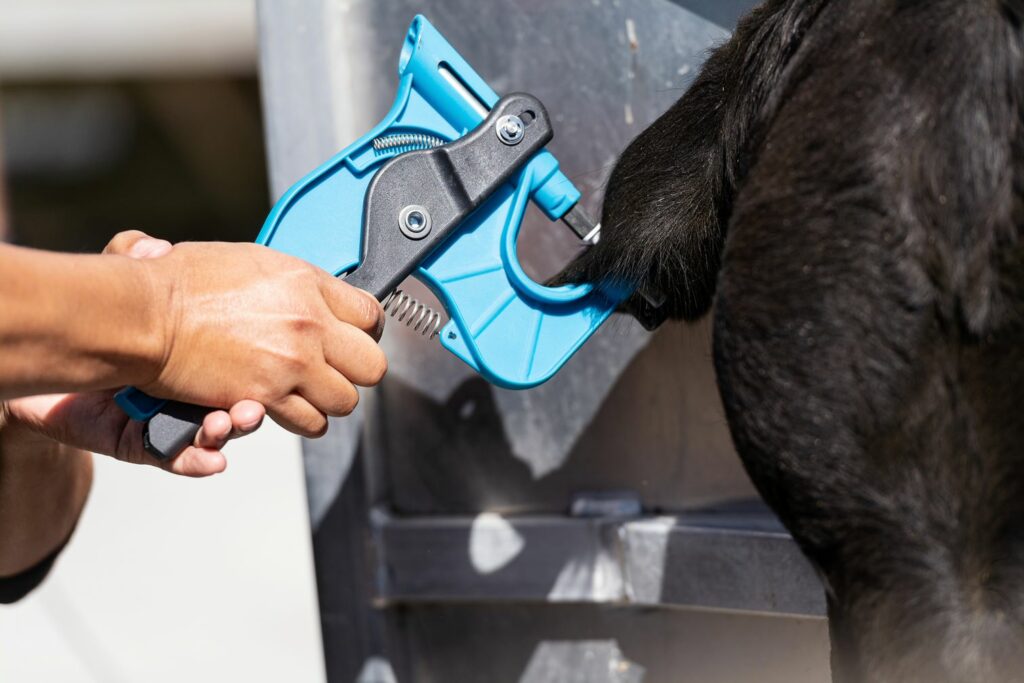
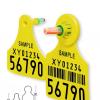
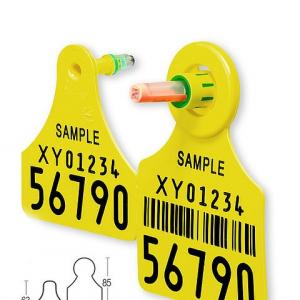
| Product Overview | The RFID Tissue Sampling Ear Tag combines electronic livestock identification with ear tissue collection in a single animal identification system. It is designed for cattle and other compatible livestock applications where electronic traceability and laboratory-ready tissue sampling are required. During ear tag application, a small tissue specimen can be collected for genomic analysis, parentage verification, breeding programs or selected veterinary diagnostic procedures. At the same time, the integrated electronic transponder provides an RFID identity that can be read with compatible livestock identification equipment. This combined approach can reduce separate handling steps during animal identification and tissue collection while supporting accurate linkage between the animal, electronic identification number and laboratory sample. |
||||||||||||||||||||||||
| Key Features |
|
||||||||||||||||||||||||
| Structural Components |
|
||||||||||||||||||||||||
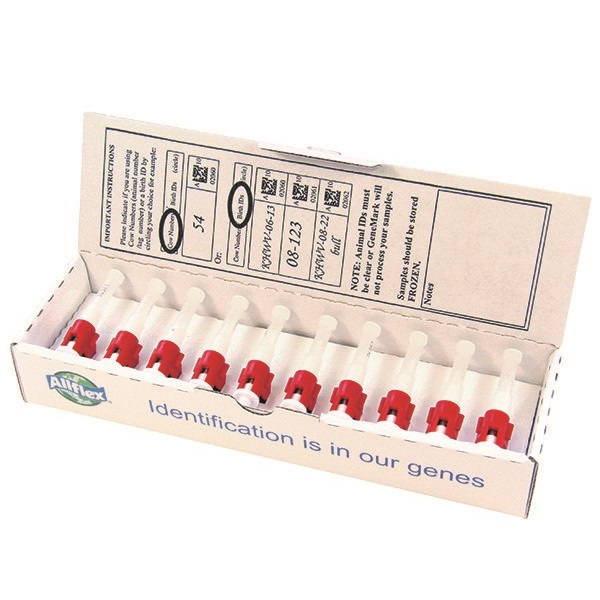
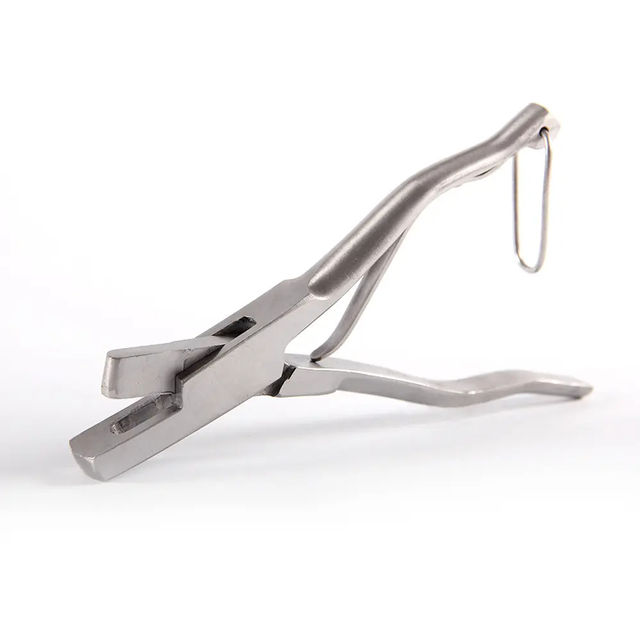
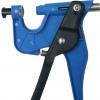
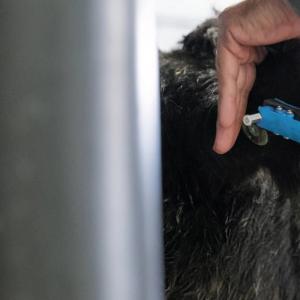
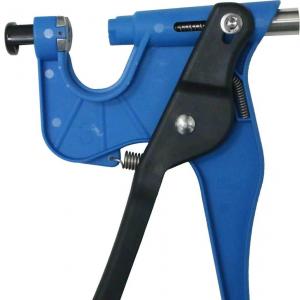
| Working Principle | The RFID tissue sampling tag is loaded into a compatible livestock ear tag applicator. The animal is properly restrained and the applicator is positioned on an appropriate area of the ear. When the applicator is closed, the tag components lock together while the sampling element removes a small ear tissue specimen. The sample is transferred into the collection container for laboratory submission. The RFID transponder remains permanently associated with the animal and can be read using a compatible electronic identification reader. The electronic identification number, visual tag number and sample identification can be linked within a livestock management or laboratory database. This integrated process supports efficient animal identification, tissue collection and traceability in commercial livestock operations. |
||||||||||||||||||||||||
| Technical Specifications |
|
||||||||||||||||||||||||
| Applications |
|
||||||||||||||||||||||||
| Customization Options |
|
||||||||||||||||||||||||
| Installation & Maintenance | Before application, confirm that the RFID identification number, visual identification and tissue sample information correspond to the correct animal record. Load the tag components into the compatible applicator according to the operating instructions. Properly restrain the animal and select an appropriate position on the ear while avoiding major blood vessels, cartilage ridges and existing ear tags. Apply firm and continuous pressure until the tag is completely locked and the tissue sample has been collected. Confirm that the sample is present in the collection container and seal it immediately. Read the electronic tag with a compatible RFID reader after application to verify the identification number and database linkage. Keep the reusable applicator clean and inspect its alignment and moving components regularly. Tissue sampling components are intended for single-animal use and should not be reused. |
||||||||||||||||||||||||
| Product FAQ | What is an RFID tissue sampling ear tag? It is an animal identification device that combines an electronic RFID transponder with a mechanism for collecting an ear tissue specimen during ear tag application. What RFID technologies are available? Reference configurations are available with FDX-B or HDX transponder technology depending on the livestock identification system and project requirements. Can the tissue sample be used for genomic testing? Yes. Properly collected ear tissue can be used for genomic analysis, DNA testing and parentage verification when accepted by the receiving laboratory. How is the tissue sample linked to the animal? Electronic identification, visual numbering and sample identification can be matched within a livestock or laboratory management system to maintain individual animal traceability. Can the sample container include preservative? Yes. Reference systems offer sample containers with either dry or liquid preservation options. Is a compatible RFID reader required? Yes. A reader compatible with the selected transponder technology is required to retrieve the electronic identification number. Is the sampling component reusable? No. Tissue sampling components are normally intended for single-animal use, while the compatible applicator can be reused according to the manufacturer's maintenance instructions. |
||||||||||||||||||||||||
| Product Gallery |   |
- Home
-
Products
- Pig Farming Equipment
- Cattle Farming Equipment
- Sheep & Goat Farming Equipment
- Poultry Farming Equipment
- Feeding & Drinking Systems
- Veterinary & Breeding Equipment
- Testing & Diagnostic Equipment
- Cleaning & Biosecurity Equipment
- Climate Control Equipment
- Livestock Weighing Equipment
- Manure & Waste Management
- Farm Transport & Handling
-
Solutions
- Pig Farm Solutions
- Dairy Farm Solutions
- Beef Cattle Farm Solutions
- Sheep & Goat Farm Solutions
- Layer Farm Solutions
- Broiler Farm Solutions
- Feeding & Drinking System Solutions
- Climate Control Solutions
- Biosecurity & Disinfection Solutions
- Manure & Waste Management
- Smart Farming Solutions
- Farm Renovation and Upgrade Solutions
- Partners
- Projects
- Resources
- News
- About Us
- Contact
Comments & Inquiries
Leave your questions or requirements below. We will reply as soon as possible.