
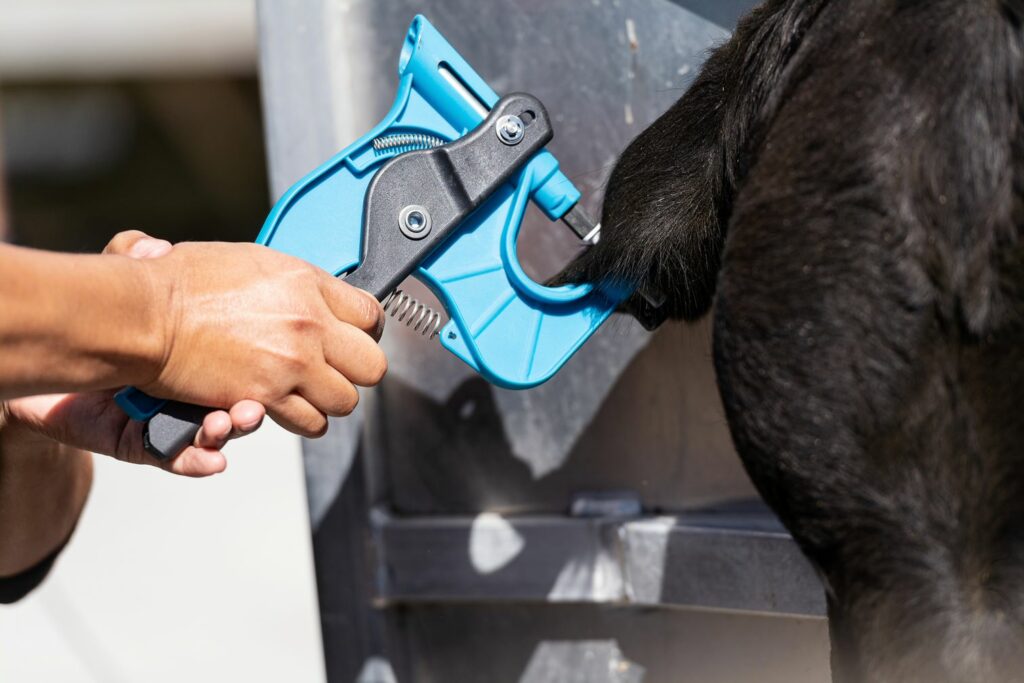
| Product Name | Livestock Ear Notch Tissue Sampler | ||||||||||||||||||||
| Product Image | 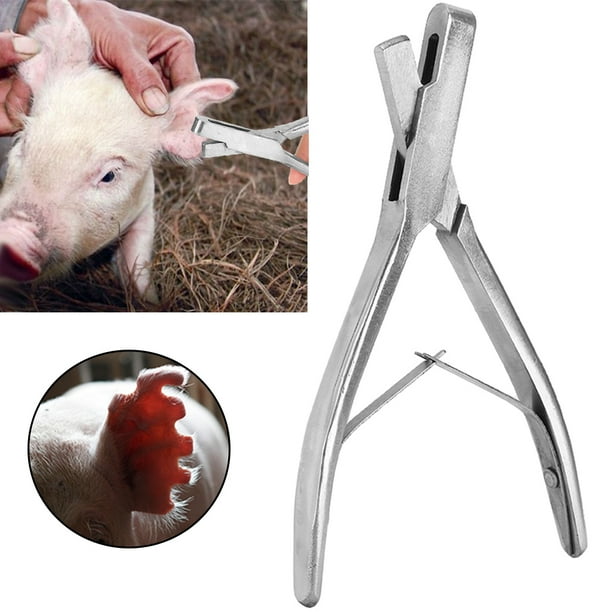 |
||||||||||||||||||||
| Product Overview | The Livestock Ear Notch Tissue Sampler is a reusable manual veterinary tool designed to remove a small, defined section of ear tissue from pigs, cattle, goat-farming-equipment/" target="_blank" class="keylink">sheep and other suitable livestock. It can be used for permanent ear-notch identification and, when required by an approved sampling protocol, collection of an ear tissue specimen for further examination. The tool uses hardened cutting jaws and a spring-assisted plier mechanism to produce a controlled notch with a simple hand-operated action. Stainless steel construction provides durability, corrosion resistance and convenient cleaning for repeated use in commercial livestock environments. Different notch profiles, including U-shaped and V-shaped configurations, can be selected according to identification systems, animal species and project requirements. |
||||||||||||||||||||
| Key Features |
|
||||||||||||||||||||
| Structural Components |
|
||||||||||||||||||||
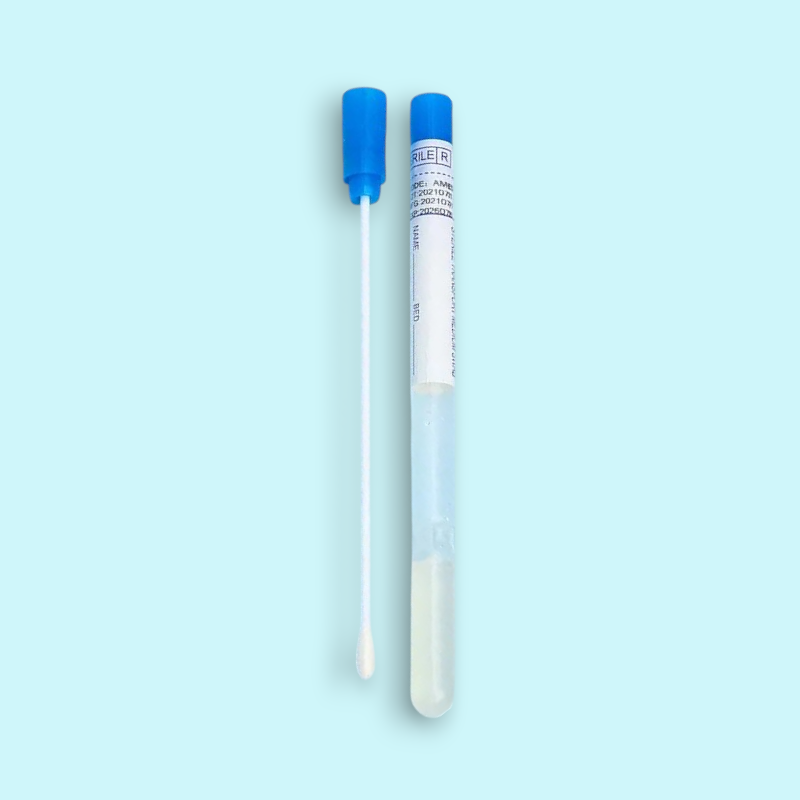
| Working Principle | The operator positions the selected section of the animal's ear between the cutting jaw and the matching die. When the handles are compressed, the sharpened cutting jaw passes through the ear and removes a defined piece of tissue. Releasing the handles allows the spring mechanism to reopen the tool for the next operation. The resulting notch can be used as a permanent visual identification mark according to an established livestock ear-notching code. When the removed tissue is required as a diagnostic or research specimen, it should be transferred immediately into an appropriate labeled sample container according to the receiving laboratory's protocol. The notcher itself does not provide an integrated specimen storage tube. |
||||||||||||||||||||
| Technical Specifications |
|
||||||||||||||||||||
| Applications |
|
||||||||||||||||||||
| Customization Options |
|
||||||||||||||||||||
| Use & Maintenance | Select the appropriate notch profile and size according to the livestock identification system or approved tissue sampling procedure. Properly restrain the animal before beginning the operation. Position the cutting jaws on the intended area of the ear while avoiding major blood vessels, existing identification tags and damaged tissue. Compress the handles firmly and completely to produce a clean notch. If the removed ear tissue is required for laboratory testing, place it immediately into the specified sample container and confirm the animal identification before proceeding to the next animal. Clean and disinfect the cutting surfaces between animals to reduce the risk of cross-contamination. Inspect the jaws regularly for blunt edges, deformation or corrosion. The pivot and spring mechanism should move freely without excessive looseness. After cleaning, dry the instrument thoroughly and store it in a clean, protected location. Sharpening or replacement should be considered when the cutting jaws can no longer produce a clean notch. |
||||||||||||||||||||
| Product FAQ | What is a livestock ear notch tissue sampler used for? It is primarily used to remove a defined section of livestock ear tissue for permanent identification and can also provide an ear-notch specimen when an approved laboratory sampling procedure requires one. Which animals can be sampled or marked with this tool? Different configurations are suitable for pigs, calves, cattle, sheep and other livestock. The correct tool size and notch profile should be selected for the animal and procedure. What is the difference between U-shaped and V-shaped notchers? They produce different notch profiles. The required shape depends on the farm identification system, livestock species and management protocol. Is this a disposable tool? No. The stainless steel ear notcher is reusable when it is properly cleaned, disinfected and maintained. Does the tool include a tissue collection tube? Standard manual ear notchers do not normally include an integrated collection tube. If tissue is required for laboratory analysis, it should be transferred to an appropriate labeled specimen container. How should the tool be maintained? Keep the cutting jaws clean, sharp and dry, disinfect the instrument between animals and regularly inspect the spring and pivot mechanism for proper operation. |
||||||||||||||||||||
| Product Gallery | 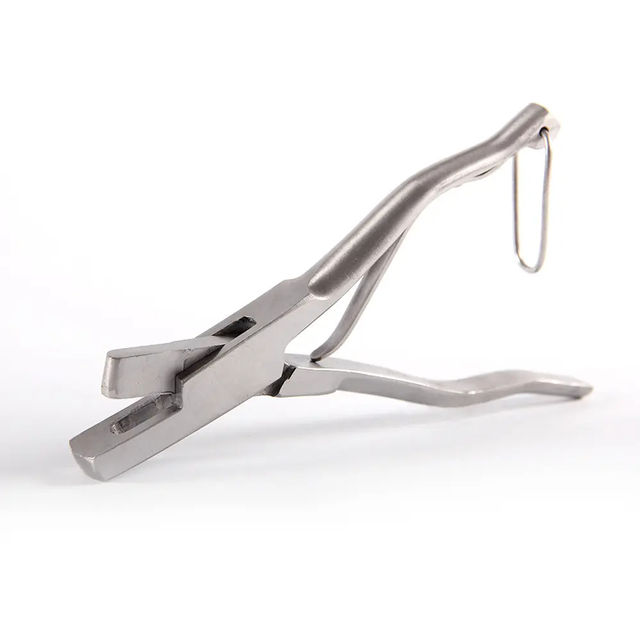 |
- Home
-
Products
- Pig Farming Equipment
- Cattle Farming Equipment
- Sheep & Goat Farming Equipment
- Poultry Farming Equipment
- Feeding & Drinking Systems
- Veterinary & Breeding Equipment
- Testing & Diagnostic Equipment
- Cleaning & Biosecurity Equipment
- Climate Control Equipment
- Livestock Weighing Equipment
- Manure & Waste Management
- Farm Transport & Handling
-
Solutions
- Pig Farm Solutions
- Dairy Farm Solutions
- Beef Cattle Farm Solutions
- Sheep & Goat Farm Solutions
- Layer Farm Solutions
- Broiler Farm Solutions
- Feeding & Drinking System Solutions
- Climate Control Solutions
- Biosecurity & Disinfection Solutions
- Manure & Waste Management
- Smart Farming Solutions
- Farm Renovation and Upgrade Solutions
- Partners
- Projects
- Resources
- News
- About Us
- Contact




Comments & Inquiries
Leave your questions or requirements below. We will reply as soon as possible.