
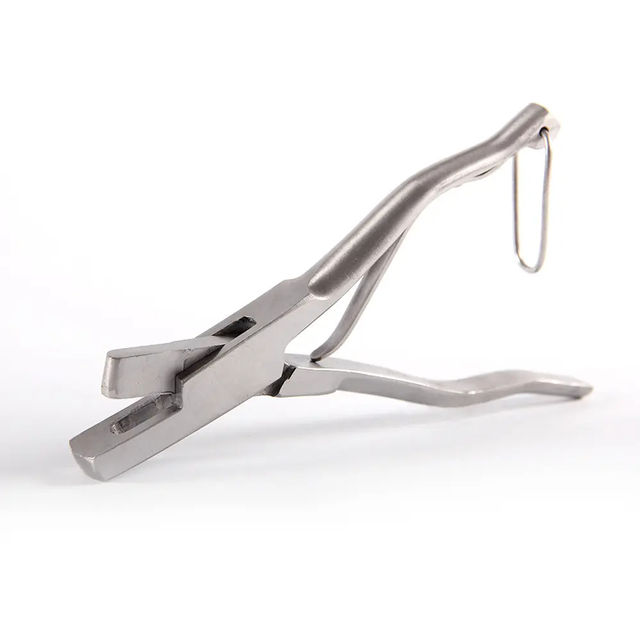
| Product Name | Cattle Tissue Sampling Ear Tag | ||||||||||||||||||||||
| Product Image | 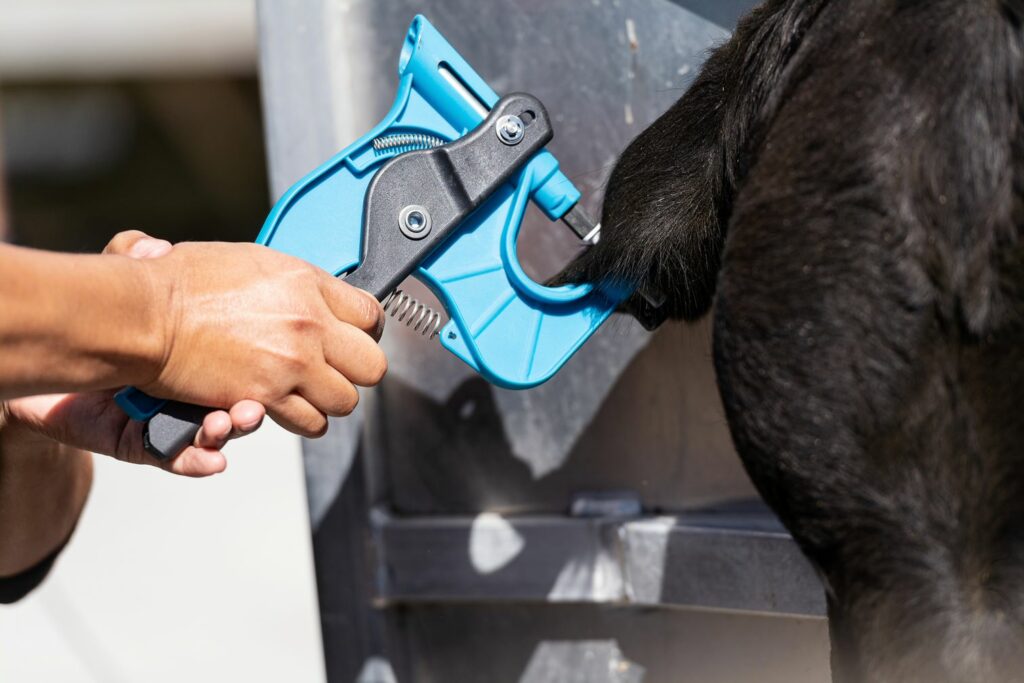 |
||||||||||||||||||||||
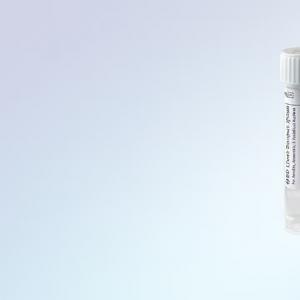
| Product Overview | The Cattle Tissue Sampling Ear Tag combines visual livestock identification with collection of an ear tissue specimen in a single application procedure. The system is designed for cattle breeding farms, dairy operations, beef herds, veterinary programs and livestock traceability projects requiring reliable linkage between an individual animal and its biological sample. During ear tag application, a small tissue sample is collected and transferred into a dedicated sample container. This integrated process reduces additional animal handling and helps maintain reliable sample-to-animal traceability. The collected tissue can be submitted for genomic analysis, parentage verification, genetic defect testing, breeding evaluation and selected veterinary disease testing according to laboratory requirements. The reference R/R configuration uses round male and female tag components with a diameter of approximately 27 mm. :contentReference[oaicite:0]{index=0} |
||||||||||||||||||||||
| Key Features |
|
||||||||||||||||||||||
| Structural Components |
|
||||||||||||||||||||||
| Working Principle | The male and female ear tag components are loaded into a compatible applicator together with the tissue sampling component. The animal is safely restrained and the applicator is positioned at the selected location on the ear. When the applicator is closed, the sampling mechanism removes a small section of ear tissue while simultaneously locking the identification tag into position. The tissue specimen is transferred into or retained by the sample collection unit. The collection container is then secured, labeled or scanned and linked to the corresponding animal identification record. The specimen can subsequently be transported to a laboratory for genomic, genetic or validated veterinary diagnostic analysis. |
||||||||||||||||||||||
| Technical Specifications |
|
||||||||||||||||||||||
| Applications |
|
||||||||||||||||||||||
| Customization Options |
|
||||||||||||||||||||||
| Installation & Maintenance | Verify the identification details of the tag and tissue collection container before application. The animal should be securely restrained to reduce movement during tagging. Load the tag and sampling components into the compatible applicator according to the applicator instructions. Select an appropriate area of the ear while avoiding major blood vessels, cartilage ridges and existing identification devices. Close the applicator firmly and completely so that the tissue specimen is collected and the ear tag is locked correctly. Confirm that the sample has been transferred into the collection unit before releasing the animal. Record or scan the animal and sample identification immediately after sampling. The tissue sample should be stored and transported according to the requirements of the receiving genomic or veterinary diagnostic laboratory. The reusable applicator should be inspected and cleaned regularly. Moving parts should remain free of debris, and worn components should be replaced according to the applicator manufacturer's recommendations. |
||||||||||||||||||||||
| Product FAQ | What is a cattle tissue sampling ear tag? It is a livestock identification tag that simultaneously collects a small ear tissue specimen when the tag is applied. What is the main advantage of combining tagging and tissue sampling? Both procedures can be completed in one handling step, reducing additional work and helping maintain a direct relationship between the animal identification and its biological specimen. What can the tissue sample be used for? Typical applications include DNA genotyping, parentage verification, genetic analysis, breeding evaluation and selected validated disease-testing programs. Does the reference system offer different preservation methods? Yes. The reference manufacturer provides sample containers with either dry or liquid preservative. :contentReference[oaicite:4]{index=4} What size is the reference R/R tag? Both the male and female components have a reference diameter of approximately 27 mm. :contentReference[oaicite:5]{index=5} Can the system support identification in both ears? Yes. The reference system is also available as a strip for double identification using both ears. :contentReference[oaicite:6]{index=6} |
||||||||||||||||||||||
| Product Gallery |  |
- Home
-
Products
- Pig Farming Equipment
- Cattle Farming Equipment
- Sheep & Goat Farming Equipment
- Poultry Farming Equipment
- Feeding & Drinking Systems
- Veterinary & Breeding Equipment
- Testing & Diagnostic Equipment
- Cleaning & Biosecurity Equipment
- Climate Control Equipment
- Livestock Weighing Equipment
- Manure & Waste Management
- Farm Transport & Handling
-
Solutions
- Pig Farm Solutions
- Dairy Farm Solutions
- Beef Cattle Farm Solutions
- Sheep & Goat Farm Solutions
- Layer Farm Solutions
- Broiler Farm Solutions
- Feeding & Drinking System Solutions
- Climate Control Solutions
- Biosecurity & Disinfection Solutions
- Manure & Waste Management
- Smart Farming Solutions
- Farm Renovation and Upgrade Solutions
- Partners
- Projects
- Resources
- News
- About Us
- Contact



Comments & Inquiries
Leave your questions or requirements below. We will reply as soon as possible.