
| Product Name | Livestock Tissue Sampling Applicator | ||||||||||||||||||||
| Product Image | 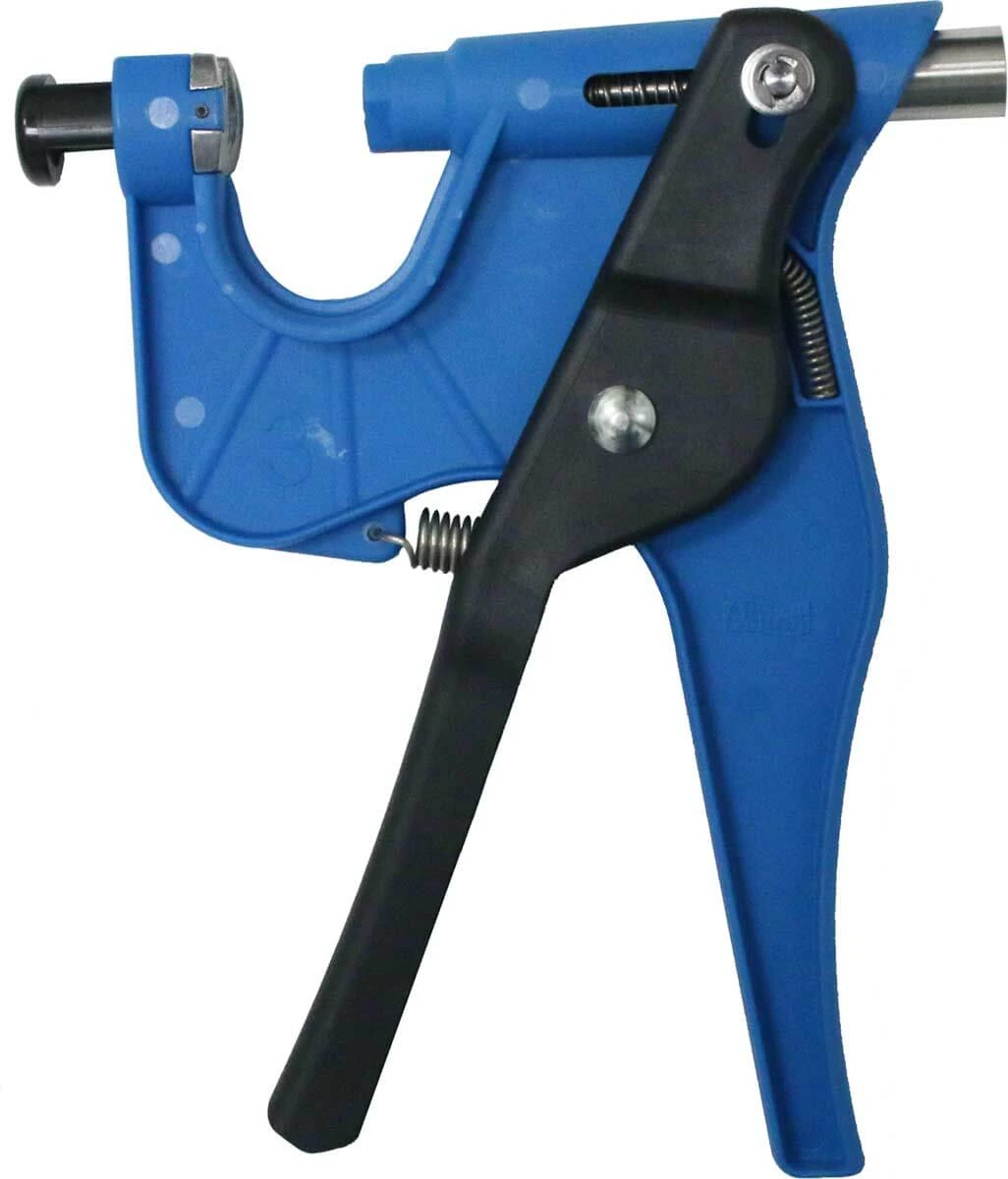 |
||||||||||||||||||||
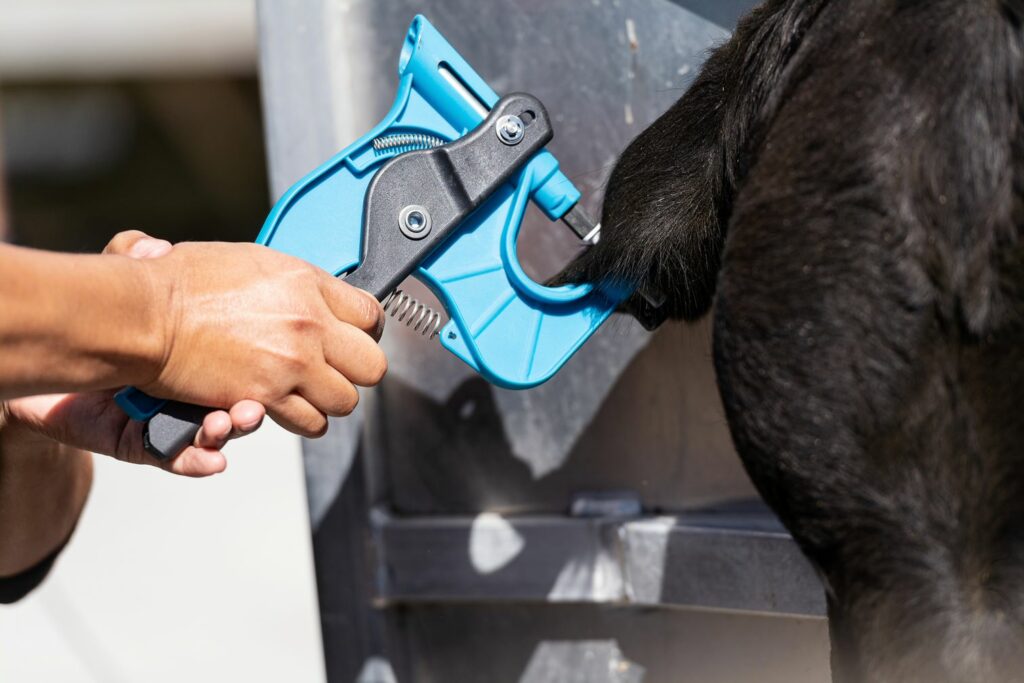
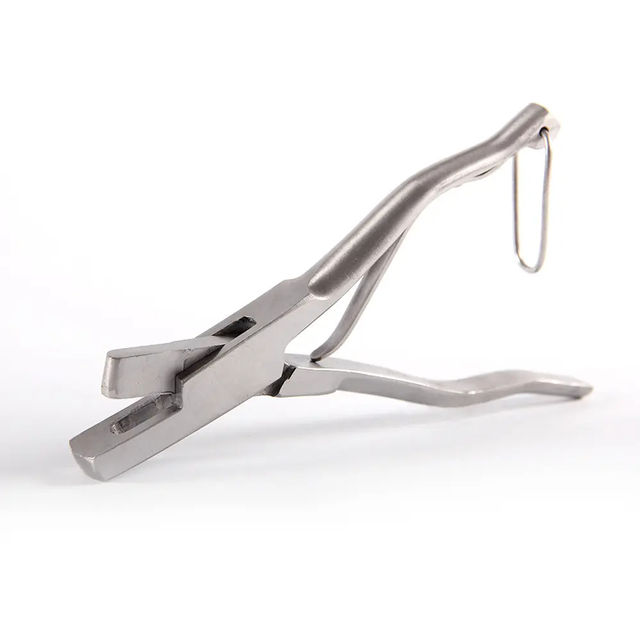
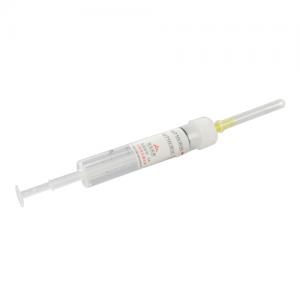
| Product Overview | The Livestock Tissue Sampling Applicator is a manual veterinary sampling tool designed for the application of compatible tissue sampling tags and the collection of small ear-notch specimens from livestock. The reference applicator is manufactured from lightweight aluminium and is designed to fit comfortably in the operator's hand. Its mechanical lever action provides controlled force for simultaneous tissue collection and animal identification when used with a compatible tissue sampling tag system. The applicator is especially suitable for bovine and other ruminant ear tissue sampling and can support genomic testing, breeding selection, research and selected veterinary diagnostic programs. Its reusable construction makes it suitable for repetitive sampling operations on commercial livestock farms, breeding facilities and veterinary projects. |
||||||||||||||||||||
| Key Features |
|
||||||||||||||||||||
| Structural Components |
|
||||||||||||||||||||
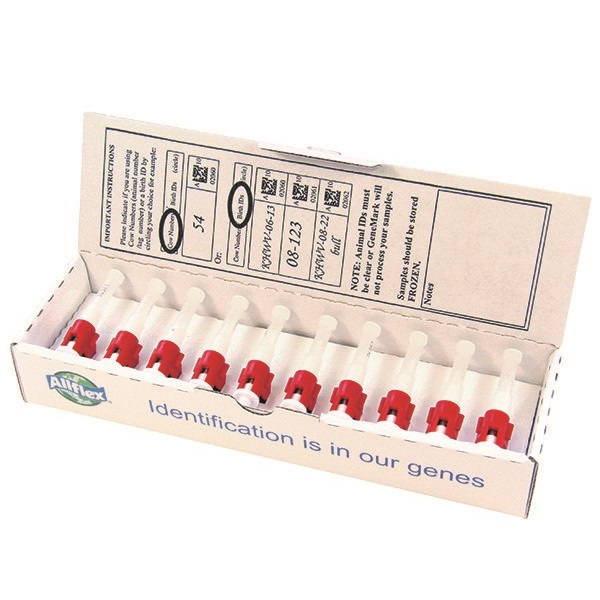
| Working Principle | A compatible tissue sampling tag set is loaded into the applicator before use. The male component with sampling needle and the female component are positioned in their corresponding locations according to the sampling system instructions. After the animal is properly restrained, the applicator is positioned on a suitable area of the ear. Firm and continuous pressure on the handles drives the sampling needle through the ear while the identification tag components lock together. During the same operating cycle, a small ear-notch specimen is captured by the sampling needle. The needle is then retained by the applicator and can be sealed with the corresponding sample collection tube. The resulting tissue specimen can be transported to an appropriate laboratory for genomic analysis, breeding evaluation, research or validated veterinary diagnostic testing. |
||||||||||||||||||||
| Technical Specifications |
|
||||||||||||||||||||
| Applications |
|
||||||||||||||||||||
| Customization Options |
|
||||||||||||||||||||
| Use & Maintenance | Before use, check that the applicator is clean, operates freely and is compatible with the selected tissue sampling tag system. Keep matched tag components and collection tubes together to preserve correct animal-to-sample traceability. Properly restrain the animal and select a suitable sampling position on the ear. Avoid major blood vessels, damaged tissue, existing identification tags and excessively thick cartilage areas. Load the sampling components correctly, position the applicator on the ear and close the handles using firm and continuous pressure. After application, confirm that the tissue specimen has been captured before sealing it with the corresponding sample tube. Keep the applicator clean and ensure that moving components remain free from dirt, tissue residue and other obstructions. Disinfect the tool as required in accordance with good livestock tagging and farm biosecurity practices. Light lubrication of appropriate moving parts may be applied before storage when recommended. Inspect the applicator regularly for wear, deformation or damaged components that could affect correct tag alignment or tissue collection. |
||||||||||||||||||||
| Product FAQ | What is a livestock tissue sampling applicator used for? It is used to apply compatible tissue sampling tags while collecting a small ear-notch specimen for genomic, breeding, research or selected veterinary diagnostic applications. Can tissue sampling and livestock identification be performed at the same time? Yes. Compatible tissue sampling tag systems allow the ear tissue specimen to be collected while the identification tag is attached in a single operating cycle. What animals can the applicator be used with? The reference system is especially suited to cattle and other ruminants. Compatibility with other livestock depends on the selected tissue sampling tag system. Can the applicator be reused? Yes. The applicator is reusable. Tissue sampling needles, sample tubes and other animal-specific sampling components should be used according to their intended single-animal application. Can samples collected with the applicator be used for genomic testing? Yes. Ear-notch tissue collected with compatible systems can be submitted for genomic analysis when accepted by the receiving laboratory. How should the applicator be maintained? Keep the applicator clean, disinfect it as required, remove material that could obstruct moving parts and inspect it regularly for wear. Appropriate moving components may be lightly lubricated before storage when recommended. |
||||||||||||||||||||
| Product Gallery | 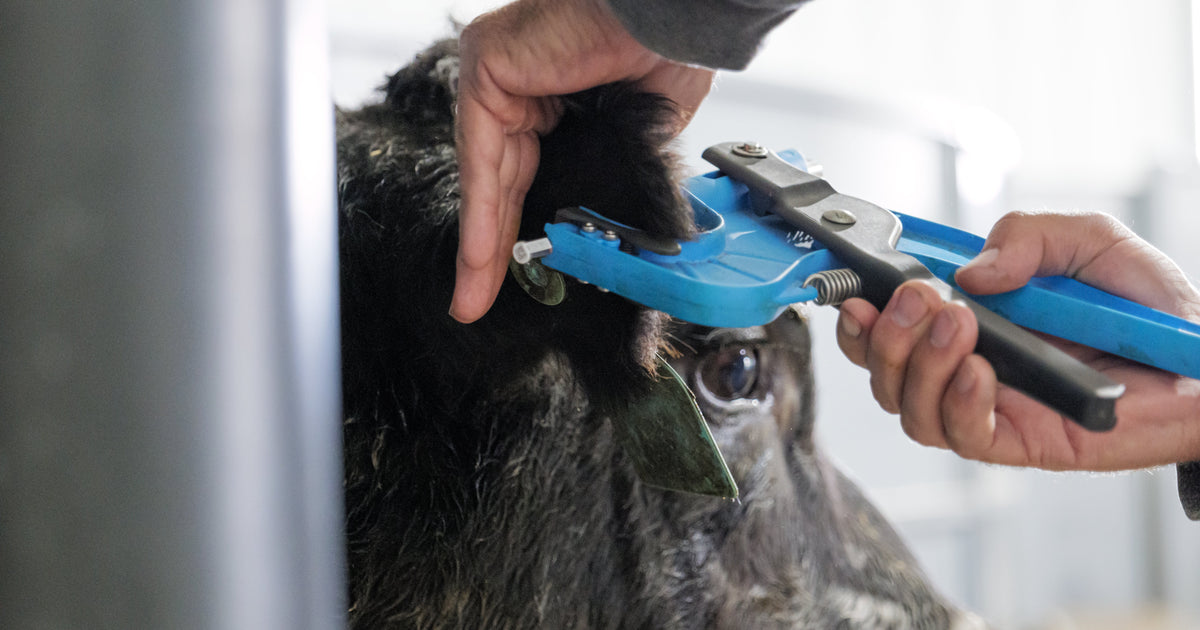 |
- Home
-
Products
- Pig Farming Equipment
- Cattle Farming Equipment
- Sheep & Goat Farming Equipment
- Poultry Farming Equipment
- Feeding & Drinking Systems
- Veterinary & Breeding Equipment
- Testing & Diagnostic Equipment
- Cleaning & Biosecurity Equipment
- Climate Control Equipment
- Livestock Weighing Equipment
- Manure & Waste Management
- Farm Transport & Handling
-
Solutions
- Pig Farm Solutions
- Dairy Farm Solutions
- Beef Cattle Farm Solutions
- Sheep & Goat Farm Solutions
- Layer Farm Solutions
- Broiler Farm Solutions
- Feeding & Drinking System Solutions
- Climate Control Solutions
- Biosecurity & Disinfection Solutions
- Manure & Waste Management
- Smart Farming Solutions
- Farm Renovation and Upgrade Solutions
- Partners
- Projects
- Resources
- News
- About Us
- Contact
Comments & Inquiries
Leave your questions or requirements below. We will reply as soon as possible.