
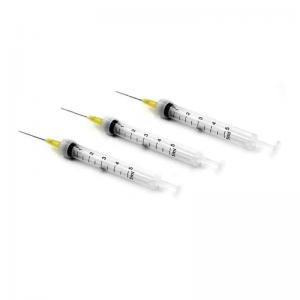
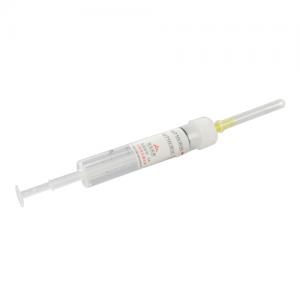
| Product Name | Cattle BVD Ear Notch Sampling Kit | ||||||||||||||||||||||||
| Product Image | 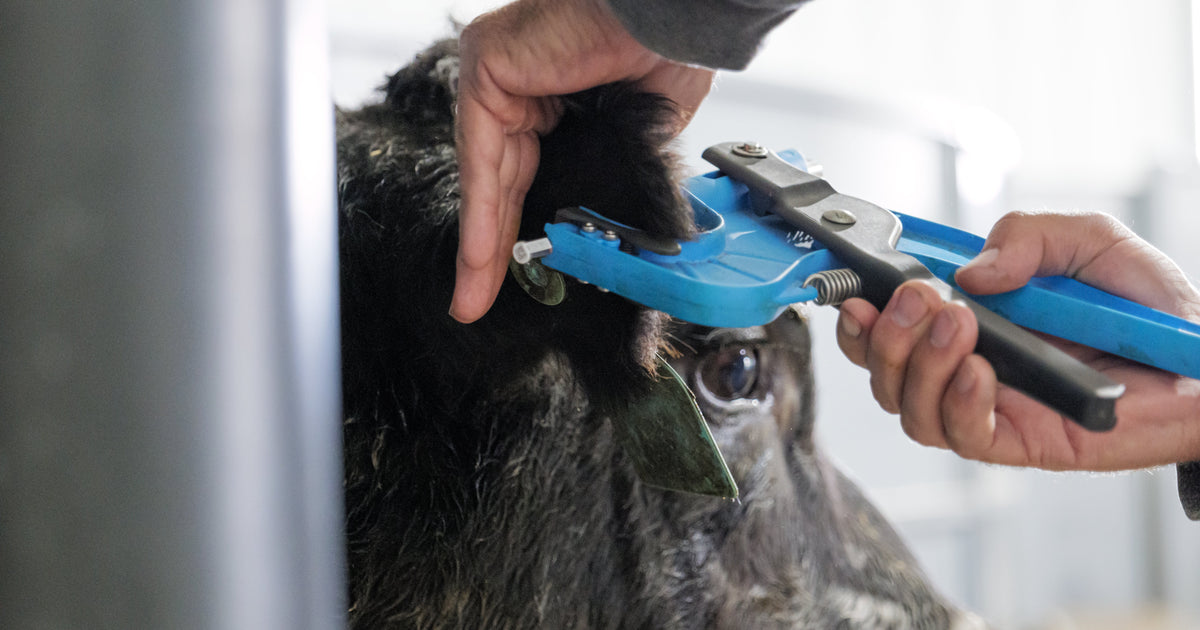 |
||||||||||||||||||||||||
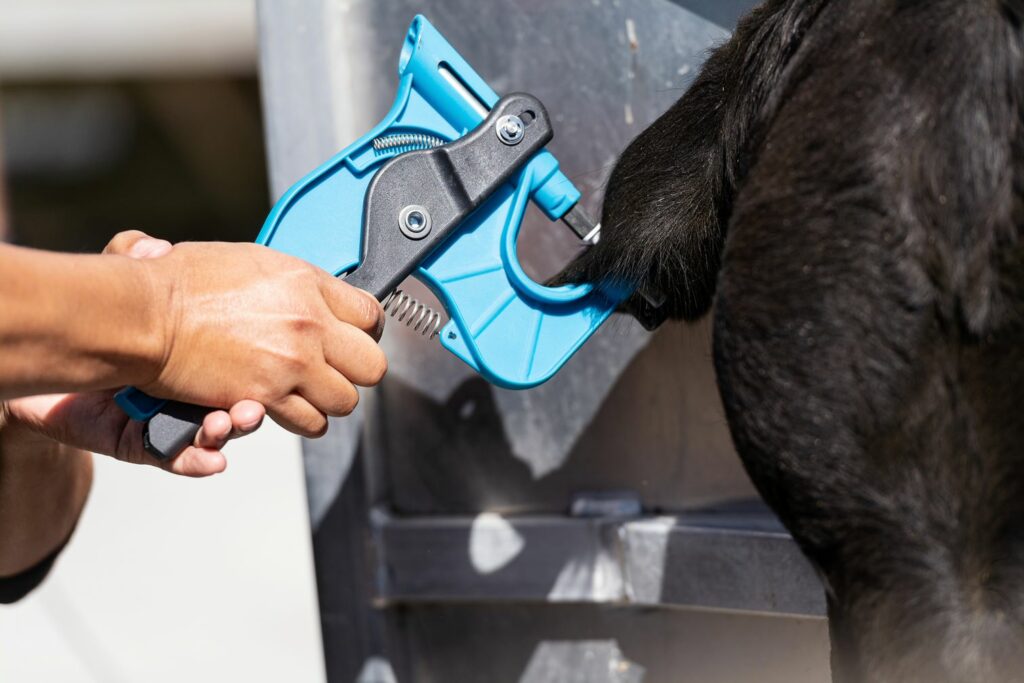
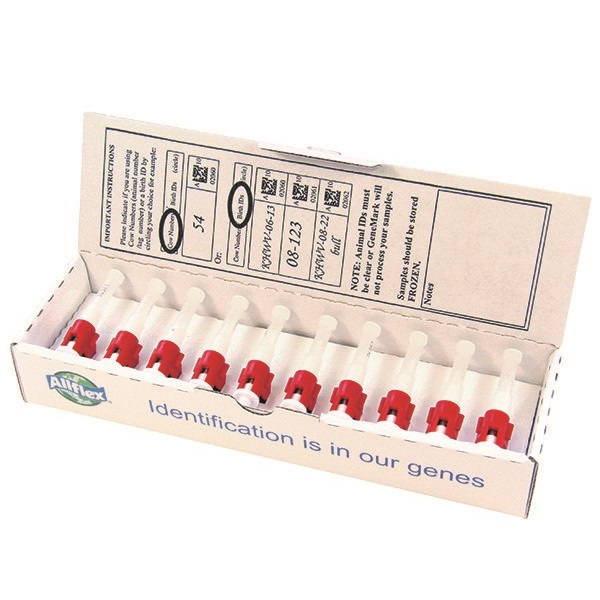
| Product Overview | The Cattle BVD Ear Notch Sampling Kit is designed for rapid collection of small bovine ear tissue specimens for Bovine Viral Diarrhoea Virus testing, genomic analysis and livestock identification programs. The reference tissue sampling system integrates animal identification with tissue collection. During application, a small ear-notch specimen is captured inside the sampling needle and subsequently sealed in a hygienic collection tube for laboratory submission. Each sample tube can carry a unique barcode corresponding to the animal identification number, helping maintain reliable traceability from cattle handling and tagging through laboratory testing. The system is particularly suitable for commercial dairy farms, beef cattle operations, breeding farms and herd disease-control programs. :contentReference[oaicite:0]{index=0} |
||||||||||||||||||||||||
| Key Features |
|
||||||||||||||||||||||||
| Structural Components |
|
||||||||||||||||||||||||
| Working Principle | The tissue sampling components are loaded into a compatible applicator and positioned on a suitable area of the animal's ear. When the applicator is closed, the sampling needle passes through the ear and collects a small tissue specimen while the identification tag is attached. The needle containing the specimen is automatically separated from the tag component and retained by the applicator. The collection tube is then placed over the sampling needle to seal the specimen. The tube can be sent to a veterinary diagnostic laboratory for BVDV testing or to an approved genomic laboratory for DNA analysis. Because the tube identification matches the corresponding animal tag, the result can be linked accurately to the individual animal. :contentReference[oaicite:3]{index=3} |
||||||||||||||||||||||||
| Technical Specifications |
|
||||||||||||||||||||||||
| Applications |
|
||||||||||||||||||||||||
| Customization Options |
|
||||||||||||||||||||||||
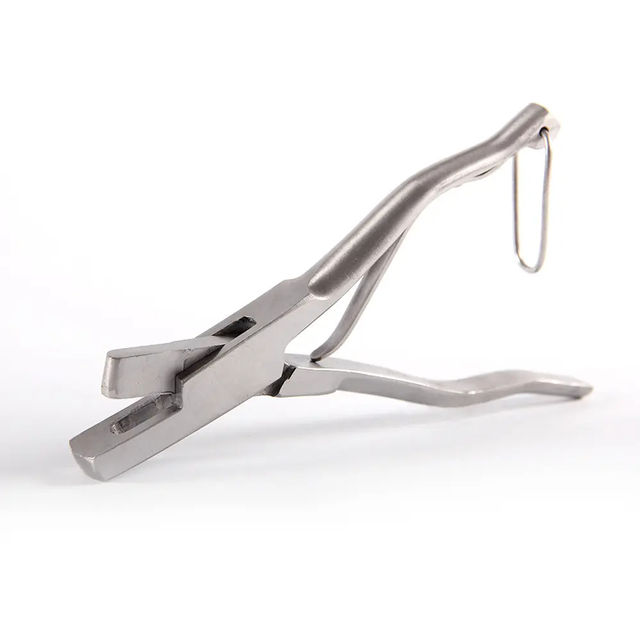
| Use & Maintenance | Confirm that the identification number or barcode on the sampling tube matches the corresponding animal tag before sampling. Load the sampling components into the compatible applicator according to the operating instructions. Properly restrain the animal and position the applicator on a clean area of the ear, avoiding large blood vessels, thick cartilage ridges and existing tags. Close the applicator firmly and completely to collect the tissue sample and attach the identification tag. After application, confirm that the tissue specimen has been captured in the sampling needle. Seal the sample using the matching collection tube and maintain accurate animal-to-sample identification. Store and transport the specimen according to the requirements of the BVDV testing laboratory. Keep the reusable applicator clean and inspect its moving components regularly. Sampling needles and tissue collection units are intended for single-animal use and should not be reused. |
||||||||||||||||||||||||
| Product FAQ | What is a cattle BVD ear notch sampling kit used for? It is used to collect an ear tissue specimen from cattle for BVDV diagnostic testing and can also support genomic testing when accepted by the receiving laboratory. Can calves be sampled shortly after birth? Yes. The referenced tissue sampling system is designed for young animals and can be used on suitable calves from an early age when local identification and testing procedures permit. :contentReference[oaicite:6]{index=6} Why is ear tissue useful for BVD testing? Ear-notch tissue can be tested for BVDV in validated diagnostic programs and is particularly useful for identifying persistently infected cattle within herd-control programs. Can tagging and sampling be performed at the same time? Yes. The reference system collects the tissue sample while the identification tag is applied in one action. :contentReference[oaicite:7]{index=7} How is sample traceability maintained? Each collection tube carries a unique barcode and the same unique identification number as the corresponding tag, allowing the laboratory result to be linked to the correct animal. :contentReference[oaicite:8]{index=8} Can the sample also be used for genomic testing? Yes. The reference manufacturer states that ear-notch specimens collected with suitable preservation media can also be used for genomic analysis. :contentReference[oaicite:9]{index=9} |
||||||||||||||||||||||||
| Product Gallery |  |
- Home
-
Products
- Pig Farming Equipment
- Cattle Farming Equipment
- Sheep & Goat Farming Equipment
- Poultry Farming Equipment
- Feeding & Drinking Systems
- Veterinary & Breeding Equipment
- Testing & Diagnostic Equipment
- Cleaning & Biosecurity Equipment
- Climate Control Equipment
- Livestock Weighing Equipment
- Manure & Waste Management
- Farm Transport & Handling
-
Solutions
- Pig Farm Solutions
- Dairy Farm Solutions
- Beef Cattle Farm Solutions
- Sheep & Goat Farm Solutions
- Layer Farm Solutions
- Broiler Farm Solutions
- Feeding & Drinking System Solutions
- Climate Control Solutions
- Biosecurity & Disinfection Solutions
- Manure & Waste Management
- Smart Farming Solutions
- Farm Renovation and Upgrade Solutions
- Partners
- Projects
- Resources
- News
- About Us
- Contact
Comments & Inquiries
Leave your questions or requirements below. We will reply as soon as possible.