
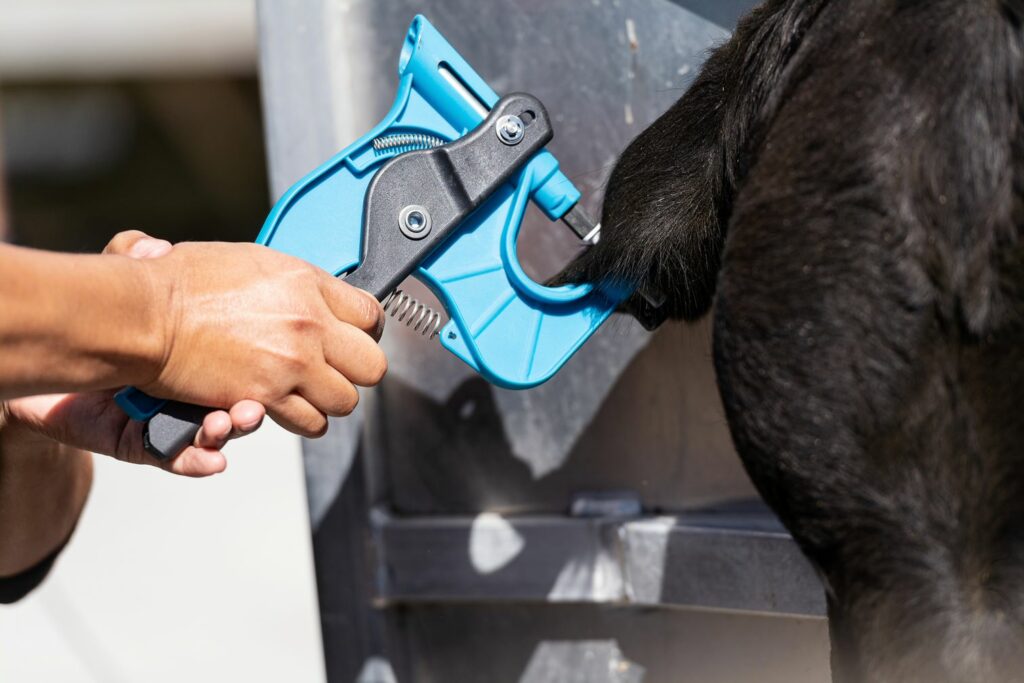
| Product Name | Livestock Ear Tissue Sampling Unit | ||||||||||||||||||||||||
| Product Image | 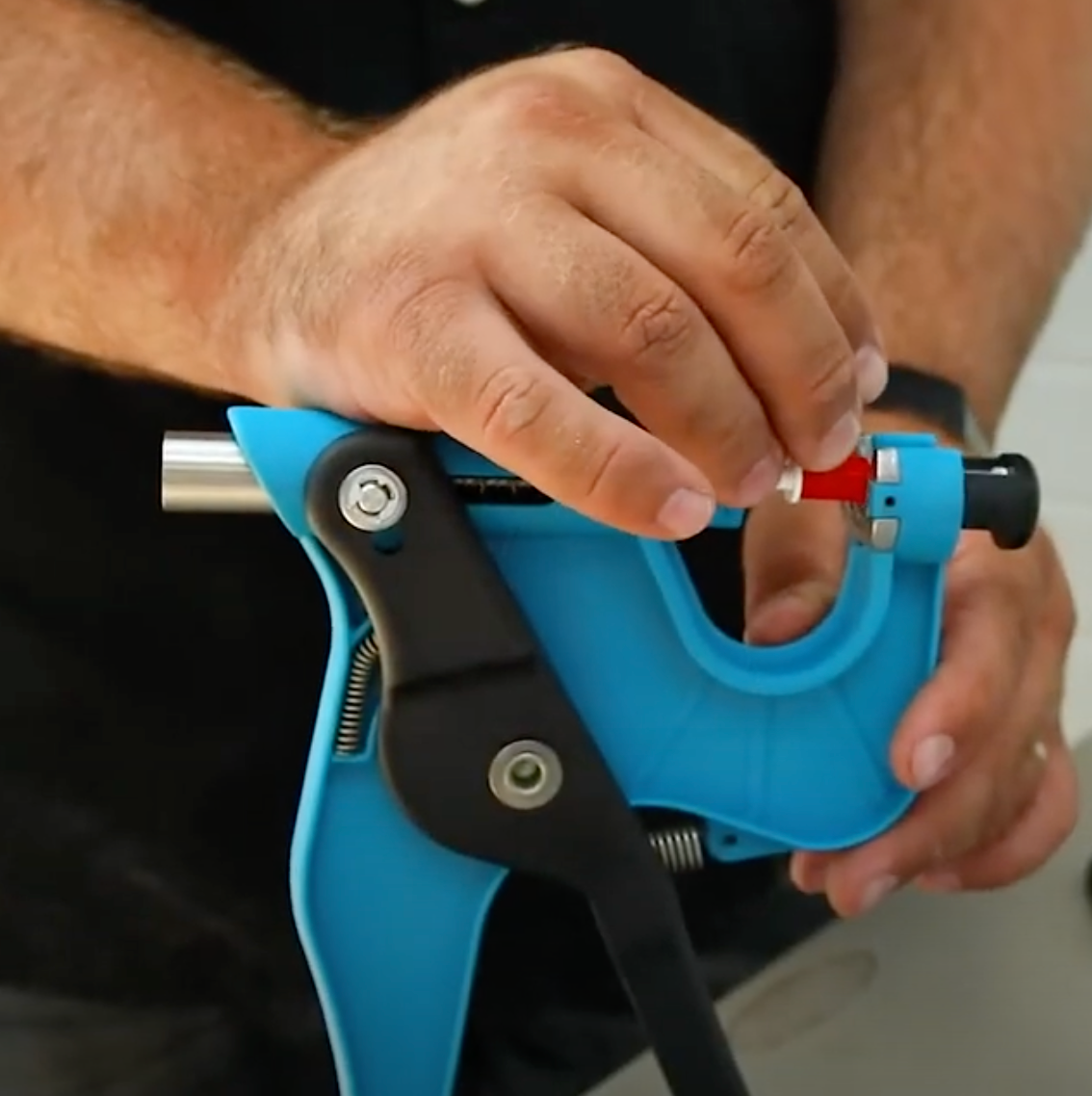 |
||||||||||||||||||||||||
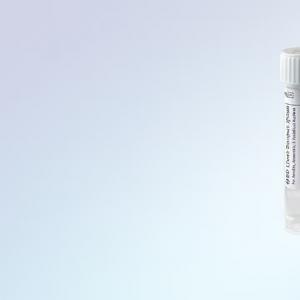
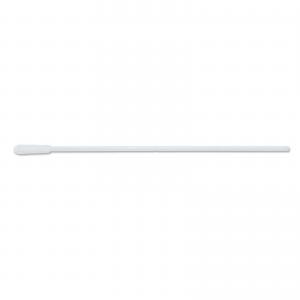
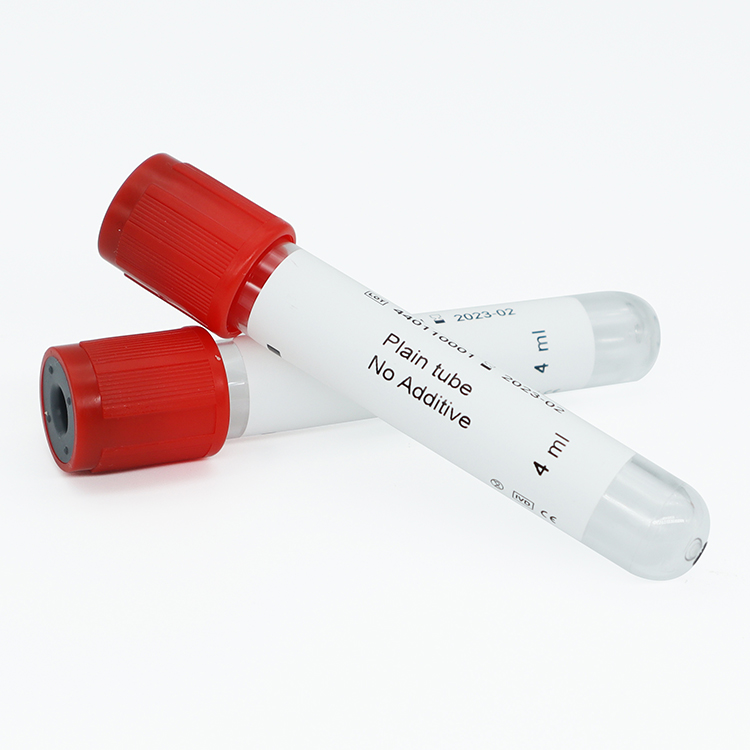
| Product Overview | The Livestock Ear Tissue Sampling Unit is designed to collect a small ear-notch tissue specimen while an animal identification tag is applied. The reference system is particularly suitable for cattle and other ruminants and supports genomic analysis, breeding programs, research and selected veterinary disease-control applications. The system combines a male tag component with a sampling needle, a female tag component and a hygienic plastic collection tube. A compatible applicator completes tissue sampling and tagging in one controlled action, helping simplify large-scale livestock sampling workflows. Each collection tube can be marked with a unique barcode and the same identification number as the corresponding tag, allowing secure sample-to-animal traceability from the farm to the laboratory. :contentReference[oaicite:1]{index=1} |
||||||||||||||||||||||||
| Key Features |
|
||||||||||||||||||||||||
| Structural Components |
|
||||||||||||||||||||||||
| Working Principle | The tissue sampling tag components are loaded into a compatible applicator and positioned at a suitable area of the animal's ear. When the applicator is closed, the sampling needle passes through the ear, removes a small tissue specimen and simultaneously attaches the identification tag. After sampling, the needle is automatically separated from the tag component and remains in the applicator. The collection tube is then placed over the needle to close and seal the tissue specimen. The sealed sample can subsequently be transported to a qualified laboratory for genomic analysis or validated veterinary testing. :contentReference[oaicite:2]{index=2} |
||||||||||||||||||||||||
| Technical Specifications |
|
||||||||||||||||||||||||
| Applications |
|
||||||||||||||||||||||||
| Customization Options |
|
||||||||||||||||||||||||
| Use & Maintenance | Confirm that the sample identification number or barcode corresponds with the intended animal before sampling. Maintaining the correct animal-to-sample relationship is essential for genomic and diagnostic traceability. Load the components into the compatible applicator according to the operating procedure. Restrain the animal properly and position the sampler on a clean area of the ear while avoiding major blood vessels, thick cartilage and previously installed ear tags. Close the applicator firmly until the sampling cycle is complete. Confirm that the tissue specimen has been captured, then seal the sampling needle with the designated collection tube. Keep the reusable applicator clean and inspect its moving components regularly. Collected samples should be stored and transported according to the requirements of the receiving genomic or veterinary diagnostic laboratory. |
||||||||||||||||||||||||
| Product FAQ | What is a livestock ear tissue sampling unit used for? It collects a small ear-notch sample for genomic analysis, breeding selection, research and selected veterinary diagnostic procedures. Can tissue sampling and identification be completed together? Yes. The reference system is designed to collect the tissue specimen while the identification tag is attached in one operation. How is the specimen linked to the animal? The collection tube carries a unique barcode and the same unique number as the corresponding tag, providing individual-level traceability. Can the tissue sample be used for genomic analysis? Yes. The reference manufacturer specifically identifies genomic testing as one of the intended applications for properly collected ear-notch samples. Can ear tissue be used for BVDV testing? Yes. The reference system is designed for ear-notch specimens that can be used in validated BVDV diagnostic programs. Is the applicator reusable? The applicator is reusable, while the tissue sampling components are intended for individual animal sampling. |
||||||||||||||||||||||||
| Product Gallery | |
- Home
-
Products
- Pig Farming Equipment
- Cattle Farming Equipment
- Sheep & Goat Farming Equipment
- Poultry Farming Equipment
- Feeding & Drinking Systems
- Veterinary & Breeding Equipment
- Testing & Diagnostic Equipment
- Cleaning & Biosecurity Equipment
- Climate Control Equipment
- Livestock Weighing Equipment
- Manure & Waste Management
- Farm Transport & Handling
-
Solutions
- Pig Farm Solutions
- Dairy Farm Solutions
- Beef Cattle Farm Solutions
- Sheep & Goat Farm Solutions
- Layer Farm Solutions
- Broiler Farm Solutions
- Feeding & Drinking System Solutions
- Climate Control Solutions
- Biosecurity & Disinfection Solutions
- Manure & Waste Management
- Smart Farming Solutions
- Farm Renovation and Upgrade Solutions
- Partners
- Projects
- Resources
- News
- About Us
- Contact




Comments & Inquiries
Leave your questions or requirements below. We will reply as soon as possible.