
| Product Name | Livestock Tissue Sample Collection Tube | ||||||||||||||||||||||||
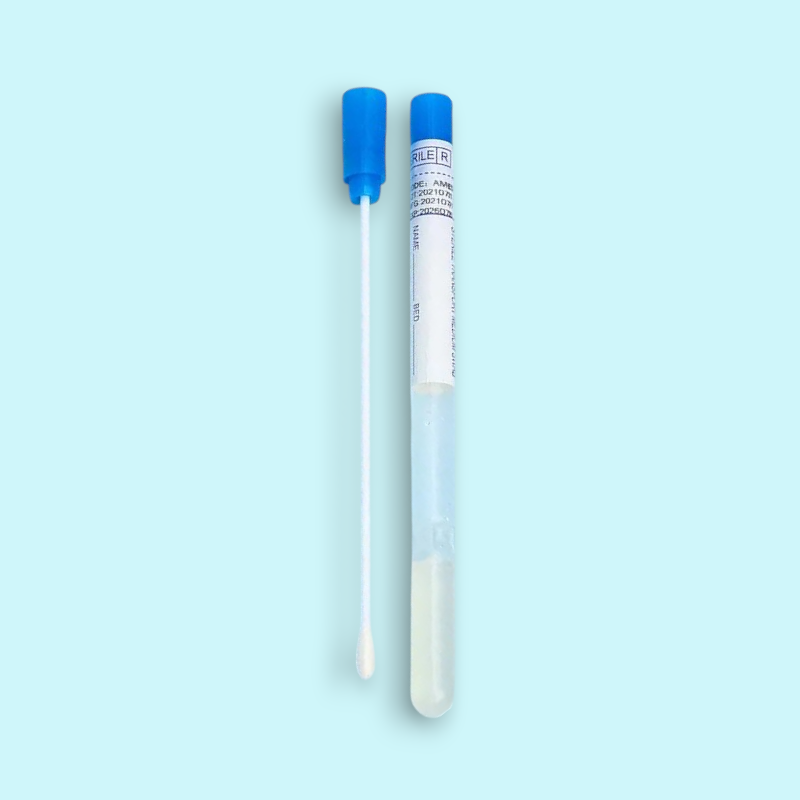
| Product Image | 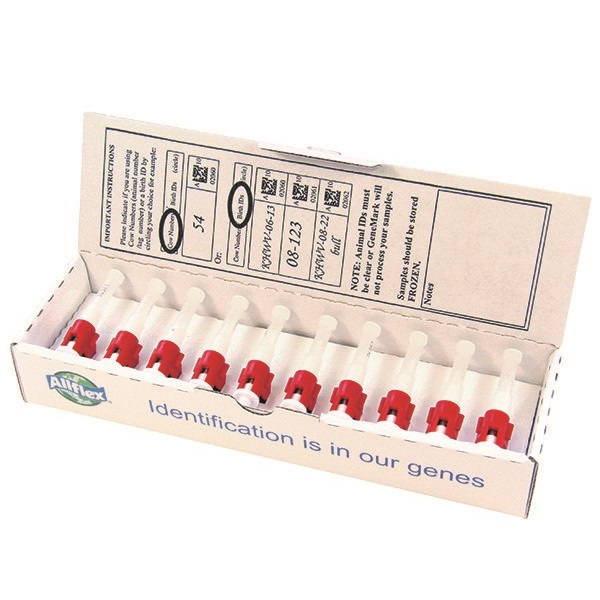 |
||||||||||||||||||||||||
| Product Overview | The Livestock Tissue Sample Collection Tube is designed for secure collection, containment, identification and transport of ear-notch tissue specimens from cattle and other suitable livestock. When used as part of a compatible tissue sampling system, a small ear tissue sample is deposited directly into the collection tube, minimizing manual handling and helping reduce the risk of contamination or sample mix-up. Tissue specimens can then be submitted for DNA analysis, genomic testing, parentage verification, breeding programs or selected veterinary diagnostic procedures. Pre-numbered and barcoded tube configurations support accurate animal-to-sample traceability, making the system suitable for commercial cattle farms, breeding organizations, livestock groups, veterinary laboratories and large-scale animal identification projects. |
||||||||||||||||||||||||
| Key Features |
|
||||||||||||||||||||||||
| Structural Components |
|
||||||||||||||||||||||||
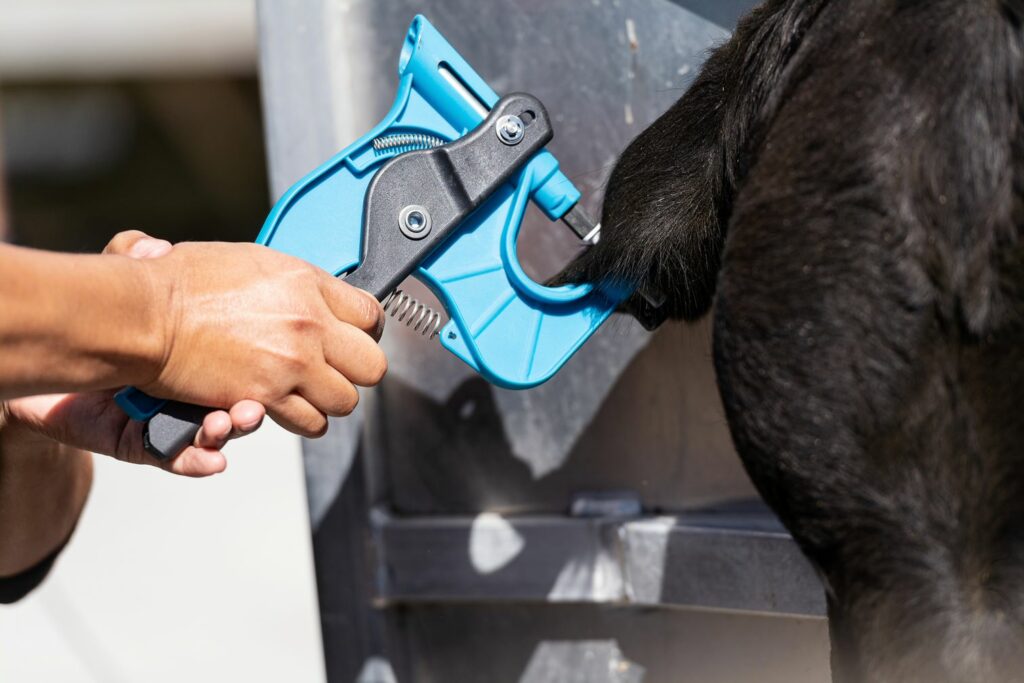
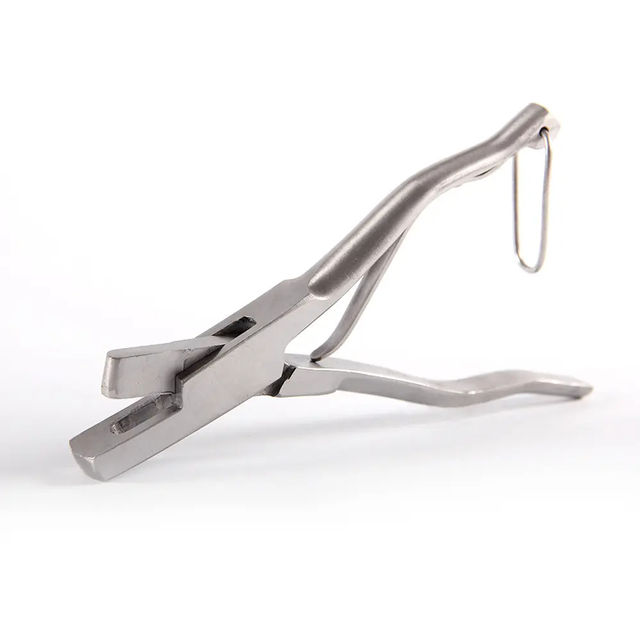
| Working Principle | A compatible tissue sampling unit is positioned on an appropriate area of the animal's ear. When the applicator is activated, the cutting component removes a small tissue specimen and deposits it directly into the sample collection tube. The tube is then removed from the applicator and checked to confirm that tissue has been successfully captured. The sealed collection system protects the specimen and reduces the need for direct contact with the sample. Each tube can be identified by an individual number or barcode so that the laboratory sample remains linked to the corresponding animal record throughout transportation, testing and data reporting. |
||||||||||||||||||||||||
| Technical Specifications |
|
||||||||||||||||||||||||
| Applications |
|
||||||||||||||||||||||||
| Customization Options |
|
||||||||||||||||||||||||
| Use & Handling | Confirm the animal identification and corresponding tube number or barcode before collecting the specimen. Accurate identification is essential for genomic and veterinary diagnostic workflows. Load the tissue sampling unit into the compatible applicator according to the equipment instructions. Properly restrain the animal and position the cutter on a suitable area of the ear while avoiding obvious veins, cartilage ridges and existing ear tags. Activate the applicator in a firm, continuous motion to collect the tissue specimen. Remove the collection tube and visually confirm that a suitable sample is present. Place the completed tube in the appropriate storage tray or transport container and record the animal identification. Keep specimens away from contamination, excessive heat and direct sunlight. Storage temperature and maximum storage period depend on the specific sampling system, preservative and laboratory protocol. Always follow the requirements of the receiving genomic or veterinary diagnostic laboratory. |
||||||||||||||||||||||||
| Product FAQ | What is a livestock tissue sample collection tube used for? It is used to contain and identify small livestock tissue specimens, typically ear-notch samples, for genomic, genetic or selected veterinary diagnostic testing. Can the tube be used for cattle DNA testing? Yes. Ear tissue collection tubes are commonly used for cattle DNA extraction, genomic analysis and parentage verification. Can it be used for BVD testing? Yes, when the selected laboratory accepts ear-notch tissue for its validated BVD testing method. IDEXX specifically identifies tissue sampling units as an effective method for collecting clearly identified ear-notch samples for BVD antigen testing. How does the tube help prevent sample mix-ups? Individual serial numbers or barcodes can be assigned to each tube and linked to the corresponding animal identification record. Does the operator need to touch the tissue specimen? Normally no. A compatible tissue sampling system deposits the tissue directly into the collection tube, reducing manual sample handling. Can samples be stored before laboratory submission? Yes. Storage is possible when the selected tube and preservation system permit it, but the exact temperature and storage duration should follow the sampling-system and laboratory instructions. Is the tube reusable? No. Each collection tube should be used for one animal and one tissue sample to maintain traceability and reduce cross-contamination risk. |
||||||||||||||||||||||||
| Product Gallery | 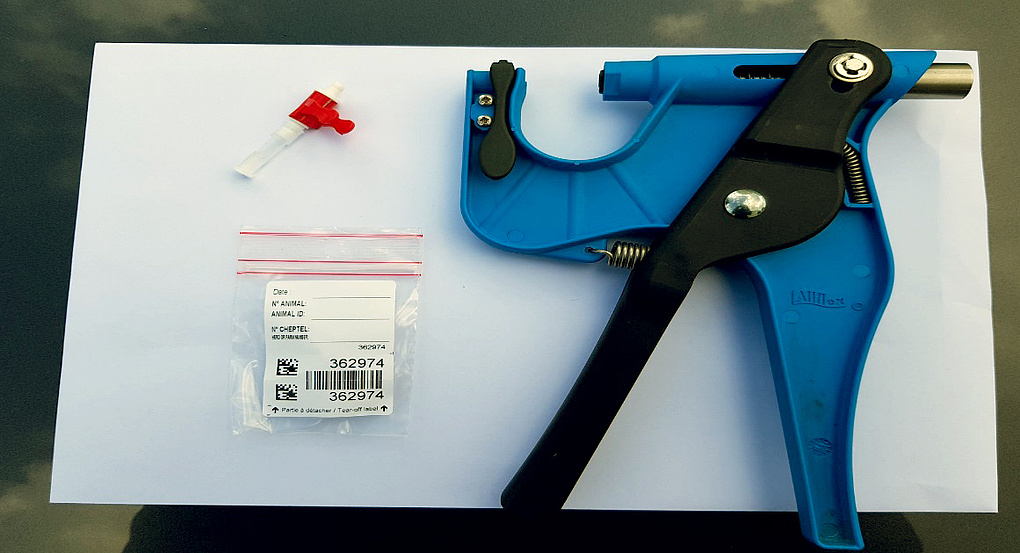 |
- Home
-
Products
- Pig Farming Equipment
- Cattle Farming Equipment
- Sheep & Goat Farming Equipment
- Poultry Farming Equipment
- Feeding & Drinking Systems
- Veterinary & Breeding Equipment
- Testing & Diagnostic Equipment
- Cleaning & Biosecurity Equipment
- Climate Control Equipment
- Livestock Weighing Equipment
- Manure & Waste Management
- Farm Transport & Handling
-
Solutions
- Pig Farm Solutions
- Dairy Farm Solutions
- Beef Cattle Farm Solutions
- Sheep & Goat Farm Solutions
- Layer Farm Solutions
- Broiler Farm Solutions
- Feeding & Drinking System Solutions
- Climate Control Solutions
- Biosecurity & Disinfection Solutions
- Manure & Waste Management
- Smart Farming Solutions
- Farm Renovation and Upgrade Solutions
- Partners
- Projects
- Resources
- News
- About Us
- Contact


Comments & Inquiries
Leave your questions or requirements below. We will reply as soon as possible.