


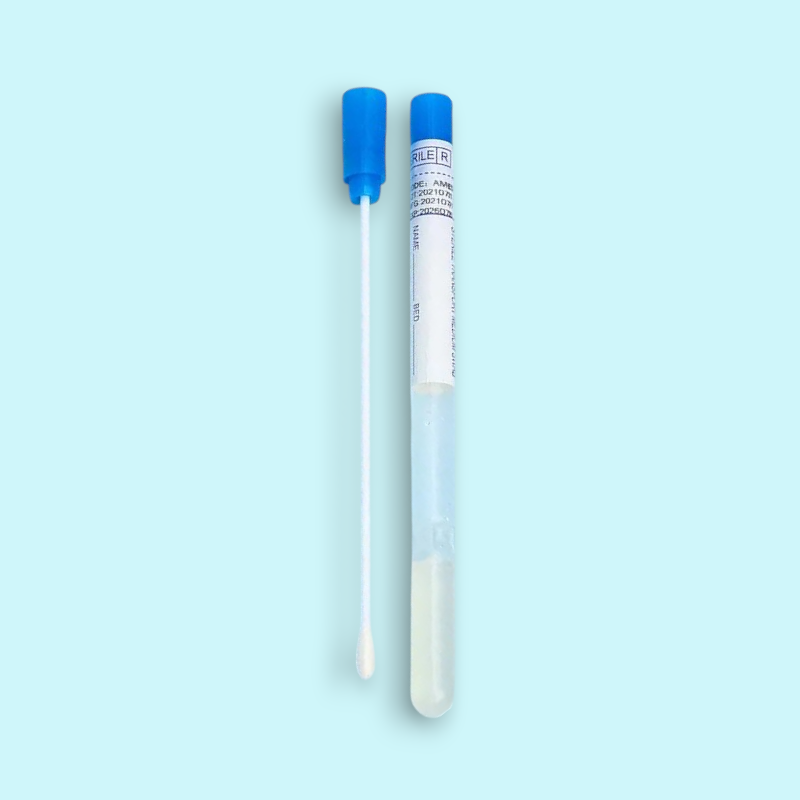



| Product Name | Veterinary Sampling Swab with Transport Medium | ||||||||||||||||||||||||
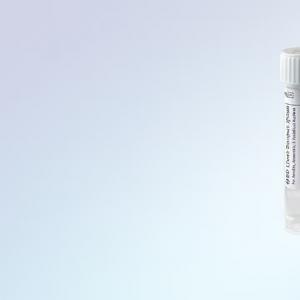
| Product Image | 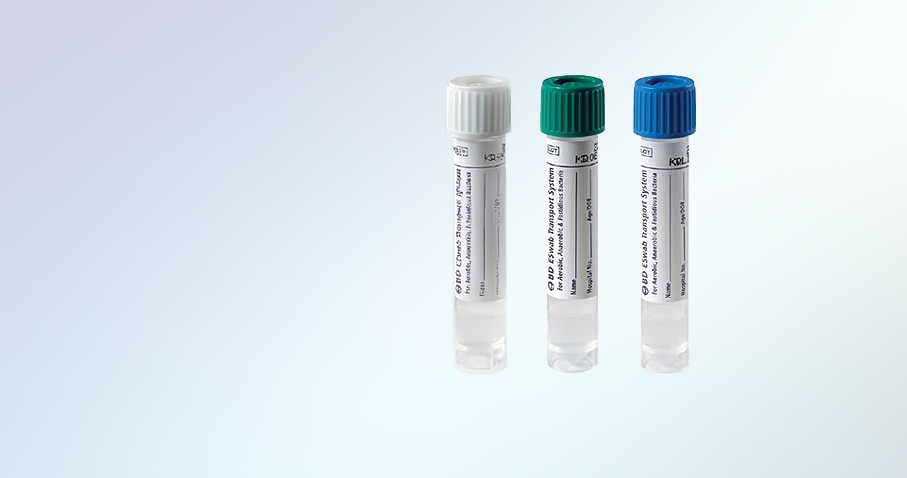 |
||||||||||||||||||||||||
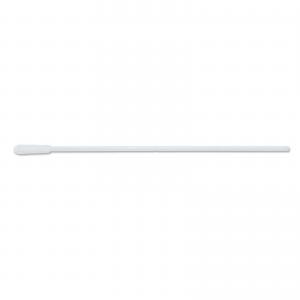
| Product Overview | The Veterinary Sampling Swab with Transport Medium is a sterile specimen collection system designed for collecting, transporting and preserving microbiological samples from livestock and other animals. The reference configuration combines a nylon flocked swab with modified liquid Amies transport medium in a screw-cap tube. The flocked structure provides efficient specimen uptake and release, while the transport medium helps maintain the viability of aerobic, anaerobic and fastidious bacteria during transfer from the collection site to the diagnostic laboratory. The system is suitable for commercial pig farms, cattle farms, poultry farms, veterinary clinics, diagnostic laboratories, breeding facilities and animal disease monitoring programs. |
||||||||||||||||||||||||
| Key Features |
|
||||||||||||||||||||||||
| Structural Components |
|
||||||||||||||||||||||||
| Working Principle | During specimen collection, the flocked swab is applied to the selected sampling site according to the veterinary diagnostic protocol. Capillary action between the nylon fibers helps collect liquid, cellular and microbiological material from the sampling surface. After collection, the swab is inserted into the transport tube and the shaft is broken at the designated breakpoint when applicable. The swab tip remains immersed in the liquid transport medium. Gentle agitation helps release the specimen from the flocked fibers into the medium, creating a liquid suspension suitable for laboratory processing. The closed tube then protects the specimen during storage and transportation. |
||||||||||||||||||||||||
| Technical Specifications |
|
||||||||||||||||||||||||
| Applications |
|
||||||||||||||||||||||||
| Customization Options |
|
||||||||||||||||||||||||
| Use & Handling | Select the appropriate swab configuration according to animal species, anatomical sampling site and laboratory test requirements. Open the sterile package immediately before collection and avoid touching the swab tip or other sterile surfaces. Collect the specimen using the veterinary sampling technique specified for the target site. Insert the swab into the transport tube immediately after collection. Break the shaft at the designated breakpoint when applicable and securely tighten the screw cap. Label the specimen clearly with animal identification, collection site, date and other required information. Store and transport the sample according to the receiving laboratory's validated procedure. Swabs are intended for single use. Used sampling materials must be discarded according to applicable veterinary biohazard and infection-control procedures. |
||||||||||||||||||||||||
| Product FAQ | What is a sampling swab with transport medium used for? It is used to collect microbiological specimens and maintain them in suitable transport conditions until laboratory processing. What type of transport medium is commonly used? Modified liquid Amies medium is commonly used for transporting a broad range of aerobic, anaerobic and fastidious bacteria. Why use a flocked swab? Nylon flocked fibers improve specimen uptake and allow rapid release of collected material into the liquid transport medium. Can one sample be used for multiple laboratory procedures? Liquid-based transport systems can provide a homogeneous specimen suspension that may support multiple compatible culture or diagnostic procedures, depending on the laboratory protocol. Can this swab be used for livestock? Yes. Appropriate sampling swabs are suitable for cattle, pigs, sheep, goats, poultry and other animals when the sampling site and diagnostic method are compatible with the swab configuration. How quickly should samples reach the laboratory? Samples should be transported as soon as practical and handled according to the laboratory's validated temperature and time requirements. |
||||||||||||||||||||||||
| Product Gallery | 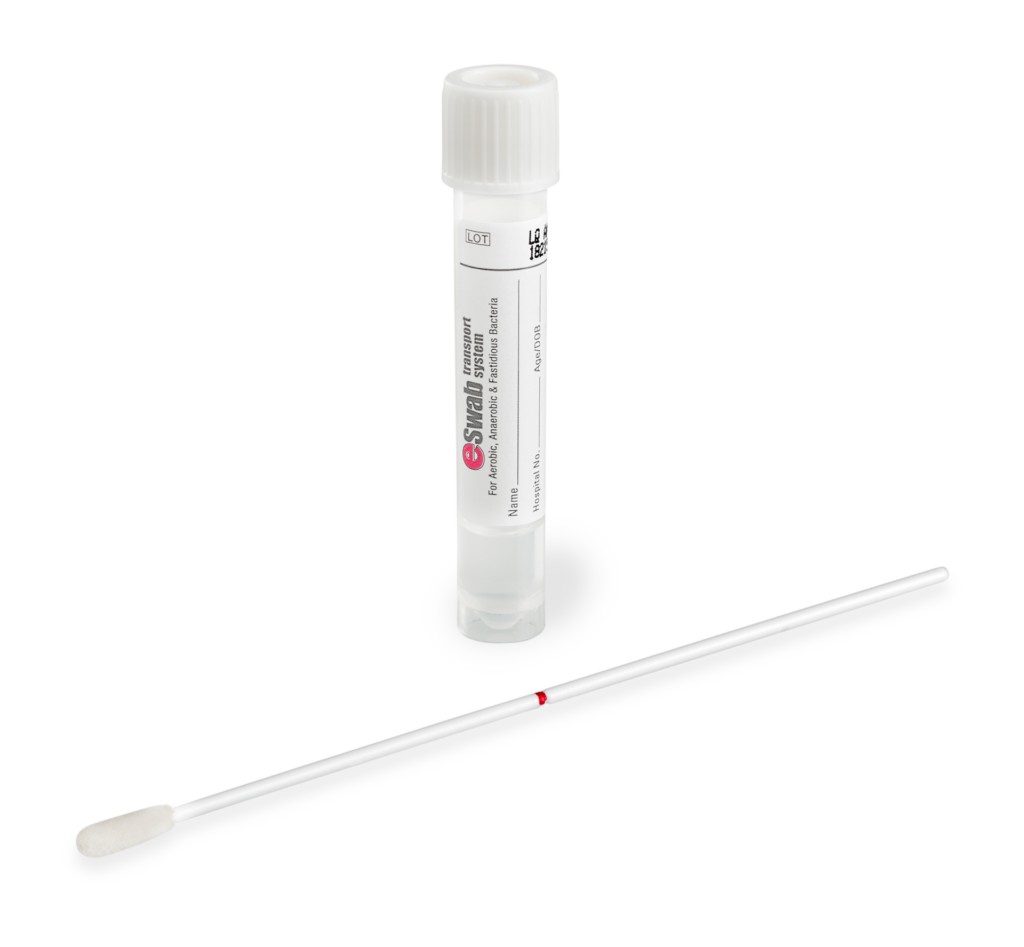  |
- Home
-
Products
- Pig Farming Equipment
- Cattle Farming Equipment
- Sheep & Goat Farming Equipment
- Poultry Farming Equipment
- Feeding & Drinking Systems
- Veterinary & Breeding Equipment
- Testing & Diagnostic Equipment
- Cleaning & Biosecurity Equipment
- Climate Control Equipment
- Livestock Weighing Equipment
- Manure & Waste Management
- Farm Transport & Handling
-
Solutions
- Pig Farm Solutions
- Dairy Farm Solutions
- Beef Cattle Farm Solutions
- Sheep & Goat Farm Solutions
- Layer Farm Solutions
- Broiler Farm Solutions
- Feeding & Drinking System Solutions
- Climate Control Solutions
- Biosecurity & Disinfection Solutions
- Manure & Waste Management
- Smart Farming Solutions
- Farm Renovation and Upgrade Solutions
- Partners
- Projects
- Resources
- News
- About Us
- Contact



Comments & Inquiries
Leave your questions or requirements below. We will reply as soon as possible.