

| Product Name | Cardboard Sample Freezer Box | ||||||||||||||||||||||
| Product Image |  |
||||||||||||||||||||||
| Product Overview | The Cardboard Sample Freezer Box is an economical storage solution designed for organized handling of cryogenic tubes and laboratory specimens. The reference configuration uses a 10 × 10 internal divider and accommodates up to 100 cryogenic vials in the 1.0 to 1.8 mL range. The white cardboard construction provides a lightweight and practical alternative to reusable plastic freezer boxes. Individual grid positions help keep samples separated and simplify specimen location during storage, retrieval and laboratory processing. The box is suitable for veterinary diagnostic laboratories, livestock breeding programs, genomic testing facilities, animal disease surveillance projects and other agricultural laboratories requiring structured storage of blood, tissue, serum, DNA or related biological samples. |
||||||||||||||||||||||
| Key Features |
|
||||||||||||||||||||||
| Structural Components |
|
||||||||||||||||||||||
| Storage Principle | Cryogenic or laboratory sample tubes are placed individually into the divider cells according to a defined position system. Each position can be associated with a sample number, animal identification number, barcode record or laboratory database entry. After the tubes are arranged, the lid is installed and the complete box can be placed into a compatible freezer rack or cold-storage system. The grid layout allows technicians to locate individual specimens without reorganizing the entire box. For livestock laboratories, this structure can support traceable storage of samples collected from individual animals, herds, breeding groups or diagnostic projects. |
||||||||||||||||||||||
| Technical Specifications |
|
||||||||||||||||||||||
| Applications |
|
||||||||||||||||||||||
| Customization Options |
|
||||||||||||||||||||||
| Use & Maintenance | Before loading samples, confirm that the cryogenic tubes are compatible with the internal divider dimensions. Assign a clear box identification number and establish a grid-based sample location record. Place each capped sample tube vertically into an individual compartment. Record the corresponding grid position in the laboratory inventory system to maintain accurate sample traceability. Install the lid securely before placing the box into a compatible freezer rack or storage system. Avoid crushing, excessive moisture exposure or unnecessary mechanical stress during handling. When retrieving samples, return each vial to its original grid position unless the laboratory inventory record is updated. Replace damaged or heavily moisture-affected cardboard boxes to maintain reliable sample organization. |
||||||||||||||||||||||
| Product FAQ | How many samples can the reference freezer box hold? The reference 340053 configuration has a 10 × 10 arrangement and holds up to 100 compatible cryogenic vials. What vial sizes are compatible with the reference configuration? The reference box is designed for 1.0 to 1.8 mL cryogenic vials. Can the box be used for veterinary samples? Yes. It is suitable for organizing properly contained blood, serum, tissue, DNA and other veterinary laboratory specimens stored in compatible cryogenic tubes. Can individual sample positions be tracked? Yes. The 10 × 10 grid allows each tube position to be assigned to an animal ID, specimen number, barcode or laboratory database record. What is the advantage of cardboard freezer boxes? Cardboard boxes provide a lightweight and economical option for laboratory sample organization and can be marked easily for identification. Can other storage capacities be supplied? Yes. Alternative grid arrangements, heights and tube capacities can be supplied according to project requirements. |
||||||||||||||||||||||
| Product Gallery |  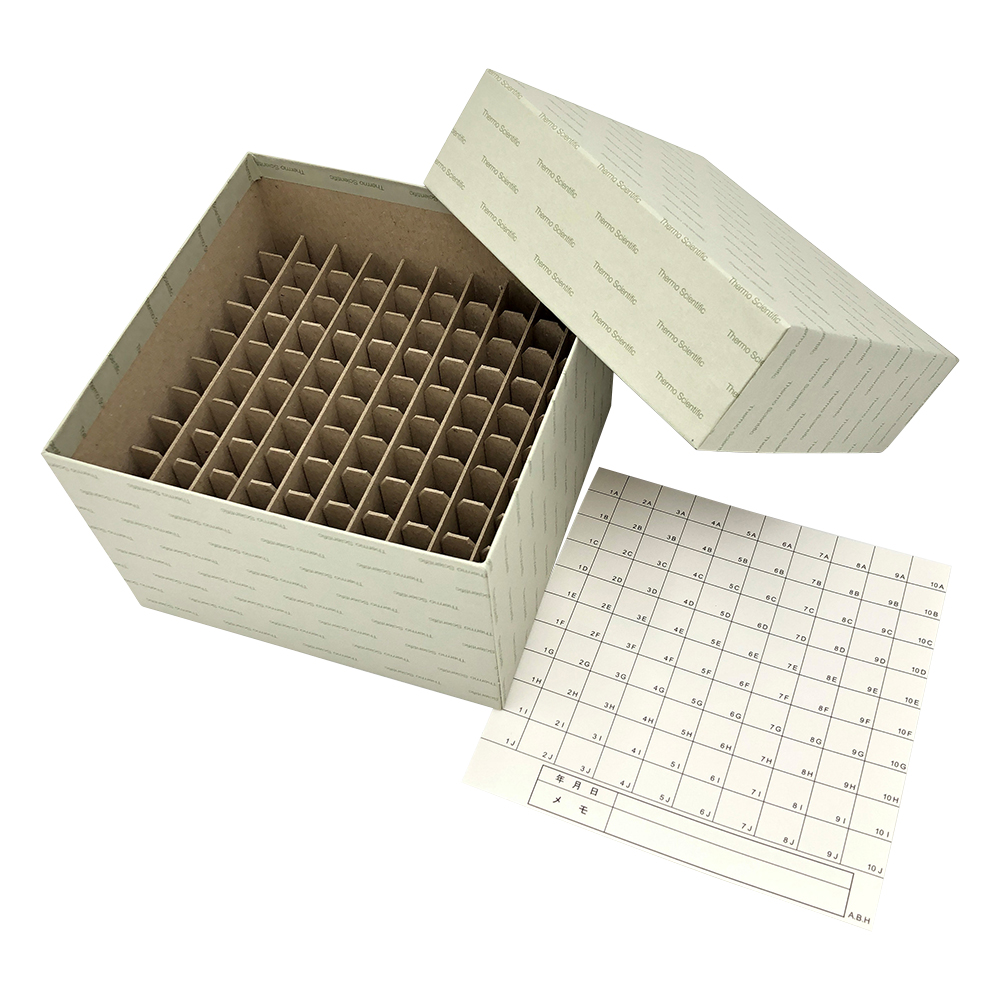 |
- Home
-
Products
- Pig Farming Equipment
- Cattle Farming Equipment
- Sheep & Goat Farming Equipment
- Poultry Farming Equipment
- Feeding & Drinking Systems
- Veterinary & Breeding Equipment
- Testing & Diagnostic Equipment
- Cleaning & Biosecurity Equipment
- Climate Control Equipment
- Livestock Weighing Equipment
- Manure & Waste Management
- Farm Transport & Handling
-
Solutions
- Pig Farm Solutions
- Dairy Farm Solutions
- Beef Cattle Farm Solutions
- Sheep & Goat Farm Solutions
- Layer Farm Solutions
- Broiler Farm Solutions
- Feeding & Drinking System Solutions
- Climate Control Solutions
- Biosecurity & Disinfection Solutions
- Manure & Waste Management
- Smart Farming Solutions
- Farm Renovation and Upgrade Solutions
- Partners
- Projects
- Resources
- News
- About Us
- Contact
Comments & Inquiries
Leave your questions or requirements below. We will reply as soon as possible.