




| Product Name | Solar Roof Exhaust Fan |
| Product Image | 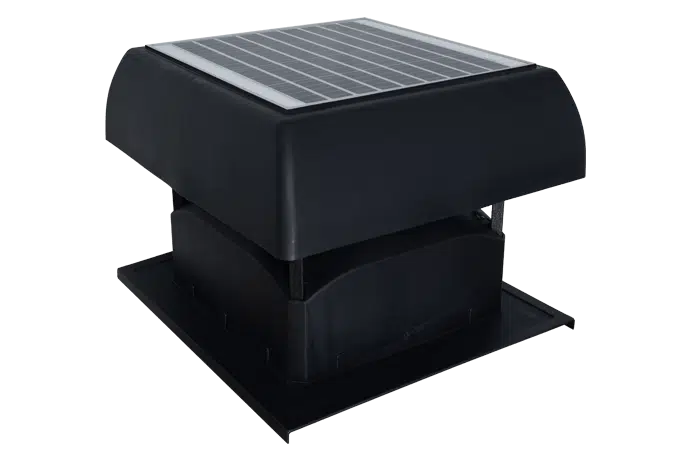 |
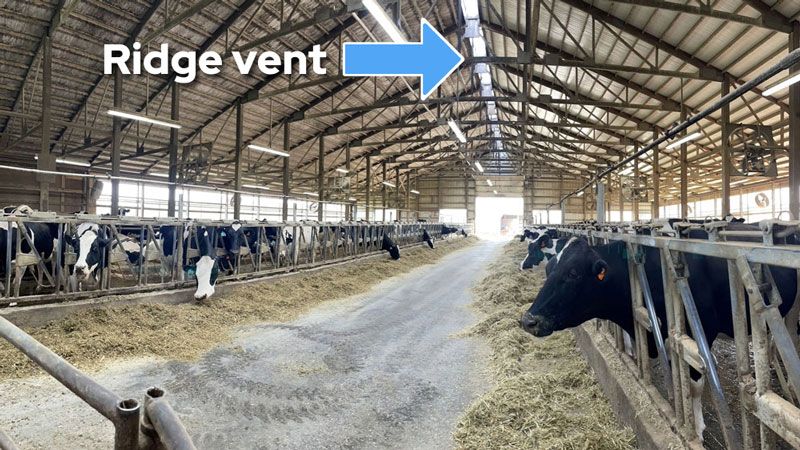
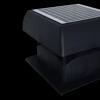
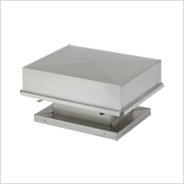
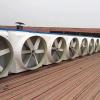
| Product Overview | The Solar Roof Exhaust Fan is a roof-mounted ventilation solution that combines photovoltaic power generation with mechanical air extraction. It is designed to exhaust hot, humid and stale air from agricultural buildings while reducing dependence on conventional grid electricity during solar operating hours. The integrated rooftop configuration combines a solar panel, DC motor-driven exhaust fan, weather-resistant housing and roof mounting structure in one compact assembly. Solar-powered roof exhaust fans are available for livestock sheds, agricultural buildings, greenhouses and other facilities requiring daytime ventilation. For commercial livestock projects, the system can be used as a supplementary ventilation device or incorporated into a broader ventilation strategy with fresh-air inlets, powered exhaust fans, circulation fans and environmental controls. |
| Key Features | • Solar-powered DC ventilation for daytime operation • Helps exhaust heat, humidity and stale air from livestock buildings • Roof-mounted configuration saves wall and floor space • Useful for agricultural buildings where grid power is limited or costly • Direct solar operation can reduce the need for conventional power wiring • Compact integrated solar panel and fan configuration • Corrosion-resistant housing and blade materials available • Weather-resistant design for outdoor roof installation • Optional backup power or hybrid operation available upon request • Optional speed control and environmental control functions • Suitable for new construction and ventilation retrofit projects • Customizable for different roof structures, climates and farm layouts |
| Structural Components | A typical solar roof exhaust fan consists of a photovoltaic solar panel, DC motor, axial fan blade assembly, fan housing, weather hood, roof mounting base, electrical connection components and optional controller or backup power interface. The solar panel can be mounted directly above the fan or on an adjustable support bracket, depending on the product configuration. The fan housing may use engineering polymer, galvanized steel, aluminum, FRP or other corrosion-resistant materials. For livestock buildings, material selection should consider humidity, dust, ammonia exposure, washing procedures, UV exposure and local weather conditions. The roof base can be adapted to metal roofing, sandwich panels, agricultural steel structure buildings and other suitable roof systems. Waterproof flashing and sealing should be incorporated into the installation design. |
| Working Principle / Structural Principle | Solar radiation is converted into electrical energy by the photovoltaic panel. The generated DC power drives the fan motor, which rotates the axial impeller and exhausts indoor air through the roof opening. The exhaust action removes warm and humid air from the building and creates a pressure difference that encourages replacement air to enter through designed inlets, curtains, louvers or other openings. Fan output naturally varies with solar availability when the system is directly coupled to the photovoltaic panel. For applications requiring more stable airflow during cloudy periods or after sunset, battery storage, AC backup or hybrid power can be incorporated according to project requirements. For commercial livestock houses, the solar roof fan should be sized and positioned as part of the complete ventilation calculation rather than used as the sole ventilation method without considering required air exchange rates. |
| Technical Specifications | Fan type: Solar-powered roof exhaust fan Power source: Photovoltaic solar power Motor type: DC or brushless DC motor Solar panel capacity: Customizable Fan diameter: Customizable Airflow capacity: According to project requirements Operating speed: According to selected motor and solar input Battery backup: Available upon request AC backup: Available upon request Speed control: Available upon request Housing material: Engineering polymer, aluminum, galvanized steel, FRP or project-specific material Roof mounting: According to building roof structure Voltage: According to selected solar and control configuration Weather protection: Designed according to local climate and farm conditions No fixed airflow, solar-panel wattage or motor specification is assumed for the SHEWUYOU product. Final parameters should be selected according to building size, livestock capacity, ventilation demand, solar conditions and project design. |
| Applications | • Commercial pig farms and swine production buildings • Farrowing, nursery and finishing houses • Poultry houses and breeder facilities • Dairy barns and cattle housing • Agricultural livestock sheds • Agricultural steel structure buildings • Greenhouses and agricultural production facilities • Remote or off-grid farm buildings • Ventilation retrofit projects • Farms seeking solar-assisted daytime ventilation The system is particularly suitable for projects with strong daytime ventilation demand, good solar exposure and limited access to conventional electrical infrastructure. |
| Customization Options | The Solar Roof Exhaust Fan can be configured according to the livestock building, solar resource, ventilation strategy and local electrical conditions. Customization may include fan diameter, solar panel capacity, DC motor specification, airflow capacity, mounting base, panel angle, housing material, blade material, weather hood, waterproof flashing, speed controller, temperature sensor, battery storage and AC backup. For large commercial pig or poultry projects, multiple solar roof exhaust fans can be arranged according to building length, roof geometry, animal capacity and required ventilation stages. The system can also be designed as a hybrid solar and grid-powered ventilation solution where continuous operation is required. Configuration is customizable and available according to project requirements. |
| Installation & Maintenance | The Solar Roof Exhaust Fan is installed over a prepared roof opening or dedicated roof mounting base. The solar panel should be positioned to receive adequate solar exposure without significant shading from roof structures, equipment or surrounding buildings. Installation should be coordinated with roof panels, purlins, trusses, insulation, waterproofing layers and electrical or control components. The roof penetration must be properly flashed and sealed against rainwater. Routine maintenance includes cleaning dust and livestock deposits from the solar panel, checking the fan blade and housing, inspecting electrical connections, checking mounting hardware and examining roof seals. In high-dust or high-humidity livestock environments, cleaning intervals should be adjusted according to farm conditions. Solar-panel cleanliness is particularly important because accumulated dirt can reduce available photovoltaic power. Where battery backup is used, battery inspection and replacement should follow the selected battery manufacturer's maintenance requirements. |
| Project Cases | The Solar Roof Exhaust Fan is suitable for commercial agricultural engineering projects where solar-assisted roof ventilation is required. Typical project applications include pig farms, poultry houses, dairy facilities, livestock sheds, agricultural steel structure buildings, remote farm facilities and ventilation retrofit projects. For project procurement, the fan quantity and configuration can be developed according to roof area, building volume, livestock capacity, ventilation demand, solar radiation conditions and local climate. Project-specific solutions are available for livestock equipment distributors, farm engineering companies, agricultural integrators and commercial farm procurement teams. No specific customer installation is claimed here; final equipment selection should be based on the project drawings and ventilation calculation. |
| Product FAQ | Q: What is a solar roof exhaust fan? A: It is a roof-mounted exhaust fan powered by photovoltaic solar energy. The fan uses a DC motor to remove hot, humid and stale air from the building. Q: Can it be used in commercial livestock buildings? A: Yes. It can be configured for pig farms, poultry houses, dairy barns and other agricultural buildings according to ventilation requirements. Q: Does the fan require grid electricity? A: A direct solar configuration can operate without grid electricity during suitable solar conditions. AC backup or hybrid power can be added according to project requirements. Q: Will the fan operate at night? A: A direct solar configuration normally requires available solar power. Battery storage or another backup power source can be added when nighttime ventilation is required. Q: Does cloudy weather affect airflow? A: Solar output changes with available sunlight, so fan performance can vary in cloudy conditions. A battery or hybrid power configuration can provide more stable operation. Q: Can the solar panel angle be customized? A: Yes. Panel mounting and tilt arrangements can be designed according to roof orientation, roof pitch, solar conditions and project requirements. Q: Can it be installed on a steel structure livestock building? A: Yes. The roof base and mounting components can be designed according to the steel structure, roof panels, purlins, trusses and waterproofing system. Q: Can a battery backup be added? A: Yes. Battery storage is available upon request where operation during low solar conditions or nighttime periods is required. Q: Can the fan be integrated with a farm climate-control system? A: Control interfaces, sensors and hybrid power arrangements can be customized according to project requirements and the selected ventilation architecture. |
| Product Gallery |  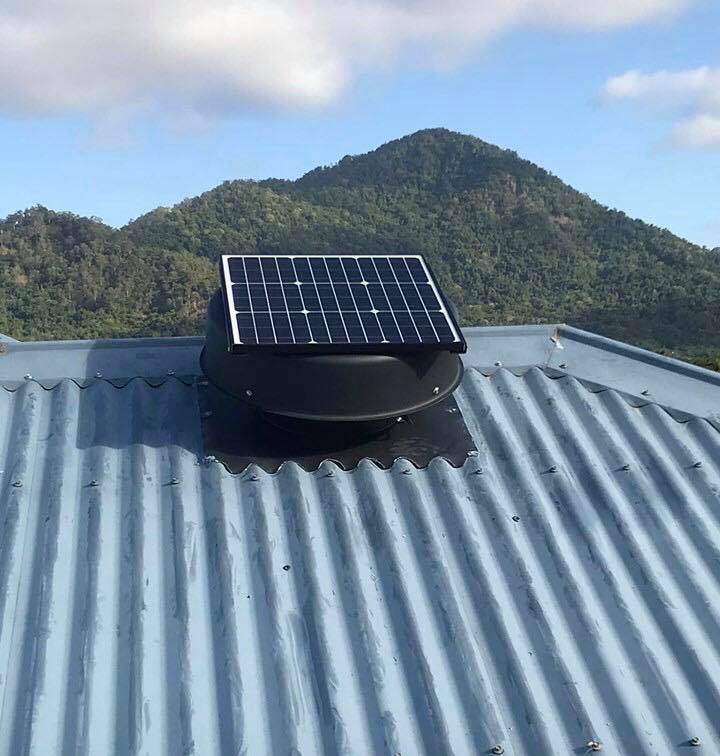  |
- Home
-
Products
- Pig Farming Equipment
- Cattle Farming Equipment
- Sheep & Goat Farming Equipment
- Poultry Farming Equipment
- Feeding & Drinking Systems
- Veterinary & Breeding Equipment
- Testing & Diagnostic Equipment
- Cleaning & Biosecurity Equipment
- Climate Control Equipment
- Livestock Weighing Equipment
- Manure & Waste Management
- Farm Transport & Handling
-
Solutions
- Pig Farm Solutions
- Dairy Farm Solutions
- Beef Cattle Farm Solutions
- Sheep & Goat Farm Solutions
- Layer Farm Solutions
- Broiler Farm Solutions
- Feeding & Drinking System Solutions
- Climate Control Solutions
- Biosecurity & Disinfection Solutions
- Manure & Waste Management
- Smart Farming Solutions
- Farm Renovation and Upgrade Solutions
- Partners
- Projects
- Resources
- News
- About Us
- Contact
Comments & Inquiries
Leave your questions or requirements below. We will reply as soon as possible.