
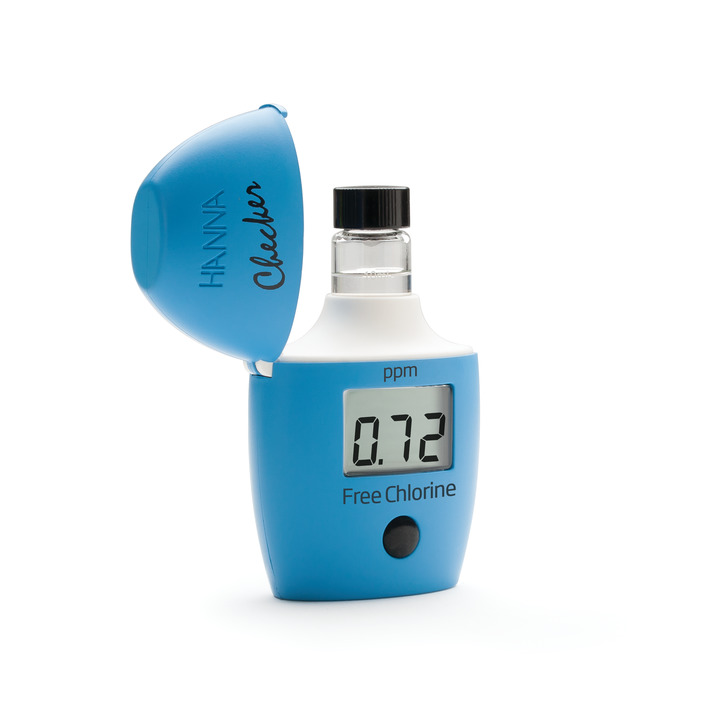

| Product Name | Portable Drinking Water Turbidity Meter |
| Product Image |  |
| Product Overview | The Portable Drinking Water Turbidity Meter is a compact field instrument designed for rapid evaluation of water clarity in poultry houses, pig farms, cattle facilities and other livestock production environments. It measures turbidity caused by suspended particles that scatter light in a water sample. The instrument is suitable for checking livestock drinking water from wells, storage tanks, filtration systems, header tanks, water treatment equipment, nipple drinking lines and animal drinking points. For commercial farms and agricultural engineering projects, routine turbidity measurements can help operators compare water quality before and after filtration, identify changes in source-water condition and evaluate the effectiveness of flushing or water-treatment procedures. The portable structure allows farm managers, service technicians, distributors and project engineers to perform measurements directly at the farm without transporting every routine sample to a laboratory. |
| Key Features | Portable Field Testing: Compact construction supports routine measurements throughout livestock houses, water rooms and agricultural project sites. Direct Turbidity Reading: Displays water turbidity directly in the selected measurement unit without complicated manual calculation. Optical Measurement: Uses a scattered-light measurement principle suitable for evaluating suspended particles and changes in water clarity. Low-Turbidity Water Checking: Suitable configurations can be selected for drinking-water applications where relatively clear water requires sensitive measurement. Fast Farm Inspection: Allows multiple points in a drinking-water system to be compared during one inspection visit. Calibration Capability: Calibration with suitable turbidity standards supports routine verification of measurement performance. Digital Display: Provides clear measurement information for field operation and maintenance work. Flexible Configuration: Measurement range, resolution, calibration points, data storage and communication functions are available according to project requirements. |
| Structural Components | Portable Meter Housing: Protects the optical, electronic and display components during routine field use. Optical Measurement Chamber: Holds the sample vial in a controlled position during turbidity measurement. Light Source: LED, infrared LED or other suitable optical source according to selected configuration. Photodetector: Detects light scattered by suspended particles in the water sample. Sample Vial or Cuvette: Holds the drinking-water sample during measurement and calibration procedures. Digital Display: Shows turbidity readings, calibration information and operating status according to selected model. Control Keys: Used for measurement, calibration, data functions and instrument settings. Carrying Accessories: Sample vials, calibration standards, cleaning cloth and protective carrying case are available upon request. |
| Working Principle / Structural Principle | The turbidity meter evaluates the optical effect created by suspended particles in a water sample. A controlled light source directs light through the sample vial, and suspended matter scatters part of this light away from the original optical path. A photodetector positioned according to the selected optical design measures the scattered light. Portable turbidimeters commonly use nephelometric measurement based on light detected at approximately 90 degrees to the incident beam, while selected configurations may combine scattered and transmitted light signals. The internal electronic system converts the optical signal into a turbidity value and displays the result in NTU, FNU or another applicable unit according to the selected configuration. For reliable results, the sample vial should be clean and free from fingerprints, scratches and external moisture. Air bubbles, large settling particles and inconsistent vial orientation can affect turbidity measurements. |
| Technical Specifications | Product Type: Portable drinking water turbidity meter Measured Parameter: Turbidity Measurement Principle: Nephelometric / scattered-light measurement according to selected configuration Measurement Unit: NTU, FNU or other unit according to selected model Measurement Range: According to project requirements Resolution: According to selected configuration Accuracy: According to selected configuration Light Source: LED, infrared LED or other optical source according to selected model Detector: Optical photodetector Sample Type: Water sample in vial or cuvette Calibration: Single-point or multi-point calibration according to selected configuration Calibration Standards: Available upon request Display: Digital display Data Hold: Available according to selected model Data Storage: Available upon request PC Communication: Available upon request Power Supply: Battery or rechargeable configuration according to selected model Protective Carrying Case: Available upon request Housing Protection: According to selected configuration System Configuration: Customizable |
| Applications | Poultry Drinking Water: Testing water from header tanks, nipple drinking lines, treatment rooms and end-of-line flushing points. Pig Farm Drinking Systems: Routine turbidity comparison of well water, treated water, storage water and drinking-line samples. Cattle and Calf Facilities: Testing water from wells, storage tanks, troughs and automatic drinking systems. Water Filtration Systems: Comparison of turbidity before and after filtration equipment to support maintenance decisions. Farm Water Treatment: Supports inspection of sediment removal, filtration, clarification and other treatment processes. New Farm Commissioning: Useful for checking water-system cleanliness before livestock buildings enter production. Routine Farm Maintenance: Suitable for troubleshooting visible water-quality changes and verifying conditions after flushing or cleaning. Agricultural Engineering Projects: Portable testing equipment for livestock contractors, farm service teams, distributors and project acceptance work. |
| Customization Options | Measurement Range: Customizable according to drinking-water and farm testing requirements. Measurement Resolution: Available according to selected configuration. Optical System: Selected according to required measurement range and applicable testing method. Calibration Points: Single-point or multi-point calibration available according to project requirements. Data Storage: Internal memory options available upon request. Communication Interface: USB or other compatible communication options available upon request. Power Configuration: Battery or rechargeable versions available according to selected model. Accessories: Calibration standards, sample vials, cleaning accessories and carrying case available upon request. OEM Configuration: Packaging, accessory kits and purchasing configurations can be customized for distributors and agricultural engineering projects. |
| Installation & Maintenance | The portable turbidity meter does not normally require permanent installation. It should be operated on a stable surface or held securely according to the instrument instructions during field measurements. Collect representative water samples from the required points in the livestock drinking system. When comparing several locations, use a consistent sampling method and clean sample containers to reduce measurement variation. The outside surface of the sample vial should be clean, dry and free from fingerprints. Handle vials carefully because scratches, dirt or droplets on the optical surface can influence the measurement. Avoid excessive shaking immediately before measurement because air bubbles can scatter light and increase the apparent turbidity reading. Where particles settle rapidly, establish a consistent sample preparation and measurement procedure. Calibration should be performed using suitable turbidity standards according to the selected instrument and farm quality-control requirements. After use, clean and dry the sample vials, protect the optical chamber from contamination and store the instrument and accessories in a protective case. Replace damaged or scratched vials when necessary. |
| Project Cases | Commercial Broiler House Water-Line Inspection: Water samples can be collected from the source, treatment room, header tank and end of the nipple line to compare changes in turbidity through the drinking-water system. Pig Farm Well-Water Treatment Project: Measurements before and after filtration can support evaluation of suspended-particle removal and filter maintenance requirements. Livestock Water Storage Inspection: Samples from wells, storage tanks and drinking points can be compared to identify changes occurring during storage or distribution. Cattle Farm Water Management: Portable turbidity testing can supplement routine inspection of trough and source water where sediment or visible cloudiness is a concern. New Livestock House Commissioning: Contractors can check water samples during flushing and system preparation before the drinking system is placed into commercial operation. |
| Product FAQ | Q: What does a turbidity meter measure? A: It measures the optical effect of suspended particles in water and reports the result as a turbidity value. Q: Can it be used for poultry drinking water? A: Yes. It is suitable for testing samples from water sources, treatment equipment, header tanks and poultry drinking lines. Q: Is it suitable for pig farms? A: Yes. It can be used for routine inspection of well water, treated water, storage tanks and drinking-water distribution systems. Q: Does a low turbidity reading prove that the water is microbiologically safe? A: No. Turbidity is only one water-quality parameter. Microbiological safety, dissolved minerals, pH and other parameters require appropriate additional testing. Q: Why should the sample vial be kept clean? A: Fingerprints, scratches, droplets and contamination on the vial can scatter or absorb light and influence the turbidity result. Q: Can air bubbles affect the measurement? A: Yes. Air bubbles can scatter light and may produce an artificially high turbidity reading. Q: Can the meter be supplied with calibration standards? A: Yes. Calibration standards and accessory kits are available upon request. Q: Can measurement range and data functions be customized? A: Yes. Measurement range, calibration functions, data storage and communication options can be selected according to project requirements. |
| Product Gallery |  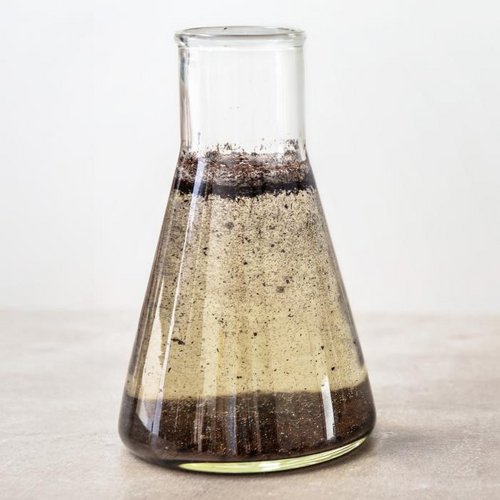 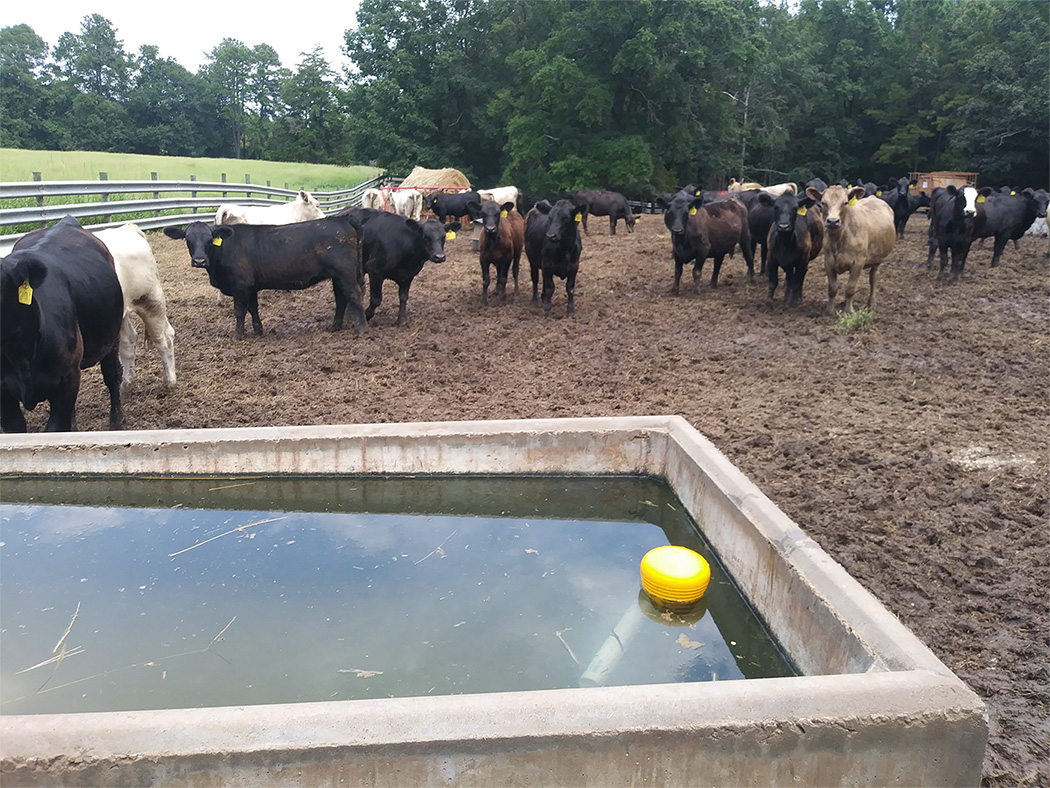  |
- Home
-
Products
- Pig Farming Equipment
- Cattle Farming Equipment
- Sheep & Goat Farming Equipment
- Poultry Farming Equipment
- Feeding & Drinking Systems
- Veterinary & Breeding Equipment
- Testing & Diagnostic Equipment
- Cleaning & Biosecurity Equipment
- Climate Control Equipment
- Livestock Weighing Equipment
- Manure & Waste Management
- Farm Transport & Handling
-
Solutions
- Pig Farm Solutions
- Dairy Farm Solutions
- Beef Cattle Farm Solutions
- Sheep & Goat Farm Solutions
- Layer Farm Solutions
- Broiler Farm Solutions
- Feeding & Drinking System Solutions
- Climate Control Solutions
- Biosecurity & Disinfection Solutions
- Manure & Waste Management
- Smart Farming Solutions
- Farm Renovation and Upgrade Solutions
- Partners
- Projects
- Resources
- News
- About Us
- Contact
Comments & Inquiries
Leave your questions or requirements below. We will reply as soon as possible.