


| Product Name | Portable Drinking Water ORP Meter |
| Product Image | 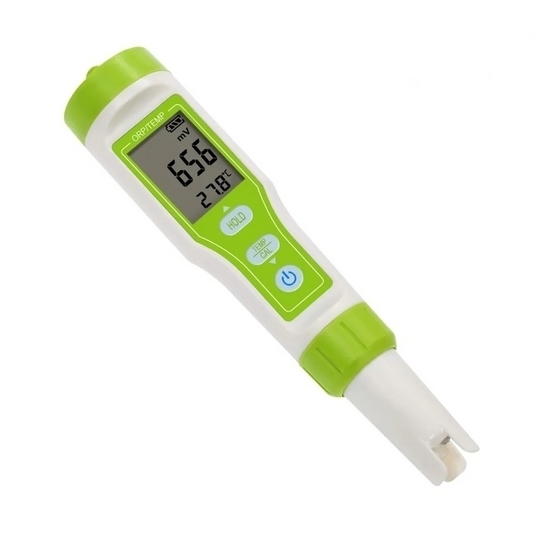 |
| Product Overview | The Portable Drinking Water ORP Meter is a compact field instrument designed for rapid measurement of oxidation-reduction potential in livestock and poultry drinking-water systems. It is suitable for routine inspections at source-water points, storage tanks, treatment equipment outlets, dosing stations, header pipes and terminal drinking-line locations. ORP measurement provides a rapid indication of the overall oxidizing or reducing condition of water. In livestock water-management programs, it can support evaluation of sanitation performance and help technicians identify changes in water conditions between different points in the distribution system. The handheld design allows farm personnel, livestock equipment technicians, agricultural engineering contractors and service teams to move easily between multiple houses or production areas. It is particularly useful for commercial farms that require regular verification of drinking-water treatment and sanitation procedures. ORP should be evaluated together with relevant parameters such as pH, sanitizer residual, source-water quality and microbiological testing rather than being treated as a direct measurement of sanitizer concentration. |
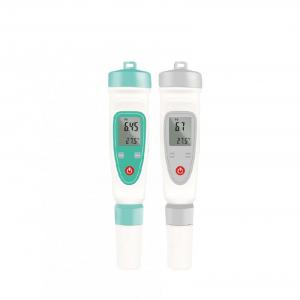
| Key Features | Portable Field Testing: Compact handheld construction is suitable for rapid inspection at multiple livestock drinking-water locations. Direct ORP Measurement: Displays oxidation-reduction potential directly in millivolts for convenient comparison of water conditions. Digital Display: Clear electronic readout supports convenient field use in pump rooms, livestock houses and water-treatment areas. Temperature Measurement: Suitable configurations can display water temperature together with ORP information. Reading Hold Function: Allows a stabilized reading to remain on the display for recording and inspection work. Water-Resistant Construction: Waterproof or moisture-resistant configurations are available for wet agricultural environments. Battery Operation: Portable battery-powered design eliminates the need for a permanent power connection during routine farm inspections. Low Maintenance: Simple probe care, cleaning and verification procedures support regular commercial farm use. Flexible Supply: Measuring range, accessories, standard solutions and carrying case can be configured according to project requirements. |
| Structural Components | Digital Meter Body: Contains the display, electronic measurement circuit, control buttons and battery compartment. ORP Sensing Electrode: Uses an inert sensing surface such as platinum in suitable configurations to detect the oxidation-reduction potential of the water sample. Reference Electrode System: Provides the stable reference potential required for electrochemical ORP measurement. Temperature Sensor: Integrated or combined temperature sensing is available depending on meter configuration. Protective Electrode Cap: Protects the sensing section during transportation and storage. Digital Display: Shows ORP values, temperature and operating indicators according to selected configuration. Control Buttons: Provide power, hold, calibration or operating functions according to the selected model. Optional Accessories: Standard solution, storage solution, sample container and protective carrying case are available upon request. |
| Working Principle / Structural Principle | The ORP meter measures the electrical potential difference between an inert sensing electrode and a stable reference electrode when both are exposed to the water sample. The resulting potential is displayed in millivolts. A more positive ORP reading generally indicates a more oxidizing water condition, while a lower or negative value indicates a more reducing condition. In treated livestock drinking water, the reading can help operators evaluate changes in oxidation-based sanitation performance. ORP is affected by several factors, including disinfectant chemistry, pH, organic loading, dissolved substances, temperature and contact conditions. For this reason, an ORP reading should be interpreted within the complete farm water-management program rather than used as a direct substitute for chemical concentration testing. For repeatable field measurements, the sensing surface should be clean, the sample should be representative, and sufficient time should be allowed for the reading to stabilize before the value is recorded. |
| Technical Specifications | Product Type: Portable drinking-water ORP meter Measured Parameter: Oxidation-reduction potential Display Unit: mV ORP Measuring Range: Up to approximately -1000 to +1000 mV in reference configurations ORP Resolution: 1 mV in reference configurations ORP Accuracy: Up to approximately ±2 mV in reference configurations Temperature Measurement: Available Temperature Range: According to selected configuration Display: Digital LCD or backlit digital display according to selected configuration Electrode Type: Integrated or replaceable ORP electrode according to selected model Sensing Material: Platinum or suitable ORP sensing material according to configuration Reading Hold: Available Stability Indication: Available upon request Waterproof Protection: Available according to selected configuration Automatic Power-Off: Available on selected models Power Supply: Replaceable battery configuration Calibration / Verification: According to selected meter and ORP standard solution Carrying Case: Available upon request Accessories: Customizable according to project requirements |
| Applications | Poultry Drinking Water: Routine ORP checks in broiler, layer and breeder drinking-water systems. Pig Farm Water Systems: Inspection of treated drinking water for farrowing, nursery, gestation and finishing facilities. Cattle and Calf Facilities: Field testing of livestock water supplies, tanks and treatment systems. Water Treatment Rooms: Verification of water conditions before and after filtration, dosing or sanitation equipment. Storage Tanks: Measurement of treated water before distribution to livestock buildings. Drinking-Line Inlets: Comparison of ORP conditions at the beginning of livestock drinking systems. Terminal Drinking Points: Checking water at the end of nipple or drinking lines to identify changes through the distribution system. Sanitation Programs: Supports monitoring of oxidation-based water-treatment processes when interpreted together with pH and sanitizer residual measurements. Agricultural Engineering Projects: Suitable for commissioning and routine inspection of livestock water-treatment and distribution systems. |
| Customization Options | Measurement Range: Available according to project requirements. Temperature Function: ORP-only or ORP with temperature measurement according to selected configuration. Electrode Configuration: Integrated or replaceable probe options available upon request. Waterproof Level: Selected according to farm operating conditions. Display Type: Standard LCD or backlit display available according to configuration. Standard Solutions: ORP verification or calibration solutions available upon request. Protective Case: Hard carrying case or compact field kit available for commercial farm service teams. Packaging: Individual, distributor or project packaging available according to purchasing requirements. OEM Supply: Product appearance, packaging and accessory configuration can be customized according to project requirements. |
| Installation & Maintenance | The portable ORP meter requires no permanent installation. Remove the protective cap and inspect the sensing area before testing. If the probe has been stored for an extended period, prepare it according to the electrode instructions before measurement. Collect a representative drinking-water sample or immerse the sensing section directly according to the permitted measurement method of the selected instrument. Avoid immersing the meter beyond the specified maximum immersion level. Allow the reading to stabilize before recording the ORP value. When comparing different points in a livestock drinking-water system, use a consistent sampling procedure and record the measurement location, time and relevant treatment conditions. After testing, rinse the electrode with suitable clean water and remove deposits according to the manufacturer's maintenance instructions. Do not scratch, grind or mechanically damage the sensing surface unless specifically permitted for that electrode design. Use the recommended storage solution where required. Do not allow electrodes that require wet storage to remain dry for prolonged periods. Periodic verification with a suitable ORP standard solution is recommended. Battery condition, display function and probe response should also be checked as part of routine farm equipment maintenance. |
| Project Cases | Commercial Broiler Farm: Technicians can compare ORP readings at the treatment room, drinking-line inlet and terminal nipple locations to evaluate changes through the water distribution system. Pig Production Complex: A portable meter can be used across nursery, farrowing and finishing buildings as part of a routine drinking-water inspection program. Water Treatment Commissioning: Agricultural engineering contractors can record ORP before and after treatment equipment while adjusting sanitation and dosing systems according to the approved farm water program. Multi-House Poultry Project: One portable tester can support scheduled inspections of several poultry houses when samples are collected using consistent procedures. Farm Troubleshooting: ORP measurements can be combined with pH, sanitizer residual and microbiological testing when investigating inconsistent drinking-water sanitation or water-line performance. |
| Product FAQ | Q: What does an ORP meter measure? A: It measures oxidation-reduction potential in millivolts, providing an indication of whether the water has a stronger oxidizing or reducing condition. Q: Can it be used for poultry drinking-water sanitation monitoring? A: Yes. Portable ORP meters are commonly used as part of poultry drinking-water sanitation monitoring, especially when oxidation-based disinfectants are used. Q: Does ORP directly measure chlorine concentration? A: No. ORP measures the overall oxidation-reduction condition of the water. Chlorine concentration should be measured separately when required. Q: Why should pH also be checked? A: pH can influence sanitizer chemistry and ORP response, so ORP is more useful when interpreted together with pH and other relevant water-quality measurements. Q: Where should samples be taken on a livestock farm? A: Common locations include source water, storage tanks, treatment outlets, drinking-line inlets and terminal drinking points. Q: Can one meter be used for several livestock houses? A: Yes. Its portable design is suitable for scheduled testing across multiple poultry, pig or cattle buildings when the probe is properly cleaned between samples. Q: Does the ORP electrode require maintenance? A: Yes. The sensing surface should be kept clean and maintained according to the selected electrode design and manufacturer's instructions. Q: Can accessories be supplied with the meter? A: Yes. ORP standard solution, storage solution, sample containers and carrying cases are available according to project requirements. |
| Product Gallery | 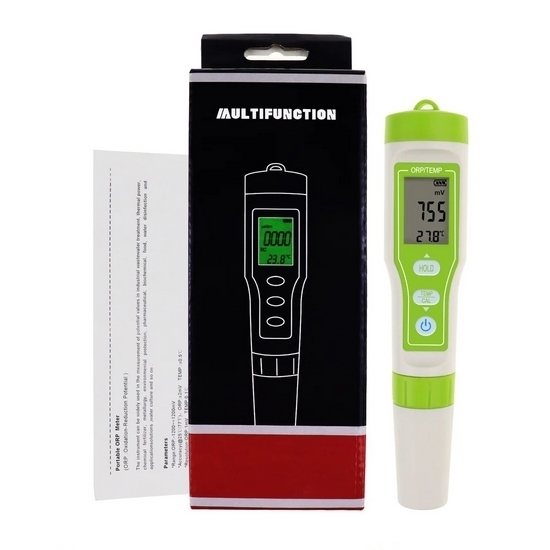 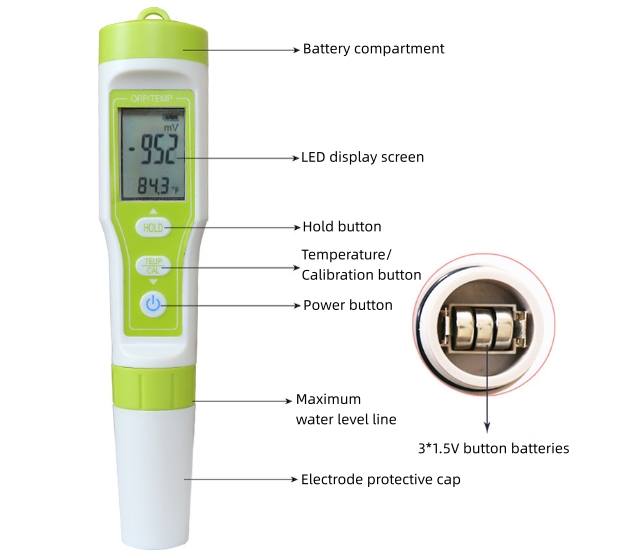 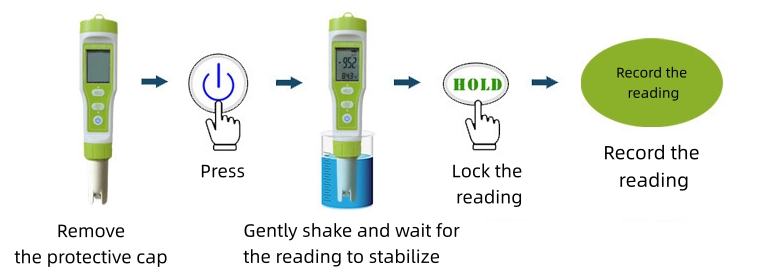 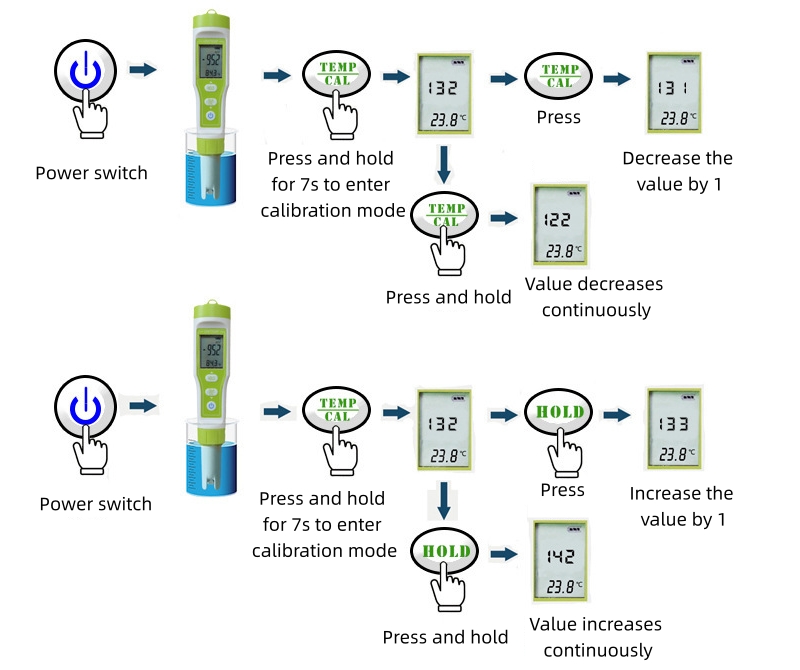 |
- Home
-
Products
- Pig Farming Equipment
- Cattle Farming Equipment
- Sheep & Goat Farming Equipment
- Poultry Farming Equipment
- Feeding & Drinking Systems
- Veterinary & Breeding Equipment
- Testing & Diagnostic Equipment
- Cleaning & Biosecurity Equipment
- Climate Control Equipment
- Livestock Weighing Equipment
- Manure & Waste Management
- Farm Transport & Handling
-
Solutions
- Pig Farm Solutions
- Dairy Farm Solutions
- Beef Cattle Farm Solutions
- Sheep & Goat Farm Solutions
- Layer Farm Solutions
- Broiler Farm Solutions
- Feeding & Drinking System Solutions
- Climate Control Solutions
- Biosecurity & Disinfection Solutions
- Manure & Waste Management
- Smart Farming Solutions
- Farm Renovation and Upgrade Solutions
- Partners
- Projects
- Resources
- News
- About Us
- Contact

Comments & Inquiries
Leave your questions or requirements below. We will reply as soon as possible.