


| Product Name | Free Chlorine Drinking Water Tester |
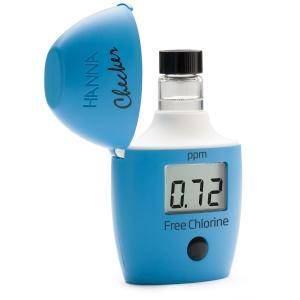
| Product Image |  |
| Product Overview | The Free Chlorine Drinking Water Tester is a portable digital colorimeter designed for routine measurement of free chlorine residual in livestock and agricultural drinking water systems. It provides farm managers, livestock technicians, equipment contractors and water-treatment personnel with a convenient method for checking chlorination performance at different points throughout the water distribution network. Typical sampling locations include the incoming water supply, storage tanks, chemical dosing outlets, livestock-house inlets and drinking line endpoints. Digital colorimetric measurement reduces dependence on subjective visual color comparison and provides a direct numerical result for routine water-management records. The tester is suitable for poultry farms, pig farms, cattle facilities, breeding farms and agricultural engineering projects using chlorinated drinking water. Its compact field design makes it especially useful for commercial farms where several buildings or drinking water lines must be inspected regularly. |
| Key Features | Digital Free Chlorine Measurement: Displays chlorine concentration directly for convenient routine water-quality inspection. DPD Colorimetric Testing: Uses a widely applied colorimetric method for determining free chlorine in drinking water. Portable Field Operation: Compact construction allows technicians to move easily between livestock houses, water rooms and dosing stations. Fast Routine Inspection: Suitable for frequent checks during daily drinking water sanitation and farm biosecurity management. Multiple Sampling Locations: Can be used to compare chlorine residual at the water source, storage system, dosing outlet, building inlet and drinking line endpoint. Direct Numerical Reading: Helps reduce uncertainty associated with manually comparing sample colors against visual reference charts. Battery-Powered Design: Suitable for field testing where a mains electrical supply may not be available. Commercial Farm Application: Suitable for poultry, pig, cattle and integrated livestock engineering projects. |
| Structural Components | Portable Meter Body: Houses the optical system, electronics, controls and power supply in a compact handheld enclosure. Digital Display: Provides a direct numerical chlorine concentration reading after the measurement cycle. Optical Measurement Chamber: Holds the sample cuvette in a consistent position during colorimetric analysis. Light Source: Provides controlled illumination through the reacted water sample according to the selected instrument configuration. Optical Detector: Measures transmitted light and allows the instrument to calculate chlorine concentration. Sample Cuvettes: Reusable transparent cells hold the water sample during blanking and final measurement. DPD Reagents: Appropriate free chlorine reagents are used to develop the measurable color reaction. Battery Compartment: Supports portable operation without permanent electrical connection. Optional Carrying Case: Available upon request for organized transport of the tester, sample cells, reagents and accessories. |
| Working Principle / Structural Principle | The tester operates using a colorimetric measurement principle. A clean drinking water sample is placed into the sample cuvette and used to establish the optical reference according to the instrument operating procedure. The specified DPD reagent is then added to the water sample. Free chlorine reacts with the reagent and develops a pink color. The intensity of this color varies with the concentration of free chlorine present in the sample. The reacted sample is placed in the optical chamber, where the instrument passes light through the solution. The optical detector measures the transmitted light and the electronic circuit converts the response into a free chlorine concentration displayed on the screen. For consistent results, the sample cell should be clean and free from fingerprints, external water droplets, scratches or residue that could interfere with the optical measurement. Testing procedures and reaction times should follow the instructions supplied with the selected reagent and instrument. |
| Technical Specifications | Product Type: Portable digital chlorine colorimeter Measured Parameter: Free chlorine Application: Drinking water and livestock water systems Measurement Method: DPD colorimetric method or compatible method according to selected configuration Measurement Range: According to selected configuration Resolution: According to selected configuration Measurement Units: mg/L or ppm according to selected model Display: Digital display Optical System: LED-based or equivalent colorimetric system according to selected configuration Sample Cell: Reusable optical cuvette according to selected model Sample Volume: According to instrument and reagent requirements Data Memory: Available on selected configurations Water Resistance: According to selected model Power Supply: Battery powered Reagent Type: Free chlorine DPD reagent according to selected tester Calibration / Verification: Check standards available upon request Replacement Cuvettes: Available upon request Protective Carrying Case: Available upon request Final Configuration: According to project requirements |
| Applications | Broiler Farms: Routine free chlorine monitoring in poultry drinking water and nipple drinking systems. Layer Farms: Drinking water sanitation checks for cage, aviary and floor-rearing systems. Breeder Farms: Chlorination monitoring for breeding poultry water distribution systems. Pig Farms: Water-quality inspection in farrowing, nursery, gestation and finishing buildings. Cattle and Calf Facilities: Testing of chlorinated water supplied to livestock drinking equipment where applicable. Water Treatment Rooms: Verification of chlorine residual downstream of chemical dosing equipment. Storage Tanks: Routine testing of treated water before distribution to livestock buildings. Livestock House Inlets: Checking chlorine concentration before water enters individual farm buildings. Drinking Line Endpoints: Testing at the far end of livestock drinking lines to evaluate whether sanitizer residual is maintained throughout the distribution system. Farm Engineering Projects: Suitable for commissioning and maintenance of drinking water systems in new pig farm, poultry farm and steel structure livestock building projects. |
| Customization Options | Measurement Range: Different free chlorine measurement ranges available according to project requirements. Reagent Package: Reagent quantities can be configured according to expected testing frequency. Sample Cuvettes: Additional and replacement cuvettes available upon request. Verification Standards: Compatible check standards available upon request. Carrying Case: Protective field carrying case available according to selected configuration. Water Testing Package: The chlorine tester can be combined with pH, ORP, EC/TDS, dissolved oxygen, nitrate, turbidity or other water-quality instruments according to project requirements. Commercial Farm Kits: Accessory quantities can be configured for single-house farms, multi-house farms and centralized livestock production complexes. Project Supply: Testing equipment packages can be prepared according to local water conditions, farm size and livestock drinking system design. |
| Installation & Maintenance | The Free Chlorine Drinking Water Tester is a portable instrument and normally does not require permanent installation. It can be carried between water treatment rooms, livestock houses and drinking line sampling points. Before each test, use a clean sample cuvette and collect a representative fresh water sample. Rinse the cuvette according to the instrument procedure and ensure the outside surface is clean before placing it into the optical chamber. Fingerprints, water droplets, scratches and contamination on the optical surface of the cuvette may affect measurement consistency. Wipe the cuvette with a clean lint-free cloth before measurement. Use only compatible reagents and follow the required reagent dosage, mixing method and reaction time. Chlorine samples should be tested promptly because disinfectant residual can change after sampling. After testing, rinse reusable sample cells thoroughly with clean water. Do not use abrasive materials that could scratch optical surfaces. Store the instrument, cuvettes and reagents in clean and dry conditions. Replace expired or contaminated reagents and inspect batteries periodically. Calibration verification can be carried out with compatible standards according to farm quality-control requirements. |
| Project Cases | Commercial Broiler Farm Water Monitoring: A portable tester can be used to compare free chlorine measurements at the central dosing station, individual poultry house inlets and the far ends of nipple drinking lines. Pig Farm Water Treatment Upgrade: Farm technicians can use routine chlorine testing to evaluate drinking water conditions before and after adjustments to chemical dosing equipment. New Poultry House Commissioning: Free chlorine measurements can form part of drinking water system inspection when new storage tanks, dosing pumps, regulators and nipple lines are placed into operation. Multi-House Livestock Complex: One or more portable testers can be included in the maintenance equipment package for routine inspection across several production buildings. Waterline Sanitation Program: Testing at different points in the distribution network can help personnel evaluate whether the intended disinfectant residual reaches the downstream drinking equipment. |
| Product FAQ | Q: What does the tester measure? A: It measures free chlorine remaining in a drinking water sample and displays the result numerically according to the selected instrument configuration. Q: Can it be used for poultry drinking water? A: Yes. It is suitable for checking samples from poultry water sources, treatment equipment, storage tanks, house inlets and nipple drinking lines. Q: Can it be used on pig farms? A: Yes. The portable design is suitable for routine drinking water inspection in commercial pig production facilities. Q: Why test free chlorine at the end of a drinking line? A: Endpoint testing helps determine whether measurable sanitizer residual is maintained through the complete water distribution line rather than only near the dosing point. Q: Does the tester require reagents? A: Yes. A compatible DPD free chlorine reagent is required for colorimetric testing. Q: Can the same tester measure total chlorine? A: This product is intended primarily for free chlorine testing. Free and total chlorine configurations are available according to the selected model and project requirements. Q: Can different measurement ranges be supplied? A: Yes. Measurement range and instrument configuration can be selected according to project requirements. Q: Can additional cuvettes and reagents be ordered? A: Yes. Replacement sample cells, reagent packages, verification standards and carrying accessories are available upon request. |
| Product Gallery | 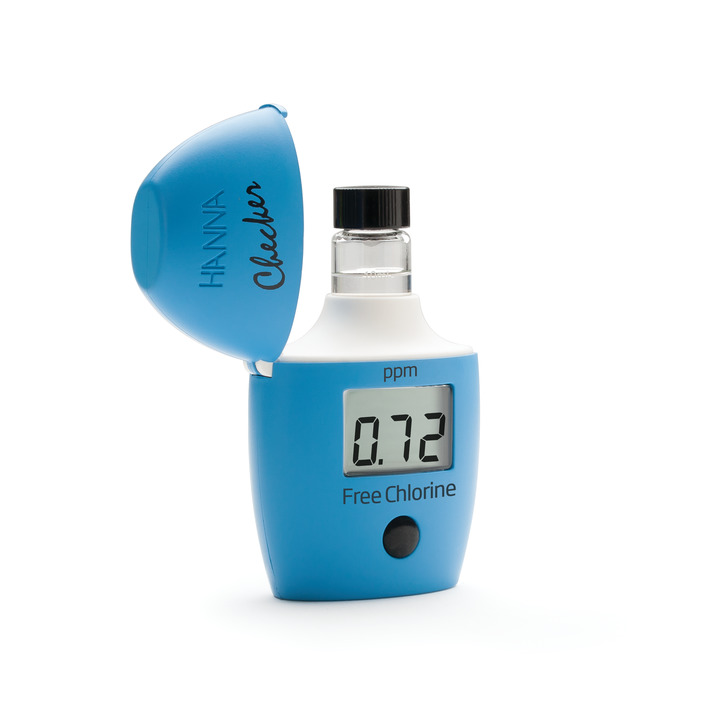  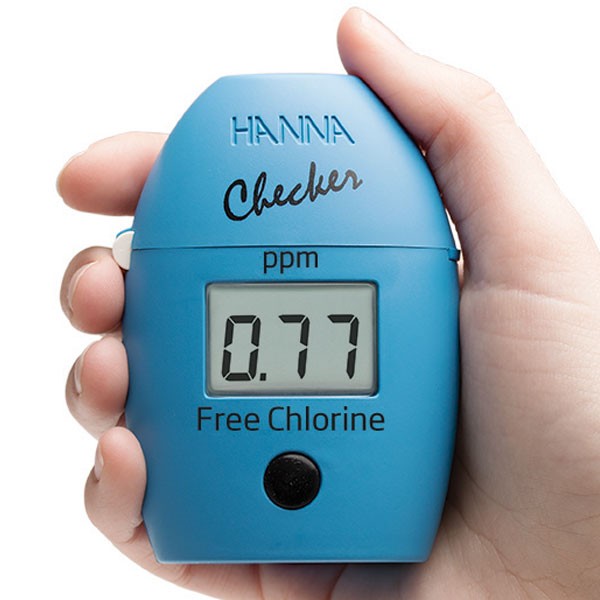 |
- Home
-
Products
- Pig Farming Equipment
- Cattle Farming Equipment
- Sheep & Goat Farming Equipment
- Poultry Farming Equipment
- Feeding & Drinking Systems
- Veterinary & Breeding Equipment
- Testing & Diagnostic Equipment
- Cleaning & Biosecurity Equipment
- Climate Control Equipment
- Livestock Weighing Equipment
- Manure & Waste Management
- Farm Transport & Handling
-
Solutions
- Pig Farm Solutions
- Dairy Farm Solutions
- Beef Cattle Farm Solutions
- Sheep & Goat Farm Solutions
- Layer Farm Solutions
- Broiler Farm Solutions
- Feeding & Drinking System Solutions
- Climate Control Solutions
- Biosecurity & Disinfection Solutions
- Manure & Waste Management
- Smart Farming Solutions
- Farm Renovation and Upgrade Solutions
- Partners
- Projects
- Resources
- News
- About Us
- Contact

Comments & Inquiries
Leave your questions or requirements below. We will reply as soon as possible.