

| Product Showcase | Content | ||||||||||||||||||||||||
| Product Name | DIGITAL PORTABLE PH METER | ||||||||||||||||||||||||
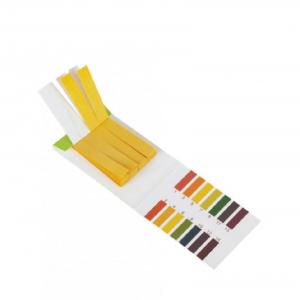
| Product Image | 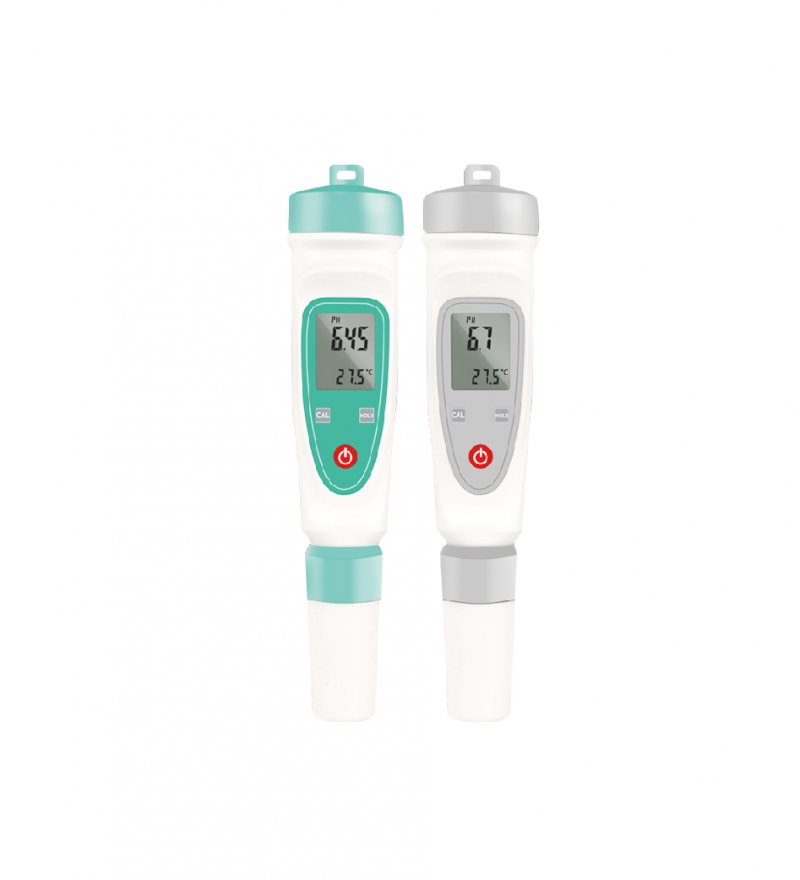 |
||||||||||||||||||||||||
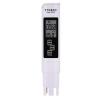
| Product Overview | The PH-20 / PH-220 Digital Portable pH Meter is a compact water-quality testing instrument designed for fast measurement of acidity and alkalinity in aqueous solutions. It provides digital pH readings across the full 0–14 pH range and is suitable for livestock drinking water, farm water systems, laboratories, aquaculture and general agricultural water-quality monitoring. The meter features one-button automatic calibration, automatic temperature compensation and a replaceable immersion-type pH electrode. Its portable waterproof and dust-resistant design makes routine testing convenient in both farm and laboratory environments. |
||||||||||||||||||||||||
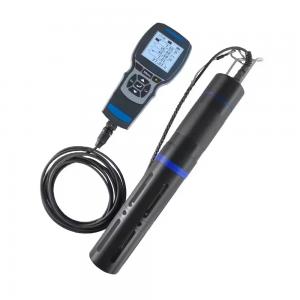
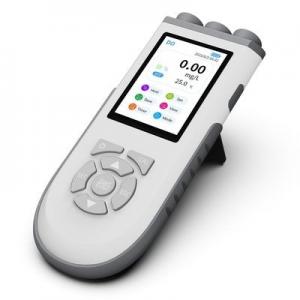
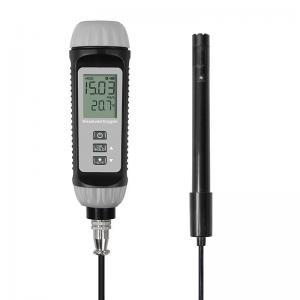
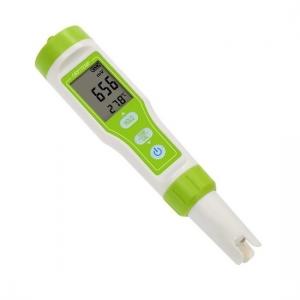
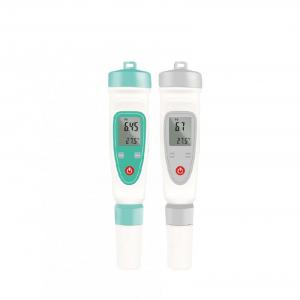
| Product Gallery | Portable digital pH meter, replaceable immersion electrode, large LCD display, automatic calibration controls and handheld farm water-quality testing configuration. | ||||||||||||||||||||||||
| Key Features |
|
||||||||||||||||||||||||
| Working Principle | The pH electrode responds to the hydrogen-ion activity of the tested solution and generates an electrical potential related to its acidity or alkalinity. The meter processes this signal and converts it into a numerical pH value shown on the digital display. Automatic temperature compensation helps reduce temperature-related measurement variation. Regular calibration with suitable standard buffer solutions is recommended to maintain stable and repeatable test results. |
||||||||||||||||||||||||
| Technical Specifications |
|
||||||||||||||||||||||||
| Applications |
|
||||||||||||||||||||||||
| Installation & Maintenance |
|
||||||||||||||||||||||||
| Product FAQ |
Q: What is this digital pH meter used for? Q: Is it suitable for livestock drinking water? Q: Does the meter support automatic calibration? Q: Does it provide temperature compensation? Q: Can the pH electrode be replaced? Q: Should the meter be calibrated regularly? Q: How should the electrode be cleaned? Q: Can this meter test chlorine or TDS? |
- Home
-
Products
- Pig Farming Equipment
- Cattle Farming Equipment
- Sheep & Goat Farming Equipment
- Poultry Farming Equipment
- Feeding & Drinking Systems
- Veterinary & Breeding Equipment
- Testing & Diagnostic Equipment
- Cleaning & Biosecurity Equipment
- Climate Control Equipment
- Livestock Weighing Equipment
- Manure & Waste Management
- Farm Transport & Handling
-
Solutions
- Pig Farm Solutions
- Dairy Farm Solutions
- Beef Cattle Farm Solutions
- Sheep & Goat Farm Solutions
- Layer Farm Solutions
- Broiler Farm Solutions
- Feeding & Drinking System Solutions
- Climate Control Solutions
- Biosecurity & Disinfection Solutions
- Manure & Waste Management
- Smart Farming Solutions
- Farm Renovation and Upgrade Solutions
- Partners
- Projects
- Resources
- News
- About Us
- Contact
Comments & Inquiries
Leave your questions or requirements below. We will reply as soon as possible.