


| Product Name | Livestock Estrus and Ovulation Detector | ||||||||||||||||||||||||||||||||
| Product Image | 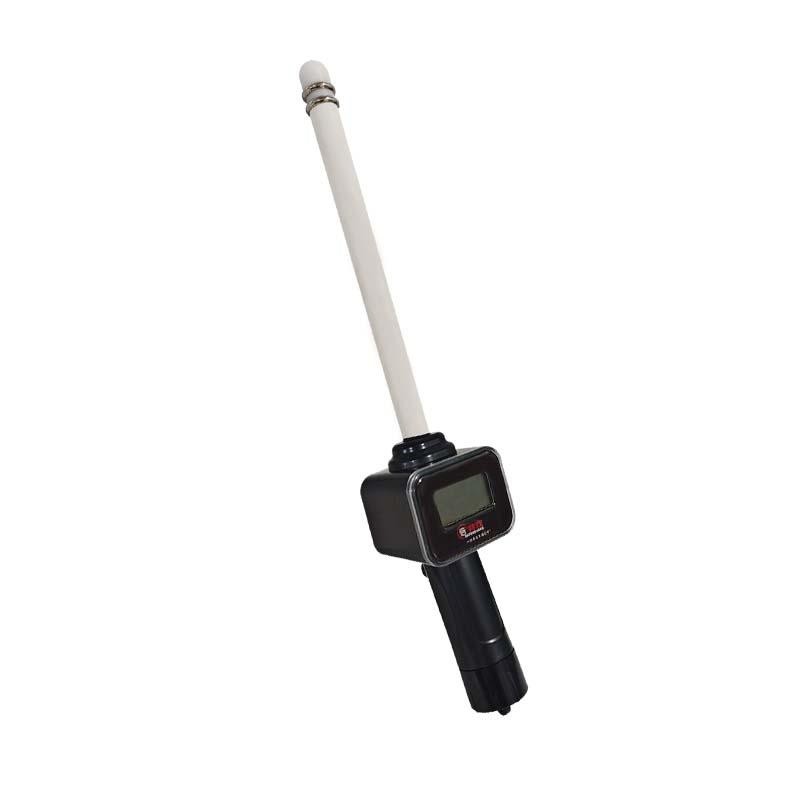 |
||||||||||||||||||||||||||||||||
| Product Overview | The Livestock Estrus and Ovulation Detector is a portable reproductive management instrument designed to help breeders identify estrus and determine a suitable mating or artificial insemination period. The device works by measuring changes in the electrical resistance of vaginal mucus during the reproductive cycle. Instead of relying only on behavioral signs, repeated numerical measurements allow farm personnel to monitor resistance trends and obtain additional objective information about reproductive status. This is especially useful when estrus signs are weak, irregular or difficult to observe. Species-specific configurations can be supplied for cattle and mares, sows, goat-farming-equipment/" target="_blank" class="keylink">sheep and goats. The detector is suitable for commercial livestock farms, breeding centers, artificial insemination stations, veterinary reproductive services and genetic improvement programs. |
||||||||||||||||||||||||||||||||
| Key Features | Electrical Resistance Detection: Measures changes in vaginal mucus electrical resistance associated with the estrous cycle. Breeding-Time Assistance: Sequential measurements help operators identify changes associated with the preferred mating or artificial insemination period. Silent Estrus Monitoring: Provides additional reproductive information when visible or behavioral heat signs are limited. Multi-Species Configurations: Different probe versions can be selected for cattle, mares, sows, sheep and goats. Digital Measurement Display: Numerical results are displayed directly for convenient comparison between successive examinations. Portable Farm Operation: Handheld construction allows examination directly in breeding barns, gestation areas and livestock handling facilities. Measurement Memory: Selected advanced configurations can store animal identification and historical measurements for reproductive record management. Data Transfer: USB-enabled configurations can transfer stored measurements to compatible computer software for reporting, graphing and archiving. Easy Cleaning: Smooth probe construction supports routine washing and disinfection between animals according to farm biosecurity procedures. |
||||||||||||||||||||||||||||||||
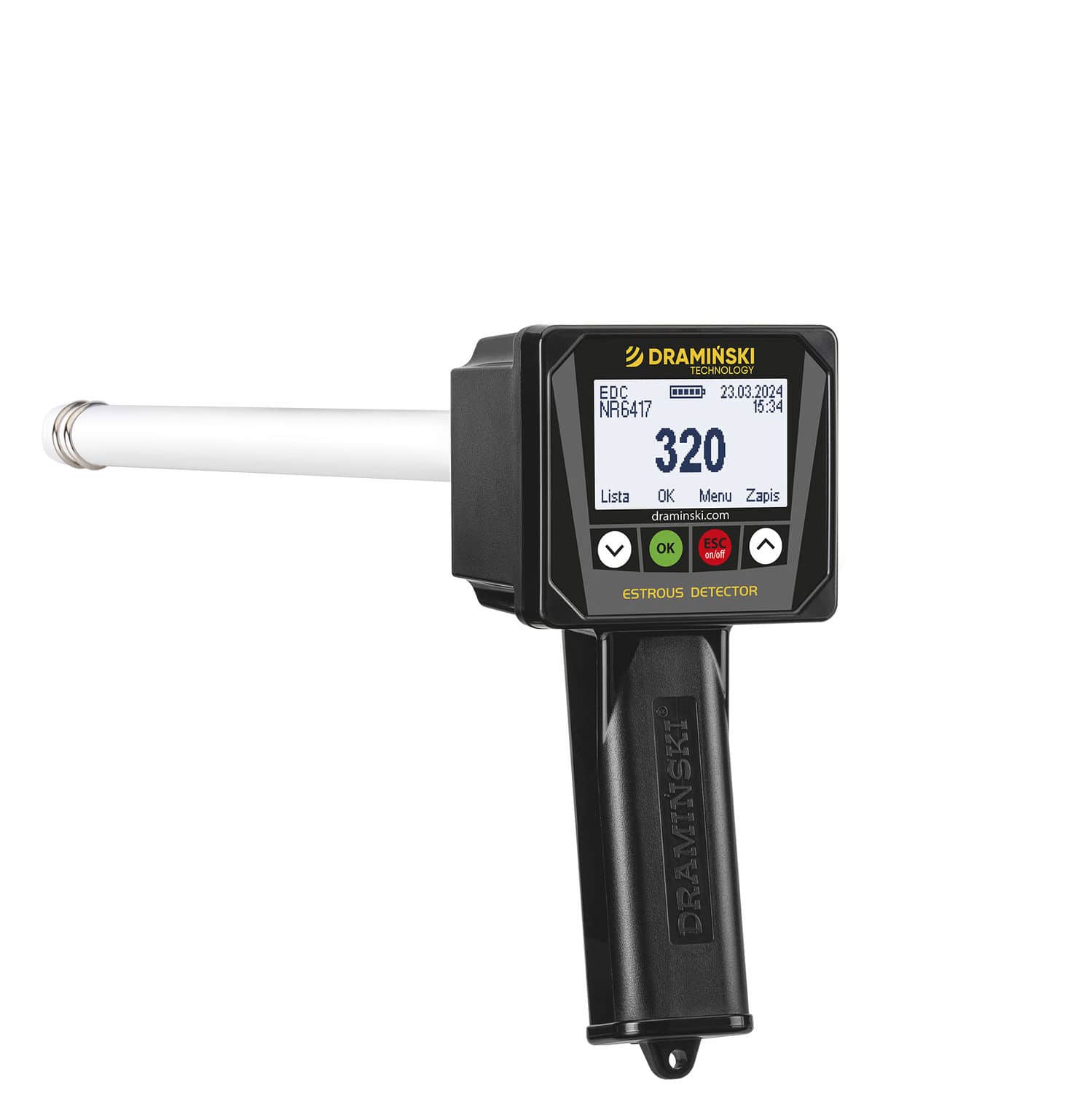
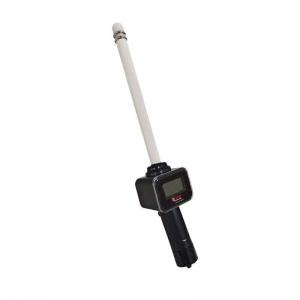
| Structural Components | Electronic Control Unit: Processes the electrical resistance signal and converts it into a numerical measurement. Digital Display: Shows measurement values, operating information and battery status according to device configuration. Veterinary Measurement Probe: Long probe designed for controlled vaginal insertion during reproductive examination. Electrode Tip: Metal electrodes positioned near the probe end contact vaginal mucus and provide the electrical resistance measurement. Handheld Housing: Ergonomic body provides stable handling during livestock examination. Operating Keys: Allow measurement, menu navigation, animal record selection and other functions according to configuration. Power Supply: Battery-powered construction supports mobile use without requiring a fixed electrical connection. Optional Data Interface: USB communication is available on selected configurations for data transfer and software updates. |
||||||||||||||||||||||||||||||||
| Working Principle | Physiological and hormonal changes during the estrous cycle influence the composition and electrical characteristics of vaginal mucus. These changes produce measurable variations in electrical resistance. During examination, the properly cleaned and disinfected probe is inserted into the reproductive tract according to the operating procedure for the animal species. The sensing electrodes contact the vaginal mucus and the instrument measures its electrical resistance. Rather than interpreting a single isolated value, measurements are preferably repeated at consistent intervals. The changing resistance pattern can then be compared with previous readings to provide additional information about progression through estrus and the appropriate breeding period. The detector is a reproductive management aid. Measurement results should be considered together with behavioral signs, breeding records, physical examination and professional veterinary assessment where required. |
||||||||||||||||||||||||||||||||
| Technical Specifications |
|
||||||||||||||||||||||||||||||||
| Applications | Dairy Cattle Breeding: Supports estrus monitoring and artificial insemination scheduling for cows and heifers. Beef Cattle Reproduction: Provides additional reproductive information for breeding herds and cattle genetic improvement programs. Sow and Gilt Breeding: Species-specific probe configurations can assist commercial pig farms in identifying reproductive changes and planning insemination. Sheep and Goat Breeding: Suitable configurations can help monitor estrus in ewes and does, particularly when behavioral signs are difficult to observe. Mare Reproduction: Cattle and equine configurations can support reproductive monitoring in horse breeding operations. Artificial Insemination Centers: Helps technicians combine objective measurement data with visual signs and reproductive records when scheduling insemination. Livestock Breeding Stations: Suitable for routine reproductive management in breeding companies and genetic selection programs. Veterinary Field Services: Portable operation allows use by veterinarians and reproduction technicians working across multiple farms. |
||||||||||||||||||||||||||||||||
| Customization Options | The detector can be supplied in different configurations according to livestock species, farm size and reproductive management requirements. Available options may include: • Cattle and mare probe configuration • Sow and gilt probe configuration • Sheep and goat probe configuration • Species-specific probe length • Basic or advanced operating functions • Animal and measurement memory • USB data communication • Computer data analysis software • Carrying case and wrist strap • Multilingual operating interface according to configuration • OEM and distributor packaging • Configuration according to project requirements |
||||||||||||||||||||||||||||||||
| Installation & Maintenance | No fixed installation is required. Before first use, install or check the battery and confirm that the detector is operating correctly. Before every examination, thoroughly clean and disinfect the measurement probe using a method compatible with the instrument material. Proper hygiene between animals is important for livestock biosecurity. Restrain the animal safely and perform the measurement according to the procedure recommended for the relevant species. Maintain consistent probe position and insertion technique when comparing measurements over time. After use, clean the probe and external housing. Avoid aggressive chemicals, excessive heat or cleaning procedures that could damage the electronics, electrodes or sealing components. Keep the electrode surfaces free of heavy contamination. Store the detector and accessories in a clean, dry protective case when not in use. For devices with data communication functions, measurement records can be transferred and archived periodically according to farm management requirements. |
||||||||||||||||||||||||||||||||
| Project Cases | Livestock estrus and ovulation detectors can be integrated into reproductive management programs for commercial pig farms, dairy farms, beef breeding operations, sheep and goat farms, equine breeding centers and veterinary reproductive services. For large commercial livestock projects, the detector can be used together with artificial insemination records, breeding calendars, animal identification systems and farm management software to establish a more standardized reproductive workflow. Different probe configurations can be supplied for multi-species livestock projects where one procurement program covers several animal production units. |
||||||||||||||||||||||||||||||||
| Product FAQ | Q: What does the livestock estrus detector measure? A: It measures changes in the electrical resistance of vaginal mucus during the reproductive cycle. Q: How does it help identify the breeding period? A: Consecutive measurements provide a resistance trend. Changes in this trend can provide additional information about estrus progression and help breeders select an appropriate mating or insemination period. Q: Can one measurement determine the exact ovulation time? A: Repeated measurements are normally more useful than a single isolated reading. Results should be interpreted as a trend together with other reproductive signs. Q: Can the detector identify silent estrus? A: Electrical resistance monitoring can provide additional reproductive information when external estrus signs are weak or difficult to observe. Q: Which livestock species can use the detector? A: Species-specific configurations are available for cattle and mares, sows, sheep and goats. Q: Is the same probe used for every animal species? A: No. Probe length and structural configuration can differ according to animal anatomy, so the appropriate species-specific configuration should be selected. Q: Does the probe need to be disinfected? A: Yes. Thorough cleaning and disinfection before and between examinations are important for measurement hygiene and farm biosecurity. Q: Can reproductive disorders affect measurement results? A: Yes. Inflammation, abnormal secretions and other reproductive tract conditions can influence electrical resistance and should be considered when interpreting measurements. Q: Can measurement records be saved? A: Selected advanced configurations provide internal memory for animal identification and measurement history. Q: Can data be transferred to a computer? A: USB-enabled configurations can transfer stored data for reporting, graphing and archiving. |
||||||||||||||||||||||||||||||||
| Product Gallery | 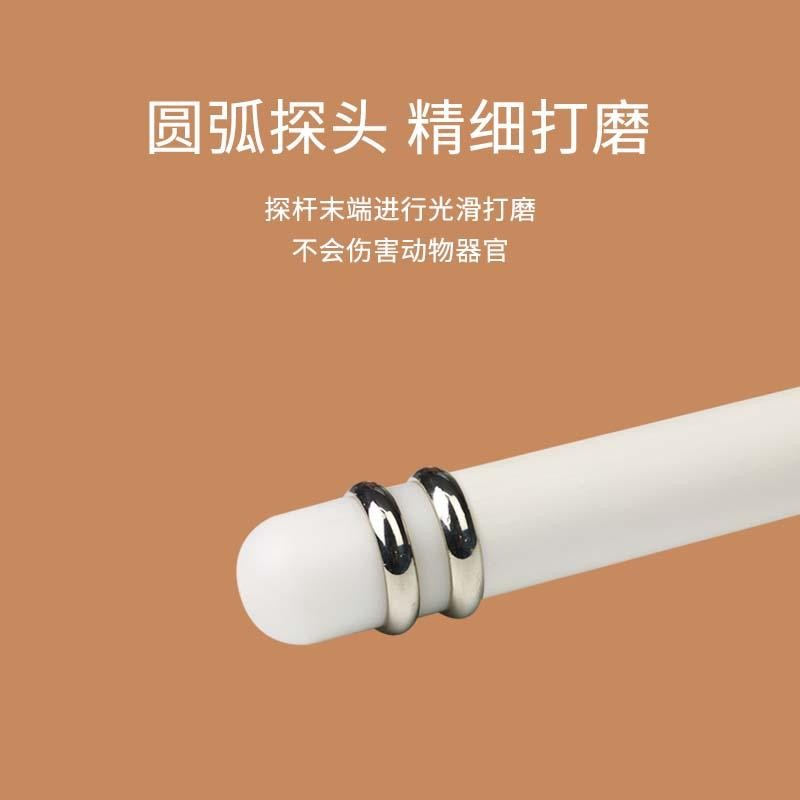 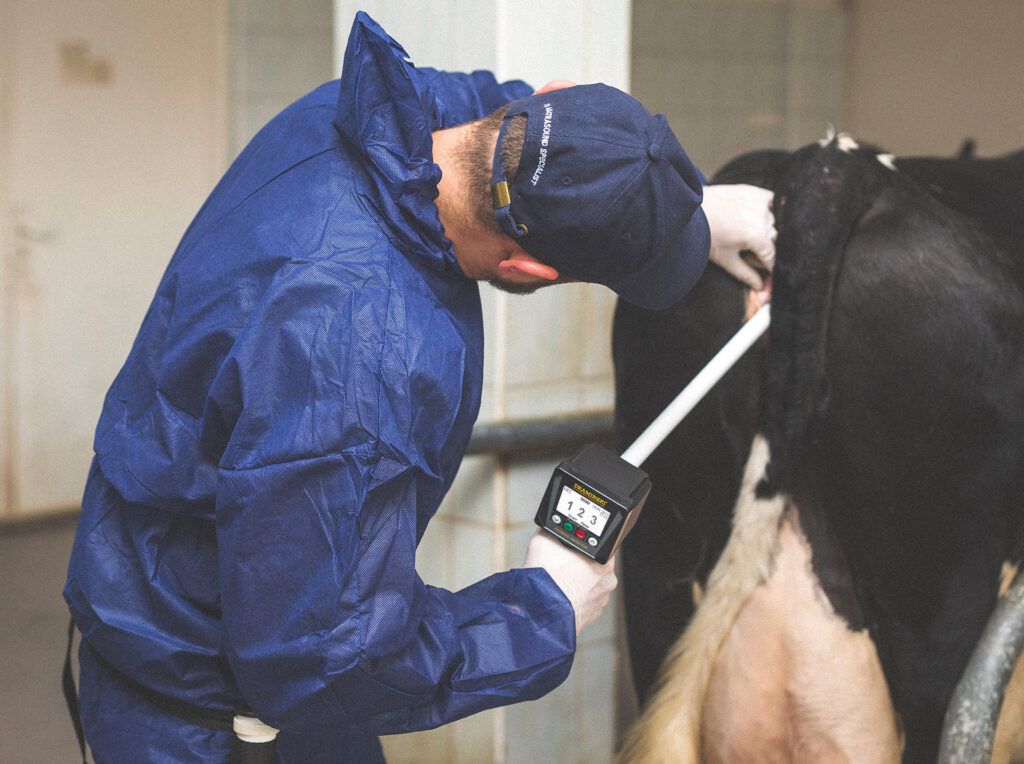 |
- Home
-
Products
- Pig Farming Equipment
- Cattle Farming Equipment
- Sheep & Goat Farming Equipment
- Poultry Farming Equipment
- Feeding & Drinking Systems
- Veterinary & Breeding Equipment
- Testing & Diagnostic Equipment
- Cleaning & Biosecurity Equipment
- Climate Control Equipment
- Livestock Weighing Equipment
- Manure & Waste Management
- Farm Transport & Handling
-
Solutions
- Pig Farm Solutions
- Dairy Farm Solutions
- Beef Cattle Farm Solutions
- Sheep & Goat Farm Solutions
- Layer Farm Solutions
- Broiler Farm Solutions
- Feeding & Drinking System Solutions
- Climate Control Solutions
- Biosecurity & Disinfection Solutions
- Manure & Waste Management
- Smart Farming Solutions
- Farm Renovation and Upgrade Solutions
- Partners
- Projects
- Resources
- News
- About Us
- Contact

Comments & Inquiries
Leave your questions or requirements below. We will reply as soon as possible.