

| Product Name | Sheep & Goat Estrus Detector | ||||||||||||||||||||||||||||||||||||
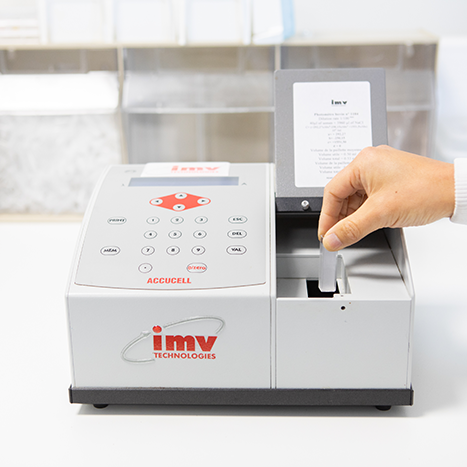
| Product Image | 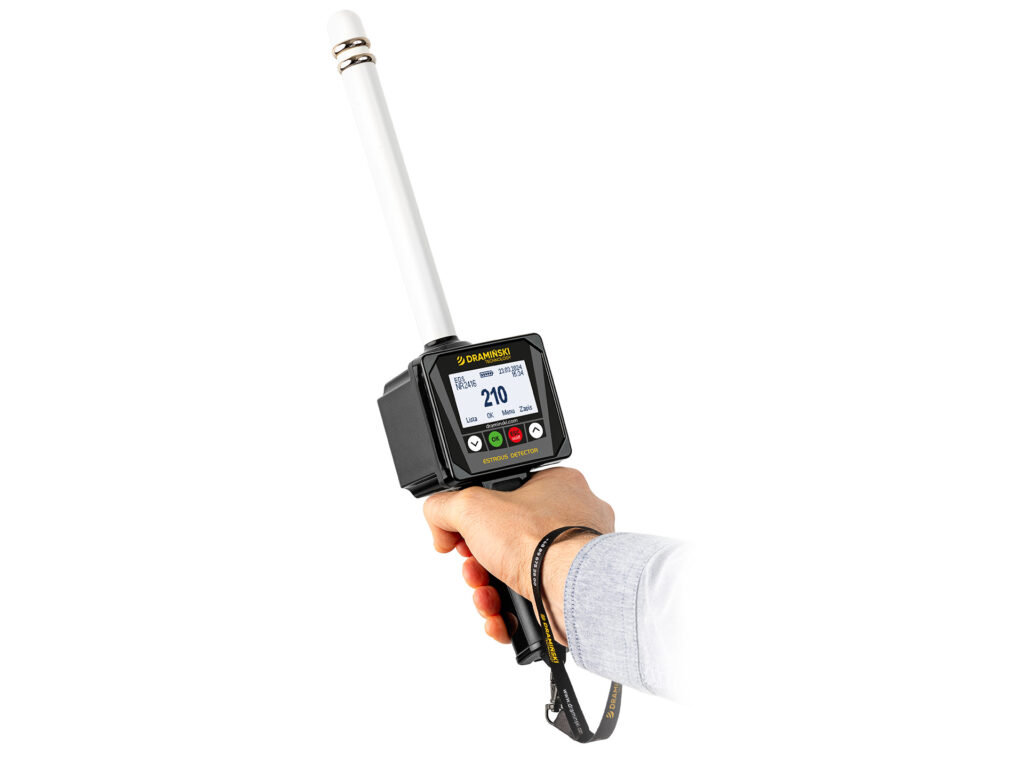 |
||||||||||||||||||||||||||||||||||||
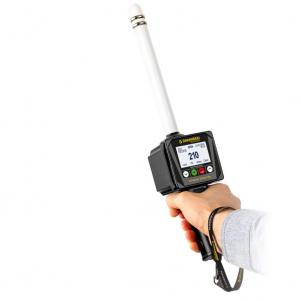
| Product Overview | The Sheep & Goat Estrus Detector is a portable electronic breeding tool designed to assist farmers and reproductive technicians in identifying estrus and determining a suitable mating or insemination window in ewes and does. The device works by measuring changes in the electrical resistance of vaginal mucus. These physiological changes occur during the reproductive cycle and can be monitored through repeated measurements to help identify the period approaching ovulation. The detector is suitable for commercial goat-farming-equipment/" target="_blank" class="keylink">sheep farms, goat farms, breeding stations, artificial insemination programs and veterinary reproductive services where accurate breeding timing and organized reproductive records are important. :contentReference[oaicite:1]{index=1} |
||||||||||||||||||||||||||||||||||||
| Key Features | Estrus and Ovulation Timing Support: Helps identify changes associated with the estrous cycle and supports selection of a suitable mating or insemination period. Electrical Resistance Measurement: Measures changes in the electrical resistance of vaginal mucus without generating an electrical treatment current. Suitable for Sheep and Goats: Designed specifically for reproductive monitoring in ewes and does. Basic and Advanced Operating Modes: Allows simplified routine measurements or advanced operation with animal records and stored measurement history. Large Internal Memory: Supports storage of animal identification data and large numbers of dated measurement records. Backlit LCD Display: Provides clear readings in livestock buildings and different lighting conditions. Portable Battery Operation: Suitable for field use without a fixed power connection. USB Data Transfer: Stored records can be transferred to a computer for review, reporting and archiving according to system configuration. :contentReference[oaicite:2]{index=2} |
||||||||||||||||||||||||||||||||||||
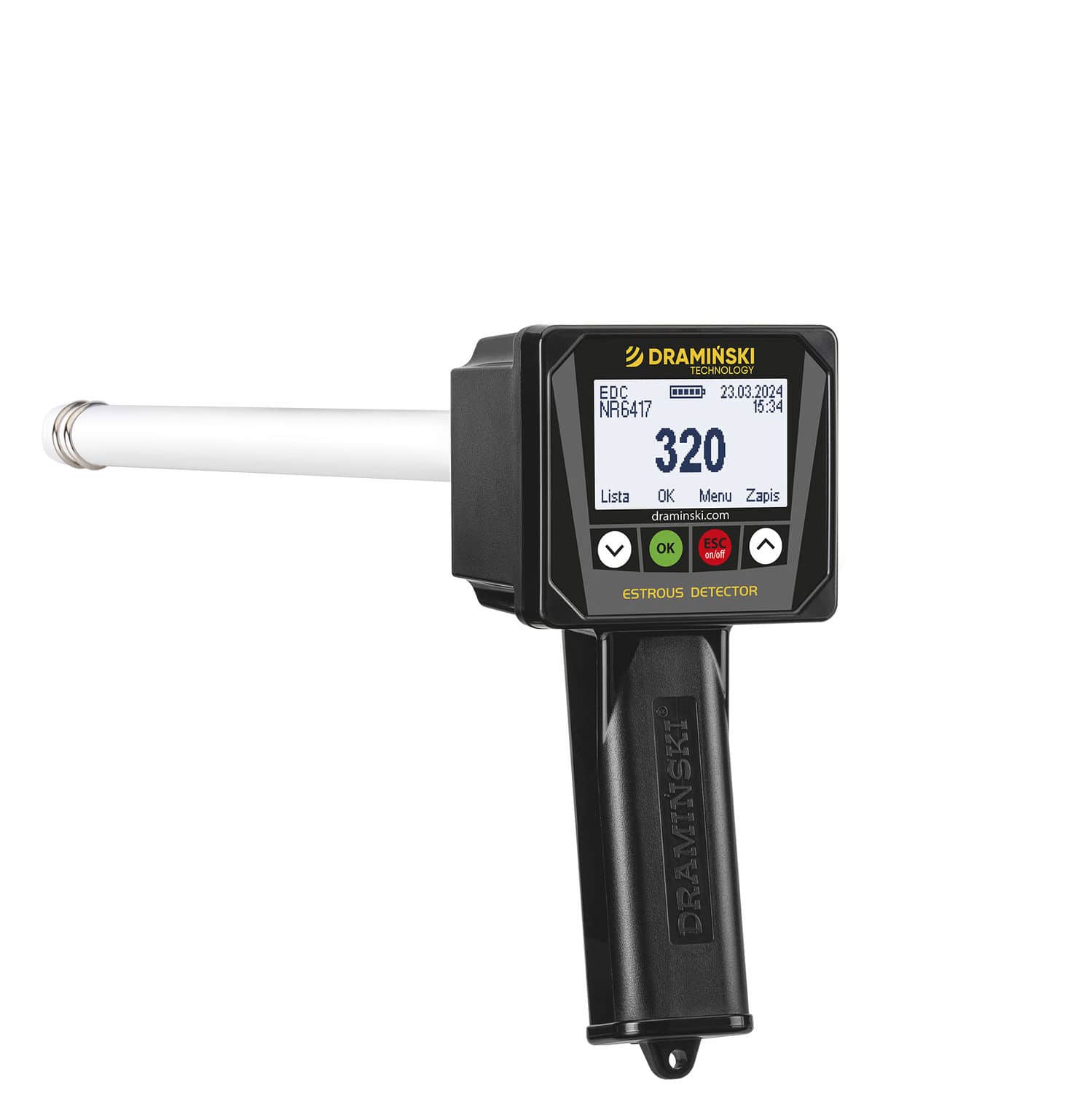
| Structural Components | Electronic Control Unit: Processes electrical resistance measurements and displays the result. Vaginal Measurement Probe: Extended probe designed for safe insertion and positioning during sheep and goat reproductive examination. Electrode Section: Measures electrical resistance characteristics of vaginal mucus. LCD Display: Shows measurement results, operating information, battery condition and stored data. Membrane Keyboard: Provides simple control of measurement, menu and record functions. Internal Memory: Stores animal records and historical measurements. USB Interface: Supports software updates and data transfer to a compatible computer. Battery Compartment: Houses replaceable AA batteries for portable farm operation. |
||||||||||||||||||||||||||||||||||||
| Working Principle | During the estrous cycle, the electrical resistance of vaginal and cervical mucus changes in relation to reproductive physiology. Repeated measurements can therefore be used to observe a characteristic trend before and around ovulation. During examination, the cleaned and disinfected probe is carefully inserted into the vagina until the measuring electrodes are positioned near the cervical entrance. The detector completes the measurement cycle and displays the electrical resistance value. Measurements should be repeated according to the breeding protocol. The trend between consecutive readings is more important than a single isolated value when determining the likely optimal breeding period. Inflammation, abnormal reproductive conditions or incorrect probe placement may affect the result, so readings should be interpreted together with animal history, behavior and professional reproductive assessment. :contentReference[oaicite:3]{index=3} |
||||||||||||||||||||||||||||||||||||
| Technical Specifications |
Technical values above are based on the referenced EDS 2 configuration and should be confirmed for the final supplied model. :contentReference[oaicite:4]{index=4} |
||||||||||||||||||||||||||||||||||||
| Applications | Sheep Breeding Farms: Supports systematic heat detection and mating management in ewe breeding programs. Goat Breeding Operations: Helps identify reproductive cycle changes in does before natural mating or artificial insemination. Silent Estrus Monitoring: Useful when external heat signs are weak, irregular or difficult to observe. Artificial Insemination Programs: Provides an additional measurement tool to support insemination timing. Breeding Stations: Suitable for organized reproductive monitoring of multiple animals with stored individual records. Veterinary Reproduction Services: Can be used as a supplementary reproductive management instrument during flock fertility programs. Livestock Research Projects: Suitable for reproductive studies requiring repeated records of estrous-cycle-related electrical resistance changes. |
||||||||||||||||||||||||||||||||||||
| Customization Options | Product and project configurations can be prepared according to farm size, market requirements and reproductive management procedures. Available options may include: • Sheep and goat reproductive monitoring package • Carrying and storage case • Data transfer cable • Farm record and data management accessories • Multilingual operating documentation • Replacement batteries and maintenance accessories • Distributor and bulk procurement packages • OEM packaging available upon request • Configuration according to project requirements |
||||||||||||||||||||||||||||||||||||
| Installation & Maintenance | No permanent installation is required. Before the first examination, install the batteries, check the display and confirm that the detector enters measurement mode normally. Before each use, clean and thoroughly disinfect the vaginal probe using a procedure and disinfectant suitable for veterinary reproductive instruments. Restrain the ewe or doe safely. Insert the probe carefully and position the electrode section near the entrance to the cervix according to the operating instructions. Avoid excessive force during insertion. Repeat measurements according to the selected breeding schedule and compare successive readings to identify the reproductive trend. After examination, wash and disinfect the probe before testing another animal. Remove visible contamination and allow the instrument to dry before storage. Store the detector in its protective case in a clean, dry environment and monitor battery condition during periods of regular farm use. :contentReference[oaicite:5]{index=5} |
||||||||||||||||||||||||||||||||||||
| Project Cases | Sheep and goat estrus detectors can be integrated into reproductive management programs for commercial sheep farms, dairy goat farms, breeding centers, artificial insemination stations and veterinary service companies. In flock breeding programs, individual animal identification and repeated measurement records can help personnel organize breeding groups, monitor mating schedules and maintain a clearer reproductive history. For large agricultural projects, the detector can be supplied together with insemination instruments, pregnancy diagnosis equipment and other small-ruminant reproductive management tools. |
||||||||||||||||||||||||||||||||||||
| Product FAQ | Q: What does the estrus detector measure? A: It measures changes in the electrical resistance of vaginal mucus associated with the reproductive cycle. Q: Can it detect silent estrus? A: Repeated electrical resistance measurements can help identify estrous-cycle changes even when external heat signs are weak or difficult to observe. Q: Does a single reading confirm ovulation? A: No. Consecutive measurements and the direction of change are generally more useful than one isolated value. Results should be interpreted together with reproductive history and animal condition. Q: Does the probe generate an electrical current inside the animal? A: The detector measures electrical resistance; it is not designed to deliver an electrical treatment current. :contentReference[oaicite:6]{index=6} Q: Does the probe need to be disinfected? A: Yes. Thorough cleaning and disinfection before examination and between animals are essential for hygienic reproductive management. Q: Can inflammation affect the result? A: Yes. Reproductive tract inflammation or other abnormal physiological conditions can change mucus properties and interfere with measurement interpretation. :contentReference[oaicite:7]{index=7} Q: Can measurement records be saved? A: The referenced advanced configuration stores records for up to 250 animals and approximately 200,000 measurements with date and time. Q: Can data be transferred to a computer? A: Yes. The referenced system supports USB data transmission and compatible computer software for analysis and archiving. Q: Does the detector require periodic calibration? A: The referenced EDS 2 configuration is designed without routine periodic calibration requirements. :contentReference[oaicite:8]{index=8} |
||||||||||||||||||||||||||||||||||||
| Product Gallery | 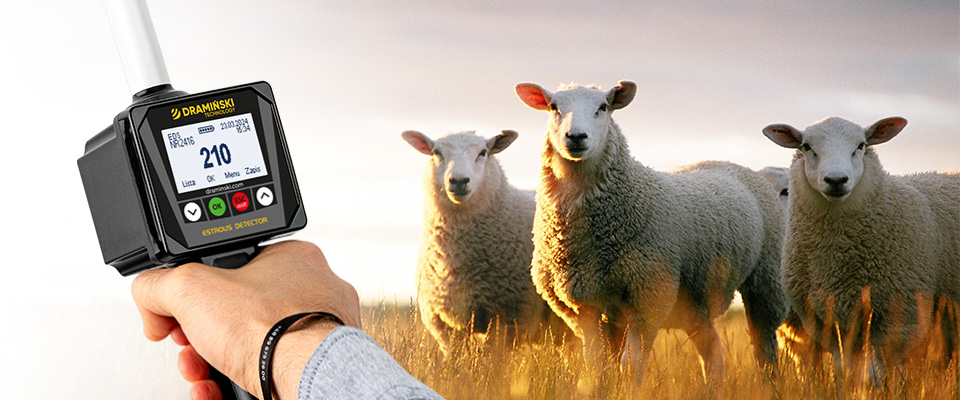 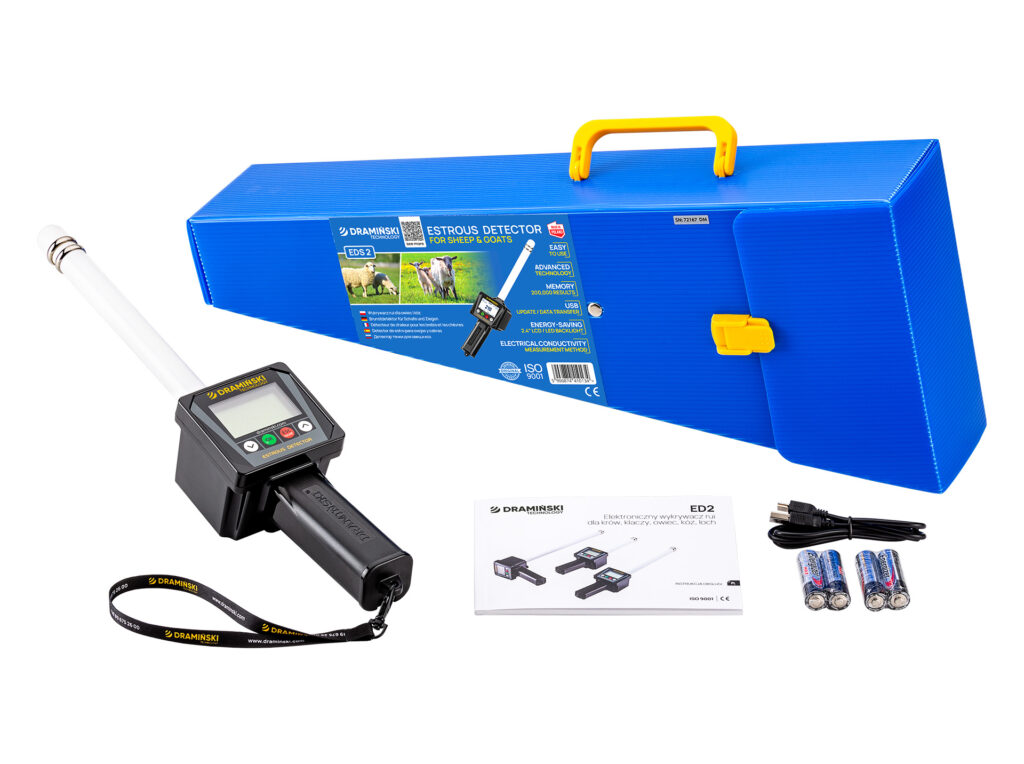 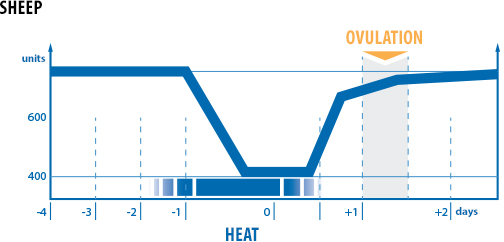 |
- Home
-
Products
- Pig Farming Equipment
- Cattle Farming Equipment
- Sheep & Goat Farming Equipment
- Poultry Farming Equipment
- Feeding & Drinking Systems
- Veterinary & Breeding Equipment
- Testing & Diagnostic Equipment
- Cleaning & Biosecurity Equipment
- Climate Control Equipment
- Livestock Weighing Equipment
- Manure & Waste Management
- Farm Transport & Handling
-
Solutions
- Pig Farm Solutions
- Dairy Farm Solutions
- Beef Cattle Farm Solutions
- Sheep & Goat Farm Solutions
- Layer Farm Solutions
- Broiler Farm Solutions
- Feeding & Drinking System Solutions
- Climate Control Solutions
- Biosecurity & Disinfection Solutions
- Manure & Waste Management
- Smart Farming Solutions
- Farm Renovation and Upgrade Solutions
- Partners
- Projects
- Resources
- News
- About Us
- Contact

Comments & Inquiries
Leave your questions or requirements below. We will reply as soon as possible.