

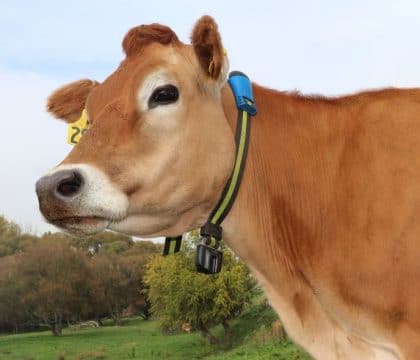
| Product Name | Smart Cow Heat Detection Ear Tag | ||||||||||||||||||||||||||||||||
| Product Image | 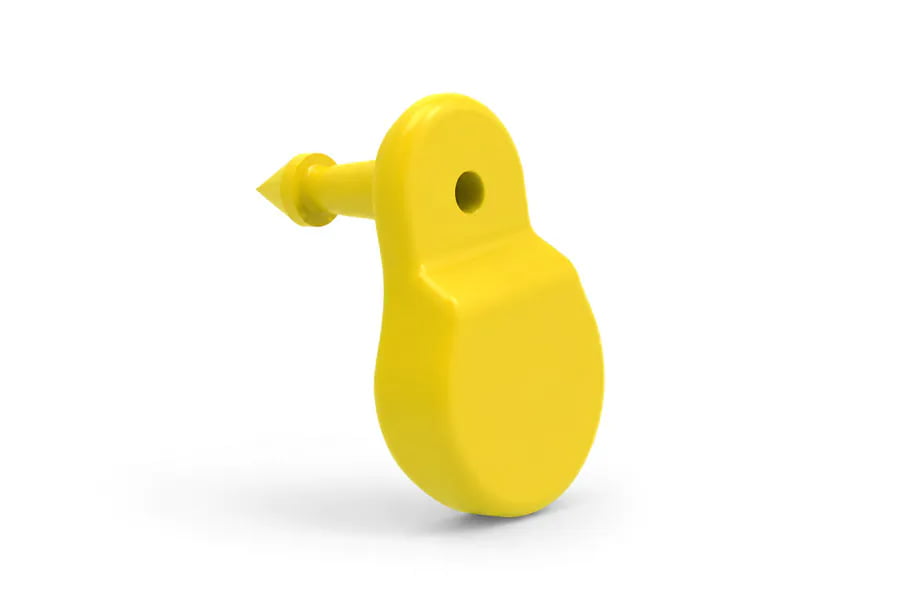 |
||||||||||||||||||||||||||||||||
| Product Overview | The Smart Cow Heat Detection Ear Tag is a wearable livestock monitoring sensor designed for continuous collection of cow activity and behavioral data. Installed on the ear, the sensor can support automatic heat detection by identifying changes in activity patterns associated with estrus. Depending on system configuration, behavioral data such as activity, rumination and eating time can be collected and analyzed by the herd management platform. Advanced systems can use algorithm-based or artificial-intelligence analysis to calculate heat probability and provide a list of cows requiring breeding attention. The system is suitable for commercial dairy farms, beef breeding operations, cattle genetics programs and large livestock projects seeking to reduce dependence on manual heat observation and establish a more standardized reproductive management workflow. |
||||||||||||||||||||||||||||||||
| Key Features | Automatic Heat Detection: Continuously monitors changes in cow activity and behavior to support identification of estrus events. Breeding-Time Support: Compatible software can analyze behavioral patterns and provide guidance for selecting an appropriate insemination period. 24/7 Cow Monitoring: Wearable sensors collect individual cow data continuously without requiring repeated manual observation. Rumination Monitoring: Selected system configurations can monitor rumination time and identify deviations from each animal's normal pattern. Eating Behavior Analysis: Advanced monitoring platforms can evaluate eating-time changes as an additional herd-management indicator. Individual Cow Identification: Each sensor is linked to an individual animal record so reproductive and behavioral information can be tracked separately. Automated Alerts: Heat alerts and other behavioral notifications can be delivered through compatible farm-management software, desktop systems or mobile applications. Reduced Manual Observation: Continuous digital monitoring can reduce the labor required for repeated visual heat checks in large commercial herds. Expandable Farm System: Sensor quantity, gateways and software capacity can be configured according to herd size and farm layout. |
||||||||||||||||||||||||||||||||
| Structural Components | Smart Ear Sensor: Compact wearable unit installed on the cow's ear to collect activity and behavioral information. Motion Sensor: Integrated accelerometer or related sensing technology records movement patterns associated with standing, walking and other activities. Behavior Monitoring Module: Depending on system design, the sensor can support rumination and eating-behavior analysis. Wireless Communication Module: Transfers collected sensor data to a compatible receiver, gateway or farm network. Battery Module: Provides long-term power for continuous monitoring. Ear Tag Fastener: Secures the sensor to the cow's ear and is designed for routine livestock production environments. Gateway / Receiver: Collects wireless information from multiple ear tags and transfers it to the central management system. Herd Management Software: Processes sensor information, calculates behavioral changes and displays alerts, cow lists and historical data. |
||||||||||||||||||||||||||||||||
| Working Principle | Cow activity and behavior change throughout the reproductive cycle. During estrus, many cows show increased movement and characteristic changes in daily behavior. The ear-mounted sensor continuously records individual activity and related behavioral information. Data is transmitted wirelessly to the herd management platform, where software compares current activity patterns with historical data and the individual cow's normal baseline. When the system identifies a pattern associated with estrus, it calculates a heat status or heat probability and generates an alert for farm personnel. Advanced platforms can also estimate the preferred insemination period based on the timing and strength of the detected behavioral change. Rumination and eating-time deviations can also be analyzed as supplementary information for herd management. Sensor alerts should be considered together with farm breeding records, visual observation and professional veterinary assessment when appropriate. |
||||||||||||||||||||||||||||||||
| Technical Specifications |
|
||||||||||||||||||||||||||||||||
| Applications | Dairy Cow Heat Detection: Continuously monitors dairy cows to identify behavioral changes associated with estrus and support timely artificial insemination. Heifer Breeding Management: Can support reproductive monitoring of breeding-age heifers when sensors are assigned to individual animals. Beef Cattle Reproduction: Suitable configurations can support heat monitoring in intensive beef breeding and genetic improvement programs. Artificial Insemination Programs: Heat alerts can help breeding technicians prioritize cows requiring insemination and organize daily breeding work. Large Commercial Dairy Farms: Automated monitoring is especially useful where visual observation of hundreds or thousands of cows requires considerable labor. Rumination and Feeding Management: Systems equipped with additional behavior analysis can monitor changes in rumination and eating time. Animal Attention Lists: Behavioral deviations can help farm personnel identify cows requiring closer observation. Precision Livestock Farming: Sensor data can be integrated with compatible herd-management, milking and animal-identification systems to support digital farm operation. |
||||||||||||||||||||||||||||||||
| Customization Options | The heat detection system can be configured according to herd size, livestock building layout, communication infrastructure and farm-management requirements. Available options may include: • Smart cow ear tags • Heat detection function • Activity monitoring • Rumination monitoring • Eating-time monitoring • Cow localization function • Wireless gateways and receivers • Barn network planning • PC-based management software • Web-based monitoring platform • Mobile application access • Individual cow identification integration • Herd-management system integration • Multi-barn deployment • OEM and distributor configurations Final system capacity and hardware layout can be designed according to project requirements and farm conditions. |
||||||||||||||||||||||||||||||||
| Installation & Maintenance | Before installation, evaluate the cattle housing layout, herd size and required wireless coverage. Gateways or receivers should be positioned according to the communication design of the selected monitoring system. Register each smart ear tag in the management platform and link the sensor identification number to the correct cow record before or immediately after installation. Install the sensor on the recommended part of the ear using the appropriate applicator and fastening components. Confirm that the device is securely attached without interfering with normal ear movement. After installation, verify that the sensor communicates correctly with the gateway and that animal activity information is visible in the management software. During routine operation, inspect sensors for damage, abnormal looseness or loss. Check communication status and battery condition through the system where these functions are available. Gateways, servers and networking equipment should be kept dry and protected from excessive dust, corrosive gases and direct water exposure unless specifically designed for those conditions. |
||||||||||||||||||||||||||||||||
| Project Cases | Smart heat detection ear tag systems can be deployed in dairy farms, cattle breeding centers, beef genetic improvement projects and large-scale livestock operations. A typical commercial installation includes individual cow sensors, wireless communication infrastructure and a central herd-management platform. Farm personnel can review heat alerts and breeding lists from a computer or compatible mobile device. For large dairy projects, behavioral monitoring can also be integrated with milking, animal identification and herd-management systems to provide a more complete view of reproduction and daily cow activity. |
||||||||||||||||||||||||||||||||
| Product FAQ | Q: How does the ear tag detect heat? A: The sensor continuously monitors cow activity and behavior. Software analyzes changes from the animal's normal pattern and identifies activity profiles associated with estrus. Q: Does the system monitor cows continuously? A: Yes. Smart sensor systems are designed for continuous monitoring so changes can be detected even outside normal staff observation periods. Q: Can it recommend an insemination time? A: Advanced software can use the timing and strength of detected behavioral changes to provide breeding alerts and an indication of the preferred insemination period. Q: Can it monitor rumination? A: Yes. Selected configurations can calculate rumination and eating behavior in addition to activity-based heat detection. Q: Is it suitable for large dairy farms? A: Yes. Network capacity, gateways and software can be configured for large commercial herds according to project requirements. Q: Can farm workers receive alerts on a phone? A: Mobile access and notifications are available with compatible monitoring platforms. Q: Can the system identify the location of a cow? A: Cow localization is available with selected advanced systems and appropriate farm infrastructure. Q: Does heat detection completely replace visual observation? A: Automated monitoring can greatly reduce dependence on manual observation, but farms may still combine sensor information with breeding records and visual checks according to their reproductive protocol. Q: Can the system help identify cows requiring health attention? A: Changes in rumination, eating time and activity can provide additional information for identifying cows that may require closer inspection. Sensor information is not a substitute for veterinary diagnosis. Q: Can the system be customized for different barn layouts? A: Yes. Sensor quantity, gateway placement, network configuration and software capacity can be designed according to local farm conditions. |
||||||||||||||||||||||||||||||||
| Product Gallery | |
- Home
-
Products
- Pig Farming Equipment
- Cattle Farming Equipment
- Sheep & Goat Farming Equipment
- Poultry Farming Equipment
- Feeding & Drinking Systems
- Veterinary & Breeding Equipment
- Testing & Diagnostic Equipment
- Cleaning & Biosecurity Equipment
- Climate Control Equipment
- Livestock Weighing Equipment
- Manure & Waste Management
- Farm Transport & Handling
-
Solutions
- Pig Farm Solutions
- Dairy Farm Solutions
- Beef Cattle Farm Solutions
- Sheep & Goat Farm Solutions
- Layer Farm Solutions
- Broiler Farm Solutions
- Feeding & Drinking System Solutions
- Climate Control Solutions
- Biosecurity & Disinfection Solutions
- Manure & Waste Management
- Smart Farming Solutions
- Farm Renovation and Upgrade Solutions
- Partners
- Projects
- Resources
- News
- About Us
- Contact

Comments & Inquiries
Leave your questions or requirements below. We will reply as soon as possible.