
| Product Name | Wireless Cow Heat Detection Collar | ||||||||||||||||||||||||||||||
| Product Image | 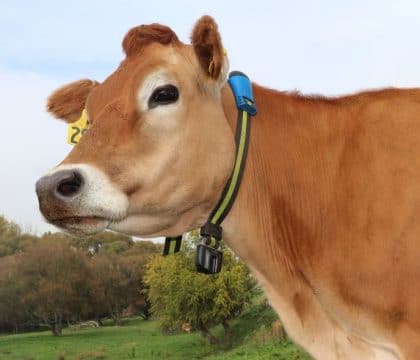 |
||||||||||||||||||||||||||||||
| Product Overview | The Wireless Cow Heat Detection Collar is a smart livestock monitoring device designed to support automated estrus detection and reproductive management in dairy and beef cattle operations. Worn around the cow's neck, the sensor continuously monitors behavioral patterns such as activity and rumination. Collected data is transmitted wirelessly to a compatible controller or farm monitoring platform, where software analyzes changes in individual animal behavior and generates actionable reproductive information. The system can help farm personnel identify cows entering heat, including animals showing weak or difficult-to-observe estrus behavior, and provide guidance for breeding or artificial insemination timing. Depending on the selected software plan and system configuration, the same monitoring infrastructure can also provide health, nutrition, group and wellbeing information for individual cows and groups. |
||||||||||||||||||||||||||||||
| Key Features | Automatic Heat Detection: Continuously analyzes changes in cow behavior to identify estrus without relying only on visual observation. Insemination Timing Support: Reproductive alerts provide practical information to help farm personnel determine an appropriate artificial insemination window. Activity Monitoring: Detects behavioral activity changes associated with reproductive status and other management events. Rumination Monitoring: Tracks rumination patterns that can provide additional information about animal condition, feeding behavior and health trends. Silent Heat Detection Support: Continuous monitoring can help identify cows or heifers with weak or difficult-to-observe external estrus signs. Wireless Data Transmission: Collar data is transmitted automatically to compatible farm communication infrastructure without manual data collection. Individual Animal Monitoring: Each sensor is associated with an individual animal record, allowing reproductive history and behavioral trends to be reviewed over time. Remote Herd Management: Compatible web and mobile interfaces allow authorized users to review alerts and herd information from multiple devices. Scalable System Architecture: Monitoring systems can be expanded by adding additional tags, antennas, software functions and user devices as herd requirements change. |
||||||||||||||||||||||||||||||
| Structural Components | Neck Sensor Tag: Electronic monitoring unit mounted on the collar to record cow activity and behavioral information. Adjustable Neck Strap: Secures the monitoring sensor around the animal's neck while allowing appropriate adjustment for different cattle sizes. Motion and Behavior Sensors: Integrated electronic sensing components collect movement and behavioral data continuously. Wireless Communication Module: Transfers recorded information from the collar sensor to the compatible farm communication network. Internal Battery: Provides long-term power for continuous livestock monitoring. System Controller: Receives sensor data, communicates with monitoring software and manages connected animal tags. Optional Additional Antennas: Can extend wireless coverage for larger barns, multiple livestock buildings or wider farm layouts. Monitoring Software: Processes animal data and generates reproductive, health and group-management information according to the selected application plan. |
||||||||||||||||||||||||||||||
| Working Principle | The monitoring collar is fitted around the cow's neck and remains with the animal during normal daily activity. Integrated sensors continuously record behavioral information such as movement and rumination. Wireless communication transfers the collected data to the farm's monitoring controller. Specialized algorithms compare current behavioral patterns with the individual cow's historical baseline and identify changes associated with estrus. When the system detects a reproductive pattern consistent with heat, the monitoring platform places the animal on a heat list or generates an alert. The software can also provide insemination timing guidance to support artificial insemination management. Because the system evaluates continuous behavioral trends rather than a single observation, it can reduce dependence on manual visual heat detection and support reproductive monitoring during periods when farm personnel are not present. |
||||||||||||||||||||||||||||||
| Technical Specifications |
Final sensor specifications, wireless coverage and battery performance depend on the selected collar, controller, software plan and farm installation conditions. |
||||||||||||||||||||||||||||||
| Applications | Dairy Cow Heat Detection: Automatically monitors reproductive behavior to help identify cows ready for breeding or artificial insemination. Heifer Reproductive Management: Supports heat detection in replacement heifers where visual observation may be limited. Artificial Insemination Programs: Provides timing information that can help breeding technicians organize insemination schedules. Silent Heat Monitoring: Continuous behavioral analysis can support identification of animals displaying weak external signs of estrus. Return-to-Heat Monitoring: Helps identify cows or heifers showing renewed estrus activity following breeding. Commercial Dairy Farms: Suitable for farms requiring continuous automated reproductive monitoring across large groups of animals. Beef Breeding Operations: Compatible system configurations can support reproductive monitoring in beef cattle and natural or artificial breeding programs. Health Monitoring: Advanced application plans can use activity and rumination changes to provide additional information for proactive animal inspection. Group and Nutrition Management: Group-level behavioral trends can support evaluation of feeding changes, cow comfort and heat-stress management depending on software configuration. |
||||||||||||||||||||||||||||||
| Customization Options | The monitoring system can be configured according to herd size, barn structure, breeding strategy and farm management requirements. Available options may include: • Neck-mounted cow monitoring collars • Ear-mounted monitoring tags • Reproduction monitoring software • Reproduction and health monitoring packages • Advanced group and nutrition monitoring • Farm controller configuration • Additional wireless antennas • Web and mobile access • Sorting gate integration according to system compatibility • Herd management software integration • Multi-building communication configuration • Expansion for growing herd sizes • Project-specific installation and network planning Final system architecture can be designed according to local farm layout, herd population and livestock management requirements. |
||||||||||||||||||||||||||||||
| Installation & Maintenance | Before installation, evaluate the livestock building layout, herd size, animal movement areas and required wireless coverage. Position the controller and any additional antennas according to the farm communication plan. Fit the collar securely around the cow's neck according to the recommended adjustment procedure. The collar should remain correctly positioned while allowing normal eating, drinking, resting and movement. Register the sensor identification with the corresponding cow record in the monitoring software. Confirm that data communication is active before completing installation. After installation, allow sufficient time for the system to establish individual behavioral baselines according to the selected monitoring platform. Inspect collars regularly for correct fit, excessive wear or physical damage. Keep sensors reasonably clean and check wireless communication status through the management platform. Controller software and system components should be maintained and updated according to the selected equipment configuration. |
||||||||||||||||||||||||||||||
| Project Cases | Wireless heat detection collars can be deployed in dairy farms, cattle breeding centers, heifer-rearing units, genetic improvement projects and commercial artificial insemination programs. A typical system combines individual neck sensors with a farm controller, optional additional antennas and monitoring software. Larger farms can expand coverage by adding communication infrastructure and additional animal sensors as the herd grows. For integrated dairy projects, monitoring data can also be connected with compatible herd management systems and sorting equipment to create a more automated reproductive management workflow. |
||||||||||||||||||||||||||||||
| Product FAQ | Q: How does the collar detect a cow in heat? A: The collar continuously records behavioral patterns such as activity and rumination. Monitoring software analyzes changes from the cow's normal baseline and identifies patterns associated with estrus. Q: Does the system provide insemination timing information? A: Yes. Compatible reproductive monitoring software can provide heat alerts and guidance for artificial insemination timing. Q: Can it detect cows with weak heat signs? A: Continuous behavioral monitoring can help identify cows showing weak or difficult-to-observe estrus behavior. Q: Does the collar monitor rumination? A: Yes. The referenced neck-monitoring technology uses activity and rumination information as important behavioral inputs. Q: Can it provide health information as well as heat detection? A: Yes. Depending on the selected application plan, activity and rumination data can also support individual health and wellbeing monitoring. Q: Can farm staff receive information remotely? A: Compatible systems provide access through web and mobile devices, allowing authorized users to review animal information and alerts remotely. Q: Is the system suitable for large dairy farms? A: Yes. The monitoring architecture is scalable and can be expanded with additional tags, antennas and system components according to herd size. Q: How long can the collar sensor battery operate? A: The referenced cSense Flex neck-tag configuration specifies an expected battery lifetime of approximately seven years. Actual operating life depends on equipment configuration and operating conditions. Q: Is the sensor waterproof? A: The referenced neck-tag configuration uses an IP68-rated waterproof housing designed for livestock environments. Q: Can it integrate with other farm systems? A: Integration with compatible herd management software and selected farm automation equipment is available according to system configuration. |
||||||||||||||||||||||||||||||
| Product Gallery |  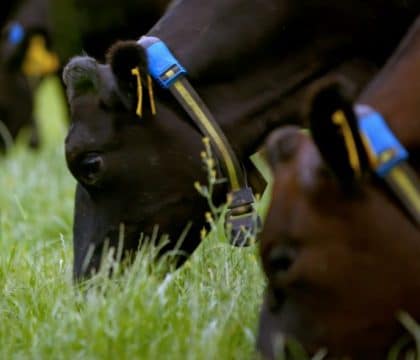 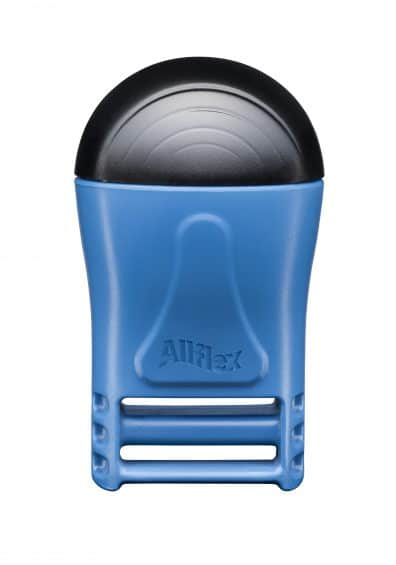 |
- Home
-
Products
- Pig Farming Equipment
- Cattle Farming Equipment
- Sheep & Goat Farming Equipment
- Poultry Farming Equipment
- Feeding & Drinking Systems
- Veterinary & Breeding Equipment
- Testing & Diagnostic Equipment
- Cleaning & Biosecurity Equipment
- Climate Control Equipment
- Livestock Weighing Equipment
- Manure & Waste Management
- Farm Transport & Handling
-
Solutions
- Pig Farm Solutions
- Dairy Farm Solutions
- Beef Cattle Farm Solutions
- Sheep & Goat Farm Solutions
- Layer Farm Solutions
- Broiler Farm Solutions
- Feeding & Drinking System Solutions
- Climate Control Solutions
- Biosecurity & Disinfection Solutions
- Manure & Waste Management
- Smart Farming Solutions
- Farm Renovation and Upgrade Solutions
- Partners
- Projects
- Resources
- News
- About Us
- Contact

Comments & Inquiries
Leave your questions or requirements below. We will reply as soon as possible.