
| Product Name | Sheep & Goat Estrus Detector | ||||||||||||||||||||||||||||||||||||||||||||
| Product Image |  |
||||||||||||||||||||||||||||||||||||||||||||
| Product Overview | The Sheep & Goat Estrus Detector is a portable electronic reproductive management instrument designed to help livestock producers identify estrus and select an appropriate mating or artificial insemination period in ewes and does. The device measures changes in the electrical resistance of vaginal mucus during the reproductive cycle. By comparing repeated measurements rather than relying on a single reading, operators can observe characteristic changes associated with estrus and approaching ovulation. The detector is especially useful when visible heat signs are weak, irregular or difficult to observe. Its portable design makes it suitable for commercial goat-farming-equipment/" target="_blank" class="keylink">sheep farms, goat farms, breeding stations, artificial insemination programs, veterinary reproductive services and livestock research projects. |
||||||||||||||||||||||||||||||||||||||||||||
| Key Features | Designed for Sheep and Goats: Probe dimensions and operating characteristics are intended for small-ruminant reproductive management. Estrus Trend Monitoring: Measures changes in vaginal mucus electrical resistance to provide objective information during the estrous cycle. Silent Estrus Detection Support: Useful when behavioral heat signs are weak or difficult to identify. Breeding-Time Assistance: Repeated measurements can help determine a more appropriate period for natural mating or artificial insemination. Basic and Advanced Modes: Allows simplified measurement or expanded animal-record and data-management functions. Large Internal Memory: Selected reference configuration supports records for up to 250 animals and approximately 200,000 measurements with date and time. Backlit Digital Display: Provides clear numerical readings in livestock buildings and varying lighting conditions. USB Data Communication: Supports transfer of stored measurement information to a compatible computer. Portable Battery Operation: Replaceable batteries allow field use without a fixed electrical supply. Easy Cleaning: Smooth probe and housing surfaces support routine washing and disinfection between animals. |
||||||||||||||||||||||||||||||||||||||||||||
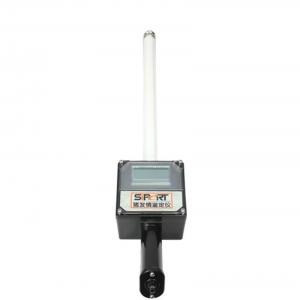
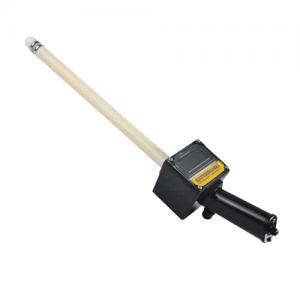
| Structural Components | Measurement Probe: Long veterinary probe designed for controlled vaginal insertion in sheep and goats. Electrode Tip: Sensing electrodes at the distal end contact vaginal mucus and obtain the electrical resistance measurement. Electronic Control Unit: Processes the resistance signal and converts it into a numerical reading. LCD Display: Backlit screen displays measurement values, menu information and battery status. Membrane Keyboard: Allows selection of operating mode, measurement functions, animal records and device settings. Internal Memory: Stores animal identification information and historical measurements in advanced configurations. USB Interface: Supports data transfer and software or firmware functions according to configuration. Battery Compartment: Houses replaceable AA batteries for portable operation. Hand Grip and Strap: Helps provide secure handling during farm examinations. |
||||||||||||||||||||||||||||||||||||||||||||
| Working Principle | Hormonal and physiological changes during the estrous cycle affect the composition and electrical properties of vaginal mucus. The detector measures these changes through electrodes positioned at the tip of the probe. For examination, the properly cleaned and disinfected probe is carefully inserted into the vagina according to the recommended small-ruminant examination procedure. The sensing tip is positioned toward the cervical area and the instrument completes the selected measurement cycle. The displayed resistance value is recorded and compared with measurements taken at consistent intervals. The trend in values is more informative than a single isolated measurement and can assist the operator in identifying the reproductive stage associated with an appropriate breeding period. Reproductive tract inflammation, abnormal secretions, incorrect probe placement and inconsistent measurement technique may affect readings. Results should therefore be interpreted together with behavioral observations, breeding history and veterinary assessment where necessary. |
||||||||||||||||||||||||||||||||||||||||||||
| Technical Specifications |
|
||||||||||||||||||||||||||||||||||||||||||||
| Applications | Commercial Sheep Farms: Supports structured estrus monitoring for ewes in natural mating and artificial insemination programs. Commercial Goat Farms: Provides additional objective reproductive information for does when visible heat signs are limited. Artificial Insemination Programs: Helps breeding technicians select a more appropriate insemination period from repeated estrus measurements. Natural Mating Management: Can complement teaser males, visual heat observation and breeding records. Silent Estrus Monitoring: Useful for animals showing weak or atypical behavioral signs. Breeding Centers: Supports standardized reproductive monitoring in genetic improvement and multiplication programs. Veterinary Reproductive Services: Suitable for mobile technicians and veterinarians serving multiple livestock farms. Research and Training: Can be used in agricultural universities, animal reproduction laboratories and livestock demonstration projects. |
||||||||||||||||||||||||||||||||||||||||||||
| Customization Options | Supply configuration can be arranged according to farm size, breeding program and livestock project requirements. Available options may include: • Sheep and goat estrus detector configuration • Basic or advanced operating functions • Protective transport case • USB data communication cable • Replacement battery sets • Carrying strap • Measurement record accessories • Complete sheep artificial insemination equipment packages • Complete goat breeding equipment packages • Multilingual documentation according to project requirements • Distributor and bulk procurement packaging Accessory combinations and final package contents are available upon request. |
||||||||||||||||||||||||||||||||||||||||||||
| Installation & Maintenance | No permanent installation is required. Install the batteries, check the display and confirm normal instrument operation before beginning examination. The probe must be thoroughly cleaned and disinfected before examining each animal. Appropriate livestock restraint procedures should be used to protect both the operator and the animal. Insert the probe carefully according to the recommended examination procedure. Do not apply excessive force. Consistent positioning and measurement technique are important when comparing results over several days. For reliable estrus trend evaluation, measurements should be performed at similar times and under comparable examination conditions whenever possible. After each examination, wash and disinfect the probe according to equipment instructions. Remove mucus, manure and other contamination from the electrodes and probe surface. Inspect the probe, electrodes, housing and battery compartment periodically for damage. Store the detector in its protective case in a clean and dry location when not in use. |
||||||||||||||||||||||||||||||||||||||||||||
| Project Cases | The Sheep & Goat Estrus Detector can be integrated into reproductive management programs for commercial sheep farms, goat farms, artificial insemination stations, livestock breeding centers and veterinary service organizations. In larger breeding projects, individual animal records and repeated measurements can help standardize heat monitoring across breeding groups and improve traceability of reproductive decisions. The detector can also be supplied together with insemination catheters, vaginal speculums, semen handling equipment, pregnancy testing equipment and other small-ruminant reproduction tools as part of a complete breeding project package. |
||||||||||||||||||||||||||||||||||||||||||||
| Product FAQ | Q: What does the Sheep & Goat Estrus Detector measure? A: It measures changes in the electrical resistance of vaginal mucus associated with the reproductive cycle. Q: Can it help identify silent estrus? A: Yes. The detector can provide additional objective information when normal behavioral heat signs are weak or difficult to observe. Q: Can a single measurement determine the best breeding time? A: Repeated measurements are recommended. Evaluating the trend in values is generally more useful than interpreting one isolated result. Q: Is the same detector suitable for both sheep and goats? A: Yes. The small-ruminant probe configuration is designed for estrus monitoring in sheep and goats. Q: How long is the probe? A: The reference small-ruminant model uses an approximately 20 cm probe. Q: Can the instrument store measurement results? A: Advanced configurations can store individual animal information and historical measurements with date and time. Q: How many records can the reference device store? A: The referenced configuration supports up to approximately 250 animals and 200,000 measurements. Q: Can data be transferred to a computer? A: Yes. USB communication is available for data transfer and related software functions in the reference configuration. Q: Does the detector require regular calibration? A: The referenced electronic detector is designed without a requirement for routine periodic calibration. Q: Can inflammation affect the measurement? A: Yes. Reproductive tract inflammation or other abnormal conditions can alter mucus properties and influence electrical resistance readings. Q: Does the probe need to be disinfected between animals? A: Yes. Thorough cleaning and disinfection are essential for farm biosecurity, measurement consistency and safe reproductive examination. |
||||||||||||||||||||||||||||||||||||||||||||
| Product Gallery |  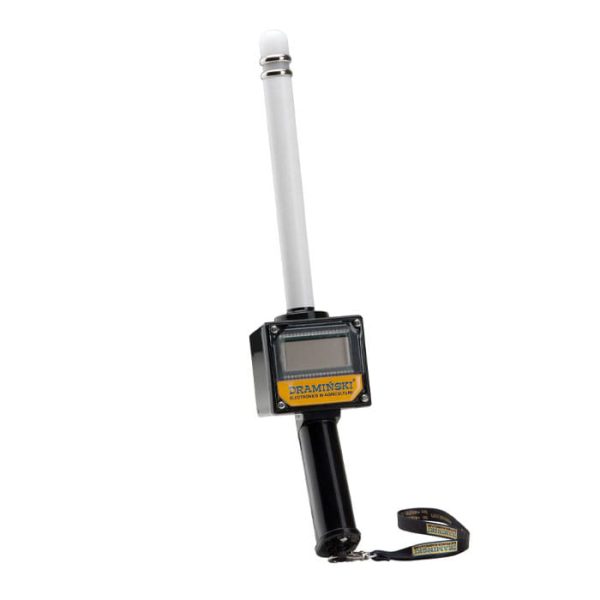 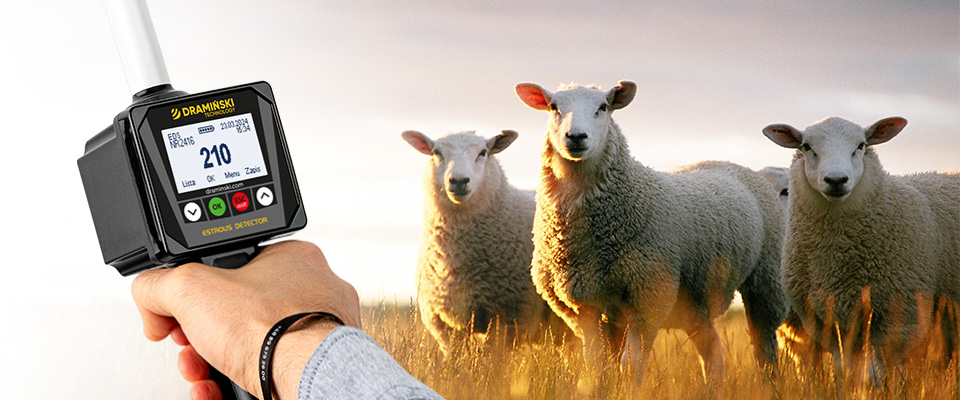 |
- Home
-
Products
- Pig Farming Equipment
- Cattle Farming Equipment
- Sheep & Goat Farming Equipment
- Poultry Farming Equipment
- Feeding & Drinking Systems
- Veterinary & Breeding Equipment
- Testing & Diagnostic Equipment
- Cleaning & Biosecurity Equipment
- Climate Control Equipment
- Livestock Weighing Equipment
- Manure & Waste Management
- Farm Transport & Handling
-
Solutions
- Pig Farm Solutions
- Dairy Farm Solutions
- Beef Cattle Farm Solutions
- Sheep & Goat Farm Solutions
- Layer Farm Solutions
- Broiler Farm Solutions
- Feeding & Drinking System Solutions
- Climate Control Solutions
- Biosecurity & Disinfection Solutions
- Manure & Waste Management
- Smart Farming Solutions
- Farm Renovation and Upgrade Solutions
- Partners
- Projects
- Resources
- News
- About Us
- Contact
Comments & Inquiries
Leave your questions or requirements below. We will reply as soon as possible.