
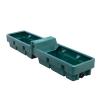
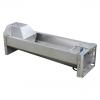

| Product Name | Heated Automatic Livestock Waterer | ||||||||||||||||||||||
| Product Image |  |
||||||||||||||||||||||
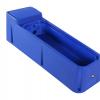
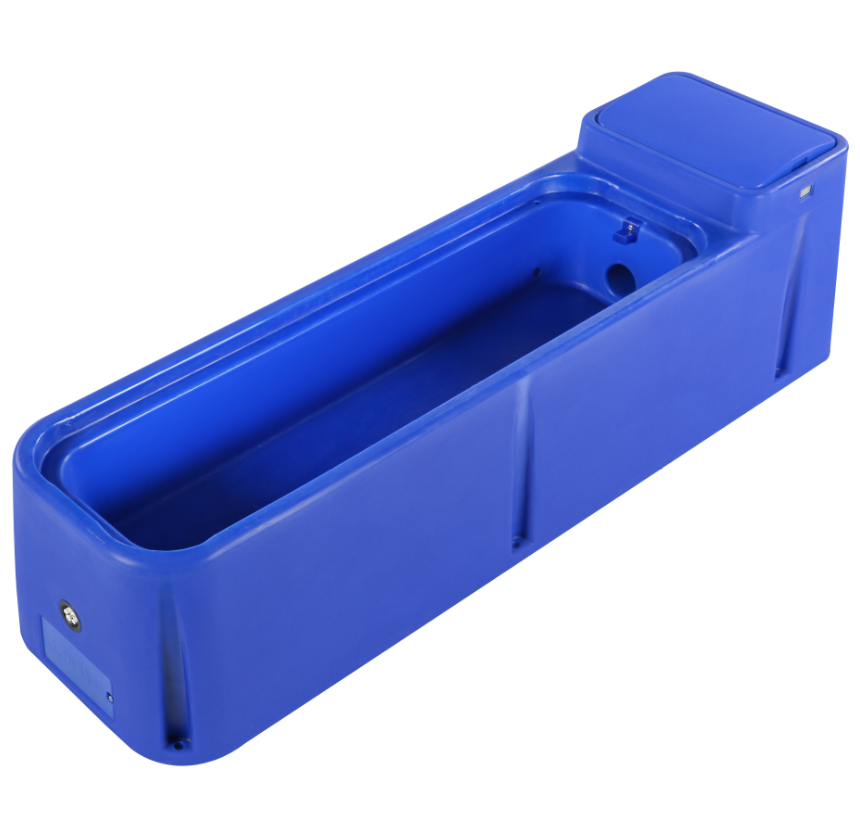
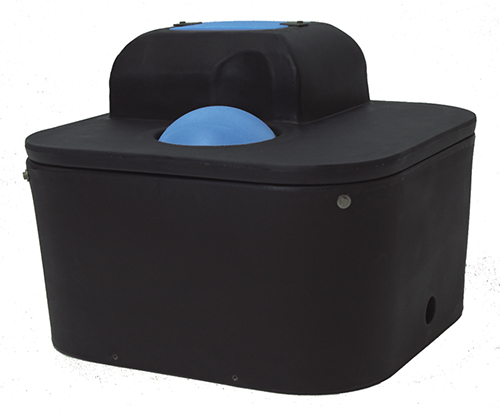
| Product Overview | The Heated Automatic Livestock Waterer is designed to provide a reliable supply of fresh drinking water for cattle, horses and other livestock throughout cold-weather conditions. It combines an automatic water-level control valve with an insulated housing and electric heating system to reduce freezing risk during winter operation. This type of livestock drinker is suitable for commercial farms, paddocks, feeding yards, barns and livestock housing projects where dependable year-round water access is required. A corrosion-resistant drinking basin, protected valve compartment and insulated body help support long service life and convenient maintenance. The waterer can be incorporated into new livestock equipment installations, farm renovations and steel structure building projects. Capacity, heating power, inlet connection and installation configuration can be selected according to project requirements and local winter conditions. |
||||||||||||||||||||||
| Key Features |
|
||||||||||||||||||||||
| Structural Components | Typical components may include:
|
||||||||||||||||||||||
| Working Principle | The waterer is connected to the farm water supply through an inlet pipe and automatic control valve. When livestock consume water and the basin level falls, the float or level-control mechanism opens the inlet valve automatically. Fresh water enters the drinking basin until the preset water level is restored, after which the valve closes automatically. During cold weather, the heating system operates according to thermostat control. The heating element transfers heat to the drinking area and critical internal components to reduce ice formation, while the insulated housing helps retain heat and reduce unnecessary energy consumption. |
||||||||||||||||||||||
| Technical Specifications |
|
||||||||||||||||||||||
| Applications |
|
||||||||||||||||||||||
| Customization Options |
|
||||||||||||||||||||||
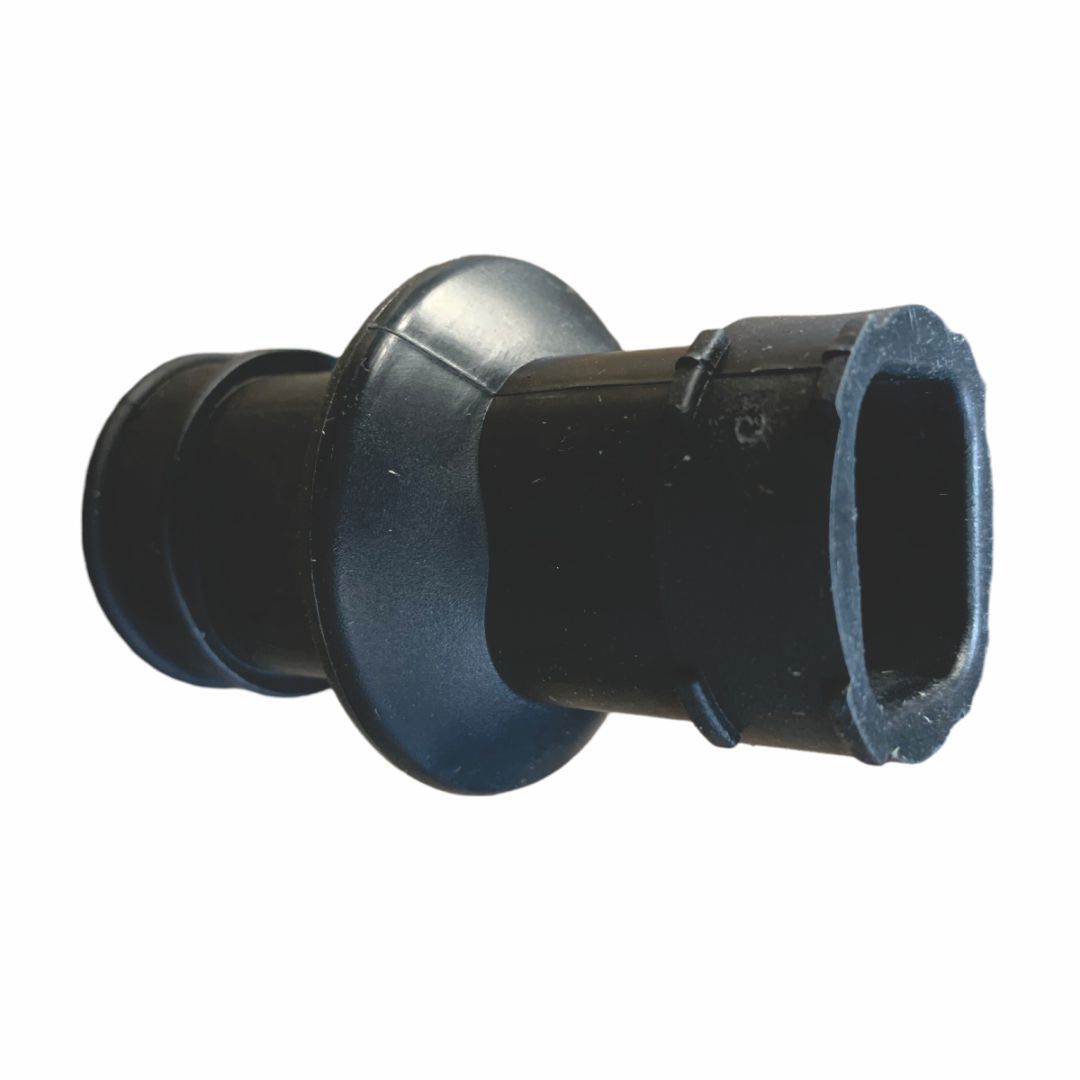
| Installation & Maintenance | The waterer should be installed on a stable, level foundation with secure anchoring and convenient livestock access. In freezing climates, the water supply line should be routed below the local frost depth or protected with suitable insulation and thermal tubing. Electrical installation should be completed according to local electrical codes and farm safety requirements. The heating element and thermostat should be connected through suitable protected circuits and grounding arrangements. Routine maintenance includes cleaning the drinking basin, inspecting the automatic valve, checking the water inlet connection, removing sediment and verifying heating operation before winter. Access covers should remain removable so the valve, heater and internal fittings can be serviced easily. |
||||||||||||||||||||||
| Project Cases | Heated automatic livestock waterers are commonly used in commercial cattle farms, horse facilities and outdoor livestock production areas where winter temperatures may cause conventional troughs to freeze. For large livestock projects, waterer quantity and placement can be planned according to herd size, pen layout, animal movement and water demand. Units can be installed between adjacent pens, along fence lines or inside livestock buildings as part of an integrated livestock drinking water system. |
||||||||||||||||||||||
| Product FAQ | Q: How does the waterer refill automatically? A: An internal float or water-level control valve opens when the water level drops and closes after the preset level is restored. Q: Can the waterer operate during freezing weather? A: Yes. Heated models use an insulated housing and thermostatically controlled electric heating system to reduce freezing risk under winter conditions. Q: Is the waterer suitable for cattle and horses? A: Yes. Models can be selected for beef cattle, dairy cattle, horses and other compatible livestock according to herd size and drinking requirements. Q: Can the voltage and heater power be customized? A: Yes. Electrical configuration can be supplied according to project requirements and local power standards. Q: Can the waterer be installed outdoors? A: Yes. Outdoor installation is possible when the foundation, water line, electrical protection and frost protection measures are designed for local climate conditions. Q: Can you supply complete livestock drinking water systems? A: Yes. Waterers, water supply pipes, valves, fittings and related livestock equipment can be configured according to complete farm project requirements. |
||||||||||||||||||||||
| Product Gallery | 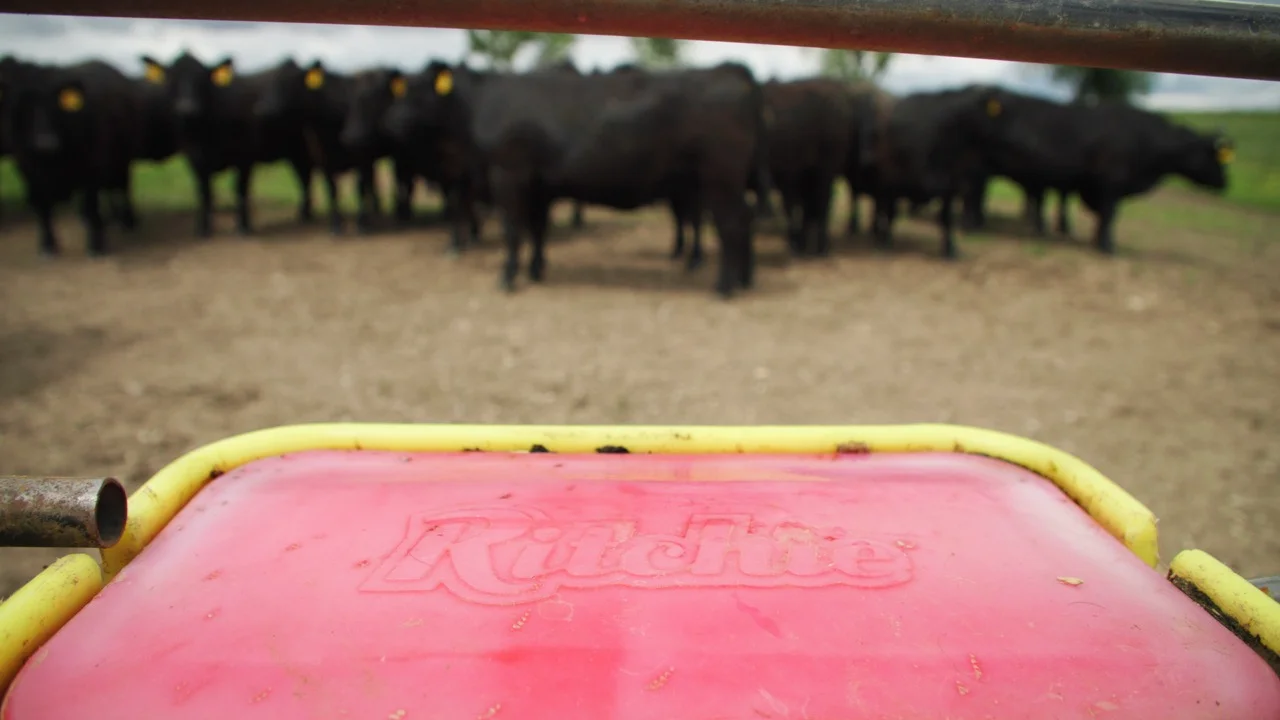 |
- Home
-
Products
- Pig Farming Equipment
- Cattle Farming Equipment
- Sheep & Goat Farming Equipment
- Poultry Farming Equipment
- Feeding & Drinking Systems
- Veterinary & Breeding Equipment
- Testing & Diagnostic Equipment
- Cleaning & Biosecurity Equipment
- Climate Control Equipment
- Livestock Weighing Equipment
- Manure & Waste Management
- Farm Transport & Handling
-
Solutions
- Pig Farm Solutions
- Dairy Farm Solutions
- Beef Cattle Farm Solutions
- Sheep & Goat Farm Solutions
- Layer Farm Solutions
- Broiler Farm Solutions
- Feeding & Drinking System Solutions
- Climate Control Solutions
- Biosecurity & Disinfection Solutions
- Manure & Waste Management
- Smart Farming Solutions
- Farm Renovation and Upgrade Solutions
- Partners
- Projects
- Resources
- News
- About Us
- Contact




Comments & Inquiries
Leave your questions or requirements below. We will reply as soon as possible.