


| Product Name | Double-Sided Fence-Line Livestock Waterer | ||||||||||||||||||||||||||
| Product Image | 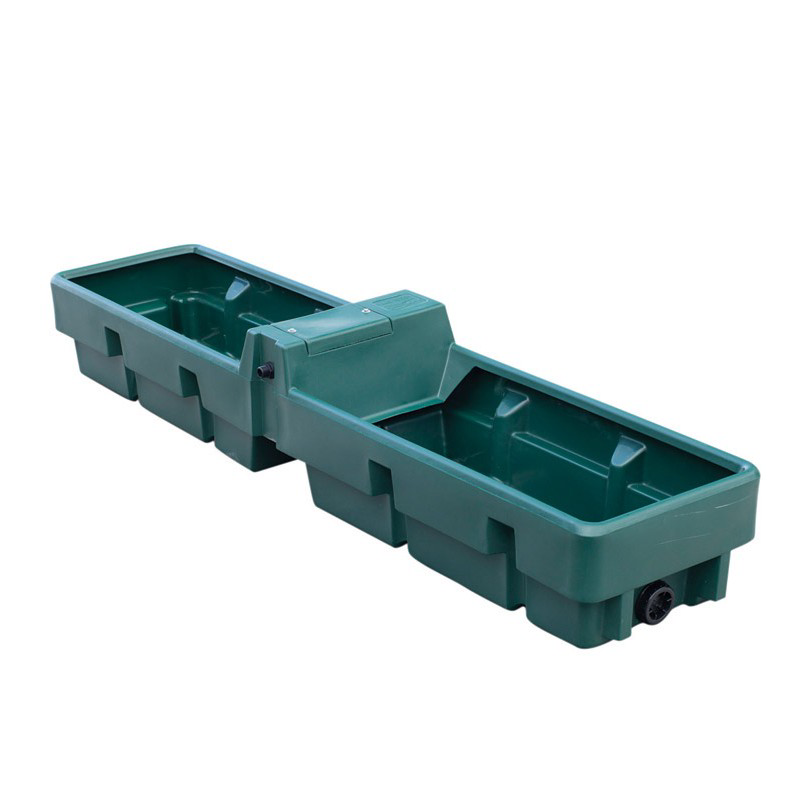 |
||||||||||||||||||||||||||
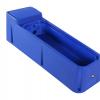
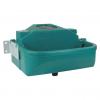
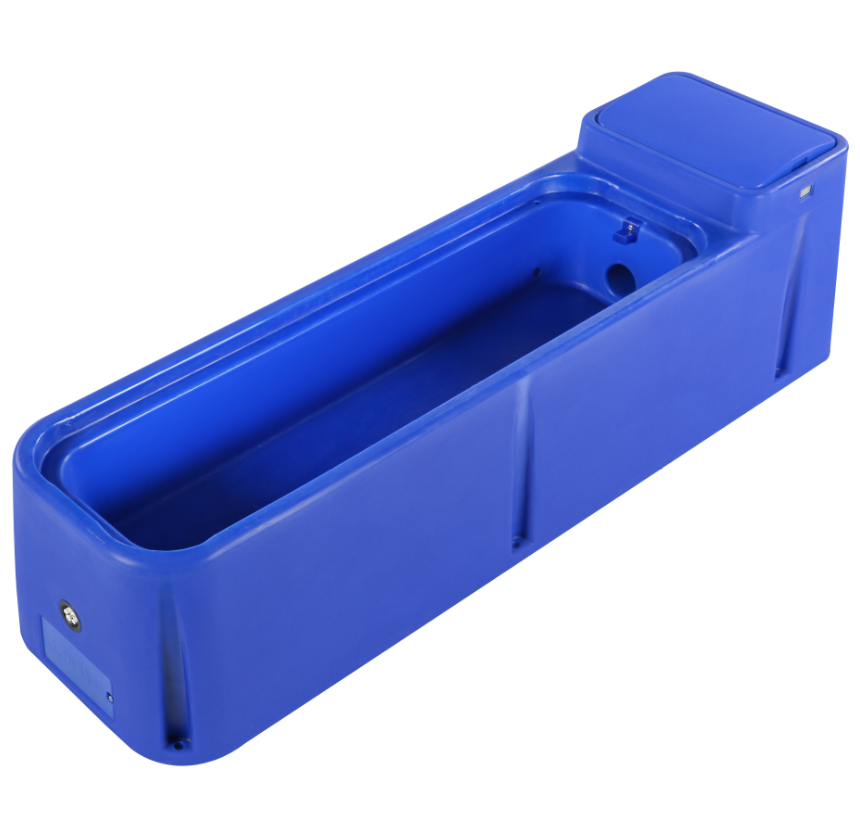
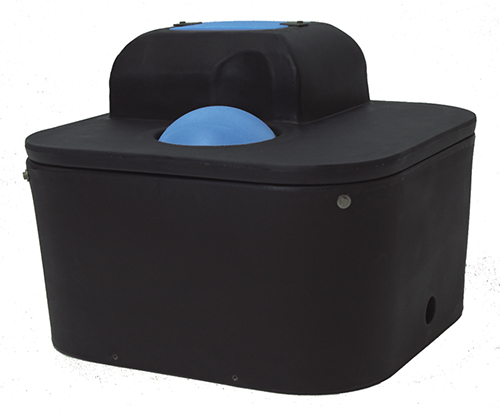
| Product Overview | The Double-Sided Fence-Line Livestock Waterer is designed for cattle, horses, goat-farming-equipment/" target="_blank" class="keylink">sheep, goats and other compatible livestock requiring reliable access to fresh drinking water from two adjacent pens, paddocks or housing sections. The double-trough configuration allows one waterer to be installed directly along a fence or partition line so animals can drink from opposite sides. This arrangement can reduce the number of individual drinking stations and simplify water-line routing in commercial livestock facilities. A protected automatic float valve maintains the operating water level as animals drink. Durable polyethylene construction, insulated configurations, drainable trough surfaces and service-access components can be incorporated according to project requirements. |
||||||||||||||||||||||||||
| Key Features |
|
||||||||||||||||||||||||||
| Structural Components | Typical construction may include:
|
||||||||||||||||||||||||||
| Working Principle / Structural Principle | The waterer is connected to the farm's pressurized water supply. A mechanical float inside the protected valve compartment monitors the water level in the drinking trough. As livestock consume water, the water level decreases and the float moves downward. This movement opens the inlet valve and allows fresh water to enter. When the preset operating level is restored, the float rises and closes the valve automatically. Both drinking sides share the same automatic water supply, allowing one installation to serve animals on opposite sides of a fence or pen divider. The system operates mechanically and does not require electricity for standard water-level control. |
||||||||||||||||||||||||||
| Technical Specifications |
|
||||||||||||||||||||||||||
| Applications |
|
||||||||||||||||||||||||||
| Customization Options |
|
||||||||||||||||||||||||||
| Installation & Maintenance | For fence-line installation, the waterer should be positioned so both trough openings are easily accessible from the adjacent livestock areas. The center of the unit can align with the fence or pen partition while the water supply is routed through a protected underground or floor-level connection. A level concrete base is recommended for permanent commercial installations. The unit should be securely anchored to prevent movement caused by livestock contact. Water pipes should be flushed before connection to reduce the risk of debris entering the float valve. Routine maintenance should include cleaning the troughs, opening the drain plugs, checking valve movement, inspecting the float and seals, and removing sediment or mineral deposits when required. The protected valve chamber should remain accessible for servicing. In freezing climates, the underground supply line should be protected below the local frost depth and appropriate insulation, heater or heat cable should be selected according to site conditions. |
||||||||||||||||||||||||||
| Project Cases | In commercial cattle, sheep and mixed-livestock projects, double-sided waterers are commonly positioned between adjacent pens so two groups can share one water supply point. During livestock house planning, waterer locations can be coordinated with pen partitions, gates, feeding passages, drainage channels, concrete foundations and underground water pipelines. This can reduce redundant pipe branches and improve access for daily inspection and cleaning. For steel structure building projects, waterer quantities and positions can be selected according to animal numbers, pen layout, water pressure, refill demand and local climate conditions. |
||||||||||||||||||||||||||
| Product FAQ | Q: Why use a double-sided fence-line waterer? A: It allows animals in two adjacent pens or paddocks to share one automatic watering station, helping simplify water-line routing and reduce the number of separate units required. Q: Does the waterer refill automatically? A: Yes. A mechanical float valve opens when the water level falls and closes automatically when the preset level is restored. Q: Does standard water-level control require electricity? A: No. The standard float-valve refill mechanism operates mechanically. Q: What animals can use this waterer? A: Suitable configurations can be supplied for beef cattle, horses, sheep, goats and other compatible livestock. Q: Can it be installed directly in a fence line? A: Yes. Fence-line installation is one of the main applications of the double-sided design. Q: Is a heated version available? A: Yes. Insulation, immersion heating and self-regulating heat cable can be supplied according to local winter conditions. Q: Is it easy to clean? A: Yes. Sloped trough surfaces, drain openings and removable service covers can simplify routine cleaning and maintenance. Q: Can the size and valve specification be customized? A: Yes. Body dimensions, drinking height, water capacity, valve specification, inlet connection and cold-weather configuration can be selected according to project requirements. |
||||||||||||||||||||||||||
| Product Gallery | |
- Home
-
Products
- Pig Farming Equipment
- Cattle Farming Equipment
- Sheep & Goat Farming Equipment
- Poultry Farming Equipment
- Feeding & Drinking Systems
- Veterinary & Breeding Equipment
- Testing & Diagnostic Equipment
- Cleaning & Biosecurity Equipment
- Climate Control Equipment
- Livestock Weighing Equipment
- Manure & Waste Management
- Farm Transport & Handling
-
Solutions
- Pig Farm Solutions
- Dairy Farm Solutions
- Beef Cattle Farm Solutions
- Sheep & Goat Farm Solutions
- Layer Farm Solutions
- Broiler Farm Solutions
- Feeding & Drinking System Solutions
- Climate Control Solutions
- Biosecurity & Disinfection Solutions
- Manure & Waste Management
- Smart Farming Solutions
- Farm Renovation and Upgrade Solutions
- Partners
- Projects
- Resources
- News
- About Us
- Contact




Comments & Inquiries
Leave your questions or requirements below. We will reply as soon as possible.