


| Product Name | Energy-Free Insulated Livestock Waterer | ||||||||||||||||||||||||||||||||
| Product Image | 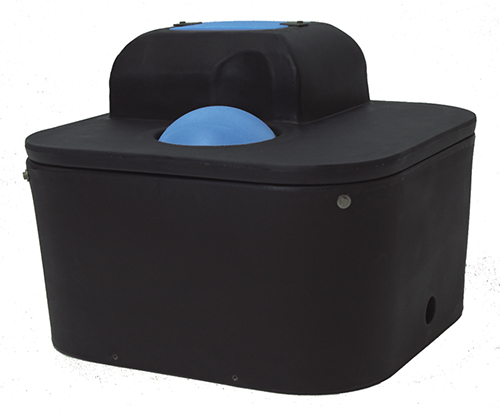 |
||||||||||||||||||||||||||||||||
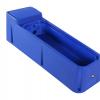
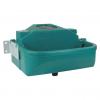
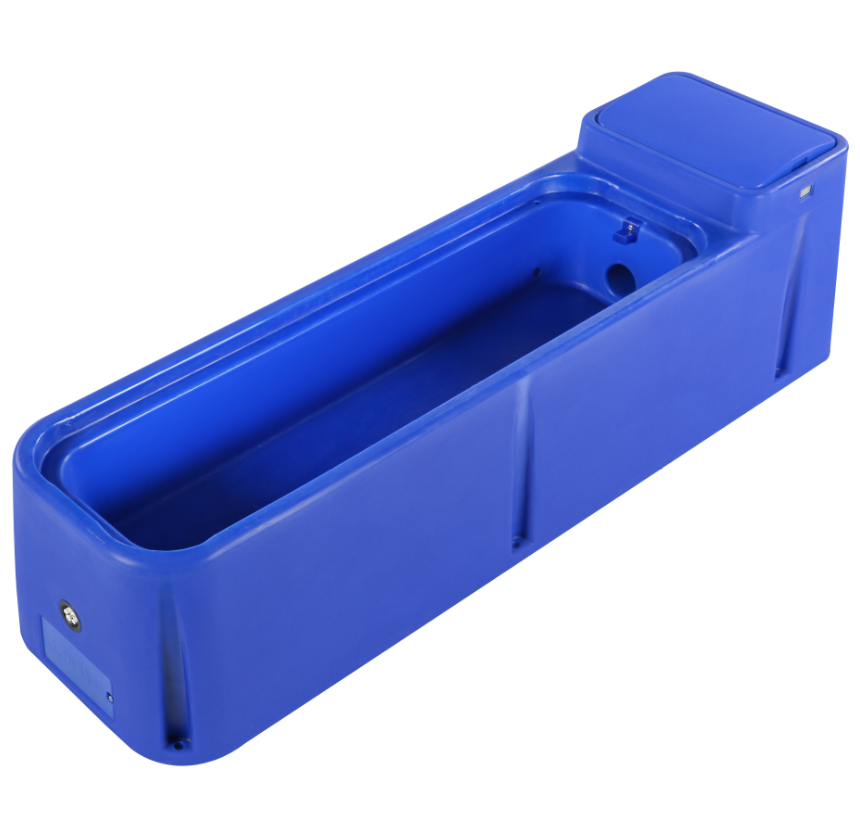
| Product Overview | The Energy-Free Insulated Livestock Waterer is an automatic drinking system designed for beef cattle, dairy cattle and other compatible livestock in commercial farming environments. The system combines a highly insulated reservoir, protected automatic water valve and floating ball closure to reduce heat loss and limit direct exposure of the stored water to cold outside air. Unlike conventional electrically heated troughs, an energy-free livestock waterer can operate without continuous electric heating when properly installed under suitable climate, water-supply and livestock-use conditions. Natural ground temperature, incoming water temperature, thermal insulation and regular animal water consumption work together to help protect the internal reservoir and valve area from freezing. The robust polyethylene body is suitable for outdoor livestock yards, pasture systems, beef operations, dairy farms and integrated livestock equipment projects. Capacity, drinking openings, valve configuration and installation details can be customized according to project requirements. |
||||||||||||||||||||||||||||||||
| Key Features |
|
||||||||||||||||||||||||||||||||
| Structural Components | Typical structural components include:
|
||||||||||||||||||||||||||||||||
| Working Principle | The waterer is normally installed over a protected underground water supply and heat-well area. The water line is routed below the local frost zone wherever required by site conditions, allowing relatively stable ground temperature to help protect the riser and internal valve. The floating insulated ball normally covers the drinking opening and limits the amount of water directly exposed to cold air. When livestock approach the waterer, they push the ball downward or sideways with the muzzle and drink through the opening. As animals consume water, the internal water level falls and the automatic float valve opens. Fresh water enters the reservoir until the preset level is restored, after which the valve closes automatically. When the animal finishes drinking, the buoyant ball returns toward the opening, helping reduce heat loss, evaporation and contamination. Reliable energy-free winter operation depends on correct installation, livestock usage, local frost depth, incoming water temperature and environmental conditions. |
||||||||||||||||||||||||||||||||
| Technical Specifications |
|
||||||||||||||||||||||||||||||||
| Applications |
|
||||||||||||||||||||||||||||||||
| Customization Options | The waterer can be configured according to herd size, livestock type, water supply, local climate and farm construction requirements.
|
||||||||||||||||||||||||||||||||
| Installation & Maintenance | Correct installation is important for reliable energy-free cold-weather operation. The waterer should be mounted securely on a level concrete pad and positioned over a protected water riser and heat-well arrangement designed for local frost conditions. The underground water supply should be installed at a suitable protected depth according to local building practice and climatic conditions. The lower area around the water riser should be protected against cold-air infiltration, and the base of the waterer should be properly sealed after installation. Before livestock use, the automatic valve should be checked and the operating water level adjusted. The floating ball should move freely without excessive resistance. Routine maintenance includes cleaning the internal reservoir, removing sediment, inspecting the float valve and seals, checking the ball closure, examining anchor points and verifying the condition of insulation and plumbing connections. Farms in exceptionally severe climates should evaluate local frost depth, expected livestock usage and incoming water temperature before selecting a completely energy-free configuration. Additional water-line protection may be required according to project conditions. |
||||||||||||||||||||||||||||||||
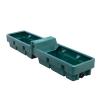
| Project Cases | Energy-free insulated waterers can be integrated into commercial livestock projects together with underground water pipelines, cattle pens, concrete foundations, drainage systems and steel structure farm buildings. For pasture and fence-line applications, one watering point can be positioned to serve livestock groups from adjacent paddocks where the farm layout permits. Larger livestock projects can use multiple waterers distributed according to herd groups, walking distance, water demand and pen configuration. SHEWUYOU can configure the waterer quantity, pipeline network, foundation layout and installation accessories according to farm drawings and project requirements. |
||||||||||||||||||||||||||||||||
| Product FAQ | Q: Does an energy-free livestock waterer require electricity? A: Under suitable installation, climate and livestock-use conditions, the standard energy-free configuration does not require a conventional electric trough heater. Q: How does the waterer help prevent freezing? A: Insulated construction, a protected underground water supply, limited exposed water surface and the floating ball closure help conserve heat around the reservoir and valve area. Q: How do cattle drink from a ball waterer? A: The animal pushes the floating ball downward or sideways with its muzzle to expose the drinking opening. The ball returns toward the opening after the animal finishes drinking. Q: How is the reservoir refilled? A: An automatic float-controlled valve opens as the water level drops and closes after the required level has been restored. Q: How many cattle can use the referenced configuration? A: The referenced single-opening configuration is rated for up to 50 beef cattle or 25 dairy cattle. Actual project sizing should consider animal water demand, climate, water pressure and management conditions. Q: Is the polyethylene body suitable for commercial livestock farms? A: Yes. High-impact polyethylene offers corrosion resistance, smooth livestock-contact surfaces and good durability for outdoor cattle watering applications. Q: Can the waterer be customized for different herd sizes? A: Yes. Capacity, drinking openings, valve arrangement, plumbing connections and installation accessories can be configured according to project requirements. Q: Is energy-free operation suitable for every cold climate? A: Performance depends on local frost depth, incoming water temperature, installation quality and regular livestock usage. Additional frost protection may be required for extreme site conditions. |
||||||||||||||||||||||||||||||||
| Product Gallery |   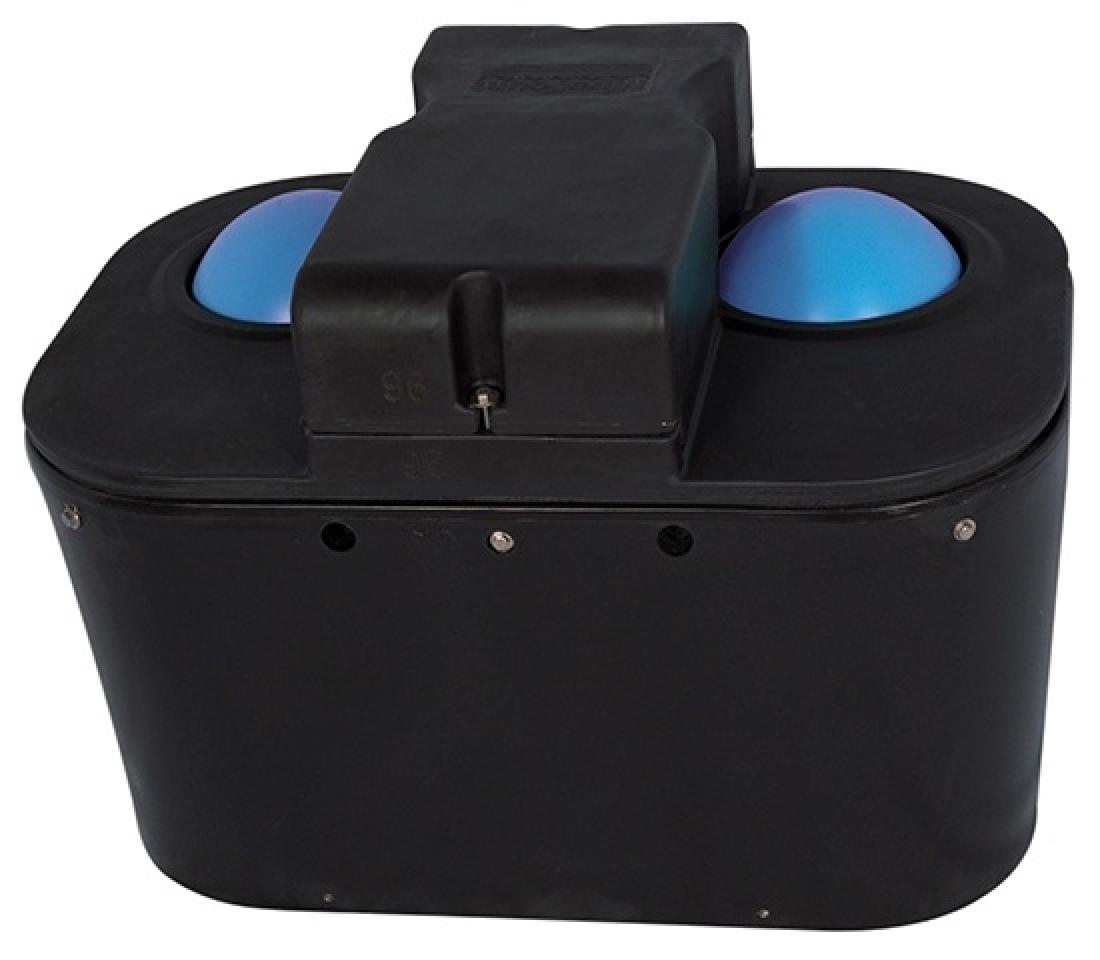  |
- Home
-
Products
- Pig Farming Equipment
- Cattle Farming Equipment
- Sheep & Goat Farming Equipment
- Poultry Farming Equipment
- Feeding & Drinking Systems
- Veterinary & Breeding Equipment
- Testing & Diagnostic Equipment
- Cleaning & Biosecurity Equipment
- Climate Control Equipment
- Livestock Weighing Equipment
- Manure & Waste Management
- Farm Transport & Handling
-
Solutions
- Pig Farm Solutions
- Dairy Farm Solutions
- Beef Cattle Farm Solutions
- Sheep & Goat Farm Solutions
- Layer Farm Solutions
- Broiler Farm Solutions
- Feeding & Drinking System Solutions
- Climate Control Solutions
- Biosecurity & Disinfection Solutions
- Manure & Waste Management
- Smart Farming Solutions
- Farm Renovation and Upgrade Solutions
- Partners
- Projects
- Resources
- News
- About Us
- Contact




Comments & Inquiries
Leave your questions or requirements below. We will reply as soon as possible.